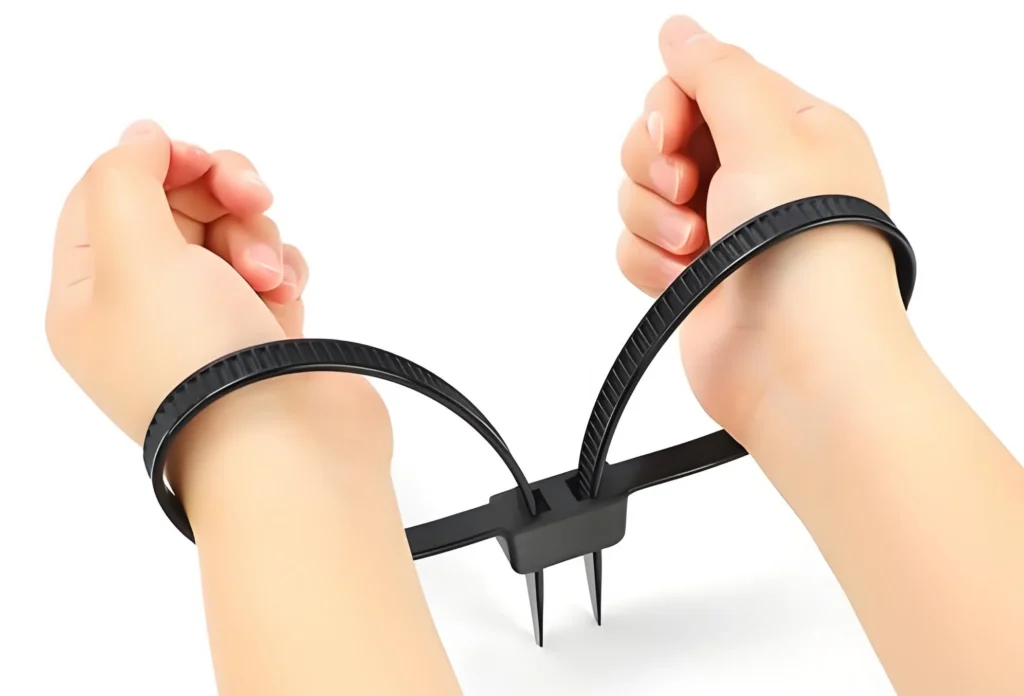
Zip tie handcuffs are a nylon cable tie closed around both wrists and used as a one-piece restraint. This tag gathers the five guides on the site that deal with the subject: what the restraint actually is, why police carry disposable ties instead of steel handcuffs, how to make a pair for a training exercise, how to release one without cutting skin, and how the strength compares with a purpose-made flex cuff.
What the guides here answer
What are zip tie handcuffs sets the baseline: the tie, the loop, and the difference between a temporary restraint and a certified one. Why do police use zip ties instead of handcuffs explains the operational reason, which is weight and disposability rather than strength. Flex cuffs vs zip ties compares the two side by side on strength, safety and legitimate use, and how to make cable ties handcuffs covers the training version. How to safely remove cable tie handcuffs is the release procedure, which is the part that causes injuries when it is improvised.
Why a tie holds a wrist, and where it fails
The holding force comes from the pawl inside the head: teeth on the strap ride over a flexible tongue and cannot travel back, so the loop only ever tightens. That is what makes the restraint secure and also what makes it dangerous, because there is no key, no override and no way to give slack back once the tie is closed.
Making and releasing a pair safely
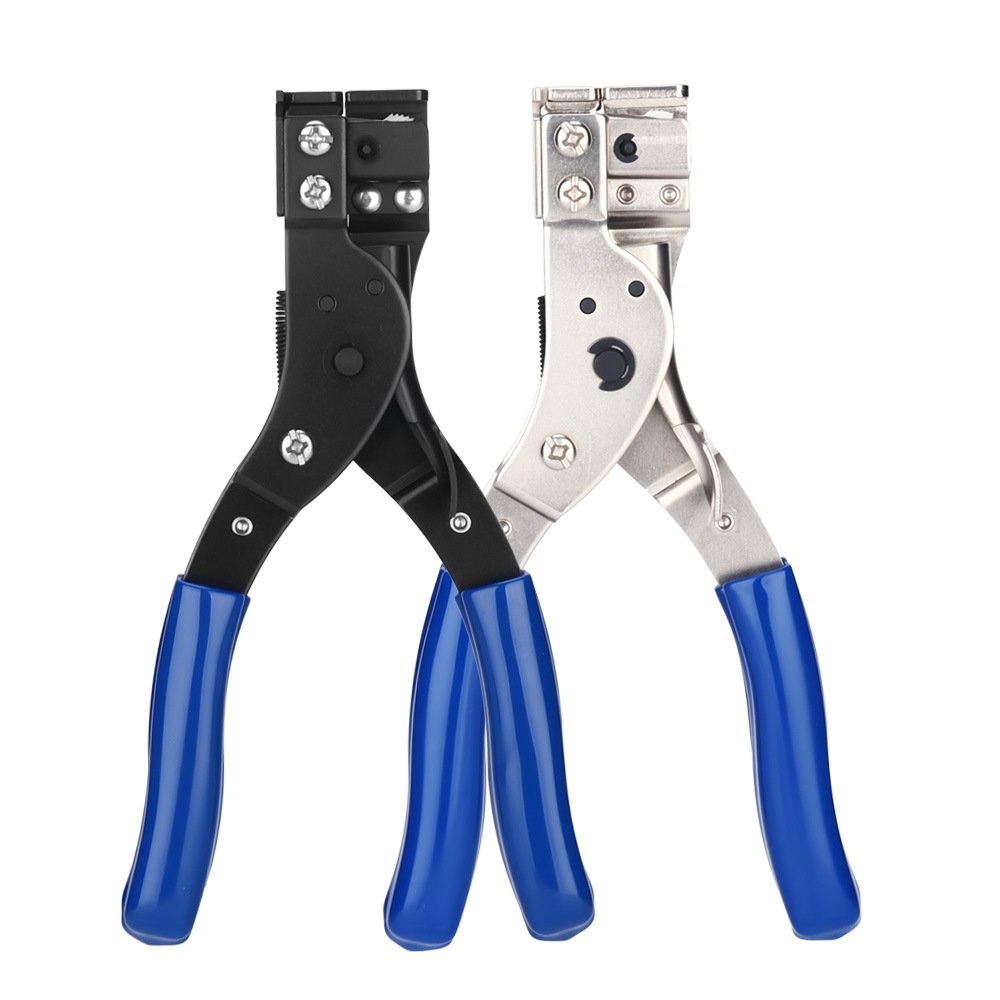
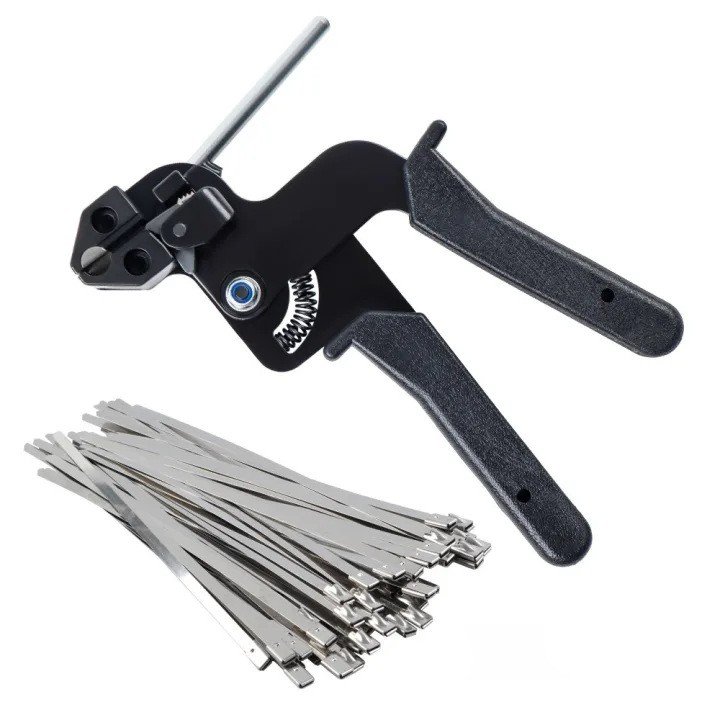
For training, the loop is formed with the ratchet side out, the tail is left long and reachable, and the loop is closed only until two fingers slide under the band, no tighter. Release is done with side cutters or a strap cutter slipped flat under the band, cutting away from the skin, never with a knife blade levered against the wrist. Circulation is checked before and after, and the tie is never left on anyone who is struggling, because movement is what drives the edge into the wrist.
Specification reference
Width is the number that decides how a tie behaves as a restraint: a wider strap spreads the load and a narrow one concentrates it. The full width, length and tensile range sits on the standard cable ties product page, which is the page to quote from when a tie has to be matched to a load rather than to a bundle.
What size cable tie is used for handcuffs?
Long ties with a wide strap, because length has to go around two wrists and width has to spread the pressure. A short, narrow tie will close but will bite, and it leaves no tail to hold while cutting.
Can zip tie handcuffs be reused?
No. Once the pawl has engaged, the tie has to be cut to come off, which is why the disposable restraint is a single-use item and why a spare pair is always carried rather than a second attempt at the same tie.
Are zip ties a legal restraint?
Only in the narrow situations where a disposable temporary restraint is accepted, and never as a substitute for a certified device on a person who is being detained.


 EN
 AR
 ES
 PT
 FR
 RU
 DE
 KO
 JA
 IT
 NL
 TR