Flex Cuffs vs Zip Ties: Overview and Key Definitions
While flex cuffs and standard zip ties share a similar nylon construction and basic ratcheting concept, they are engineered for fundamentally different worlds. Confusing general utility fasteners with tactical restraints poses severe operational and safety hazards. Understanding their structural definitions and core intended purposes is the first step in selecting the correct hardware.
What Are Flex Cuffs (Disposable Restraints)?
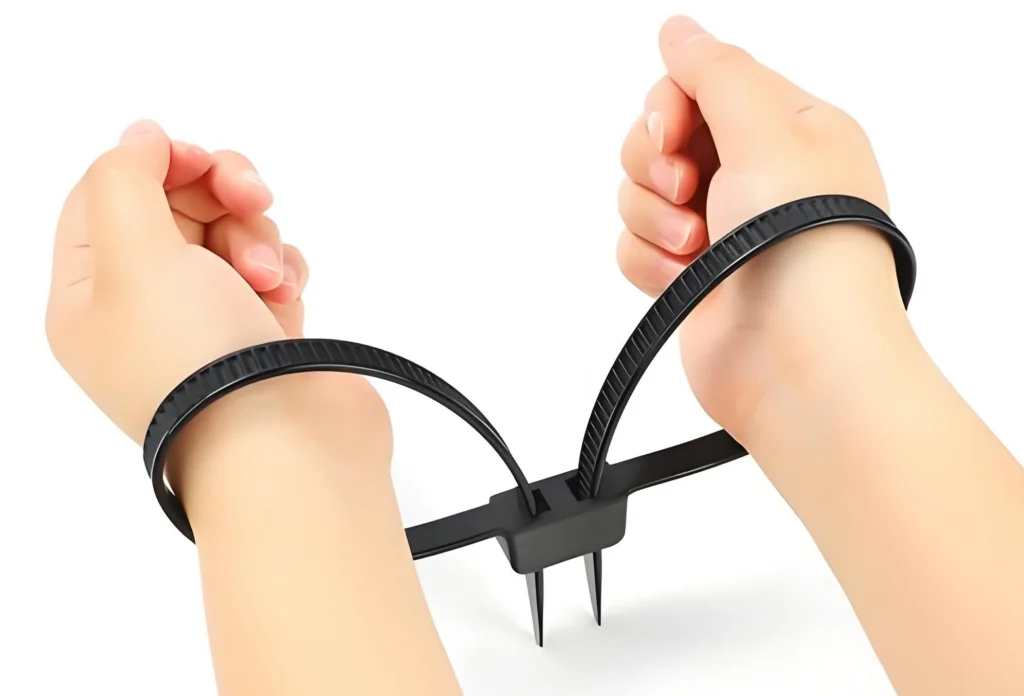
Flex cuffs—often referred to as zip-cuffs, arrest zip ties, or single-use handcuffs—are specialized physical restraints engineered specifically for law enforcement, military operations, and corrections personnel.
Primary Purpose: Temporary, high-security detention of individuals during mass arrests, tactical raids, or riot control.
Material Construction: Formulated from high-tensile, impact-resistant virgin nylon polymers capable of enduring extreme lateral force.
Human-Safe Profiling: Manufactured with wide straps and beveled, smooth edges designed to restrain wrists securely while minimizing the risk of lacerations and severe nerve compression.
What Are Standard Cable Zip Ties?
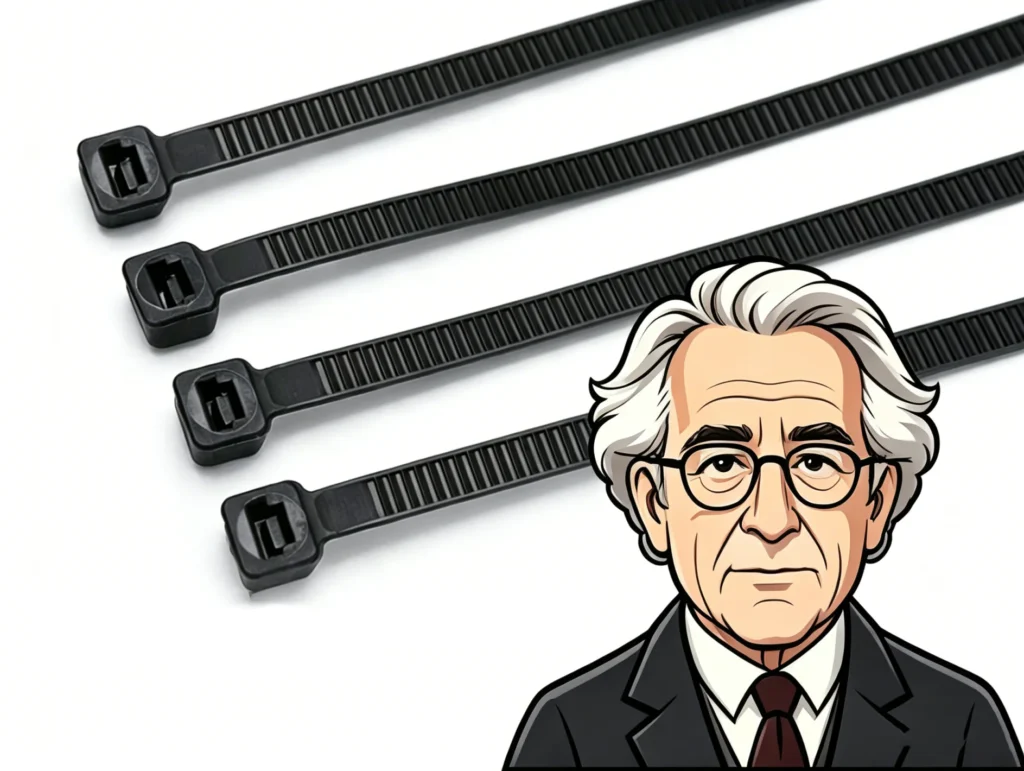
Standard cable zip ties are general-purpose bundling fasteners developed exclusively for electrical wiring, industrial organization, and light-duty commercial packaging.
Material Construction: Lightweight standard nylon 6/6 designed for low-to-moderate static tension.
Sharp Structural Edges: Molded with square, thin edges that offer zero anatomical accommodation, making them completely unsuited for application on human limbs.
Core Design and Structural Differences
The engineering gap between everyday wiring accessories and dedicated tactical restraints centers on three critical vectors: tensile threshold, locking head integrity, and edge finish.
Feature
Tactical Flex Cuffs
Standard Cable Zip Ties
Primary Function
Subject control and temporary detention
Cable management, packaging, static loads
Average Tensile Strength
250 lbs to 400+ lbs (Heavy-duty security rating)
50 lbs to 120 lbs (Standard utility rating)
Locking Mechanism
Reinforced pawl / Dual-tooth metal or heavy nylon
Single plastic ratchet pawl (Prone to picking/slipping)
Edge Geometry
Thick, beveled, rounded edges to protect soft tissue
Thin, sharp molded edges that easily cut skin
Configuration
Dedicated double-cuff loops or wide single-loop formats
Single continuous loop only
Tamper Resistance
High (Engineered against shimming, pick tools, and friction)
Low (Easily defeated by shims or blunt leverage)
Manufacturers like WANDU engineer utility wiring accessories to optimize efficient bundling, whereas purpose-built flex cuffs demand higher polymer density, reinforced locking housings, and specialized dimensions to withstand violent dynamic resistance without structural failure.
Direct Comparison: Flex Cuffs vs Standard Zip Ties
When looking at flex cuffs vs zip ties, the differences go far beyond basic appearance. While both use nylon straps and ratcheting heads, tactical disposable restraints are built specifically to secure human limbs under stress, whereas hardware zip ties are meant for stationary bundles.
Feature
Tactical Flex Cuffs
Standard Cable Zip Ties
Primary Design
Restraining human wrists or ankles
Organizing cables and light utility bundling
Average Tensile Strength
250 lbs to 400+ lbs (110–180+ kg)
50 lbs to 120 lbs (22–54 kg)
Configuration
Dual-loop or specialized wide single-loop
Single continuous loop
Locking Mechanism
Recessed steel/hardened polymer pawls
Standard plastic ratchet wedge
Edge Finish
Smooth, rounded, beveled edges
Thin, squared, often razor-sharp edges
Tensile Strength and Material Durability
Standard utility ties cannot handle dynamic shock loads. A standard tie typically snaps at 50 to 75 pounds of sudden force. In contrast, purpose-built zip-tie handcuffs use high-grade virgin nylon 6/6 and deliver tensile ratings between 250 and over 400 pounds. Our engineering tests show that when a thrashing subject pulls their wrists apart, hardware ties sheer at the neck, while tactical restraints flex and hold their structure against sudden expansion forces.
Locking Mechanism and Escape Resistance
Standard cable ties feature an exposed plastic ratchet. A detained subject can easily defeat this mechanism using a simple shim, a pin, or by aggressively torquing the strap to strip the shallow plastic teeth.
Professional police zip ties integrate heavy-duty, pick-resistant locking blocks. Many tactical designs utilize: – Concealed metal pawls that bite directly into the strap under tension. – Recessed entry channels that block paperclips, bobby pins, or shims. – Anti-backing teeth calibrated to prevent slipping even when saturated with sweat, water, or mud.
Single Loop vs Double-Cuff Configuration
Standard utility ties force both wrists into a single tight loop, pulling the hands together unnaturally and concentrating pressure on a tiny surface area. Tactical restraints typically feature a dedicated double-cuff configuration.
This design isolates each wrist in its own loop connected by a center bridge: – Controlled movement: It maintains the subject’s wrists at an ergonomic, secure distance. – Independent tightening: You can adjust the tension on one wrist without overtightening the other. – Better leverage control: Officers gain superior physical control over the detainee during transport.
Injury Risk and Circulation Safety
Using standard hardware ties on people introduces severe medical and operational risks. Standard ties have thin profiles (often under 7mm wide) and squared edges that act like blunt blades under tension, cutting deep into skin, slicing tendons, and causing permanent nerve damage.
Dedicated flex cuffs are molded with wide straps (usually 10mm to 15mm) and beveled, rounded edges. This wide surface distributes restraining pressure across the radial and ulnar zones. It limits soft-tissue trauma and preserves arterial blood flow while maintaining positive physical control.
Key Advantages of Flex Cuffs in Tactical Operations
In tactical law enforcement, corrections, and military operations, gear weight and deployment speed determine mission safety. When evaluating flex cuffs vs zip ties, specialized tactical restraints offer dedicated advantages over both standard steel handcuffs and improvised fasteners. At WANDU, we design polymer security solutions to give operators reliable control without encumbering their gear loadout.
Lightweight and Compact Portability
Standard steel handcuffs weigh around 250 to 300 grams (9 to 11 oz) per pair. Carrying multiple pairs quickly overburdens a duty belt or tactical vest.
Minimal Carry Burden: A tactical flex cuff weighs a fraction of steel hardware, allowing operators to secure five to ten restraints in a compact flex cuff holder or MOLLE pouch without balance issues.
Low Profile: Built from high-grade polymers similar to heavy-duty nylon cable ties, these restraints fold flat or roll neatly into plate carrier loops without snagging on doorframes, vehicle interiors, or weapons slings.
Rapid Deployment for Crowd Control and Mass Arrests
During large-scale civil disturbances, riot control, or raid scenarios with multiple subjects, officers exhaust their supply of traditional handcuffs almost instantly. Tactical arrest zip ties provide an immediate solution for mass processing.
Speed of Application: Dual-strap flex-cuff designs allow officers to pre-set loops before approaching a subject, cutting securement time down to seconds.
No Key Management: Officers do not need to fumble with handcuff keys in high-stress, low-light environments. Detainees are quickly zip cuffed and staged for transport while field teams maintain situational awareness.
Hygiene and Single-Use Convenience
Biohazard exposure is a persistent concern during physical arrests. Detainees frequently transfer blood, sweat, bodily fluids, or contaminants onto restraint surfaces.
Elimination of Cross-Contamination: Reusable metal cuffs require rigorous chemical decontamination between uses to prevent the spread of pathogens. Single-use handcuffs eliminate this biological risk entirely.
Streamlined Detainee Hand-Off: Once a subject arrives at a detention facility, receiving staff simply sever the disposable cuffs with specialized cuff cutters and transition the individual to permanent holding, with zero paperwork or delays tied to recovering personal equipment.
Can You Use Standard Zip Ties as Handcuffs?
The short answer is no. You should never substitute standard hardware zip ties for dedicated restraint systems. While they look similar at a glance, standard utility ties are engineered strictly for bundling cables and static loads, not controlling a resisting human being.
Using makeshift zip-tie handcuffs creates immediate physical dangers and exposes operators to severe legal fallout. Here is why using consumer-grade ties as restraints consistently fails.
Risk of Breakage and Structural Failure
Standard cable ties are not designed to withstand explosive, dynamic shock. When an individual struggles against a restraint, they generate hundreds of pounds of localized force that easily overwhelms standard nylon bands.
Low Tensile Limits: Standard heavy-duty utility ties typically top out at 50 to 120 lbs of tensile strength. In contrast, purpose-built tactical flex cuffs handle shock loads well beyond 300 to 400 lbs.
Weak Ratchet Pawls: The plastic pawl inside a utility tie’s head easily strips or shears under tension. A detained subject can break standard ties simply by driving their elbows outward or torquing their wrists against their hips.
Brittleness in Cold Weather: Standard nylon cable ties turn brittle and snap when exposed to freezing temperatures or direct UV degradation.
Standard cable ties present extreme medical risks when cinched around human limbs. Professional single-use handcuffs are wide (typically 12mm to 15mm) and feature rounded, beveled edges. Standard utility ties are narrow and razor-sharp under tension.
Lacerations and Friction Burns: The thin profile of an electrical tie acts like a cheese wire under stress, slicing into flesh during movement.
Tourniquet Effect: Utility ties lack safety stops or anti-overtightening channels. As a detainee struggles, the band ratchets tighter on its own, cutting off blood flow to the hands within minutes.
Permanent Radial Nerve Injury: Excessive compression directly crushes the radial and median nerves against the wrist bones, causing long-term numbness, wrist drop, and irreversible motor damage.
Legal and Liability Concerns for Restraint Use
Deploying non-certified equipment on an individual creates immediate civil and criminal exposure. Law enforcement agencies and private security details are held to strict standards regarding use-of-force equipment.
Excessive Force Claims: In court, improvising restraints with everyday hardware is frequently viewed as reckless endangerment or improper restraint protocol.
Failure of Duty of Care: Custodial officers have a legal duty to protect the health and safety of detained individuals. If a standard tie causes deep tissue necrosis or breaks and allows a suspect to flee, the liability rests entirely on the operator.
Regulatory Non-Compliance: Professional standards (such as NIJ compliance or local security regulatory boards) require certified arrest zip ties with verified breaking strengths and medical-grade safety contours. Using unrated ties voids institutional liability protection.
Best Use Cases for Flex Cuffs and Zip Ties
Matching the right tool to the job is critical for both safety and performance. While standard zip ties and tactical flex cuffs share a similar locking concept, their real-world applications rarely overlap. Knowing where each tool belongs ensures compliance, physical safety, and operational efficiency.
Law Enforcement and Security Operations
In modern policing and private security, tactical disposable cuffs have completely replaced improvised fasteners. We design and recommend specialized arrest zip ties for high-stress scenarios where standard steel cuffs are impractical:
Mass Arrest Situations: During large-scale protests, civil unrest, or raid operations, carrying dozens of metal handcuffs is physically impossible. Officers can carry bundles of lightweight flex cuffs without adding noticeable gear weight.
Detainee Transport and Intake: Dual-strap zip-cuffs keep subjects secured comfortably during transport, eliminating metal-to-metal rattling and reducing weapon retention risks.
Field Safety: While some operators explore emergency workarounds using a cable ties handcuffs safe DIY guide, dedicated flex cuffs remain the only legally defensible choice to prevent nerve damage and severe lacerations during arrests.
Military and Emergency Preparedness
Armed forces and emergency response teams rely on heavy-duty tactical zip-tie handcuffs for versatile field security and disaster response:
Detainee Handling in Combat Zones: Infantry and special operations units utilize compact, pre-threaded flex cuffs to secure Persons Under Control (PUCs) swiftly in low-light, high-threat environments.
Search and Rescue (SAR): First responders use flex cuffs to secure violent, disoriented individuals suffering from acute trauma or psychological crises without inflicting secondary tissue injuries.
Go-Bag and Kit Loadouts: Survival kits and bug-out bags benefit from the high-tensile strength and weather resistance of tactical cuffs, serving as dependable restraints during emergency home-defense scenarios.
Everyday Utility and Cable Management
Standard zip ties reign supreme in industrial, workshop, and domestic environments where the goal is organizing materials rather than detaining people:
Wiring and Cable Organization: High-grade nylon cable ties provide the perfect tensile balance to bundle computer wires, control panels, automotive wiring harnesses, and server racks cleanly.
Industrial Lashing and Packaging: Warehouses and production facilities use standard zip ties for tagging inventory, sealing shipping crates, and bundling structural piping.
Temporary Construction Repairs: From securing perimeter safety fencing to affixing signage and holding parts in place while adhesives cure, everyday zip ties offer unmatched cost-effectiveness and speed.
How to Choose the Right Tactical Flex Cuffs
Selecting dedicated restraints requires a clear understanding of load ratings, locking geometry, and operating conditions. When evaluating flex cuffs vs zip ties, field reliability is non-negotiable. Standard industrial ties simply do not have the safety or containment thresholds required for tactical use.
Tensile Strength Rating and Material Quality
The backbone of any dependable flex cuff is its polymer structure. Standard cable ties snap under sudden dynamic shock, whereas tactical restraints use impact-modified Nylon 6/6 with specialized UV and cold-weather additives to prevent brittle failure under stress.
Minimum Loop Tensile Strength: Tactical restraints should hold at least 250 lbs (110 kg) to 400+ lbs (180 kg) of continuous dynamic load.
Edge Finish: Smooth, beveled, or radiused inner edges are essential to prevent soft-tissue lacerations during subject movement.
Environmental Resilience: Reliable cuffs perform across extreme temperature swings (-40°F to 185°F) without cracking or stretching. When we evaluate an industrial nylon cable tie manufacturer, these raw resin specs form the foundation of product safety.
Single-Cuff vs Double-Cuff Styles
Choosing between a single flex cuff and an integrated double-strap configuration directly affects control speed and subject security.
Dedicated transport, detention, and high-risk extraction
Double-loop designs provide superior anatomical isolation. By separating the subject’s wrists into distinct channels, you eliminate friction-sawing and leverage techniques that compromised subjects frequently attempt against standard ties.
Safe Cutting and Removal Tools
Field removal must be as safe as deployment. Using open blades, standard pocket knives, or utility shears to slice off high-tension polymer cuffs against human skin introduces an unnecessary risk of deep lacerations.
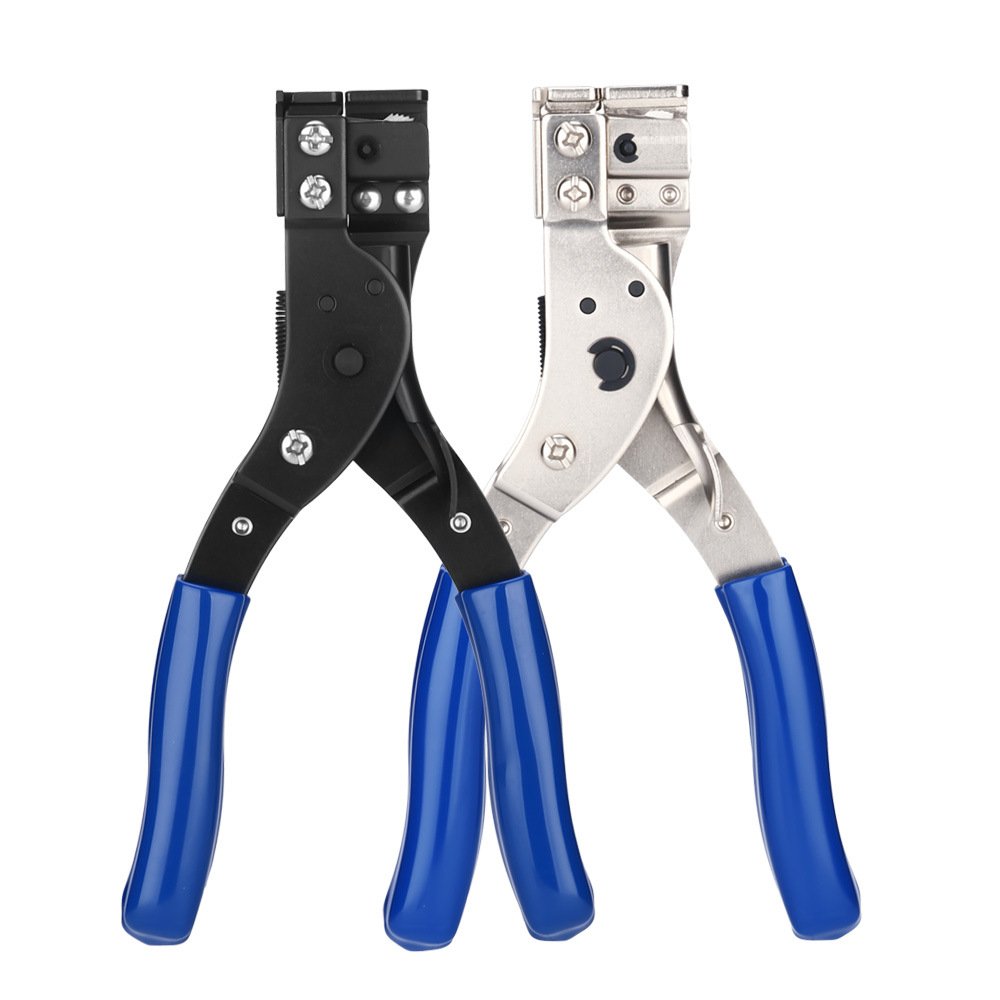
Safety Cutters: Always use shrouded, hook-blade cuff cutters that slip underneath the band with a blunt, rounded guide to shield the subject’s wrist.
Controlled Severing: Cut across the outer spine of the band perpendicular to the wrist rather than trying to pry open the locking head.
Operational Readiness: Every officer or operator carrying single-use handcuffs must carry a matched removal tool on their gear harness.
Understanding how to safely remove cable tie handcuffs prevents peripheral nerve compression and eliminates medical liabilities during custody transfers.
Frequently Asked Questions
Why do police use flex cuffs instead of metal handcuffs?
In high-capacity operations, mass arrests, and tactical raids, officers cannot carry dozens of pairs of traditional steel handcuffs due to weight and bulk. We see law enforcement turn to police zip ties because they are extremely lightweight, compact, and quick to apply. Disposable cuffs also eliminate cross-contamination risks from bloodborne pathogens and remove the logistical headache of tracking down and sterilizing metal gear after processing detainees.
How easy is it to break out of flex cuffs vs zip ties?
Breaking out of standard utility cable ties is relatively simple through blunt-force impact, friction shimming, or leverage. They only offer around 50 pounds of tensile strength. In contrast, tactical flex-cuff restraints withstand 300 to 400 pounds of direct force and feature reinforced, dual-locking pawls that prevent slip-through.
A major factor is material composition; understanding what are zip ties made of makes it clear why industrial fasteners fail under stress while tactical restraints utilize high-grade, impact-modified nylon 6/6 engineered specifically to resist stretching, temperature brittleness, and shearing.
Are flex cuffs reusable or strictly disposable?
Operational flex cuffs are strictly single-use handcuffs. Once the heavy-duty locking block engages, the strap cannot be released without specialized cuff cutters. Reusing tactical restraints compromises material integrity, weakens the internal locking teeth, and poses significant legal liabilities during detentions. While inert, reusable versions exist exclusively for training drills, active field restraints must always be cut off and disposed of after a single deployment.
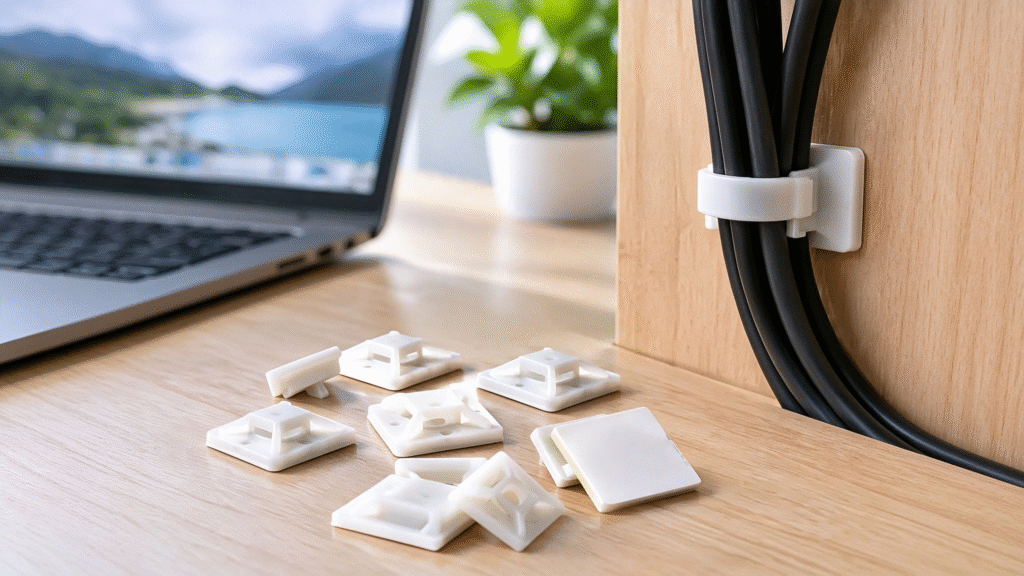
Struggling with messy cords but don’t want to drill holes into your walls, desks, or equipment? You’re not alone. If you’re wondering what are adhesive zip tie mounts and whether they can truly handle heavy wire bundles, you’re in the right place. These peel-and-stick anchors are the ultimate drill-free solution for clean, long-lasting cable management—whether […]
Introduction to Zip Ties What is a Zip Tie? A zip tie—also universally known as a cable tie, tie wrap, or hose tie—is a robust, one-piece fastener designed to securely bundle cables, wires, and hoses. Operating on a simple yet highly effective ratcheting mechanism, the strap features a series of integrated triangular teeth that engage […]
What Are Stainless Steel Zip Ties? Overview and Primary Functions Stainless steel zip ties—also known as metal cable ties—are high-strength, heavy-duty fasteners engineered to secure cables, wires, pipes, and hoses in severe operational environments. When standard plastic ties melt, crack, or degrade, these industrial-grade metal fasteners maintain structural integrity and steady tension. At WANDU, we […]
We use cookies to enhance your browsing experience, serve personalised ads or content, and analyse our traffic. By clicking "Accept All", you consent to our use of cookies.
Looking For High Quality Nylon Cable Ties At A Great Price?
Order now to experience cost-effective cable tie products that provide convenience and protection for your work and life.


 EN
EN  AR
AR  ES
ES  PT
PT  FR
FR  RU
RU  DE
DE  KO
KO  JA
JA  IT
IT  NL
NL