



What Are Standard Nylon Cable Ties?
Definition and Key Functions
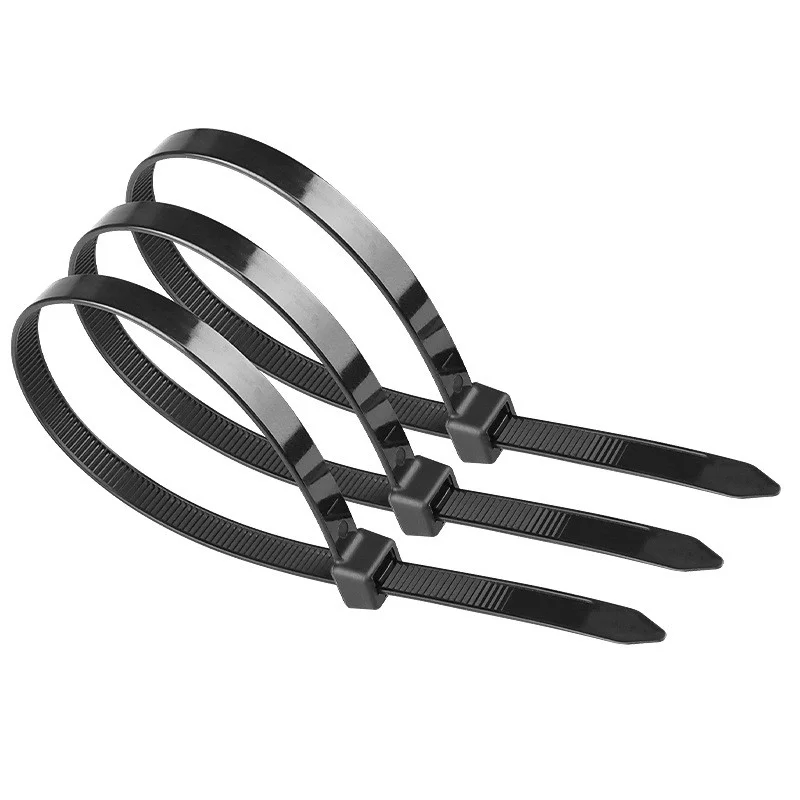
Standard nylon cable ties, colloquially known as standard zip ties, are essential fasteners designed to bundle, secure, and organize cables, wires, and hoses. Featuring a sturdy one-piece construction with a built-in locking mechanism, a standard cable tie works by threading its serrated tail through a ratcheted head. Once engaged, the integrated pawl locks the tie permanently in place, preventing backward slippage. These fasteners provide exceptional tensile strength and reliable clamping force across global industrial, electrical, and commercial supply chains.
History and Invention of Zip Ties
The cable tie standard we rely on today originated in 1958 under the brand name Ty-Rap, initially invented by Maurus C. Logan at Thomas & Betts. Designed to solve the tedious and physically demanding task of tying aircraft wire harnesses by hand using waxed nylon cord, the first iterations featured a plastic body with a metal locking tooth. Over the decades, manufacturing innovations transitioned the industry toward the highly efficient, all-plastic nylon cable tie plastic design used worldwide today.
Common Materials and Chemical Resistance (Nylon PA6.6)
High-quality standard nylon cable ties are molded from premium Nylon PA6.6 (Polyamide 6.6). This engineering polymer is selected globally for its superior mechanical properties, electrical insulation, and robust wear resistance.
- Chemical Stability: Nylon PA6.6 provides outstanding resistance to lubricants, oils, hydraulic fluids, grease, and most common chemicals.
- Environmental Resilience: It features excellent dimensional stability; however, it is naturally hygroscopic, meaning it absorbs moisture to maintain its optimal balance of flexibility and strength.
- Material Upgrades: While natural nylon is ideal for indoor use, black plastic cable ties incorporate a specialized carbon black additive to create uv rated cable ties capable of enduring prolonged outdoor solar exposure without degrading.
Key Specifications and Properties
When picking the right standard cable ties for your project, you need to look at the hard data. Choosing the wrong spec can lead to snapped ties, melting plastic, or brittle failures down the line. We engineer our ties to meet strict performance metrics so your bundles stay secure.
Tensile Strength and Load Capacity
Tensile strength is the maximum amount of weight a standard zip tie can hold before breaking. Matching the loop tensile strength to your bundle weight ensures long-term reliability.
| Tie Classification | Average Tensile Strength | Common Applications |
|---|---|---|
| Miniature | 18 lbs (8 kg) | Light electronics, small wire harnesses |
| Intermediate | 40 lbs (18 kg) | General home and office cord organization |
| Standard | 50 lbs (22 kg) | Commercial electrical wiring, industrial bundling |
| Heavy-Duty | 120 lbs (54 kg) | Construction, automotive routing, heavy cables |
| Extra Heavy-Duty | 175 lbs+ (79 kg+) | Infrastructure, rigging, extreme industrial use |
Size and Width Classification Ranges
Standard zip tie dimensions vary widely to accommodate different bundle diameters. The length determines how much material you can wrap around, while the standard zip tie width directly correlates to its overall strength.
- Miniature & Intermediate: Lengths typically run from 4 inches (100 mm) to 6 inches (150 mm), with narrow widths around 2.5 mm to 3.6 mm.
- Standard Cable Tie Size: The most popular go-to option. These usually feature standard zip tie lengths of 8 inches (200 mm), 11 inches (300 mm), or 14 inches (370 mm), with a uniform width of approximately 4.8 mm.
- Heavy-Duty Ranges: Lengths can extend from 15 inches up to 48 inches, with robust widths ranging from 7.6 mm to 12.7 mm to handle large-diameter industrial conduits.
Temperature Resistance and Fire Safety Standards
Operating environments dictate how well nylon holds its structural integrity. Standard nylon cable ties perform exceptionally well under typical conditions, but extreme heat requires careful planning.
Our standard ties feature a continuous working temperature range of -40°F to 185°F (-40°C to 85°C). They carry a UL 94V-2 flammability rating, meaning they are self-extinguishing within a specific timeframe when exposed to an open flame. If your application demands higher thermal thresholds, it is critical to evaluate how specific materials behave under stress. For a deeper dive into these thermal boundaries, check out our guide on understanding heat resistance and cable tie melting points.
Color Options and UV Protection
Color selection isn’t just about aesthetics; it directly impacts how well a tie survives environmental exposure.
- Natural (Clear/White): Best suited for indoor use. These ties lack UV stabilizers and will degrade, turn brittle, and crack if left under the sun for extended periods.
- Black Plastic Cable Ties: Formulated with Carbon Black additives. These uv rated cable ties resist ultraviolet radiation, making them the industry standard for outdoor installations, solar arrays, and telecom routing.
- Cable Tie Colours (Red, Blue, Green, Yellow): Essential for phase identification, color-coding networks, and safety labeling. For specific industry applications like pharmaceutical manufacturing or food processing where high visibility is mandatory, specialized options like blue cable ties offer the exact visual contrast and safety compliance required for strict quality control.
Main Types and Varieties of Nylon Ties
Not all zip ties are built the same. Depending on your project requirements, choosing the right style saves time, reduces waste, and ensures a secure hold. We manufacture a versatile range of standard nylon cable ties to fit every specific application.
Standard One-Time Use Cable Ties
These are the classic, everyday standard plastic cable ties used across the globe. Built with a one-way locking mechanism, they provide a permanent, tamper-evident hold that must be cut to be removed. Made from high-quality Nylon PA6.6, these standard zip ties deliver high tensile strength for reliable bundling in everyday electrical wiring, packaging, and general organization.
Reusable and Releasable Cable Ties
If you need a temporary hold or frequently modify your wiring setups, releasable cable ties are the ideal solution. These releasable wire ties feature a built-in trigger or lever mechanism in the locking head, allowing you to easily unlock and adjust the tie without cutting it. They are perfect for prototyping, temporary staging, or evolving AV installations. For a comprehensive look at choosing the right tie for your project, check out our nylon cable ties multifunctional uses and selection guide.
Mountable and Identification Ties
When organization requires extra functionality, specialized nylon ties get the job done efficiently:
- Mountable Ties: Feature an integrated screw hole in the head, allowing you to secure the bundle directly to a wall, chassis, or panel.
- Identification Ties: Come with a built-in blank flag or tab near the locking head. This allows you to label and color-code complex wire bundles directly on the tie itself, simplifying long-term maintenance and troubleshooting.
Common Applications and Use Cases
Standard cable ties are the ultimate go-to solution for securing, organizing, and bundling items across various environments. Their versatility makes them indispensable for both everyday tasks and highly demanding industrial projects.
Electrical Installations and Wiring
In electrical engineering and construction, standard nylon cable ties are critical for maintaining safety and order. Electricians rely on these ties to bundle loose wires inside control panels, junction boxes, and cable trays. Proper bundling prevents wire chafing, reduces the risk of short circuits, and simplifies future maintenance. For complex setups, using colour cable ties helps technicians color-code different circuits for rapid troubleshooting. When dealing with temporary wiring or systems that require frequent updates, releasable wire ties offer an efficient, reusable alternative without sacrificing hold strength.
Home and Office Cable Management
Messy cords behind desks and entertainment centers are both an eyesore and a tripping hazard. Standard zip ties keep computer cables, power strips, and HDMI cords neatly bound together. For residential and office spaces, black plastic cable ties blend seamlessly with modern electronics to create a clean, minimalist look. Homeowners also use them for quick DIY fixes, such as securing holiday lights, organizing garage tools, and bundling garden hoses.
Industrial and Heavy-Duty Applications
In heavy industries like automotive, manufacturing, and logistics, equipment is constantly exposed to vibration and harsh conditions. Standard cable tie sizes are used to secure hoses, fluid lines, and heavy conduit to machinery frames. For outdoor industrial infrastructure, utilizing uv rated tie wraps ensures that the bundles remain secure under constant sunlight without becoming brittle or snapping. When plastic ties cannot meet extreme environmental demands, shifting to heavy-duty alternatives like stainless steel cable ties provides the necessary mechanical strength and corrosion resistance required for long-term reliability.
How to Properly Use and Install Cable Ties
Correct Installation Steps
Using standard nylon cable ties effectively requires more than just pulling the tail through the locking head. Follow these four basic steps to ensure a secure hold every time:
- Gather and Bundle: Align your cables or items neatly. Make sure there are no severe twists or kinks in the wires before applying the tie.
- Thread the Tail: Insert the tapered tip of the standard zip tie into the locking head. Ensure the ribbed side faces inward toward the bundle so the locking mechanism can catch the teeth properly.
- Pull to Tighten: Pull the tail firmly until the loop snugly fits around the bundle. For high-volume projects, a dedicated cable tie tensioning tool is recommended to achieve consistent tightness without damaging the jacket.
- Flush Cut: Use a flush-cutter tool or snips to cut off the excess tail. Leaving jagged tails is a safety hazard that can easily cut hands during future maintenance.
Best Practices for Electrical Safety
Safety is paramount when managing electrical wiring. Following these industry best practices protects both the technician and the infrastructure:
- Avoid Over-Tensioning: Cranking a standard cable tie too tight can crimp or cut into wire insulation, causing short circuits or signal degradation in data lines.
- Maintain Proper Spacing: Space ties evenly—typically every 8 to 12 inches—to distribute the weight of the bundle and prevent sagging.
- Follow Environmental Limits: Standard zip ties are ideal for indoor use, but if your wiring is exposed to elements, you must learn how to use nylon cable ties properly by selecting UV-stabilized versions or matching the tie to the specific temperature rating of the environment.
Common Mistakes to Avoid
Even a simple standard cable tie size can fail if applied incorrectly. Avoid these common installation blunders to ensure long-lasting performance:
| Mistake | Consequence | Correct Action |
|---|---|---|
| Using regular scissors to cut tails | Leaves sharp, angled edges that cause injuries. | Use a flush-cut tool to trim the tail completely smooth against the head. |
| Backward threading | The tie slips open immediately under any load. | Ensure the smooth side is on the outside and the ridges lock into the pawl. |
| Mixing indoor ties with outdoor environments | Rapid degradation, cracking, and snapping under sunlight. | Use black plastic cable ties specifically rated for UV protection outdoors. |
| Reusing standard one-time ties | Damaged locking teeth reduce tensile strength drastically. | Use dedicated releasable wire ties if your setup requires frequent adjustments. |
Frequently Asked Questions
Are Standard Nylon Cable Ties Suitable for Outdoor Use?
Standard nylon cable ties made from regular Nylon PA6.6 are not ideal for long-term outdoor use. Natural or clear plastic cable ties degrade quickly when exposed to continuous sunlight because ultraviolet (UV) rays break down the polymer chains, making them brittle and prone to snapping.
For outdoor applications, you need uv rated zip ties. These are typically black plastic cable ties formulated with carbon black stabilizers. The carbon black absorbs the harmful radiation, extending the lifespan of the tie in outdoor environments for years. If you are questioning what are cable ties used for in heavy weathering scenarios, always opt for UV-stabilized or stainless steel options over standard nylon cable ties.
How Are Cable Ties Packaged and Supplied in Bulk?
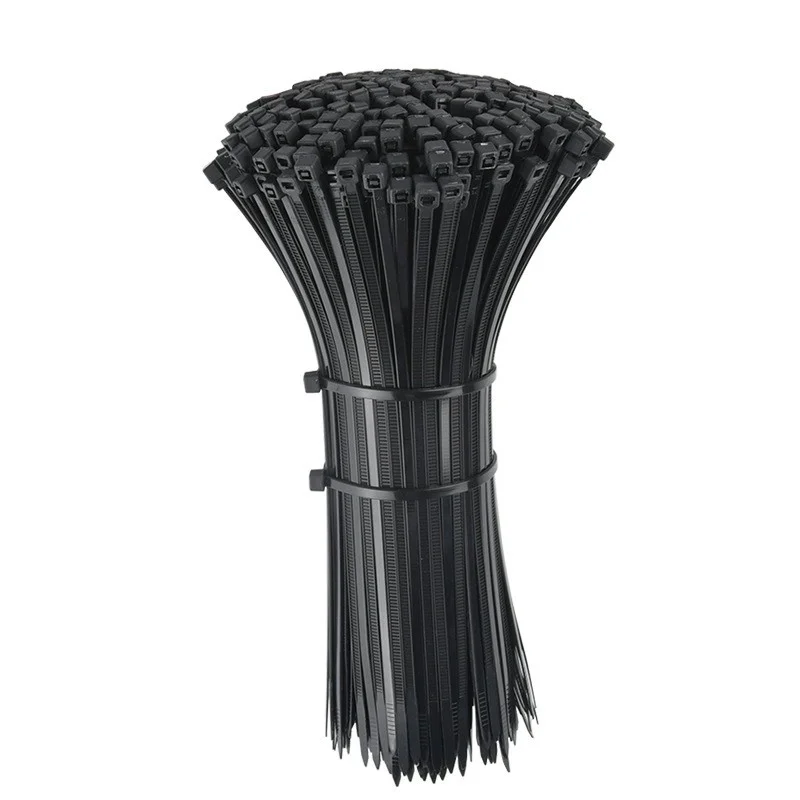
We package our standard zip ties to maintain optimal moisture levels, which keeps the nylon flexible and strong. In bulk supply chains, ties are distributed in sealed polyethylene bags to prevent them from drying out before installation.
- Standard Pack Sizes: Available in packs of 100, 500, or 1,000 pieces for standard cable tie sizes.
- Bulk Master Cartons: Industrial orders are packed in master cartons containing 10,000 to 50,000 ties depending on the standard zip tie dimensions.
- Storage Requirement: Keep bulk bags sealed until right before use to maintain the material’s structural integrity.
What Are the Best Alternatives to Plastic Zip Ties?
When a standard cable tie doesn’t fit the specific demands of your project, several reliable alternative fastening systems can do the job:
| Alternative Tie Type | Best Used For | Key Advantage |
|---|---|---|
| Stainless Steel Ties | Heavy industrial, high-heat, and harsh chemical zones | Ultimate durability and fire resistance |
| Hook and Loop (Velcro) | High-end data centers and temporary studio wiring | Prevent over-tightening; infinitely reusable |
| Releasable Cable Ties | Temporary staging, prototyping, and evolving bundles | Quick trigger release saves material waste |
While standard zip tie lengths handle everyday binding, upgrading to specialty materials or releasable wire ties protects sensitive cables from over-compression and slashes long-term replacement costs.
 EN
EN  AR
AR  ES
ES  PT
PT  FR
FR  RU
RU  DE
DE  KO
KO  JA
JA  IT
IT  NL
NL