Zip tie vs cable tie is a naming question, not a product question: both words describe the same self-locking nylon strap, and the difference is regional usage rather than design. The confusion matters commercially, because buyers search both terms, catalogues list one and not the other, and a quotation written in one vocabulary can read like a different product to the person receiving it. This tag holds the guide that settles the terminology and the distinctions that do exist, which are releasable versus self-locking, nylon versus stainless, and one-piece versus two-piece construction.
What the guide here answers
What's the difference between cable ties and zip ties traces both names to the same origin and then separates the genuine variants that get folded into the argument: the releasable tie, the stainless steel tie, the marker tie and the hook and loop strap. It also explains why a specification that names only one term leaves the supplier free to quote whichever construction is cheapest.
Why the two names exist
The device was introduced as a cable tie, because the job it was sold for was bundling cable. The shortened name came later, from the sound and action of closing one, and it travelled faster than the product's own literature, so the same item acquired two names in different markets. Nothing in the moulding changed. What did change is that the shorter name now dominates consumer search, while industrial procurement and standards documentation still use the longer one.
The distinctions that actually exist
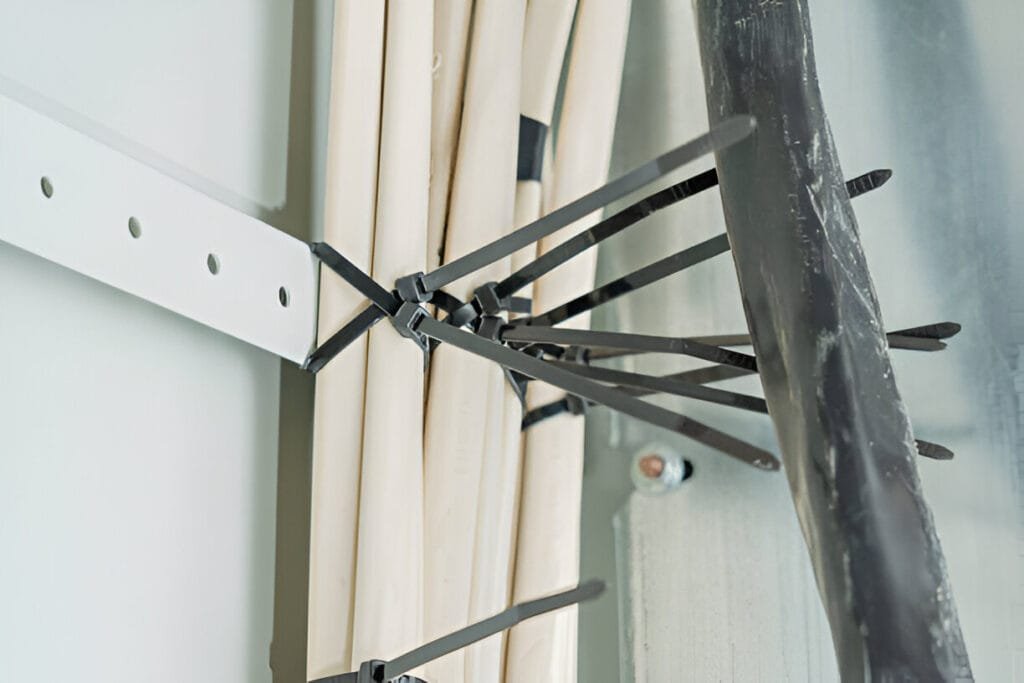
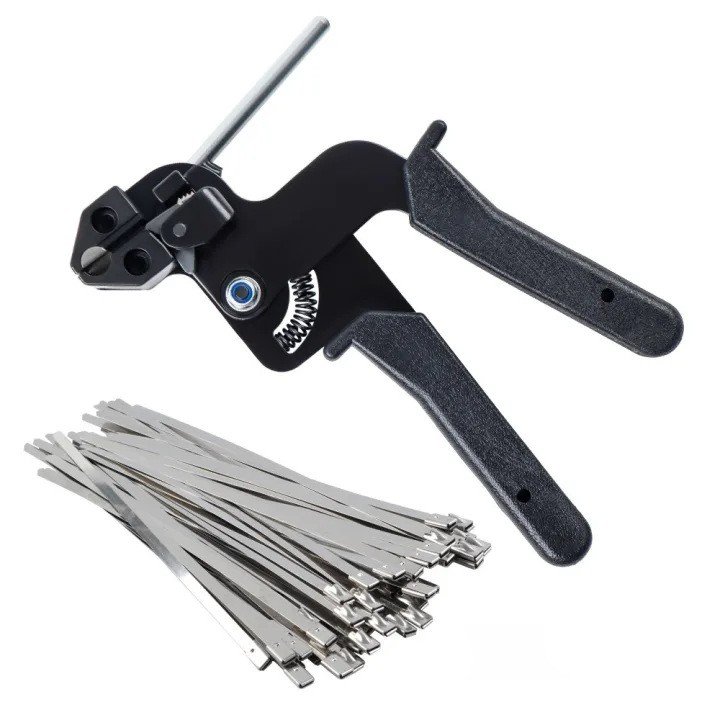
A self-locking tie cannot be reopened; a releasable tie carries a small tab that lifts the pawl and can be used again. A nylon tie is the moulded plastic item; a stainless steel tie is a metal strap with a ball-lock head, chosen for heat, chemical exposure or load. A one-piece tie is moulded in a single shot; a two-piece or marker tie has a separate flag for a label.
Specification reference
Which construction is which, and what each one is rated for, is set out on the plastic cable ties category page, where the self-locking, releasable and marker versions are listed as separate products rather than as synonyms.
Is a zip tie the same as a cable tie?
Yes, in ordinary use the two names describe the same self-locking nylon strap. The only reason to distinguish them is that "cable tie" is the term that appears in specifications and standards, so it is the safer word on a purchase order.
Which name should a product listing use?
Both, in different places: the longer term in the technical description and the shorter one in the buying-intent copy, because customers search one and engineers specify the other.
Are all zip ties nylon?
No. Nylon 6/6 is the common material for moulded ties, but ties are also made in polypropylene for chemical resistance and in stainless steel for heat and load, and those are sold under the same two names.

 EN
 AR
 ES
 PT
 FR
 RU
 DE
 KO
 JA
 IT
 NL
 TR