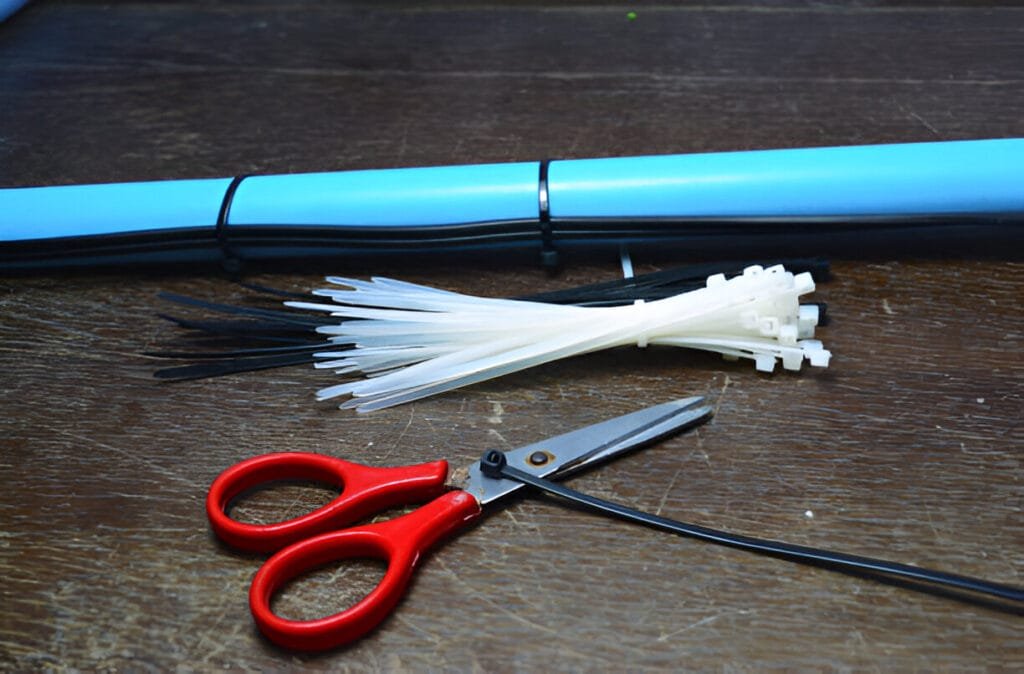
Cable ties uses run far past bundling cable, and the reason is that the tie is a one-handed, tool-free, permanent loop of adjustable diameter, which is a shape a lot of jobs need. The catch is that most of the unconventional uses work only with the right width and length, and a few of them fail outright on a standard tie. This tag gathers the five guides on the site that cover uses rather than installation: household tricks, colour coding, construction site practice, and the buying questions that come up once a use has been settled on.
What the guides here answer
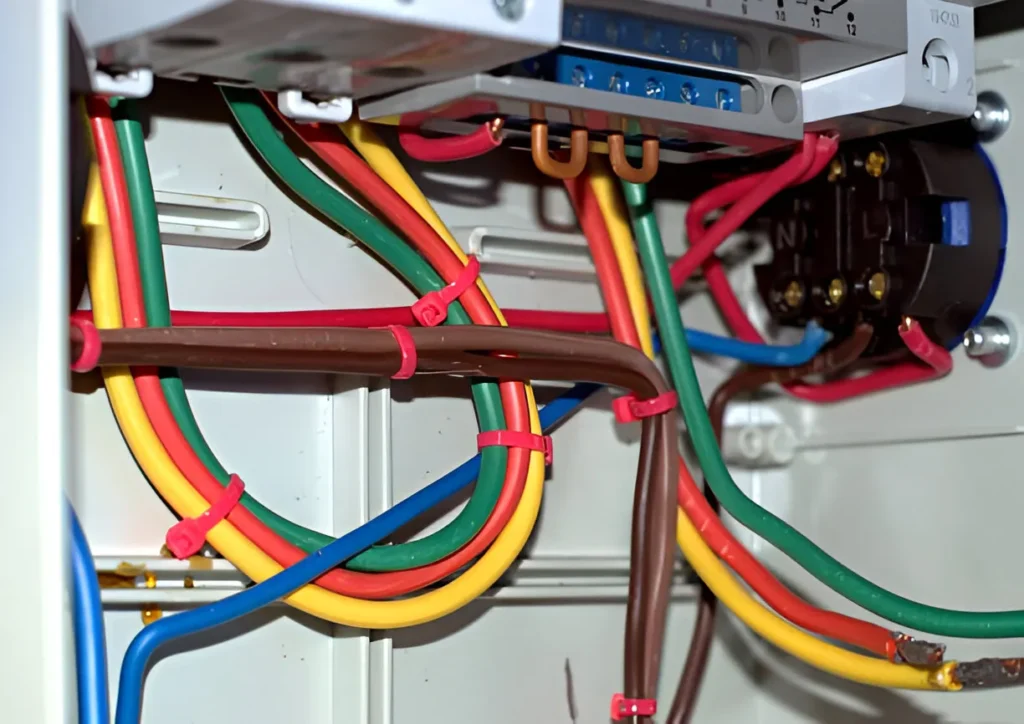
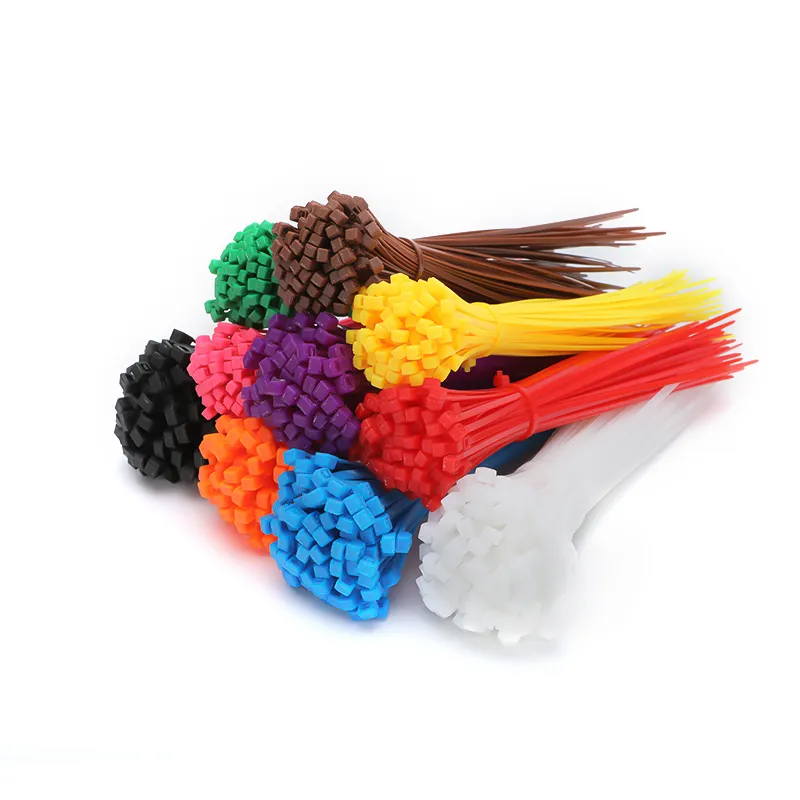
13 clever zip tie uses for every household is the domestic set: cable management, plant support, travel packing, temporary repairs. Uses for coloured cable ties covers coding, where the colour carries information rather than decoration. Zip tie uses in the construction industry is the site-based set, where ties hold mesh, duct and formwork and are then cut off. 5 common cable tie tips and how to choose a nylon cable tie manufacturer cover technique and sourcing.
Uses that need a specific tie
Anything outdoors needs UV-stabilised black nylon or stainless steel, because natural nylon becomes brittle in sunlight within a season. Anything holding real weight needs width rather than length, and the tie is loaded in a way it was not designed for, so the joint is the risk rather than the strap. Anything that has to come off again needs a releasable head. Uses involving heat, oil or chemicals need a material check before the tie goes on, not after it fails.
Uses that quietly fail
A tie used as a hook, where the load hangs on the head and works the pawl loose. A tie used to support a plant stem in wind, where the narrow band cuts into the stem. A tie used around anything that moves, because the strap saws against its own head and cuts through itself. And a tie used as a temporary electrical fixing, where the material is not rated for the environment and the "temporary" installation becomes permanent.
Specification reference
Which width and material suits a given job is set out on the plastic cable ties category page, where the standard, UV-stabilised, coloured and low-profile families are listed separately.
What are cable ties most commonly used for?
Bundling and routing cable, which is what they were designed for. Everything else, from plant support to temporary repairs, is an extension of the same loop.
Which cable ties are best for outdoor use?
Black UV-stabilised nylon for general outdoor work, stainless steel where the exposure is hot, chemical or long-term. Natural nylon should not be left outside.
Can cable ties hold heavy loads?
Only within their rated loop tensile and only in line with the strap. A tie loaded across its head or used as a hook loses most of its margin, whatever the rating says.



 EN
 AR
 ES
 PT
 FR
 RU
 DE
 KO
 JA
 IT
 NL
 TR