Modern law enforcement agencies rely heavily on specialized plastic zip tie handcuffs—commonly known in the security industry as flex-cuffs—as a crucial alternative to conventional metal restraints. Designed specifically for tactical efficiency and rapid deployment, these high-tensile nylon restraints provide essential operational advantages over traditional steel equipment.
How Plastic Zip Ties Differ from Standard Metal Handcuffs
While standard metal handcuffs rely on ratcheting steel mechanisms and key locks, plastic zip tie handcuffs are purpose-built polymer restraints engineered for lightweight flexibility, rapid action, and single-use security.
Feature
Metal Handcuffs
Plastic Cable Tie Handcuffs
Material Construction
Heavy forged steel or aluminum alloy
High-tensile, heavy-duty nylon polymer
Weight & Capacity
Heavy; officers carry 1 to 2 pairs max
Ultra-lightweight; officers can carry dozens easily
Locking Mechanism
Keyed tumbler lock with double-lock pin
Non-reversible ratchet pawl or pull-ring lock
Reusability
Reusable for thousands of cycles
Single-use disposable restraint (cut to remove)
Primary Deployment
Routine patrol arrests and inmate transport
Mass arrests, crowd control, and tactical ops
History and Design Evolution of Plastic Restraints
Police cable tie handcuffs evolved directly from industrial wiring accessories and heavy-duty cable management ties. First adapted by law enforcement in the late 1960s, early flex-cuffs were modified industrial cable ties designed to handle situations requiring immediate, temporary restraint.
Over the decades, manufacturing advancements transformed basic cable ties as handcuffs into specialized, high-security law enforcement tools:
Transition to Double-Cuff Formats: Early single-loop ties placed uneven pressure on wrists. Modern plastic zip tie handcuffs utilize dual independent channels, securing each wrist separately to improve officer safety and suspect control.
Optimized High-Tensile Nylon: Advanced polymer formulations resist extreme cold, heat, chemical exposure, and tensile loads exceeding 300 lbs.
Safety Edge Processing: Current police zip tie handcuffs feature smooth, rounded edges to eliminate sharp plastic burs, drastically reducing the risk of skin lacerations or nerve compression.
Anti-Tamper Locking Blocks: Integrated lock housings prevent picking, shimming, or structural slippage during aggressive resistance.
Key Reasons Why Police Use Zip Ties Instead of Handcuffs
When people ask me why police use zip ties instead of handcuffs, the answer comes down to practical field efficiency. Traditional steel cuffs are reliable, but they present clear physical limits during high-volume or fast-moving tactical operations.
Lightweight Portability and Convenience for Officers
Standard metal handcuffs are heavy and bulky. A single pair adds substantial weight to an officer’s duty belt, meaning most officers can realistically carry only one or two sets at a time.
Weight reduction: A set of cable tie handcuffs weighs a fraction of an ounce, letting officers carry a dozen restraints without extra fatigue.
Compact storage: Officers easily pack multiple flex-cuffs into cargo pockets, tactical vests, or glove compartments.
Bulk readiness: Having multiple restraints on hand ensures officers never run out of options during active patrol shifts.
Rapid Application Speed in Tactical Situations
In high-stress tactical scenarios, speed is everything. Securing a suspect quickly keeps both the officer and the public safe.
Keyless operation:Zip ties handcuffs slip on and cinch tight instantly without needing key alignment.
Simultaneous securing: Double-loop designs allow officers to control both wrists independently within seconds.
High control under pressure: Officers do not need to fumble with lock holes or double-locking mechanisms when dealing with non-compliant individuals.
Cost-Effectiveness and Disposable Convenience
Metal handcuffs represent a noticeable investment, and losing them during chaotic operations drains department budgets. Switching to single-use plastic restraints saves money while maintaining high security.
When assessing equipment budgets, administrators often examine how to evaluate the durability and cost-effectiveness of nylon cable ties to maximize operational resources. Police cable tie handcuffs deliver high tensile strength at a small fraction of the cost of metal gear, making them ideal single-use tools.
Hygiene Safety and Reduced Risk of Cross-Contamination
Law enforcement officers frequently encounter situations involving blood, bodily fluids, and unknown biohazards. Properly sanitizing metal handcuffs between every single use is time-consuming and often impractical in the field.
Using single-use plastic handcuff zip ties eliminates cross-contamination risks entirely. Once a suspect is transferred or processed, officers simply cut off the tie wrap handcuffs with specialized snips and discard them. This protects patrol staff from health risks without sacrificing restraint security.
Types of Police Zip Tie Restraints
Standard hardware ties aren’t built for law enforcement operations. At WANDU, we design purpose-built police zip tie handcuffs that offer high security, humaneness, and extreme durability under physical pressure.
Double-Cuff Zip Ties for Secure Restraint
Unlike basic single-loop cable ties, professional double-cuff restraints feature two interconnected loops that isolate each wrist independently.
Independent Isolation: Prevents the suspect from sliding their hands together or gaining leverage.
Pre-threaded Convenience: Enables officers to slip the cuffs onto wrists instantly in high-stress situations.
Controlled Application: A smooth pull action ensures precise tightening without sudden over-cinching.
Heavy-Duty High-Tensile Nylon Restraints
Standard plastic straps easily snap under pressure. Law enforcement flex-cuffs require superior material integrity to hold resistant subjects safely.
High-Grade Nylon 66 Construction: Engineered to withstand severe tensile pull forces without stretching or snapping.
All-Weather Field Reliability: Formulated to resist extreme temperatures, UV exposure, and moisture during tactical operations.
For law enforcement demands, choosing durable nylon cable ties ensures consistent restraint performance in demanding physical environments.
Advanced Locking Mechanisms and Security Features
Security is paramount when deploying plastic restraints. Modern zip-tie handcuffs incorporate reinforced locking heads to defeat tampering and shimming attempts.
Security Feature
Tactical Advantage
Recessed Metal Pawls
Prevents shimming with thin metal strips or improvised tools.
Deep Tooth Profiles
Aggressive ratchets lock firmly into place under heavy load.
Ensures the restraint cannot be reversed and must be cut off with specialized tools.
Beveled Edges
Prevents sharp plastic edges from causing lacerations to the suspect’s wrists.
Primary Scenarios When Police Deploy Zip Ties
I often get asked why law enforcement officers reach for flexible plastic restraints during specific field operations. While standard metal cuffs remain the everyday norm for routine patrol, police zip tie handcuffs become indispensable when scale, speed, and operational mobility dictate success.
Mass Arrests and Crowd Control Operations
During large-scale protests, civil unrest, or major public event security, officers often need to detain multiple individuals simultaneously. Traditional metal handcuffs are heavy and limited to one or two pairs per officer. Carrying bundles of plastic zip tie handcuffs allows officers to secure dozens of individuals efficiently without running out of gear.
High Capacity: Officers can comfortably carry dozens of flex-cuffs on utility belts or tactical vests.
Rapid Processing: Enables swift detainment and transport during high-volume crowd management operations.
Tactical Operations and Special Response Deployment
In high-stakes environments—such as SWAT raids, building clearances, or dynamic entry operations—lightweight equipment is critical. Specialized units rely heavily on cable tie handcuffs because they offer maximum security without adding weight or bulk to heavy tactical gear.
Silent Movement: Eliminates the metallic clinking noise of standard metal cuffs during stealth movements.
Instant Deployment: Restraints can be pre-threaded for immediate application in dynamic, fast-moving scenarios.
When outfitting tactical teams with dependable gear, choosing high-performance solutions like heavy-duty nylon cable ties ensures maximum tensile strength under extreme tension.
Emergency Restraint and Temporary Detention
When unexpected emergencies arise, fast action is vital. Police deploy zip ties as dependable temporary restraints in field medical centers, triage areas, or disaster zones where metal handcuffs are unavailable or present safety risks.
Hygiene and Safety: Eliminates cross-contamination risks in medical or biohazard emergencies.
Efficient Transfer: Easily cut away using specialized shears during medical evaluation or custody transfer.
Safety Considerations and Risks of Using Flex-Cuffs
While police zip tie handcuffs offer speed and portability in high-volume situations, improper deployment can lead to severe injuries. Because plastic restraints lock continuously in one direction without automatic stop mechanisms, officers must handle them with strict precision.
Preventing Injury and Over-Tightening Risks
Unlike metal restraints with double-locking pawls, standard tie wrap handcuffs continue to tighten whenever force or tension is applied. Over-tightening creates serious medical risks for restrained individuals:
Nerve Damage: Excessive pressure quickly compresses the radial nerve, causing temporary or permanent numbness.
Circulatory Loss: Over-tight plastic cuffs act like tourniquets, restricting vital blood flow to the hands.
Lacerations: Using basic utility ties instead of dedicated plastic handcuff zip ties increases the risk of sharp plastic edges slicing into skin.
Officers should always maintain roughly a finger’s width of space between the band and the wrist during application.
Proper Cutting and Removal Techniques
Because cable ties as handcuffs cannot be unlocked with a standard key, field removal requires specific tools and techniques:
Avoid Pocket Knives: Never attempt to slice flex-cuffs using standard folding knives near a subject’s skin.
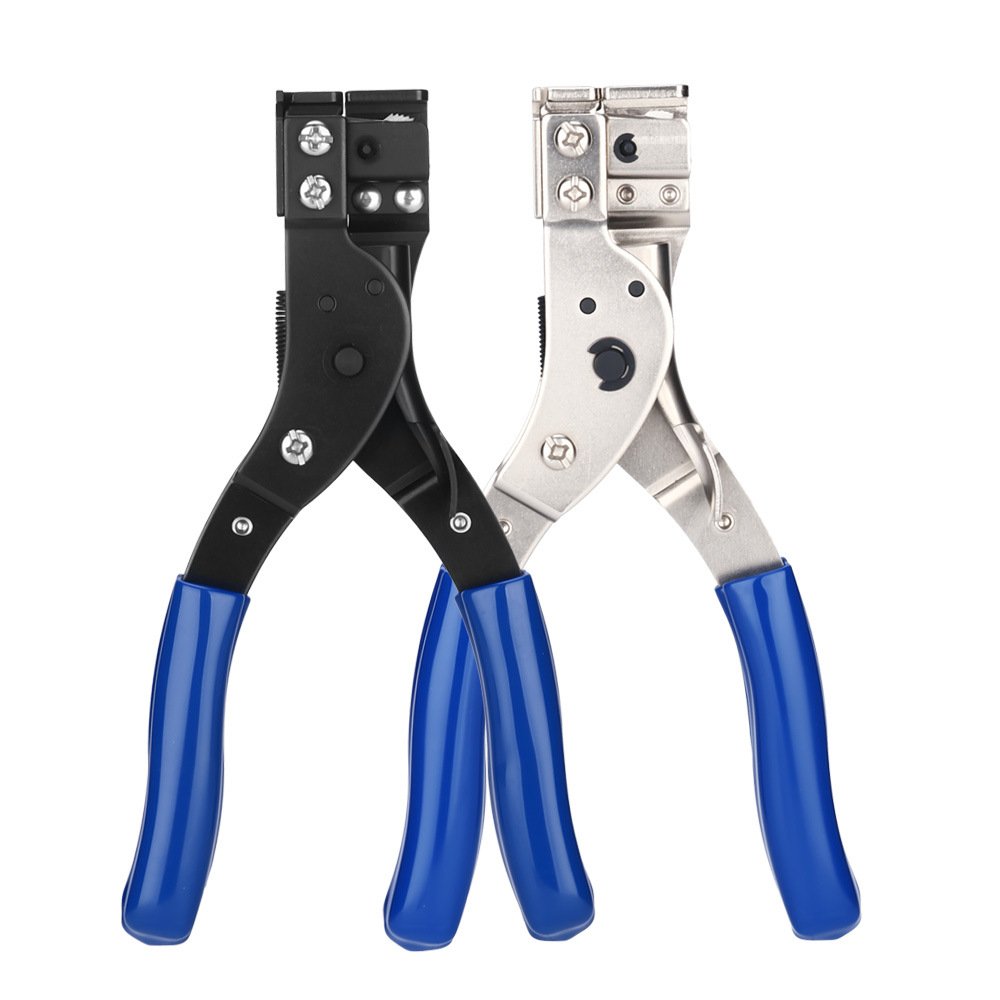
Use Dedicated Safety Cutters: Always use heavy-duty shears, side-cutting pliers, or specialized safety cutters designed to slide safely beneath the restraint band.
Secure the Wrist: Stabilize the subject’s hands before cutting to prevent sudden twisting or accidental lacerations.
At WANDU, we design high-tensile police cable tie handcuffs to maintain extreme hold strength while prioritizing humane physical restraint. To ensure safe deployment in tactical and mass-arrest scenarios, follow these key practices:
Correct Positioning: Restrain wrists back-to-back or palms facing outward to minimize the subject’s leverage and motion.
Routine Monitoring: Regularly inspect restrained individuals for signs of discoloration, cold skin, or swelling.
Use Tactical-Grade Gear: Rely strictly on specialized police zip tie handcuffs engineered with smooth, rounded edges rather than standard industrial zip ties.
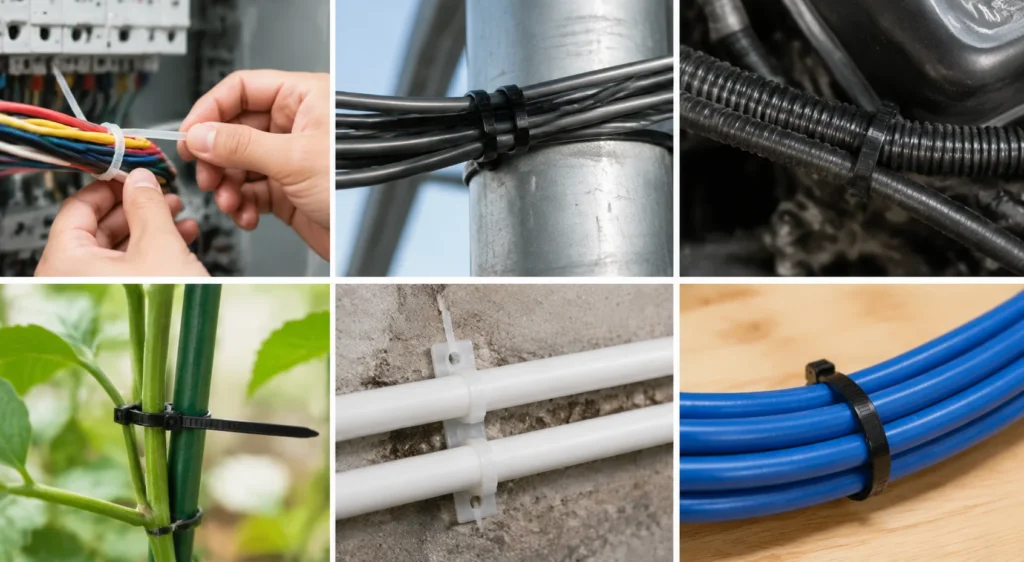
What is a Cable Tie? Understanding the Anatomy Whether you call them zip ties, wire ties, or hose fasteners, cable ties are the unsung heroes of modern organization. Used globally across automotive, industrial, and residential sectors, these simple fasteners provide incredibly secure binding with minimal effort. As a premier wiring accessories manufacturer and supplier, WANDU […]
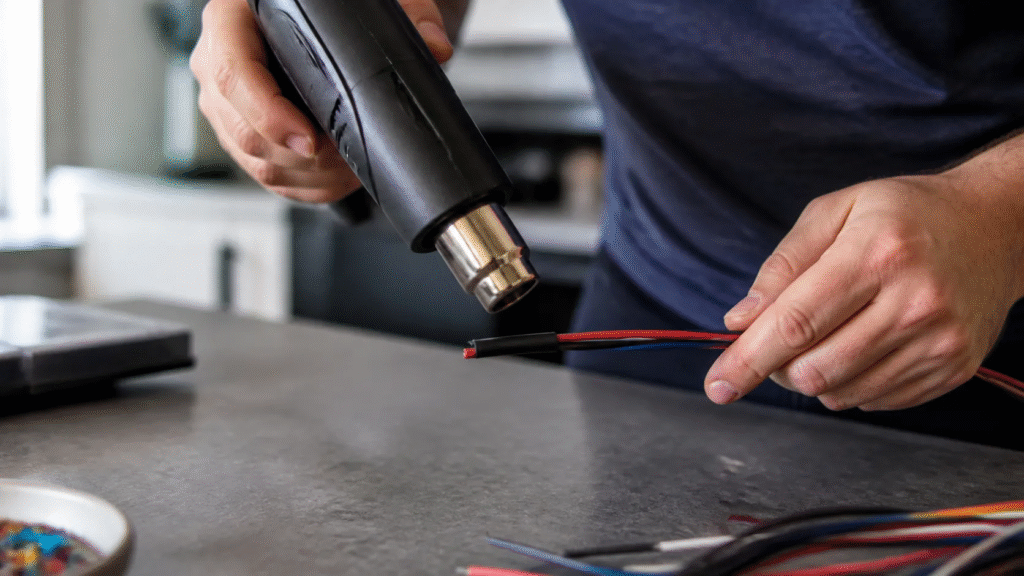
Understanding Heat Shrink Tube Heat shrink tube is an essential component in modern electrical, automotive, and DIY wiring applications. It provides tight, dependable protection against environmental elements, mechanical stress, and electrical hazards. What Is Heat Shrink Tube and How Does It Work? Heat shrink tubing is a specialized thermoplastic sleeve engineered to shrink radially when […]
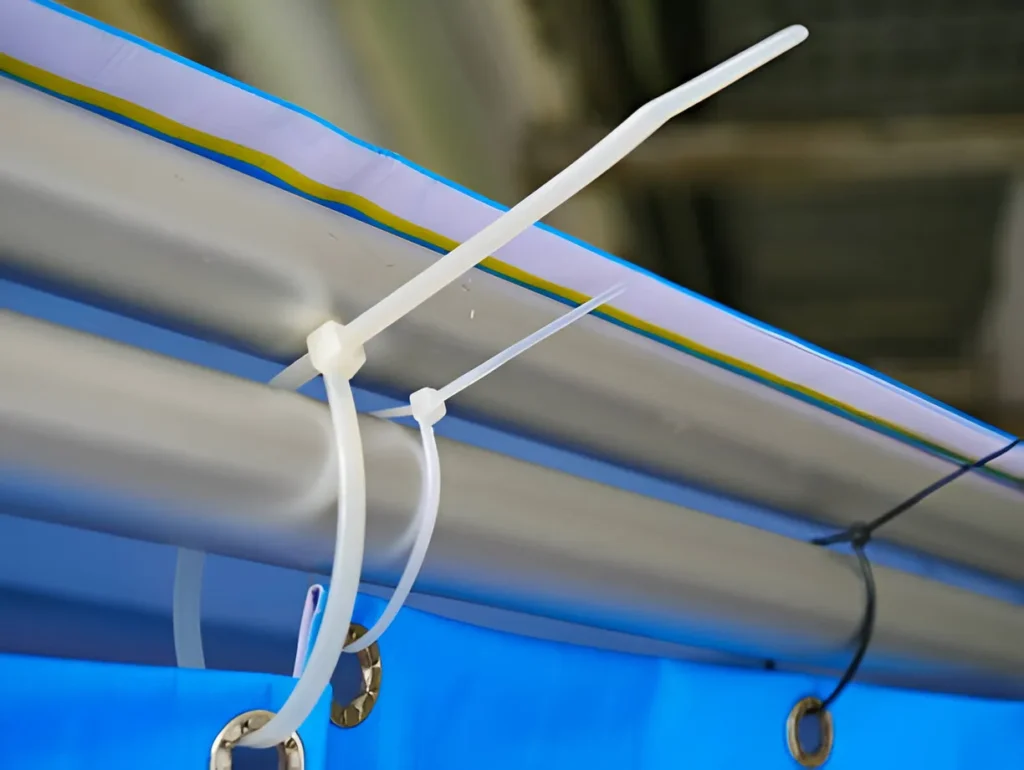
High quality zip ties are a type of tying tool widely used in various industries. Whether it is cable management for household appliances, fixing of industrial equipment, or material tying in construction projects, nylon cable ties are favored for their excellent durability and versatility. This article will introduce the characteristics, specifications, application scenarios and purchase […]
We use cookies to enhance your browsing experience, serve personalised ads or content, and analyse our traffic. By clicking "Accept All", you consent to our use of cookies.
Looking For High Quality Nylon Cable Ties At A Great Price?
Order now to experience cost-effective cable tie products that provide convenience and protection for your work and life.



 EN
EN  AR
AR  ES
ES  PT
PT  FR
FR  RU
RU  DE
DE  KO
KO  JA
JA  IT
IT