Tie Wire

Tie wire is not a metal cable tie with a different name. It is wire supplied in coils or on spools — annealed mild steel, galvanised, or stainless — that is wrapped around a bundle and twisted closed with a tool or by hand. There is no head and no pawl, so there is no fixed length: the same spool serves any diameter, which is why it survives in work where ties have to be cut to size on site. This page covers the material and the tooling; the metal tie family itself is on the metal tie wire reference.

When wire is the right answer and a tie is not

Wire wins where the bundle is hot, where the diameter is unknown until the job is in front of you, or where the fastening has to be continuous around an irregular shape. It also wins on cost per fastening at high volume, because a spool is cheaper per metre than moulded ties and there is no waste from picking the wrong length. It loses on speed, on consistency of tension, and on anything that has to be removed without a cutter.

Annealed, galvanised or stainless

Annealed wire is soft, twists easily by hand and is the general-purpose choice indoors. Galvanised wire carries a zinc coating for outdoor and damp work, and the coating is what fails first at a sharp bend. Stainless wire is specified where the environment would eat the other two: coastal air, wash-down, chemical exposure, or any assembly that has to stay put for a decade. In all three, the twist tail is the injury risk — it is bent back or capped rather than left standing.

Is tie wire the same as a metal cable tie?

No. A metal cable tie is a finished strap with a locking head in fixed lengths. Tie wire is continuous wire closed by twisting, with no head and no preset length.

What tool tightens tie wire?

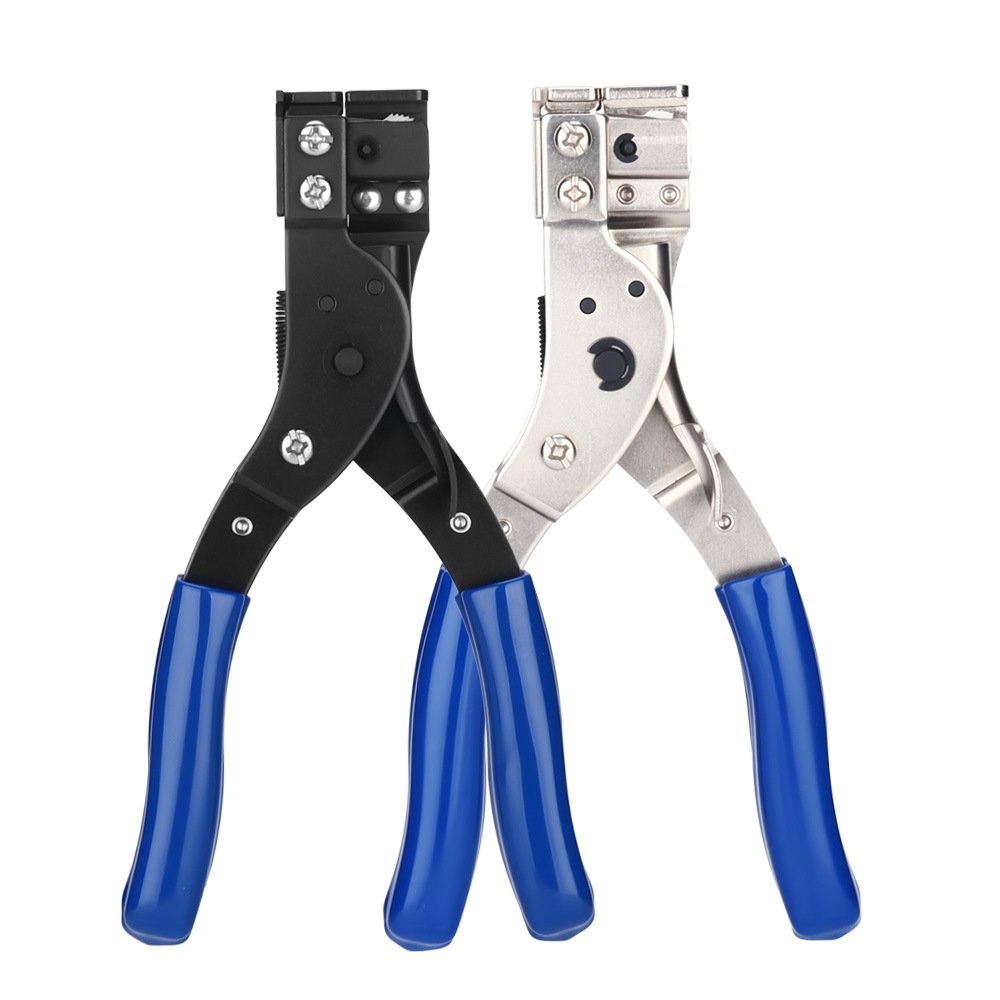
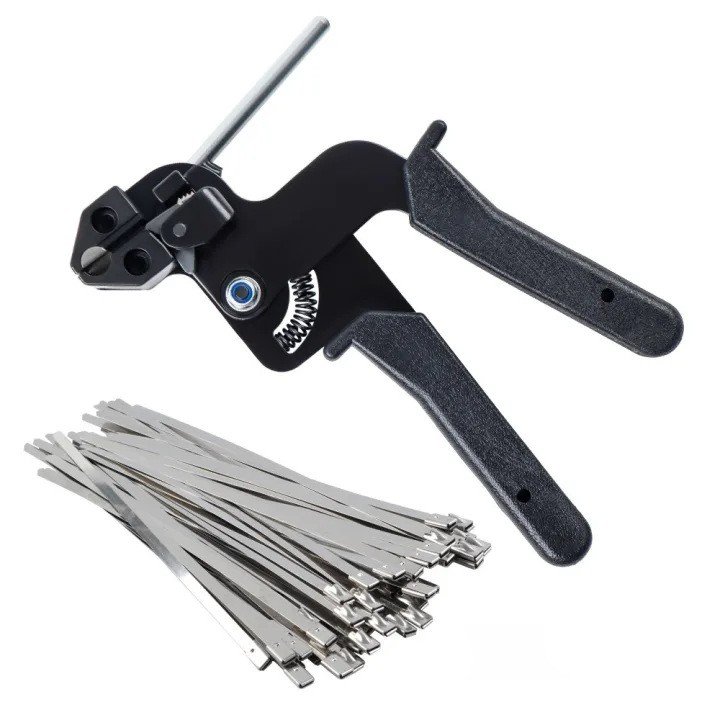
A twisting or rebar-tying tool for volume work, and pliers or a hook for occasional use. The tool controls tension and cuts the tail in one action, which is what keeps a run consistent.

Which tie wire survives outdoors?

Galvanised for a few seasons, stainless for long exposure. Plain annealed wire rusts quickly once the surface is broken by a bend.

The root cause of nylon tie wire breakage

The root cause of nylon tie wire breakage

Nylon tie wire​ breakage is a frequent problem in industries ranging from automotive to electronics. Although nylon ties are small, their failure can cause equipment malfunctions and safety risks. Understanding the causes of nylon tie breakage—from materials and manufacturing to storage and application—is key to preventing costly issues. Influence of the material itself Raw material […]

Read More