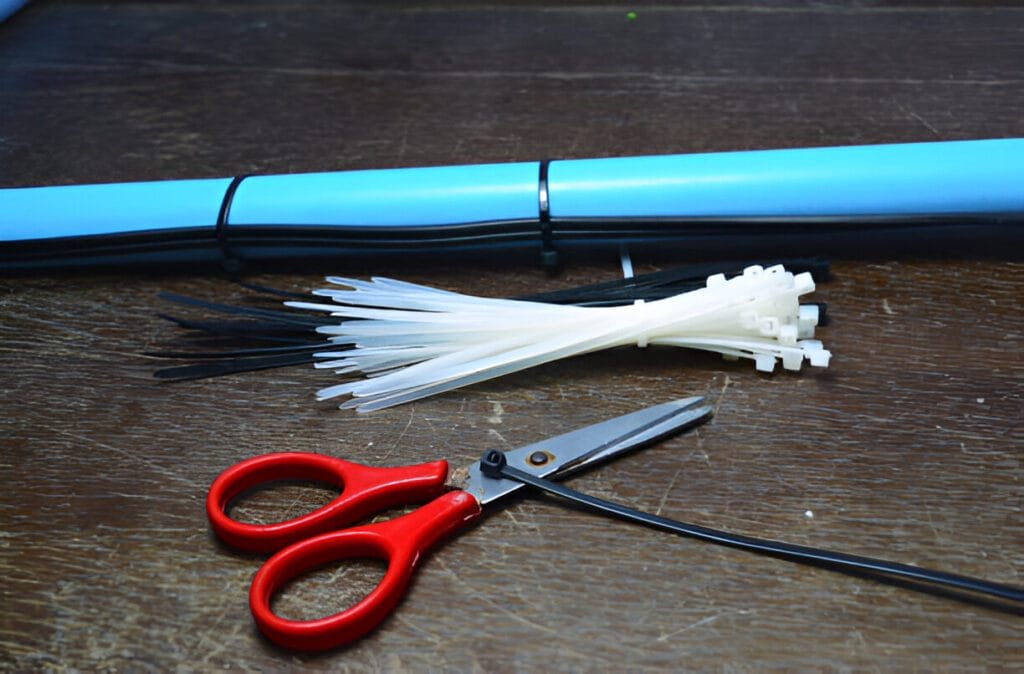
Most people only associate nylon cable ties with industrial wiring jobs. But these affordable, tough, flexible little accessories act as an all-in-one DIY helper for everyday home life. Simple to operate and sturdy enough for dozens of tasks, cable ties resolve common storage, repair, wiring and daily living headaches around the house. If you’re looking for budget-friendly home upgrades, the endless range of zip tie uses will exceed your expectations, and mastering basic skills for using zip ties lets you skip purchasing expensive specialized organizers or repair supplies entirely.
Below we’ve sorted 13 easy, creative DIY cable tie projects anyone can replicate immediately. We’ll also cover product selection guides, reusable fastener techniques and resolve common customer questions about diy zip tie setups for indoor and outdoor spaces.
Household Storage & Organization Hacks
Cable ties excel at home tidying solutions. They unlock unused vertical storage space, corral scattered clutter and add quick childproof barriers without damaging walls or furniture. All these neat organization ideas rely on basic standard nylon cable ties, making them accessible for every household testing diy zip tie arrangements around bathrooms, closets and kitchens.
Build a Drill-Free Toothbrush Holder
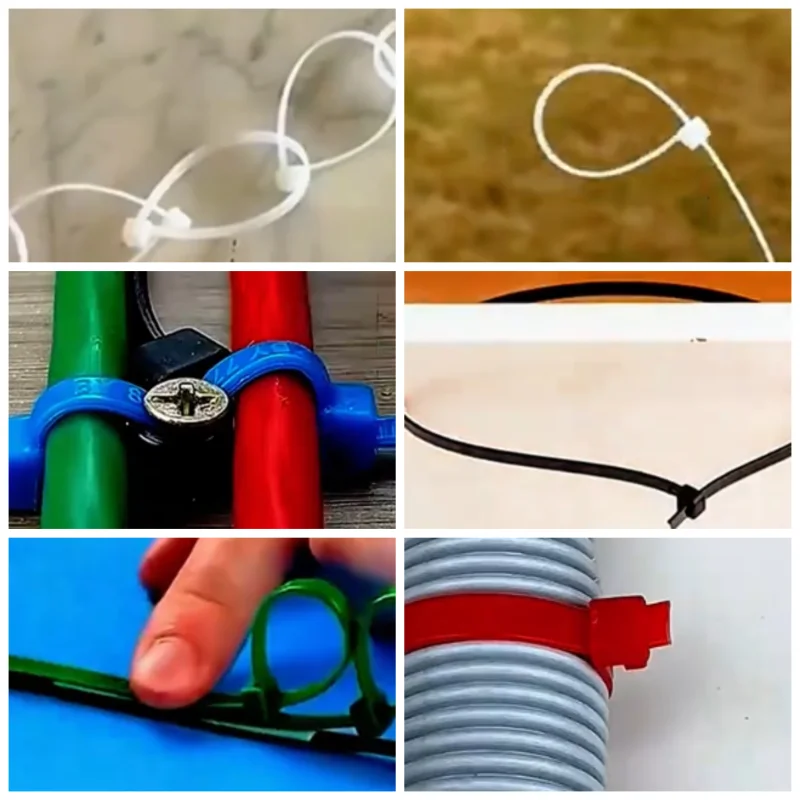
Create a wall-mounted toothbrush holder in seconds with basic cable ties. Shape a single nylon tie into a loop, secure the ring firmly to your bathroom tile with double-sided adhesive tape. The rigid plastic ring holds toothbrushes neatly, clears messy countertop surfaces and leaves zero drill holes behind. Many renters rely on this quick zip tie diy trick to refresh small bathroom spaces without renovation work.
Maximize Wardrobe Vertical Storage
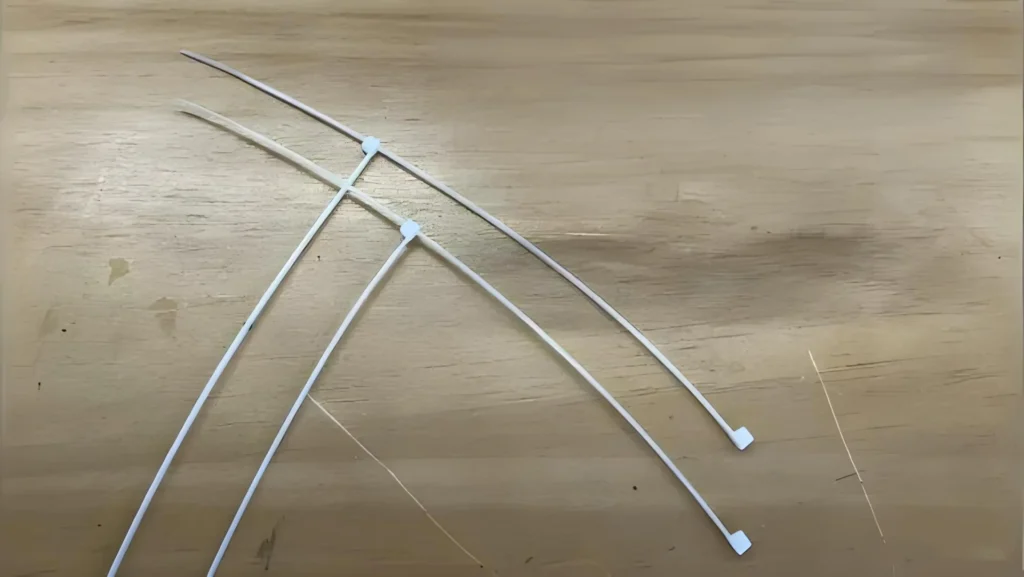
Stacked clothing wastes valuable closet square footage. Connect several standard nylon ties end-to-end to build a long hanging chain, then mount the full strip onto a regular clothes hanger. Each loop along the chain holds one garment separately, fully utilizing vertical closet room while preventing wrinkles and making clothing easy to grab. This closet trick ranks among the most sought-after zip tie uses, and you can reuse cable ties to restructure the hanging rack whenever you rearrange seasonal wardrobes.
DIY Pillow Drying Hanger
Thick pillows dry slowly and often trap moisture deep inside the fabric. Secure two spare clothes hangers together tightly with standard zip ties, then pull the frames outward to widen the support surface. Clamp your pillow between the expanded hangers to create a free-air drying rack. This homemade setup exposes every side of the pillow to wind and sunlight to cut drying time and stop mildew buildup. For oversized heavy bedding pillows, swap basic nylon ties for stronger heavy-duty nylon ties to avoid frame sagging.
Childproof Cabinet Doors
Curious young children frequently yank open storage cabinets, scattering supplies or accessing unsafe cleaning chemicals. Thread a standard nylon cable tie loosely across the seam of cabinet double doors. The soft plastic restraint limits how far the cabinet can swing open, creating instant child safety without scratching or marking cabinet surfaces. When you no longer need the safety lock, you can reuse zip tie by gently releasing its internal ratchet rather than cutting it, saving the fastener for future diy cable ties projects.
Household Repair & Emergency Quick Fixes
Thanks to their high tensile strength and flexible construction, cable ties serve as reliable temporary repair tools for sudden household mishaps. Reinforced heavy-duty nylon ties deliver superior holding power for broken furniture and bulky fixtures, while standard nylon cable ties handle lightweight minor fixes effortlessly—two key varieties to consider when testing practical zip tie uses around the home.
Temporary Replacement for Broken Cabinet Pulls
If a cabinet handle snaps off and you don’t have spare hardware on hand, cable ties make a practical stand-in solution. Thread a long nylon cable tie through the cabinet door’s original mounting holes, pull the strap taut and trim excess plastic tail close to the lock head. The firm plastic loop creates a functional makeshift handle for daily cabinet access. For solid wooden cabinet doors that bear more weight, opt for reinforced heavy-duty tie wraps to stop loosening after repeated opening and closing.
Invisible Waist Adjustment for Loose Trousers
Oversized trousers constantly slip down, ruining comfort and appearance. Hook a small standard zip tie between the two inner waistband fasteners, adjust tension to fit your waist perfectly and lock the ratchet in place. The thin plastic fastener sits hidden inside the waistband, completely undetectable from the outside. Countless people rely on this compact zip tie diy hack to resize pants without sewing or tailor visits.
Stop Pants Zippers from Sliding Down
Worn loose zippers slide open unexpectedly, creating awkward daily situations. Loop a tiny nylon cable tie around the metal zipper pull tab, then hook the tie’s circular end onto your waist button. This simple lock keeps the zipper secured in position through walking, bending and sitting. After laundering your trousers, you can reuse zip tie by unlocking the mechanism and removing it for repeated use across different pairs of pants.
Emergency Shoelace Substitute
When your shoelace snaps while out running errands, flat thin standard cable ties act as a quick temporary replacement. Thread nylon ties through shoe eyelets the same way you would regular fabric laces. They hold firmly and maintain a tidy appearance suitable for short outdoor trips. If you plan extended walking or hiking, choose robust heavy-duty zip tie styles with thicker straps for improved wear resistance.
Anti-Slip Fix for Loose Slippers
Loose house slippers easily slide off heels during daily movement. Feed a standard zip tie through the slipper’s rear fabric edge and fasten it loosely around your heel. This minor adjustment anchors slippers securely to your feet for quick outdoor trips to the mailbox or garden. It remains one of the lesser-known but highly functional everyday zip tie uses for all family members.
Wire & Pipe Securing Practical Hacks
For home electrical wiring and plumbing maintenance, cable ties form stable mounting frames for loose wires and water hoses, producing cleaner, safer layouts than basic twine or rubber bands. Learning core differences between cable tie material variants lets you select UV-resistant outdoor cable ties or reinforced heavy-duty nylon ties for damp, fully exposed pipe and wiring installations.
Build a Heavy-Duty DIY Wire Organizer
Construct a sturdy wire storage tower using only wall nails and nylon cable ties. Secure one standard nylon cable tie around a wall-mounted nail, attach extra standard zip ties to either side of the main loop, route tangled power and charging wires through the open tie loops and lock all fasteners tight. The finished rack bundles messy wall wiring neatly and holds cables stable long-term. For thick high-gauge electrical wires, reinforced heavy-duty zip ties provide far stronger clamping pressure compared to basic standard cable ties.
Secure Water Hoses Firmly
Garden and household water hoses gradually slip loose after months of outdoor use. Slide a cable tie through a pre-drilled hole in a wooden mounting board, hammer a wood plug into the opening for extra reinforcement, position the hose against the board and tighten the nylon tie fully before trimming leftover plastic. If this fixture stays exposed outdoors year-round, invest in UV-stabilized outdoor zip ties; uncoated standard nylon cable ties crack and degrade rapidly under direct sunlight. Understanding weather-resistant outdoor cable ties material properties guarantees long-lasting zip tie diy pipe mounting projects for patios and gardens.
Fun DIY & Heavy-Duty Binding Hacks
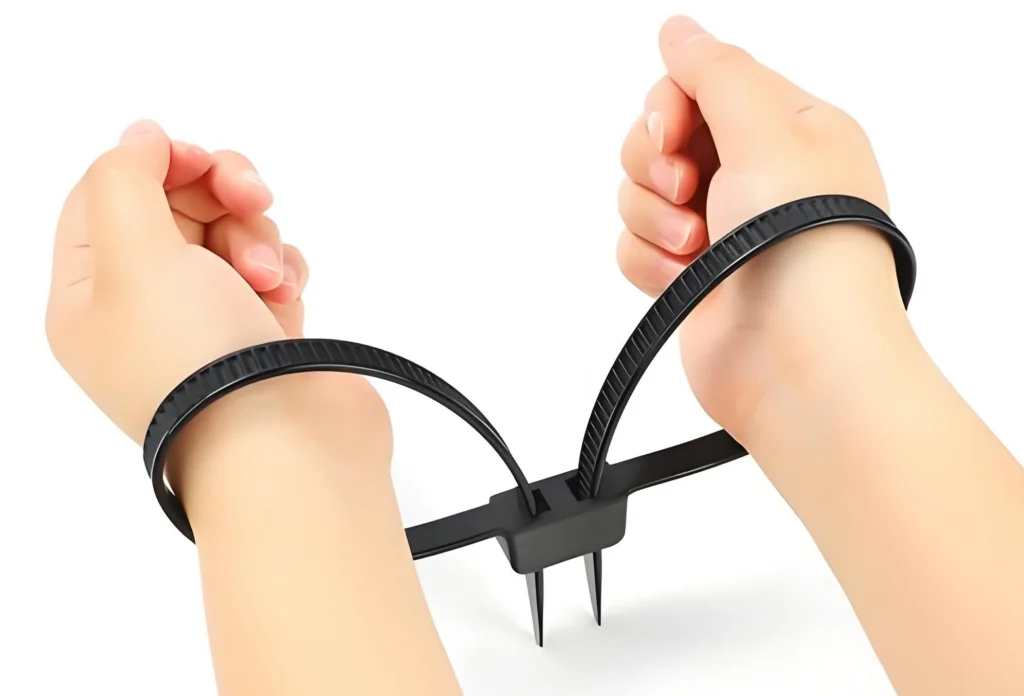
Beyond functional household maintenance, cable ties support affordable kids’ craft activities and deliver rigid binding for bamboo or wooden garden frames. Diy zip tie craft supplies cost almost nothing and keep children entertained safely, while thick heavy-duty tie wraps stabilize outdoor wooden structures against wind and rain. A quick note: diy zip tie handcuffs are intended solely for lighthearted child play, never tight restrictive binding that causes discomfort or skin irritation.
Handmade Bubble Toy for Kids
You only need one standard zip tie and diluted soapy water to craft a simple bubble wand for young children. Roll the nylon tie into a smooth circular loop, dip the ring into bubble solution and blow gently to create dozens of bubbles. This zero-cost handmade toy entertains kids for hours and contains no sharp edges to harm small hands. It ranks among the fastest diy cable ties craft projects parents can assemble in under a minute.
Reinforce Bamboo & Wooden Cross Joints
Ordinary cotton string stretches and loosens quickly when binding bamboo trellises or wooden outdoor frames. Wrap robust heavy-duty cable ties in a figure-eight pattern across the intersecting point of two poles, then pull the strap to full tension and lock the ratchet. This wrapping method distributes pressure evenly across all sides of the joint, keeping the wooden framework stable and wobble-free through seasonal weather changes. For garden trellises placed in full sun, pair the heavy-duty fasteners with weatherproof outdoor tie wraps to resist UV fading and rain damage.
What Materials Are Cable Ties Made Of?
Many homeowners and small business buyers search for clear breakdowns of zip tie material specs before purchasing stock. Different base plastics deliver drastically different durability, tensile strength and weather tolerance, directly impacting how well they perform across all your zip tie uses and diy cable tie builds.
Standard nylon cable ties suit all indoor daily tasks, while UV-treated outdoor cable ties become non-negotiable for any zip tie diy project exposed to consistent sunlight. Stainless steel variants serve commercial and industrial clients seeking permanent, weather-immune fastening solutions for heavy machinery and exterior plumbing.
How to Choose the Right Zip Tie for Your Needs
With dozens of cable tie sizes and grades available on the market, many shoppers struggle to locate the best cable ties aligned with their diy cable ties and zip tie diy plans. Comparing cable tie standard tensile ratings, strap width and raw material composition streamlines product selection for both indoor household and exterior garden projects.
Standard vs. Wide Strap Heavy-Duty Ties
Standard nylon cable ties and regular zip ties fit lightweight daily tasks including wire sorting, small bathroom organizers and kids’ craft builds. Wide-strap reinforced heavy-duty zip ties, robust tie wraps and high-load zip ties feature thicker body straps and far higher weight limits, perfect for securing thick garden pipes, large wooden frames and bulky seasonal storage gear. Always match fastener load capacity to your project weight before choosing between standard nylon cable ties and heavy-duty zip tie alternatives.
Selecting the Best Sizes for Different Tasks
Short-length standard zip ties work for tiny applications such as zipper locks, toothbrush holders and children’s bubble wands. Medium-size standard nylon cable ties build closet hanging chains and manage indoor low-voltage wiring. Extra-long heavy-duty nylon ties fasten large garden hoses and oversized furniture components. Learning proper size matching lets you pick the best zip ties for every single zip tie uses scenario around your property.
Indoor vs. Outdoor and High-Temperature Material Differences
Raw cable tie material dictates total service lifespan indoors and out. Basic standard nylon cable ties perform reliably in cool, shaded interior spaces only. UV-stabilized outdoor zip ties, weatherproof outdoor cable ties and exterior tie wraps contain specialized additives to prevent brittling under sunlight, making them essential for patio and garden zip tie diy builds. Heat-resistant specialized zip tie material is a niche pick for wiring installed near ovens, water heaters and other high-temperature household appliances.
Tips for Safe Use and Maximizing Efficiency
Learning proper fastening techniques extends each fastener’s usable lifespan and allows you to reuse zip ties multiple times, cutting overall supply costs for all your diy zip tie and diy cable ties creations. These simple operational guidelines cover tightening, flush trimming and unlocking methods compatible with standard nylon cable ties and reinforced heavy-duty zip ties alike.
When using zip ties for storage or quick repair builds, pull standard nylon straps with even pressure to avoid pinching fragile plastic surfaces or fabric. For heavy-duty nylon ties, apply steady consistent force to fully engage the internal ratchet before trimming excess plastic flat against the lock head. This flush-cut technique eliminates sharp plastic edges and keeps every zip tie uses installation neat and scratch-free for household surfaces.
Clever Tricks to Undo and Reuse Disposable Zip Ties
Most users cut zip ties after a single application, but a tiny flat metal tool easily lifts the internal ratchet tab inside the lock to release tension. Once unlocked, you can reuse cable ties repeatedly across different diy cable ties projects, whether reorganizing closet storage or rebuilding wall wire organizers. This unlocking trick works seamlessly for standard nylon cable ties and lightweight heavy-duty zip tie models, reducing plastic waste around your home.
Avoiding Damage to Delicate Cords and Items
Thick reinforced heavy-duty tie wraps can crush thin charging cables or decorative plastic ornaments if over-tightened. For fragile electronics and delicate home decor, stick to soft standard nylon cable ties and leave a small air gap between the strap and object surface. This minor adjustment guarantees safe using zip ties without scratches, indentations or broken fragile items during any zip tie diy assembly task.
Frequently Asked Questions About Household Zip Tie Uses
New shoppers testing diy zip tie and diy cable tie projects consistently share overlapping questions about material safety, reusability and maximum load strength. Below we cover top customer FAQs addressing standard zip ties, weather-resistant outdoor cable ties and heavy-duty fastening products.
Are standard plastic zip ties safe for outdoor or food-contact use?
Basic standard nylon cable ties lack UV shielding and food-safe surface coatings, so they do not hold up well for long-term exterior placement—swap them for UV-treated outdoor zip ties or exterior tie wraps for garden fixtures. If you need fasteners near kitchen food prep zones, source specialty food-grade zip ties rather than uncoated standard nylon cable ties.
How can I unlock a zip tie without cutting it?
The simplest method to reuse zip tie involves gently prying open the ratchet lock with a thin metal pin or small flat screwdriver. Once the lock releases, standard zip ties and lightweight heavy-duty cable ties stay intact for future zip tie uses, lowering plastic waste generated from all your diy cable ties projects.
What are the strongest types of zip ties for home improvement?
For demanding home renovation work, wide reinforced heavy-duty zip ties, robust tie wraps and high-load zip ties deliver maximum tensile strength, vastly outperforming basic entry-level cable tie standard products. If your renovation space sits exposed to rain and full sun, combine high-strength heavy-duty zip tie models with UV-protected outdoor cable ties material for all-weather durability.
How long do nylon zip ties last outdoors?
Unmodified standard nylon zip ties degrade rapidly under constant UV sunlight, often becoming brittle within one to two seasons. UV-stabilized outdoor cable ties resist fading and cracking, lasting multiple years depending on local rainfall, heat and sun exposure levels.
How much weight can a zip tie hold?
Maximum load capacity varies based on fastener width, raw cable tie material and overall size. Reinforced heavy-duty zip ties support significantly greater weight limits compared to thin standard nylon cable ties; always reference product tensile ratings before using ties for load-bearing outdoor or workshop builds.
Final Thoughts
Nylon cable ties are compact, low-cost multi-purpose household staples. Whether you’re building closet storage organizers, completing emergency furniture repairs, tidying tangled wiring and garden hoses, assembling kid-friendly handmade crafts including mild diy zip tie handcuffs for playtime, or reinforcing exterior wooden garden frames, cable ties deliver straightforward, cost-effective solutions. The extensive variety of zip tie uses and flexible techniques for using zip ties make them irreplaceable DIY supplies for every residential and small commercial space.
All 13 core hacks shared above require zero specialized power tools and remain simple for every homeowner to replicate. Stock durable WANDU nylon cable ties, including standard nylon cable ties, reinforced heavy-duty cable ties and UV-resistant outdoor zip ties, to match every indoor and outdoor zip tie diy project requirement. Mastering how to reuse cable ties and reuse zip tie also maximizes value from every pack of the best cable ties and best zip ties you purchase, resolving nearly all minor household organization and repair hassles to maintain a tidy, functional living environment.
Wholesale & Custom Cable Tie Solutions for Business Buyers
Need custom cable ties for retail resale, industrial assembly or wholesale home goods supply? WANDU manufactures full ranges of nylon cable ties, high-tensile heavy-duty zip ties and UV outdoor-resistant cable ties, supporting OEM customization, private labeling and bulk container orders. Reach out to our sales team for free material samples, detailed tensile spec sheets and competitive bulk pricing tailored to your business volume.
You might already know that industrial cable ties are engineered to be virtually unbreakable… But what happens when you urgently need to know how to safely remove cable tie handcuffs? Whether you are dealing with a survival emergency, removing makeshift restraints, or simply trying to avoid a dangerous injury, knowing the proper escape technique is […]
Ever wondered how to streamline your vehicle’s wiring system?Car zip ties offer an efficient solution for optimizing automotive wiring harness and component fixation.These versatile fasteners provide strength, durability, and ease of use, making them ideal for organizing and securing electrical components in vehicles.In this post, we’ll explore practical techniques to leverage nylon cable ties for […]
Ever found yourself reaching for a zip tie, only to realize it’s a few inches too short for the job? It’s a frustrating moment, whether you’re managing a chaotic bundle of cords or tackling a weekend DIY project. But before you throw it away or make a frantic run to the hardware store, there’s a […]
We use cookies to enhance your browsing experience, serve personalised ads or content, and analyse our traffic. By clicking "Accept All", you consent to our use of cookies.
Looking For High Quality Nylon Cable Ties At A Great Price?
Order now to experience cost-effective cable tie products that provide convenience and protection for your work and life.



 EN
EN  AR
AR  ES
ES  PT
PT  FR
FR  RU
RU  DE
DE  KO
KO  JA
JA  IT
IT  NL
NL