Ever wondered how to use a heat gun without scorching your project or creating a safety hazard?
From stripping stubborn paint and bending PVC to applying vinyl wraps, a heat gun is easily one of the most versatile power tools you can own.
Mastering it comes down to choosing the right temperature settings, utilizing proper nozzle attachments, and executing flawless application techniques.
In this step-by-step guide, you’ll learn exactly how to use a heat gun safely, efficiently, and like a pro.
Let’s dive right in!
What Is a Heat Gun and How Does It Work?
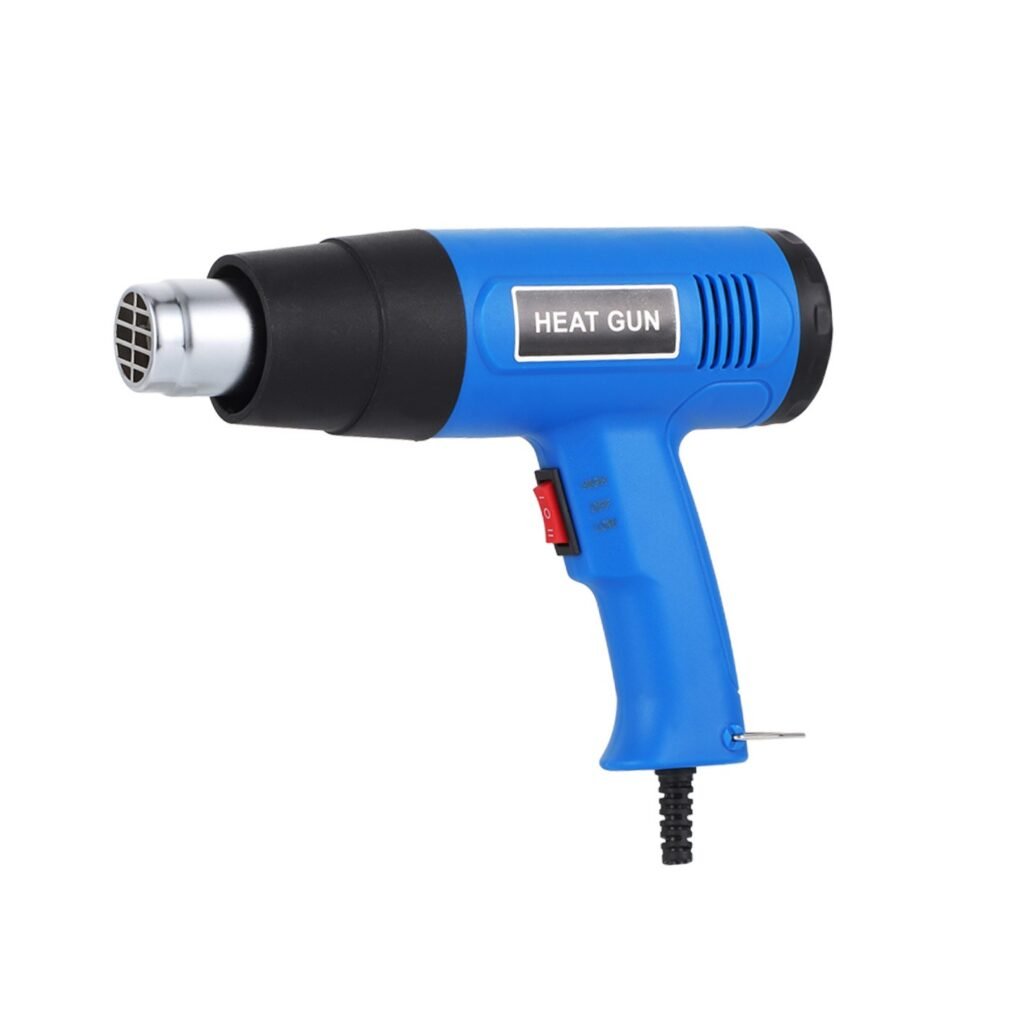
A heat gun is a versatile handheld hot air tool engineered to emit a focused stream of high-temperature air for electrical, construction, industrial, and crafting tasks. Unlike an open-flame torch, it relies entirely on thermal airflow to transfer heat safely and evenly to work surfaces.
How a heat gun works: Air Intake: The internal electric fan draws ambient air through rear or side intake vents. Thermal Generation: The airflow passes directly over an energized heating element, rapidly raising the air to the targeted operational temperature. Directional Output: The concentrated, heated air is forced out through the front barrel and nozzle attachment onto the workpiece.
Core Components and Temperature Ranges
Modern electric heat guns are engineered with durable internals designed for consistent thermal stability:
Heating Element: Typically constructed from high-grade ceramic or wire-wound mica cores for instant heat generation.
Fan & Motor Assembly: Delivers steady, adjustable airflow rates (measured in CFM or L/min) to prevent surface scorching.
Control Interface: Variable temperature dials, digital LCD screens, and dual-speed airflow switches allow precise thermal management.
Using specialized heat tool accessories optimizes heat distribution and protects surrounding materials:
Reflector Nozzle: Wraps airflow evenly around cylindrical items; essential for installing heat shrink tubing and bending thin conduit.
Surface / Glass Protector Nozzle: Deflects direct hot air away from fragile substrates like window glass while concentrating heat on frame coatings.
Reducer / Concentrator Nozzle: Narrows the airflow into a targeted beam for precision desoldering, spot repairs, and corner work.
Flat / Fishtail Nozzle: Spreads heat wide and flat, perfect for floor adhesive removal, drying large areas, and vinyl wrap applications.
Heat Gun Stand & Holder: Built-in rear housing supports or external stands enable stable, hands-free operation and safe upright cool-down cycles.
Essential Safety Precautions Before Starting
Operating a high-temperature hot air tool requires strict attention to workplace safety. Before powering on your equipment, setting up a secure environment and using proper gear will prevent burns, fire hazards, and surface damage.
Personal Protective Equipment and Workspace Setup
Always equip yourself with the right protective gear and prep your work area before applying heat:
Heat-Resistant Gloves: Heavy-duty leather or thermal gloves protect your hands from accidental contact with hot surfaces and reflective heat.
Eye Protection: ANSI-approved safety glasses shield your eyes from flying debris, popping solder, or heated chemical splatters.
Respiratory Mask: Use a properly rated respirator when heating plastics, adhesives, or old paint coatings to prevent inhaling toxic fumes.
Clear Work Surface: Remove all flammable liquids, solvents, paper, and rags from the immediate work area. Work on a stable, fire-resistant surface like metal or concrete.
Proper Ventilation: Ensure continuous airflow across the room to clear out heated vapors and smoke quickly.
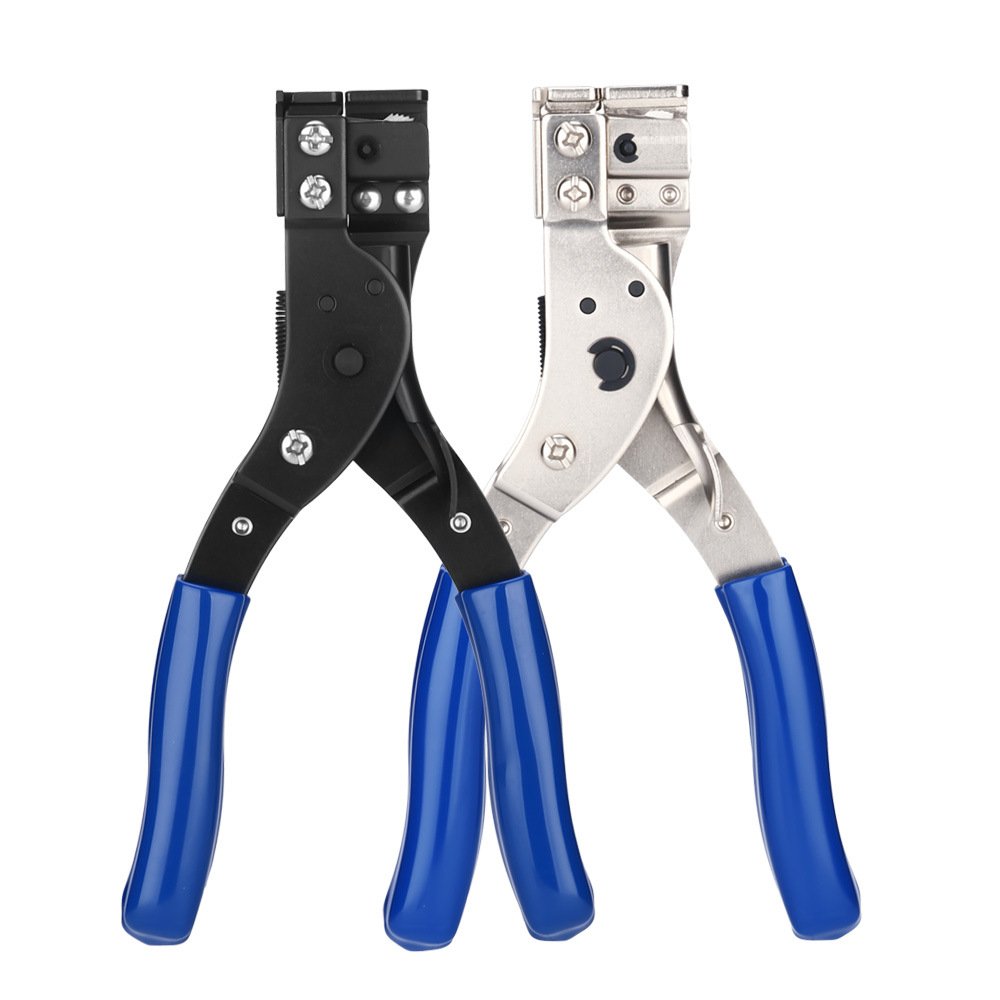
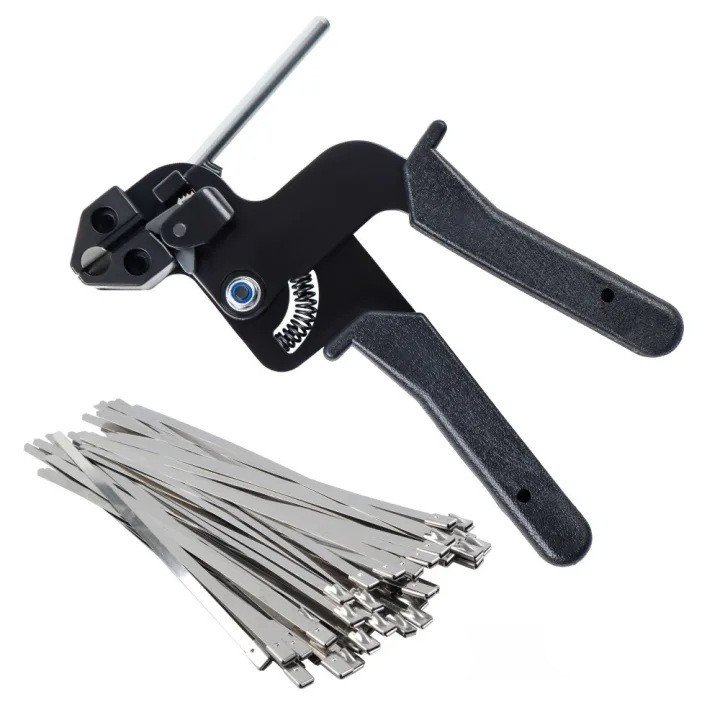
Cable Organization: Keep power cords and nearby wire assemblies secured and organized out of the heat path. Following standard cable management practices, much like using a zip tie gun for safe wire bundling, keeps your workspace clutter-free and prevents accidental cord burns.
Key Safety Guidelines and Hazards to Avoid
Hazard
Risk Level
Prevention Method
Direct Nozzle Contact
High
Never touch the metal barrel or nozzle attachments during or immediately after use.
Ignition of Hidden Materials
High
Keep the airflow moving; never concentrate heat on one spot near combustible substrates.
Air Intake Blockage
Moderate
Keep the rear intake vents clear of dust, debris, and clothing to avoid motor burnout.
Unattended Rest State
High
Always rest the tool upright on its integrated kickstand or a dedicated heat gun stand during pauses.
Never Use as a Hair Dryer: The extreme heat gun temperature range far exceeds personal grooming appliances and will cause severe burns instantly.
Avoid Confined Flammable Zones: Do not operate the unit in spaces containing combustible dust, aerosol vapors, or fuel containers.
Keep Fire Safety Gear Close: Keep a functional fire extinguisher nearby whenever performing high-temperature industrial or electrical heating tasks.
How to Use a Heat Gun Step-by-Step
Getting consistent, professional results with a hot air tool comes down to controlling your temperature, maintaining the right distance, and following a repeatable process. Whether you are managing electrical wiring harness assemblies or stripping stubborn coatings, following these steps ensures clean execution without damaging your base materials.
Choosing the Right Heat and Airflow Settings
Before powering on your tool, match the temperature and airflow speed to the specific material you are working on. Excessive heat can warp plastics or char delicate components, while insufficient heat slows down productivity.
Application
Recommended Temperature
Airflow Level
Heat Shrink Tubing & Connectors
250°F – 450°F (120°C – 230°C)
Low to Medium
Vinyl Wrapping & Decal Removal
300°F – 500°F (150°C – 260°C)
Medium
Bending PVC & Softening Plastics
400°F – 600°F (200°C – 315°C)
Medium to High
Paint Stripping & Adhesive Removal
750°F – 1,000°F+ (400°C – 550°C+)
High
While some field technicians rely on improvised methods like using heat shrink tubing without a heat gun, a dedicated electric hot air tool gives you exact temperature regulation to prevent burned insulation and uneven shrinking. For delicate electronics or shrink tubing, start at the lowest effective heat setting and dial upward only as needed.
Proper Heat Application Techniques and Movements
Maintain Proper Working Distance: Keep the nozzle roughly 2 to 4 inches (5 to 10 cm) away from the work surface. Moving too close concentrates extreme heat in one spot, risking surface burns.
Use Continuous Sweeping Motions: Never leave the airflow stationary on a single point. Move the nozzle back and forth in smooth, overlapping strokes to distribute thermal energy evenly.
Work at an Angle: Angle the nozzle at approximately 45 degrees rather than pointing it dead-on. This deflects the hot exhaust away from the tool body and allows you to watch the material react in real time.
Rotate Round Components: When shrinking wire sleeves or forming tubing, rotate the workpiece continuously or sweep around the entire circumference to achieve a uniform, bubble-free recovery.
Cool-Down Steps and Post-Project Cleanup
Shutting down an industrial heat gun properly is essential for preserving the life of the ceramic heating element.
Activate Cool-Down Mode: If your unit features a dedicated cooling or fan-only setting, run it for 2 to 3 minutes to exhaust residual heat before cutting main power.
Use the Integrated Stand: Set the hot unit upright on its built-in rear housing stand or place it securely in a metal heat gun holder. Never lay a hot nozzle directly onto your work table or near flammable items.
Let It Cool Completely: Allow the metal nozzle assembly to reach room temperature before removing attachments, winding cords, or packing the tool into storage cases.
Common Uses and Applications for Heat Guns
A versatile hot air tool serves countless roles in automotive shops, electrical assembly lines, and home workshops. Understanding the practical heat gun uses allows you to handle tough surface prep, precision forming, and maintenance tasks with control and speed.
Stripping Paint and Removing Wallcoverings
Heat guns soften dried paint, varnish, and wallpaper adhesives without relying on harsh chemical solvents:
Paint Removal: Target the painted surface until the coating bubbles and softens, then gently scrape it away with a putty knife.
Wallpaper and Vinyl Paper: Warm the surface evenly to melt old paste underneath, allowing clean stripping without gouging the drywall or plaster beneath.
Applying Vinyl Wraps and Shrink Tubing
In wiring and automotive work, an electric heat shrink gun delivers reliable, uniform heat distribution:
Electrical Insulation: Shrink tube heat gun applications securely contract heat shrink tubing over exposed splices, terminal lugs, and connectors to create watertight seals.
Harness Management: Pair heat-shrunk wire bundles with heavy-duty nylon cable ties to maintain organized, professional routing in vehicle and industrial panels.
Vinyl Wrapping: Low heat softens automotive film and vehicle graphics, enabling smooth stretch over complex contours and eliminating air bubbles.
Bending PVC Pipes and Thawing Frozen Pipes
Targeted heat expands the utility of your hot air tool when working with plumbing and electrical conduits:
PVC Forming: Rotate the pipe continuously through the hot air stream until the plastic softens, allowing smooth, kink-free bends without special fittings.
Pipe Thawing: Sweep an industrial heat gun back and forth along frozen metal water lines to thaw ice blockages safely without the open-flame hazards of a torch.
Loosening Rusted Bolts and Adhesive Removal
Thermal expansion and adhesive breakdown make tough mechanical teardowns simpler:
Seized Hardware: Heating a rusted nut or bolt causes the metal to expand slightly, breaking corrosion bonds and easing removal with standard hand tools.
Adhesive and Decal Stripping: Quickly soften hardened bumper stickers, emblem tapes, floor tiles, and industrial labels for clean peeling without residue buildup.
When Not to Use a Heat Gun
A hot air tool is versatile, but knowing when to set it aside is just as important as knowing how to use a heat gun. Applying intense heat in the wrong situation can damage sensitive components, release hazardous toxins, or create fire risks.
Inappropriate Materials and High-Risk Situations
Avoid using a heat gun under these high-risk conditions:
Lead-Based Paint Removal: Never use high heat gun temps on surfaces coated before 1978. Extreme heat vaporizes toxic lead into dangerous airborne fumes.
Flammable and Explosive Environments: Keep heat guns far away from fuel lines, solvent vapors, aerosol cans, and closed chemical containers.
Thin, Heat-Sensitive Plastics: Thin polystyrene, acrylic, or soft vinyl can deform, scorch, or catch fire rapidly under sustained thermal airflow.
Restricted Harness Bundles: When working around heat-sensitive wire harnesses where open heat may compromise insulation, avoid forcing shrink wrap; instead, secure lines mechanically using durable nylon cable ties or surface-mounted electrical cable clips.
Safer Alternatives for Delicate Projects
When thermal output from an industrial heat gun is too aggressive, choose safer, targeted alternatives:
Standard Hair Dryers: Deliver low, gentle heat suitable for light adhesive sticker removal, drying damp crafts, or handling ultra-thin films without scorch marks.
Chemical Strippers & Scrapers: Best for removing lead-based paint and heavy varnishes safely without releasing hazardous thermal vapors.
Precision Soldering Irons: Ideal for localized, pinpoint wire splices and micro-heat shrink tubing where broad airflow would melt neighboring wire jackets.
Mechanical Cable Management: Mechanical routing clips, clamps, and hook-and-loop fasteners eliminate the need for high-heat shrinking in tight electrical enclosures.
How to Choose the Right Heat Gun for Your Project
Selecting the right hot air tool comes down to matching thermal output, airflow control, and ergonomics to your specific workload. Whether you need a small size heat gun for precision electronics or a heavy-duty industrial heat gun for heavy manufacturing, picking the right unit ensures efficiency and consistent results.
Key Features to Consider Before Buying
Adjustable Heat Gun Temps: Look for digital controls or multi-step temperature dials. Precise regulation protects sensitive materials like thin shrink tubing from scorching.
Airflow Velocity Control: Dual or variable fan speeds prevent lightweight parts from blowing away while concentrating thermal transfer where needed.
Ergonomics and Safety Stands: A built-in heat gun stand or flat rear housing allows safe, hands-free benchtop operation and hands-off cooling.
Nozzle Compatibility: Ensure the unit supports dedicated heat gun attachments, such as reducer nozzles for localized heat or reflector nozzles for uniform wire insulation recovery.
Thermal Compatibility with Wiring Hardware: When bundling wires near high heat zones, always match your tool’s output with heat-resistant cable ties to maintain long-term assembly integrity.
Key Feature
Why It Matters
Best Suited For
Variable Digital Temp
Precise thermal calibration
Electronics, delicate plastics
Dual Airflow Settings
Controls air force and distribution
Shrink wrapping, paint stripping
Integrated Stand
Hands-free stability and safe cool-down
Repetitive benchtop shrink tubing
Thermal Cut-Off
Prevents motor and element burnout
Continuous production environments
Corded vs. Cordless Heat Guns
Feature
Corded Heat Guns
Cordless Heat Guns
Power Source
AC wall outlet (110V/220V)
Rechargeable Lithium-ion battery
Continuous Run Time
Unlimited
15–30 minutes per battery
Max Temperature
High (Up to 600°C / 1100°F+)
Moderate (Up to 500°C / 930°F)
Portability
Limited by cord length
Complete freedom of movement
Best Used For
Paint removal, pipe bending, mass production
Field repairs, automotive wiring, remote sites
Corded Heat Guns: The standard choice for workshops, manufacturing lines, and prolonged jobs. They deliver uninterrupted power and high maximum temperatures without performance drop-off.
Cordless Heat Gun Options: Ideal for tight spaces, field installations, and quick jobs where dragging an extension cord is impractical. Modern battery platforms provide rapid heat-up times for quick shrink tube applications.
Maintenance and Care for Heat Guns
Proper maintenance extends the working life of your hot air tool and ensures safe operation during demanding jobs. Taking a few minutes to clean and store your equipment protects the heating element and motor from premature failure.
Routine Cleaning and Storage Practices
Keeping your tool in peak condition requires minimal effort when done consistently:
Clear Air Intake Vents: Dust, lint, and debris clog the air intakes over time. Use a soft brush or compressed air to clean the vents before each session. Blocked vents cause internal overheating and burn out the ceramic heating core.
Wipe Down the Nozzle: Clean off paint residue, melted adhesives, or shrink wrap film from the nozzle and any heat tool accessories while the tool is completely cool. Never use harsh chemical solvents that could enter the housing.
Manage Power Cords: Avoid wrapping cords tightly around the tool body while it is warm. Fasten the power cable neatly using durable fasteners; understanding what is the difference between nylon and metal zip ties can help you choose the right cable management solution for organizing workshop cords without damaging insulation.
Safe Storage: Store your industrial heat gun in a clean, dry toolbox or wall mount away from moisture, extreme cold, and high humidity. Always ensure the unit has cooled down completely on a heat gun stand before placing it inside an enclosed case.
Component
Maintenance Task
Frequency
Air Vents
Clear dust and debris with a soft brush
Before every use
Nozzle / Attachments
Wipe clean of adhesives, paint, and residue
After every use (when cool)
Housing
Wipe exterior with a dry or lightly damp cloth
Weekly / As needed
Power Cord
Inspect for cuts, fraying, or thermal damage
Monthly
Troubleshooting Common Operational Issues
When your heat tool fails to perform as expected, checking these common failure points will help you resolve the issue quickly:
Tool Runs but Blows Cold Air: This typically indicates a burned-out heating element or an activated thermal cutoff switch. Let the unit rest unplugged for 15 minutes to reset the internal thermal protector. If cold air persists, the element needs replacement.
Weak or Inconsistent Airflow: Inspect the rear air inlet for blockages. In cordless models, a low battery charge will also cause the blower fan to slow down significantly.
Unusual Odors or Smoke: A slight smell is normal during the first 10 minutes of running a brand-new unit. However, smoke or a strong burning plastic odor in an older unit indicates melting internal plastic or heavy debris buildup inside the barrel. Shut off and unplug the power immediately.
No Power at All: Check the power outlet, fuse, or battery pack engagement. Inspect the power cable for internal breaks near the strain relief boot.
Frequently Asked Questions
Which temperature setting should I start with?
Match heat to the job: 100 to 300°F for drying paint and warming adhesives, 300 to 800°F for heat shrink, vinyl wrapping and wire bundling, and 800 to 1200°F and above for stripping cured paint, bending PVC and loosening rusted fittings. For connectors, begin at 250 to 450°F with low to medium airflow.
Which nozzle suits which task?
A reflector nozzle wraps air around cylindrical parts, which suits heat shrink and thin conduit. A surface or glass protector deflects hot air from fragile substrates, a reducer concentrates a narrow beam for spot repairs and desoldering, and a fishtail spreads heat wide for adhesive removal and vinyl wrap.
What safety steps matter most before switching it on?
Clear flammable liquids, paper and rags and work on metal or concrete with good ventilation. Wear heat-resistant gloves, safety glasses and a rated respirator for plastics or old coatings. Keep the nozzle 2 to 4 inches from the work, never touch the barrel, and rest the tool upright on its stand.
About Wandu — Zhejiang Wandu Plastic Co., Ltd. has produced nylon cable ties in Yueqing, Zhejiang, China since 2011. Our ISO 9001 certified factory runs 10 high-speed injection moulding machines and 8 professional cable tie test benches, covering nylon cable ties, stainless steel cable ties, cable clips, cable glands and spiral wrap. Products are CE and RoHS compliant and ship to buyers in 50+ countries. Every technical question below is answered by our own engineering team.
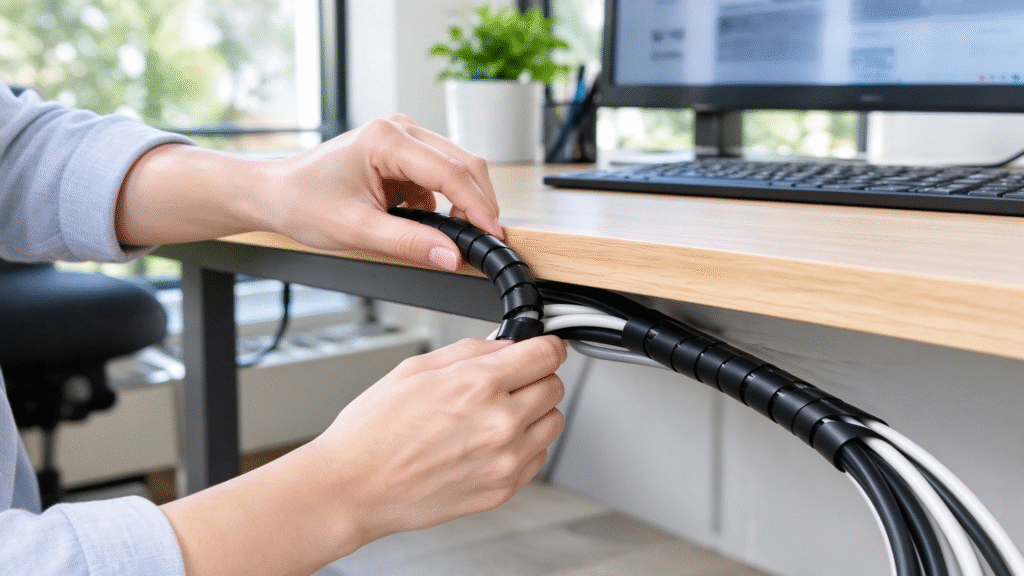
What Is Spiral Cable Wrap? Spiral cable wrap—commonly known as a spiral wrapping band—is an expandable, flexible protective sleeve designed to organize and shield multiple wires into a unified bundle. Engineered from durable polymers such as Polyethylene (PE) and Low-Density Polyethylene (LDPE), this wiring accessory provides an adaptable solution for harnessing cables across industrial machinery, […]
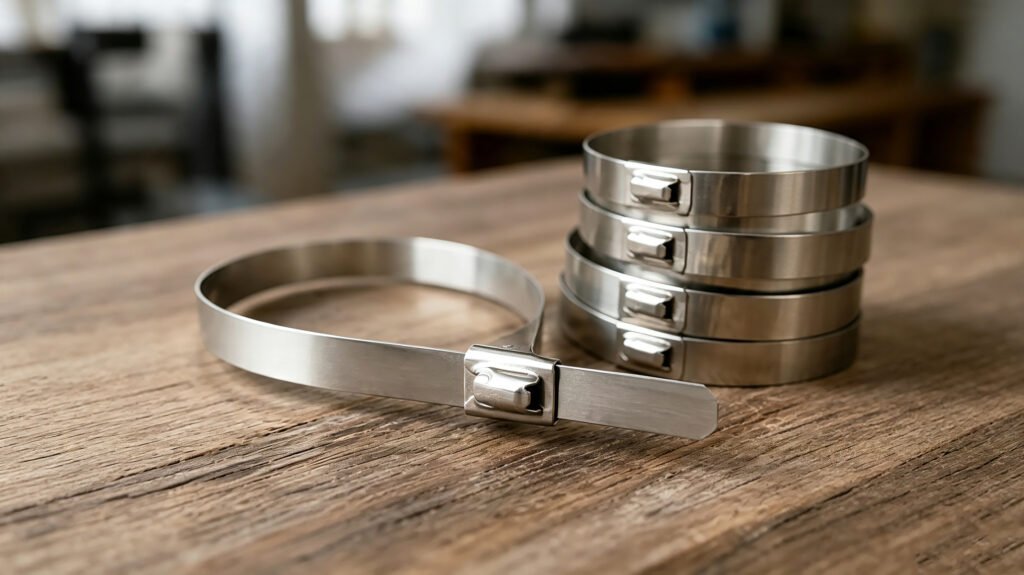
What Are Stainless Steel Zip Ties? Overview and Primary Functions Stainless steel zip ties—also known as metal cable ties—are high-strength, heavy-duty fasteners engineered to secure cables, wires, pipes, and hoses in severe operational environments. When standard plastic ties melt, crack, or degrade, these industrial-grade metal fasteners maintain structural integrity and steady tension. At WANDU, we […]
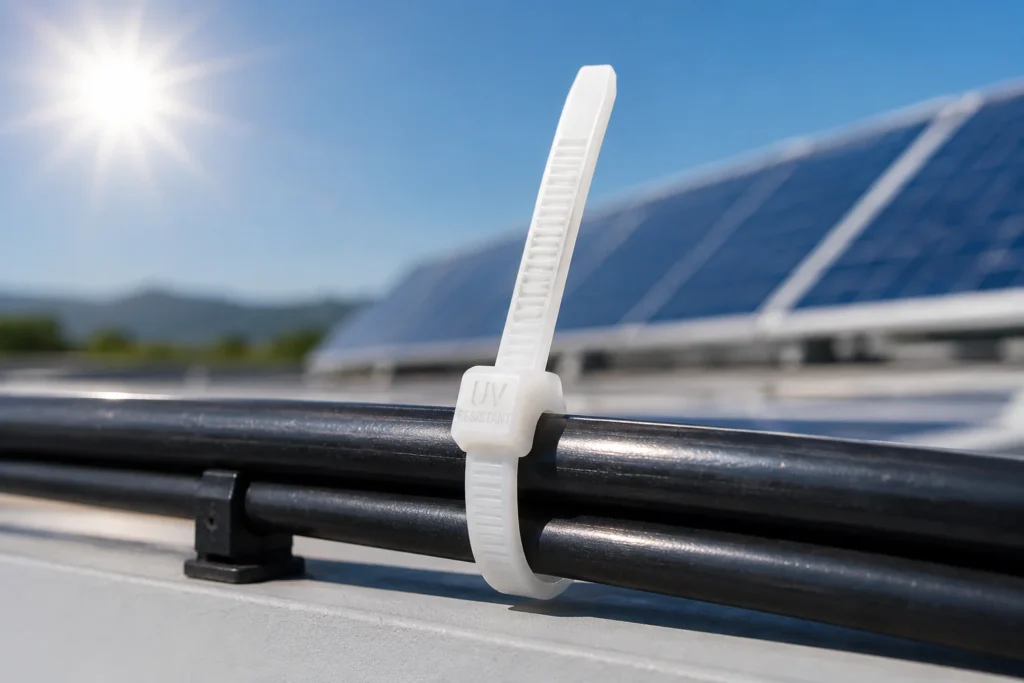
Have you ever used standard white zip ties for an outdoor project, only to watch them snap like twigs a few months later? You’re not alone. It’s a common frustration for contractors and DIYers alike who assume a cable tie is just a cable tie. But when it comes to braving the brutal sun, the […]
We use cookies to enhance your browsing experience, serve personalised ads or content, and analyse our traffic. By clicking "Accept All", you consent to our use of cookies.
Looking For High Quality Nylon Cable Ties At A Great Price?
Order now to experience cost-effective cable tie products that provide convenience and protection for your work and life.


 EN
EN  AR
AR  ES
ES  PT
PT  FR
FR  RU
RU  DE
DE  KO
KO  JA
JA  IT
IT  NL
NL  TR
TR