Zip tie thickness is a critical dimensional spec that determines the structural integrity, flexibility, and loop tensile strength of a fastener. Across standard manufacturing profiles, the cross-sectional thickness of a zip tie is engineered in direct proportion to its width and intended mechanical load, ensuring optimal performance under various industrial stresses.
Average Zip Tie Thickness Range
The standard zip tie thickness range spans from ultra-thin profiles designed for delicate electronics to thick, reinforced designs built for heavy infrastructure:
Miniature Profiles: Typically feature a thickness of approximately 0.9 mm to 1.0 mm (0.035 in to 0.039 in), maximizing flexibility for tight spaces.
Standard Profiles: Average between 1.15 mm and 1.4 mm (0.045 in to 0.055 in), serving as the universal baseline for everyday commercial bundling.
Heavy-Duty Profiles: Range from 1.4 mm up to 2.0 mm or more (0.055 in to 0.079 in+), providing maximum cross-sectional mass for extreme mechanical loads.
Stainless Steel Ties: Maintain a ultra-thin, low-profile thickness of 0.25 mm to 0.40 mm (0.010 in to 0.016 in), relying on high metal density rather than thickness to achieve superior strength.
Relationship Between Width, Length, and Thickness
A zip tie’s dimensional characteristics work together to dictate its mechanical performance:
Width and Thickness Proportionality: As the width of a tie increases, our automated injection molding tooling proportionally scales the cross-sectional thickness. This prevents the band from twisting, shearing, or stretching under tension.
Length vs. Thickness: Length dictates the maximum bundle diameter, while thickness and width govern the loop tensile strength. Longer ties are molded in wider and thicker classifications to handle the heavier loads inherent to large-diameter bundles.
Locking Head Integrity: The thickness of the strap directly corresponds to the depth and pitch of the ratchet teeth, ensuring a precise, non-slip engagement with the pawl inside the locking head.
Standard Dimensions Chart (Width, Thickness, and Strength)
The following engineering reference illustrates how thickness correlates with standard cable tie dimensions and certified tensile strength ratings:
Duty Classification
Common Width (mm / in)
Standard Thickness (mm / in)
Tensile Strength (lbs / kg / N)
Primary Applications
Miniature
2.5 mm (0.10 in)
0.9 mm – 1.0 mm (0.035 – 0.039 in)
18 lbs (8 kg / 80 N)
Precision electronics, small wire harnesses
Intermediate
3.6 mm (0.14 in)
1 mm – 1.2 mm (0.039 – 0.047 in)
40 lbs (18 kg / 180 N)
Light industrial, automotive sub-assemblies
Standard
4.8 mm (0.19 in)
1.15 mm – 1.4 mm (0.045 – 0.055 in)
50 lbs (22 kg / 222 N)
Electrical installations, general construction
Heavy-Duty
7.6 mm – 9.0 mm (0.30 – 0.35 in)
1.4 mm – 2.0 mm (0.055 – 0.079 in)
120 – 175 lbs (55 – 79 kg / 535 – 780 N)
Heavy conduits, utility routing, solar arrays
Extra Heavy-Duty
12.4 mm (0.49 in)
2.0 mm – 2.2 mm (0.079 – 0.087 in)
250+ lbs (114+ kg / 1115+ N)
Industrial equipment, large cable infrastructure
Stainless Steel (304/316)
4.6 mm – 19 mm (0.18 – 0.75 in)
0.25 mm – 0.4 mm (0.010 – 0.016 in)
180 – 900+ lbs (80 – 400+ kg / 800 – 4000+ N)
Extreme marine, chemical, high-temp environments
Zip Tie Thickness Options by Duty Level
Zip tie thickness directly determines physical durability, flex resistance, and loop tensile strength. At WANDU, we engineer our cable ties across precise duty levels, matching cross-sectional thickness to specific mechanical load requirements.
Duty Level
Loop Tensile Strength
Cross-Section Profile
Primary Use Case
Miniature / Small
18 lbs (8 kg)
Ultra-thin / Low profile
Electronics, small wire harnesses, tight spaces
Standard
50 lbs (22 kg)
Balanced industrial profile
General electrical, industrial routing, maintenance
Heavy-Duty
120–175 lbs (55–79 kg)
Thickened cross-section
Heavy cable bundles, automotive, construction
Extra Heavy-Duty
250+ lbs (1115N+)
Maximum cross-section / Steel
Industrial piping, outdoor infrastructure, severe loads
Miniature and Small Zip Tie Thickness
Miniature cable ties feature the thinnest profile in our manufacturing lineup. Designed with minimal cross-sectional thickness, these ties deliver an 18 lb (8 kg) tensile rating while maintaining maximum flexibility.
Space-Saving Design: Slim dimensions fit through narrow openings and compact electronic housings.
Best Applications: PCB wire management, telecommunication enclosures, and lightweight bundling where bulk must be avoided.
Standard Cable Tie Thickness
Standard cable ties provide the baseline thickness used across general industrial, commercial, and electrical installations. Built with a verified 50 lb (22 kg) tensile strength, this cross-section balances structural rigidity with easy manual cinching.
All-Around Reliability: Calibrated strap thickness prevents stretching or premature snapping under everyday tension.
Molded Retention Teeth: Full-depth serrations grip securely into the self-locking pawl mechanism.
Best Applications: Commercial electrical conduits, control panel building, and facility maintenance.
Heavy-Duty and Extra Heavy-Duty Zip Tie Thickness
When applications demand elevated mechanical strength, our heavy-duty and extra heavy-duty ties feature a substantially increased cross-sectional thickness. Ranging from 120 lbs to over 250+ lbs (1335N+) in loop tensile strength, these thick cable ties resist vibration, mechanical shear, and environmental stress. When choosing between maximum-gauge polymers or metallic strength, understanding what is the difference between nylon and metal zip ties helps determine the exact thickness and material profile required.
Reinforced Strap Geometry: Thicker sidewalls resist stretching, high clamping pressure, and abrasive contact.
High-Stress Resistance: Engineered for solar racking, commercial HVAC runs, construction securing, and outdoor utility installations.
Extreme Duty Options: Available in ultra-thick Nylon 66 (PA66) formulas as well as high-strength SS304/SS316 stainless steel profiles.
Zip Tie Thickness Variations by Material
The raw material determines how thick a zip tie must be to handle its rated load. Polymers require a thicker cross-section to build loop tensile strength, whereas industrial metals deliver superior breaking strength within a remarkably slim profile. At WANDU, we engineer both polymer and metallic profiles across our automated injection molding and stamping lines to meet strict ISO9001 and UL requirements.
Nylon Cable Ties
Nylon cable ties molded from virgin Polyamide 66 (PA66) serve as the industry standard for commercial, electrical, and industrial wiring.
Cross-Sectional Profile: Standard PA66 plastic cable ties typically range from 1.0 mm to over 2.2 mm in thickness, depending on whether they are built for light bundling or heavy-duty outdoor loads.
Thermal Performance: Our standard nylon profiles operate reliably between -40°C and +85°C, with heat-stabilized formulations handling continuous runs up to +120°C.
Structural Behavior: The thickness must be balanced carefully. A strap that is too thin will yield under tension, while an overly thick body loses the flexibility required to route smoothly through tight junction boxes.
For complex wiring projects, selecting the right cross-section ensures safe load distribution. You can explore complete sizing profiles in our detailed nylon cable ties selection guide.
Stainless Steel Zip Ties
When applications involve extreme thermal stress, chemical exposure, or heavy mechanical loads, stainless steel cable ties outperform polymer alternatives with a fraction of the material thickness.
Ultra-Slim Profile: Manufactured from Grade 304 or marine-grade Grade 316 stainless steel, these ties are typically pressed to a thickness of just 0.25 mm to 0.4 mm.
High Strength-to-Thickness Ratio: Despite their low profile, our ball-lock and ladder-type metal ties deliver tensile ratings from 180 lbs to well over 900 lbs (4000N+).
Extreme Resistance: Stainless profiles withstand harsh environments from -80°C to +538°C, resisting corrosion, flame, and UV breakdown. Coated versions add an epoxy layer that adds marginal thickness while shielding sensitive conductors against metal-on-metal abrasion.
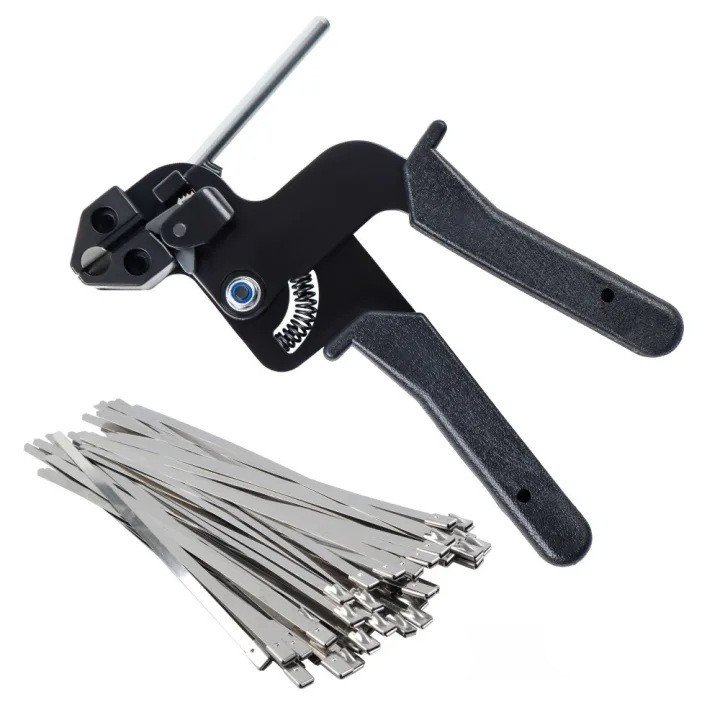
Mastering installation technique is essential for low-profile metal bands. Review our walkthrough on stainless steel cable ties and tightening to achieve precise locking tension without distorting the metal strip.
Specialty and Releasable Cable Ties
Specialty fasteners require deliberate adjustments in strap thickness to support unique locking mechanisms and mounting hardware:
Releasable Cable Ties: Built with a reinforced trigger pawl, these ties feature a slightly thicker strap profile (often 1.5 mm to 2.0 mm) to endure repeated engagement, release, and retightening cycles without stripping the teeth.
Push-Mount and Chassis Ties: Designed for automotive harnesses and control cabinets, the integrated anchor adds rigid support, while the strap maintains standard thickness to absorb road vibration.
Marker and Identification Ties: Molded with an integral flag plate, these ties maintain uniform strap thickness along the band to preserve rated tensile capacity while keeping identification tags visible.
How Zip Tie Thickness Affects Strength and Performance
When we design and manufacture cable ties, cross-sectional thickness plays an essential role right alongside width. The thickness directly dictates the volume of raw polymer or steel supporting your load, determining how the fastener behaves under continuous tension, harsh weather, and mechanical stress.
Tensile Strength and Load-Bearing Capacity
Cross-sectional thickness has a direct mathematical relationship with loop tensile strength. A thicker strap distributes mechanical loads over a greater area, preventing localized elongation, tooth shearing, and sudden failure under peak tension:
Resistance to Necking: Under continuous tension, thin ties can experience “necking”—stretching out at weak points until they snap. Increasing the strap thickness provides the structural mass needed to resist plastic deformation.
Pawl Engagement Depth: In nylon ties, sufficient wall thickness allows for deeper, more robust serrations. This ensures the ratchet pawl inside the locking head engages completely, giving heavy duty zip ties ratings of 120 lbs to 250+ lbs without slipping.
High-Load Integrity: For high strength cable ties and industrial bundling, thicker profiles ensure the fastener handles dynamic vibration without fatigue or tooth stripping.
At WANDU, our automated injection molding lines maintain strict tolerance controls so wall thickness remains uniform along the entire strap, eliminating weak spots that compromise rated cable tie tensile strength.
Durability and Environmental Resistance
Thickness acts as a protective buffer against environmental degradation. Outdoor conditions, chemical fumes, and extreme thermal shifts attack the outer surface of a fastener first:
UV and Thermal Aging: Sunlight and heat gradually deplete stabilizing additives near the surface of nylon. A thicker tie retains an unaffected core, extending working life significantly longer than a thin tie exposed to identical conditions. To get the best service life out of your inventory, understand how to evaluate the durability and cost-effectiveness of nylon cable ties under industrial operating conditions.
Temperature Stability: In operational environments cycling from -40°C to +85°C (or up to +120°C for heat-stabilized PA66), thick zip ties maintain structural resilience longer before succumbing to cold brittleness or heat softening.
Corrosion Margins in Metal: For stainless steel cable ties (SS304 and SS316), strap thickness provides essential resistance against pitting and galvanic corrosion in marine or chemical settings, safeguarding your installation from stress-crack failures.
Flexibility and Minimum Bundle Diameter
While added thickness increases strength, it naturally creates a trade-off with flexibility. The thicker the material, the higher its resistance to bending:
Stiffness and Handling: Thick cable ties require more effort to bend and thread. While ideal for rigid piping and heavy electrical conduits, they are difficult to route through tight machinery enclosures.
Minimum Bundle Diameter Limitations: A thick strap cannot easily form a tight loop without placing excessive stress on its inner radius. Forcing a thick tie around a small bundle can crack the nylon or cause the locking head to sit awkwardly.
Optimized Sizing: Miniature and intermediate ties keep a slim thickness profile to contour cleanly around small wire bundles, while thick heavy-duty profiles are reserved for larger bundle diameter demands where mechanical hold outranks tight-radius flexibility.
How to Measure Zip Tie Thickness and Dimensions
Getting the right measurements ensures your cable management setup performs reliably without premature snapping or excessive slack. When specifying parts for production or procurement, measuring cross-sectional dimensions accurately tells you if a fastener meets required engineering tolerances.
Dimension
Description
How to Measure
Why It Matters
Overall Length
From head to strap tip
Measure from the top edge of the Head to the very end of the Strap Body.
Determines the maximum bundle diameter.
Zip Tie Width
Horizontal width of strap
Use a digital caliper. Measure perpendicular to the Strap Body.
Correlates directly with tensile strength.
Strap Thickness
Vertical thickness of strap
Measure the Cross-Section View (End Profile) with a caliper.
Affects flexibility and insertion force.
Head / Pawl Size
Locking mechanism size
Measure the width and height of the head block.
Ensures it fits through mounting holes.
Measuring Zip Tie Thickness Accurately
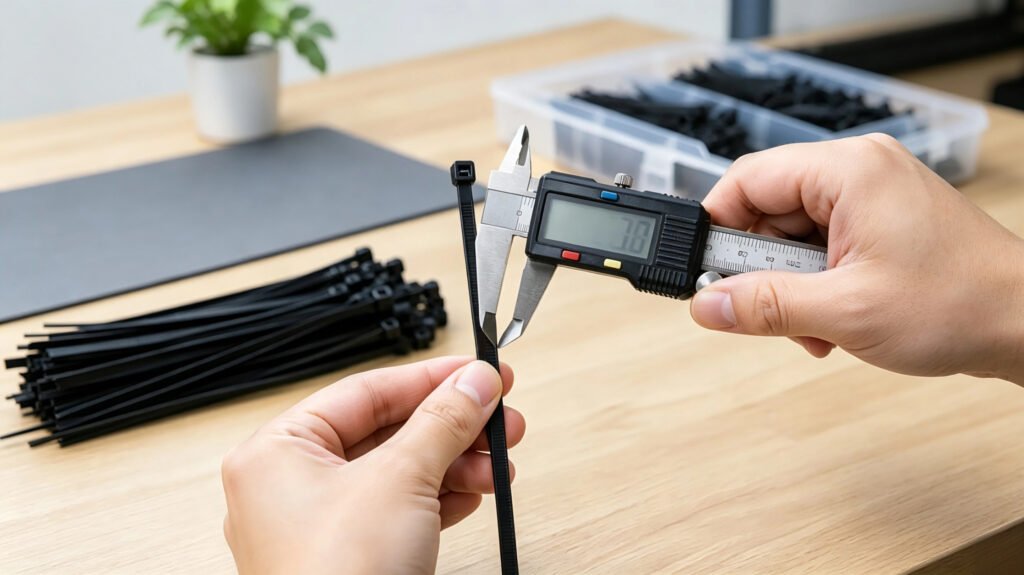
Standard tape measures cannot measure cable tie thickness accurately. Because thickness directly dictates tensile strength and flexibility, use precision tools:
Digital Calipers: Place the flat jaws across the smooth section of the strap. Avoid measuring directly over the locking serrations (teeth) to get an accurate baseline of the plastic cable tie strap profile.
Micrometer Gauge: Ideal for thin profiles like miniature ties (around 0.9 mm to 1.0 mm) and high-strength stainless steel ties (typically 0.25 mm to 0.4 mm).
Measurement Points: Take readings at three points along the strap (near the head, middle, and tail) to check for manufacturing consistency.
Dimension
Primary Tool
Target Area
Why It Matters
Thickness
Digital Caliper / Micrometer
Smooth strap cross-section
Determines bend radius and flex fatigue resistance
Width
Caliper / Steel Rule
Flat edge-to-edge profile
Dictates rated loop tensile strength
Usable Length
Standard Measuring Tape
Base of the head to the tail end
Limits the maximum bundle diameter
Calculating Bundle Diameter Requirements
A common mistake in cable routing is selecting zip tie lengths that match the bundle circumference without leaving tail clearance.
Find Bundle Diameter ($D$): Measure across your gathered cables. If measuring perimeter/circumference ($C$), calculate $D = C / 3.1416$.
Account for Minimum Clearance: Always add at least 2 to 3 inches (50–75 mm) beyond the calculated circumference. This extra length feeds through the locking head and allows proper tensioning using how to use a zip tie gun for clean cutoff.
Check Minimum Bundle Specs: Thick, heavy-duty zip ties have a minimum bundle diameter. Installing an extra-thick tie on an undersized bundle creates stress cracking at the loop apex.
Measuring Zip Tie Length and Width
Cable tie width and length determine load capacity and compatibility with mounting surfaces:
Cable Tie Width: Measure perpendicular across the strap. Standard widths scale from 2.5 mm (miniature) to 4.8 mm (standard) up to 9.0 mm or wider for heavy-duty options. Wider straps spread mechanical pressure over a larger surface area to prevent cutting into soft wire insulation.
Zip Tie Lengths: Measure from the underside of the locking head to the end of the tapered tip. When sourcing custom sizes from our WANDU manufacturing lines, overall length specifications represent total material run from head edge to tip.
How to Choose the Right Zip Tie Thickness for Your Application
Selecting the right zip tie thickness is all about balancing mechanical load, available clearance, and environmental exposure. A tie that is too thin risks snapping under tension or environmental fatigue, while a tie that is too thick can waste budget, add unnecessary weight, and prove impossible to bend in tight enclosures. At WANDU, we engineer our cable ties across precise thickness profiles to ensure every wire bundle, conduit, or structural component stays firmly locked.
Matching Thickness to Weight and Stress Demands
Cross-sectional thickness directly dictates how much working load a fastener can support before the strap deforms or the locking pawl shears. As strap thickness increases, loop tensile strength climbs proportionally. When specifying ties for production or field installation, you must align the cross-section with both the static bundle weight and any dynamic stress the bundle will experience.
Heavy utility cables, infrastructure, heavy hose bundling
Stainless Steel (SS304/316)
~0.25 mm – 0.4 mm
180–900+ lbs (800–4000N+)
High-heat, chemical, and extreme marine installations
Selecting Zip Ties by Industry and Use Case
Different operating environments place unique mechanical demands on the tie body:
Automotive and Transportation: Constant engine vibration and thermal cycling require thicker Heavy-Duty Nylon 66 ties (rated from -40°C to +85°C, or up to +120°C for heat-stabilized grades) to prevent fatigue cracking.
Solar and Outdoor Power: Solar arrays face continuous UV exposure and seasonal wind loads. For long-term reliability, choosing the best outdoor zip ties with UV-resistant carbon additives or moving to low-profile stainless steel prevents premature strap breakdown.
Industrial Control Panels: Control cabinets have high component density. Thinner miniature and intermediate cable ties keep harnesses tidy without exerting excessive pinch force on delicate signal conductors.
Marine and Chemical Processing: Highly corrosive marine air degrades plastic cross-sections over time. We supply Grade 304 and 316 stainless steel ties that provide exceptional tensile performance in a ultra-thin metallic profile rated from -80°C to +538°C.
Common Mistakes When Choosing Zip Tie Sizes
Underestimating Dynamic Stress: Choosing a tie based solely on the static weight of the bundle leads to failure. Vibration, air movement, and thermal expansion add significant shock loads that demand a thicker gauge.
Confusing Width with Thickness: While wide ties are usually thicker, the two dimensions serve distinct functions. Width distributes surface pressure over the bundle, while thickness provides longitudinal tensile resistance and shear strength at the head pawl.
Over-Tightening Thin Ties: Applying excessive torque to miniature or standard ties cuts into soft cable jackets and stresses the pawl mechanism, leading to premature snap failure.
Using Indoor-Grade Ties Outdoors: Standard natural Nylon 66 ties degrade and become brittle under solar radiation, regardless of how thick they are. Outdoor installations always require UV-stabilized polymers or stainless steel.
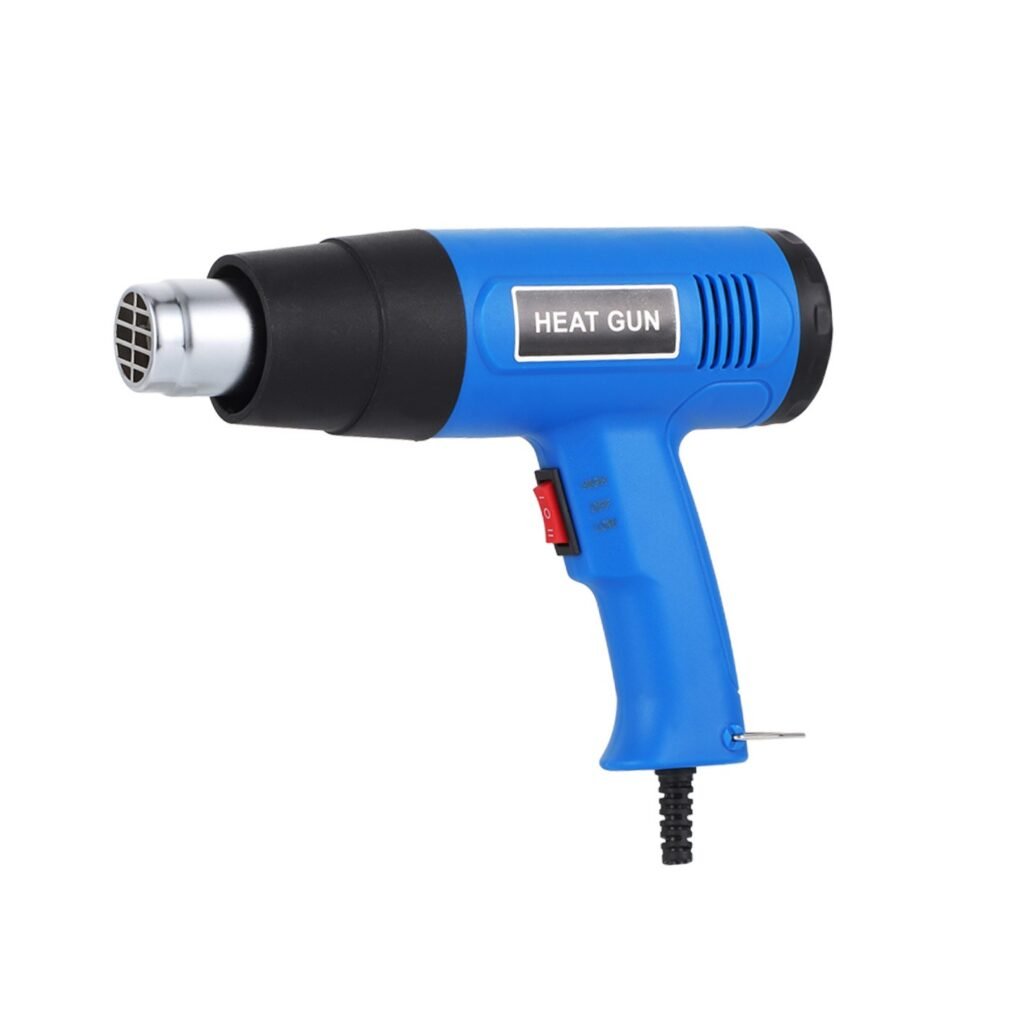
What Is Heat Shrinking Tubes and How Does It Work? A heat shrinking tube (also known as a polymer sleeve) is an expandable plastic tube engineered to insulate, protect, and bundle wires, cables, and electrical components. When exposed to a heat source, the tubing shrinks radially to fit tightly around underlying components, creating a protective […]
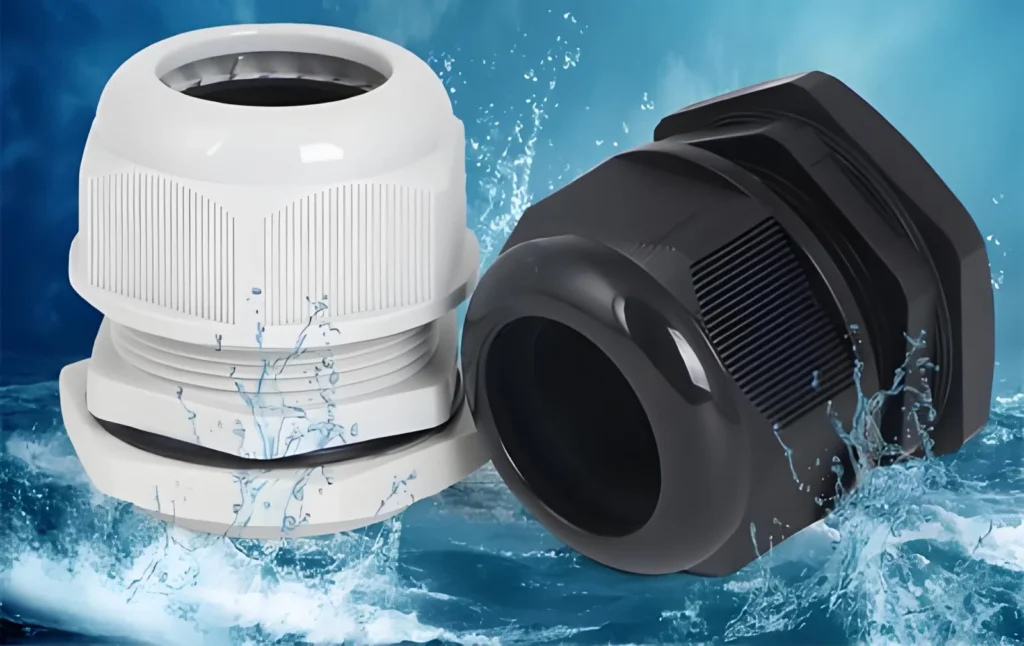
Are you tired of dealing with short circuits and ruined electronics because a seal failed? Knowing how waterproof are cable glands—and how to choose the right one—can be the difference between a flawless electrical system and a costly, water-logged disaster. In this guide, we are diving deep into the world of waterproof cable glands, decoding […]
Ever wondered how to choose the perfect cable tie for your project? This Cable Tie Size Guide will demystify the process of selecting the right cable tie dimensions. From length and width to bundle diameter and tensile strength, we’ll explore the key factors that determine the ideal cable tie size for your specific needs. How […]
We use cookies to enhance your browsing experience, serve personalised ads or content, and analyse our traffic. By clicking "Accept All", you consent to our use of cookies.
Looking For High Quality Nylon Cable Ties At A Great Price?
Order now to experience cost-effective cable tie products that provide convenience and protection for your work and life.



 EN
EN  AR
AR  ES
ES  PT
PT  FR
FR  RU
RU  DE
DE  KO
KO  JA
JA