Ever wrapped a massive bundle of cables, pulled them tight by hand, and ended up with sore fingers and a jagged, sharp tail that’s just waiting to slice someone open?
There’s a better way.
Whether you are managing a massive industrial wiring overhaul or just trying to clean up a messy server rack, a zip tie gun is the ultimate secret weapon. It doesn’t just speed up your workflow; it guarantees consistent tension and delivers a perfectly flush cut every single time—saving your hands and your sanity.
But using one effectively requires a bit more than just pointing and squeezing.
In this complete guide, you’re going to learn exactly how to use a zip tie gun like a pro, how to choose between manual and automatic models, and the crucial safety steps to keep your workspace hazard-free.
Let’s dive right in.
What Is a Zip Tie Gun and How Does It Work?
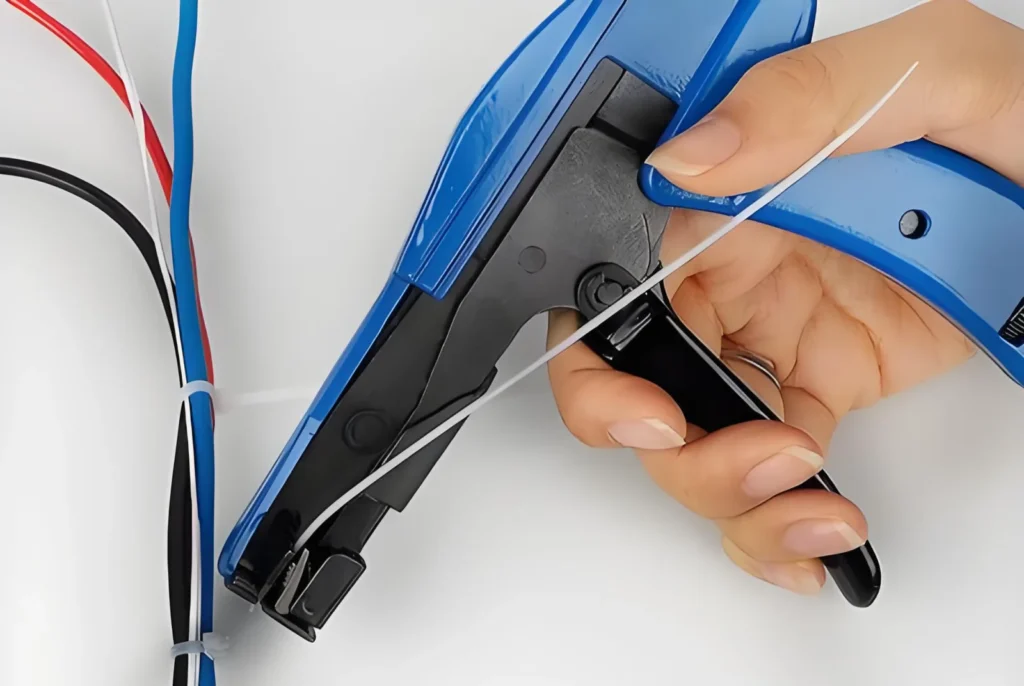
A zip tie gun—also widely known as a cable tie gun or wire tie gun—is a specialized professional tool designed to streamline the process of bundling cables, wires, and hoses. Instead of manually pulling and cutting ties, which often leaves sharp edges and inconsistent tension, this tool automates the final securing steps. It is a staple in electrical, automotive, and industrial sectors globally, ensuring every installation meets strict professional standards.
Core Components of a Cable Tie Tool
Understanding the anatomy of a cable tie tool gun ensures proper operation and longevity. The tool consists of several heavy-duty components engineered for high-repetition environments:
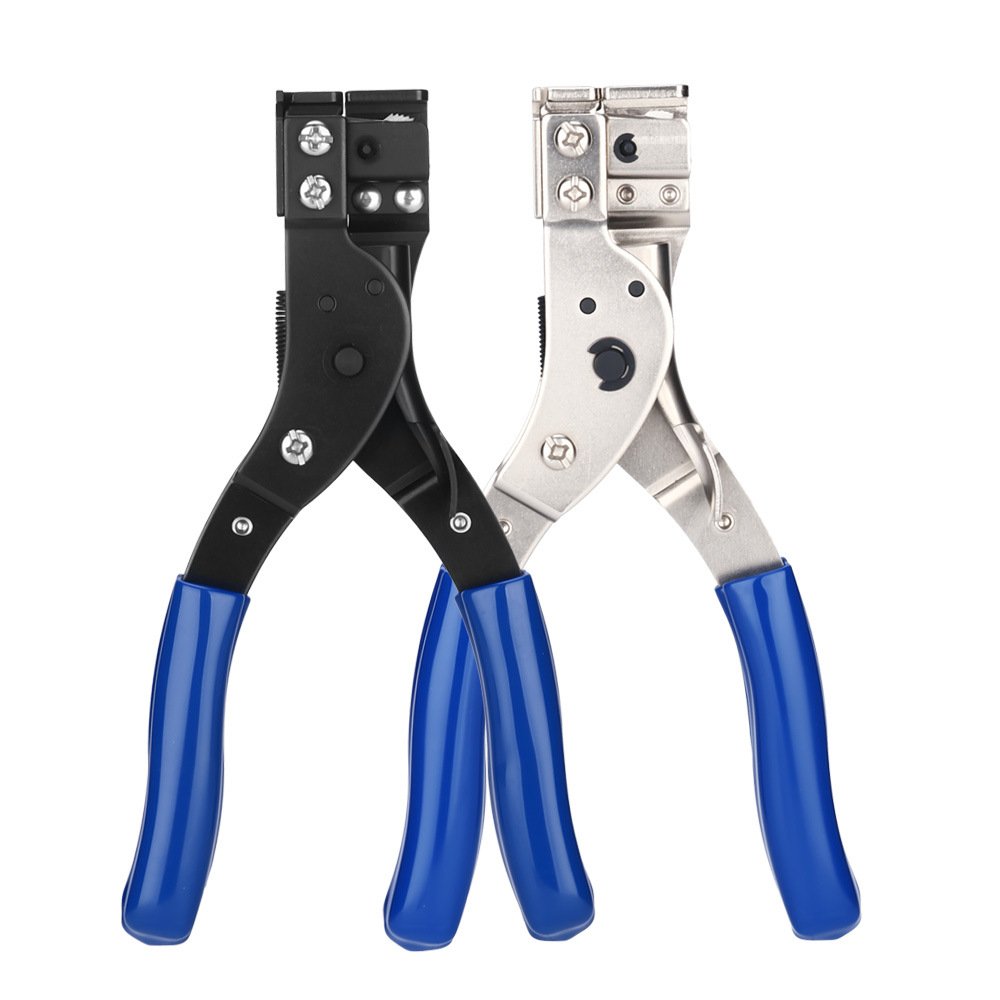
Tension Adjustment Knob: Located at the base or rear, allowing users to preset the exact pulling force.
Trigger Mechanism: An ergonomic lever that tightens the tie with minimal hand effort.
Gripping Mechanism: Internal jaws that securely grasp the tail of the tie wrap gun.
Built-in Cutting Blade: A precision-ground steel blade that shears off the excess tail cleanly.
Ergonomic Handle: Non-slip grips designed to reduce user fatigue during extended use.
The Working Principle Behind Tensioning and Cutting
The operation of a zip ties gun relies on a mechanical advantage system that combines incremental tensioning with an automatic or manual flush-cut mechanism.
Phase
Action
Mechanical Process
1. Tensioning
Squeezing the trigger
The internal jaws grip the tie tail and pull it backward, incremental stroke by stroke, until the preset tension limit is reached.
2. Lock-up
Reaching resistance
Once the binding resistance matches the dialed-in setting on the tool, the tensioning mechanism locks to prevent over-tightening.
3. Flush Cutting
pull or blade engagement
The integrated blade drives directly against the head of the cable tie, slicing the excess tail perfectly flush to eliminate sharp burrs.
Why Use a Zip Tie Gun?
Using a dedicated zip tie gun is a game-changer compared to tightening and cutting ties by hand. Whether managing a few wires or running massive production lines, a high-quality cable tie tool gun ensures professional results every time.
Ensuring Consistent and Proper Tension
Manually pulling a tie can lead to inconsistent results. Some are left too loose, causing wires to sag, while others are pulled too tight, risking damage to sensitive insulation.
Precision Control: A wire tie gun allows you to dial in the exact tension required.
Uniformity: Every single tie is tightened to the same threshold automatically, protecting internal components.
Protection: Avoid over-tightening on delicate setups, which is critical when securing fragile plastic cable ties or fiber optic bundles.
Preventing Hand Fatigue in High-Volume Tasks
Repetitive manual tightening strains the hands, wrists, and fingers quickly. For workers on assembly lines or large-scale installations, using a tie wrap gun is essential for ergonomic health.
Ergonomic Design: Low-force triggers handle the heavy pulling for you.
Increased Speed: Complete bundling tasks up to three times faster than manual methods.
Reduced Injury Risk: Drastically lowers the chances of repetitive strain injuries (RSI) during long shifts.
Achieving Clean, Flush Cuts for Safety
Standard wire cutters or knives often leave a sharp, jagged tail protruding from the tie head. These hidden hazards easily slice through skin or adjacent wiring during routine maintenance.
Flush-Cut Mechanism: A cable tie gun shears the excess strap exactly flush with the head.
Zero Sharp Edges: Eliminates accidental scratches and cuts for technicians working in tight spaces.
Professional Finish: Delivers a clean, snag-free look that meets strict industrial safety standards.
Common Types of Zip Tie Guns
When choosing the right tool for your project, understanding the different types of zip tie guns available makes all the difference. Matching the tool to your specific workflow and material ensures peak efficiency and safety.
Manual vs. Automatic Cable Tie Guns
For most standard projects, a manual cable tie gun is the go-to choice. You squeeze the trigger to tension the tie, and a final extra squeeze cuts the excess tail clean off. They are highly portable, affordable, and perfect for toolbox essentials.
If you handle high-volume assembly lines or massive bundling jobs, an automatic cable tie gun is a game-changer. These pneumatic or battery-powered tools pull the tie to a preset tension and cut it instantly with a single trigger pull. They eliminate manual effort entirely, drastically speeding up production times.
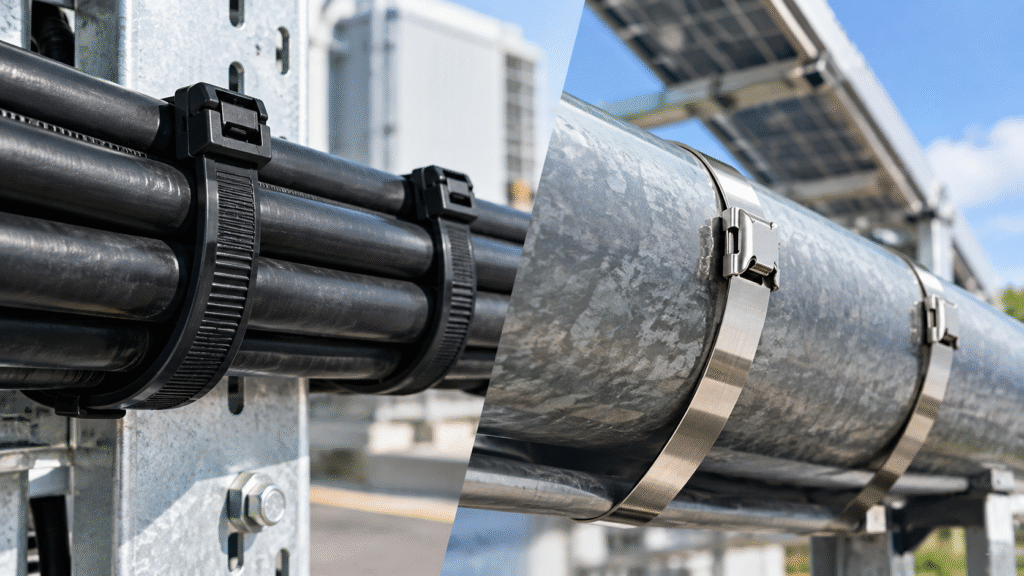
Plastic vs. Stainless Steel Zip Tie Guns
The material of your fasteners dictates the tool you need. A standard wire tie gun is designed specifically for nylon and plastic ties. It handles everyday bundling tasks with ease, ensuring you don’t over-tension and snap the plastic. However, standard nylon ties aren’t always a one-size-fits-all solution; for example, understanding material heat resistance properties is crucial when selecting fasteners for high-temperature environments.
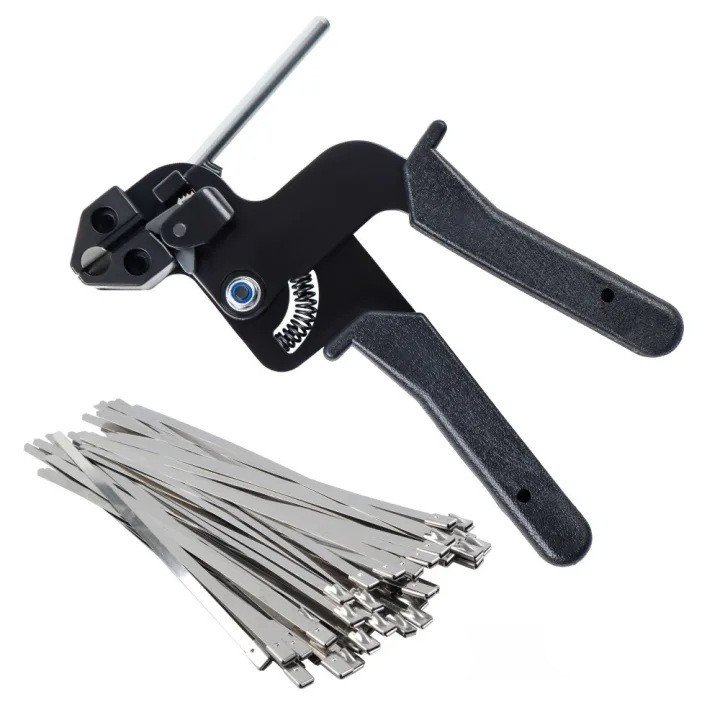
For extreme environments, a stainless steel zip tie gun is mandatory. Heavy-duty steel ties require immense force to tension and a specialized, hardened cutting blade to shear the metal tail without leaving razor-sharp edges. Attempting to use a standard plastic tie wrap gun on steel ties will instantly ruin the tool’s blade.
Feature
Plastic/Nylon Zip Tie Tool
Stainless Steel Zip Tie Tool
Best Used For
Standard nylon ties, bundling cables, everyday wiring
Metal ties, high-heat zones, heavy industrial use
Blade Material
Standard carbon steel
Hardened tool steel / Tungsten carbide
Tension Range
Low to medium
Extremely high
Step-by-Step Guide: How to Use a Zip Tie Gun Properly
Using a zip tie gun is the best way to get a professional, secure, and clean finish on any bundling job. Whether managing a massive bundle of network lines or securing outdoor gear with uv resistant zip ties, following the correct procedure ensures optimal results every time.
Here is exactly how to use this tool like a pro.
Step 1: Preparation and Wrapping the Bundle
Before picking up your cable tie tool gun, gather your wires, cables, or hoses and line them up neatly.
Wrap the tie: Wrap the zip tie around the bundle by hand.
Pre-engage the lock: Thread the tail into the locking head and pull it until it is snug against the bundle.
Leave a tail: Make sure there is enough loose tail left over, as the tool needs this extra length to grip and tension the tie.
Step 2: Loading the Tie into the Tool
Once the tie is hand-tightened around the bundle, it is time to engage your wire tie gun.
Align the tool: Slide the free nose or slot of the gun right up against the locking head of the zip tie.
Insert the tail: Insert the exposed tail of the tie into the side-loading slot or the front opening of the gun, depending on your specific tool design. Ensure the tool sits flush against the tie’s head.
Step 3: Tensioning and Securing the Tie
With the tool properly loaded, you can now apply the exact amount of force needed without damaging your cables.
Set your tension: If your cable wire tie gun has an adjustable tension dial, preset it to your desired level based on the thickness and sensitivity of the bundle.
Squeeze the trigger: Squeeze the trigger mechanism. The tool will automatically pull the tail, ratcheting the tie tight to your exact pre-set tension limit.
Step 4: Cutting and Inspection
The final step ensures safety and a clean appearance, eliminating sharp edges that can cause injury.
Flush cut: On automatic models, a final squeeze of the trigger activates the internal blade, cleanly cutting the excess tail perfectly flush with the head. For manual models, actuate the cutoff lever once the tie is tight.
Inspect the finish: Run your finger over the cut tie head. It should be completely smooth with no sharp, protruding plastic or metal left behind.
Applications and Common Use Cases
A reliable zip tie gun is a game-changer across multiple industries. Here is where we rely on these tools the most to get the job done efficiently and safely.
Electrical Wiring and Telecommunications
Managing massive bundles of sensitive data cables requires serious precision. Using a professional wire tie gun prevents over-tightening that could pinch or damage internal wires, keeping control panels perfectly organized.
Network Racks: Keeps complex data lines neat, manageable, and traceable.
Identification: Pair your tool with a tie wrap label for clear circuit identification.
Safety: Ensures flush cuts so technicians don’t scratch their hands during routine maintenance.
Industrial Manufacturing and Automotive
On assembly lines and under the hood, speed and consistency mean everything. Heavy machinery vibrations demand that every single tie wrap stays locked down securely under constant stress.
Wire Harnesses: Secures complex automotive circuits quickly without manual twisting.
High-Volume Assembly: Drastically reduces worker hand fatigue during long production shifts.
Quality Control: Delivers the exact same tension every single time to match strict industrial specs.
Marine and Outdoor Environments
Outdoor setups face harsh weather, UV rays, corrosion, and shifting winds. When using a heavy-duty or stainless steel zip tie gun, getting the right fit for your environmental demands is critical.
Infrastructure: Secures solar panel arrays and outdoor utility wiring safely.
Marine Rigging: Keeps lines, hoses, and conduits locked tight against rough waves.
Pro-Tip: Refer to our comprehensive cable ties sizes guide to perfectly match your outdoor bundle diameter with the right tool tension limits.
How to Choose the Right Zip Tie Gun
Selecting the ideal zip tie gun comes down to your specific application, the materials you handle daily, and your overall workload volume. Making the right choice ensures efficiency, saves your hands from fatigue, and guarantees a professional finish.
Matching the Tool to Your Cable Tie Material
You cannot use a standard plastic cable tie gun on heavy-duty metal ties. Matching the tool to the exact material of your ties is critical to prevent tool damage and ensure a clean cut.
If you occasionally need to remove older ties before installing new ones, using the proper how to remove cable tie techniques will keep the bundled wires safe from nicks and cuts before you apply the new wraps with your gun.
Evaluating Volume and Power Source Requirements
The scale of your project dictates the power source of your wire tie gun. Balancing workload volume against tool capabilities keeps your operation cost-effective and highly productive.
Manual Zip Tie Guns: Best for low-to-medium volume work, field repairs, and toolkit essentials. They rely on hand squeezes to tension and cut.
Pneumatic / Automatic Cable Tie Guns: Essential for high-volume industrial manufacturing and assembly lines. These tools use compressed air to instantly tension and cut ties, drastically reducing operator fatigue and ensuring uniform tension across thousands of cycles.
Maintenance, Troubleshooting, and Safety Tips
Keeping your zip tie gun in top shape ensures clean cuts and saves your hands from unnecessary strain. Like any dependable wire tie gun, a little routine care goes a long way in preventing jams and extending the tool’s lifespan.
How to Replace the Cutting Blade
When your cable tie tool gun starts leaving jagged edges or requires extra force to slice through ties, it is time to swap out the blade.
Disconnect Power (if applicable): Ensure the tool is completely disengaged.
Locate the Blade Retainer: Use a small screwdriver or hex wrench to remove the retaining screw near the nosepiece.
Slide Out the Old Blade: Carefully remove the dull blade using needle-nose pliers.
Insert the Replacement: Slide the new, sharp blade into the slot, ensuring the cutting edge faces the correct direction.
Secure and Test: Tighten the retaining screw and test the zip tie gun on a few sample ties to verify a flush finish.
Cleaning and Daily Maintenance Checklist
A clean tie wrap gun rarely misfires. Incorporate these quick steps into your daily routine to keep your equipment operating smoothly:
Blow Out Debris: Use compressed air to clear plastic shavings and dust out of the tensioning mechanism.
Inspect the Nosepiece: Check for any hairline cracks or warping that could misalign the tie during cutting.
Lubricate Moving Parts: Apply a single drop of lightweight machine oil to the primary pivot points and springs once a week.
Wipe Down the Grip: Keep the handle free of oil and grease to maintain a secure, ergonomic hold.
Troubleshooting Tensioning and Jamming Issues
Problem
Likely Cause
Quick Fix
Tie slips and won’t tighten
Worn-out tension gripper or dirt buildup
Clean the gripping teeth with a wire brush; replace if worn smooth.
Gun jams mid-cycle
Debris or broken tie tails stuck in the nose
Use a pair of pliers to pull the jammed tail backward out of the mechanism.
Cut is not flush
Blunt blade or incorrect tension setting
Sharpen or replace the blade; adjust the tension knob to match the tie width.
OSHA and Electrical Safety Standards
Safety should always come first when managing heavy-duty bundles. When using a cable tie gun for electrical wiring, compliance with industry safety standards prevents costly workplace accidents.
Pro Tip: Always use insulated tools when working near live circuits. Standard metal zip tie guns conduct electricity and pose a severe shock hazard if they contact exposed wires.
Prevent Sharp Edges: OSHA flags protruding zip tie tails as laceration hazards. Always set your zip ties gun to cut perfectly flush to eliminate sharp plastic points.
Match Material Strength: For demanding industrial environments, always use the strongest zip ties rated for the specific load and environment to comply with structural safety codes.
Proper Ergonomics: Repetitive gripping can lead to carpal tunnel syndrome. Keep your wrist straight and utilize the tool’s tension calibration to let the mechanical advantage do the heavy lifting.
Frequently Asked Questions (FAQ)
Can I use a standard zip tie gun on stainless steel ties?
No, you cannot use a standard plastic cable tie gun on stainless steel ties. Standard tools lack the hardened steel cutting blades and high-tension mechanisms required to cut through metal. Attempting to use a standard wire tie gun on stainless steel will immediately dull or shatter the blade and damage the tension system. For metal ties, always utilize a dedicated stainless steel cable tie gun designed specifically to handle heavy-duty metal materials.
How do I know when to replace the cutting blade?
Your zip tie gun will give you clear warning signs when the blade begins to dull. Watch out for the following indicators: Rough or frayed edges: The tool leaves sharp, jagged tails instead of a flush cut. Increased effort: You have to squeeze the trigger multiple times or apply excessive force to cut the tie. Jammed ties: The tail gets stuck in the nosepiece instead of shearing off cleanly.
Replacing the blade early ensures clean, safe cuts and prevents unnecessary hand fatigue during high-volume installations.
What tension setting should I use for electrical applications?
For electrical wiring and telecommunications, you should use a low-to-medium tension setting.
Important Safety Note: Setting the tension too high on your cable tie tool gun can crimp or cut into the wire insulation, leading to short circuits or signal interference.
The goal is to secure the bundle firmly so it does not slide, without pinching the jacket of the cables. If you are bundling delicate data lines, consider using specialized fasteners like tie wraps with screw hole at a low tension setting to keep cables organized and safely anchored to the enclosure panels without overtightening.
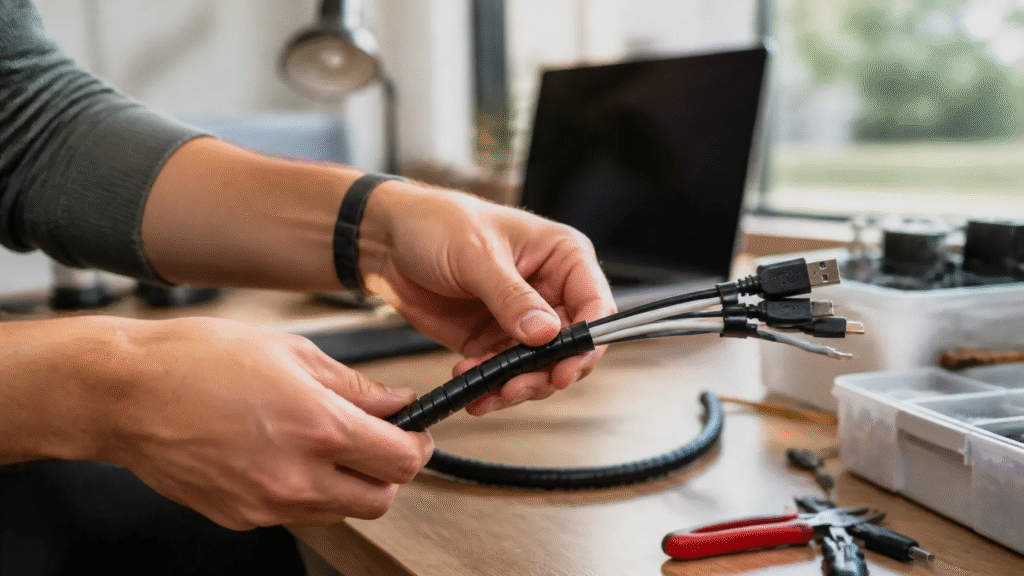
Are you struggling with damaged hoses, messy wire bundles, or constant equipment wear and tear? Knowing exactly how should a spiral wrap be applied can mean the difference between a clean, long-lasting setup and expensive downtime. Whether you need rugged abrasion protection, seamless bundle organization, or flexible cable protection for industrial, electrical, or medical applications, […]
Standard fasteners might work for simple cables, but when you’re securing industrial loads, HVAC ductwork, or heavy machinery, a snapped tie is not an option. So, what are the heaviest duty zip ties on the market today? From ultra-rugged 250 lb+ nylon cable ties to virtually indestructible stainless steel zip ties, the real answer comes […]
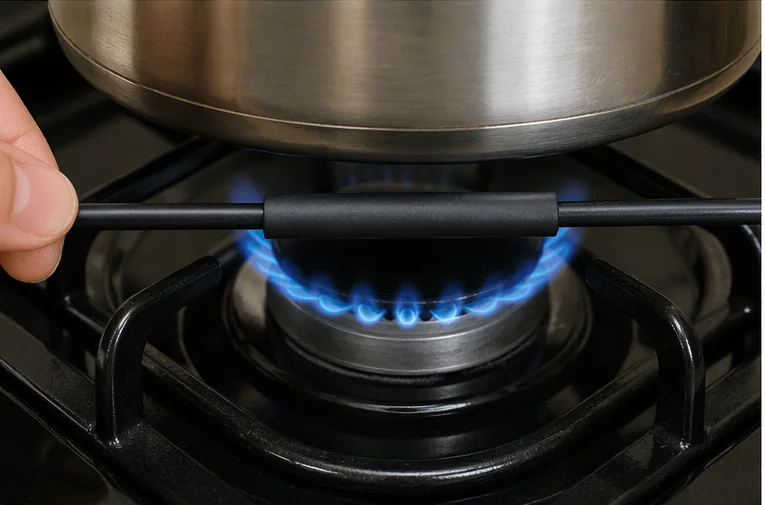
Why You Might Need an Alternative to a Heat Gun While an electric heat gun is the industry standard for activating heat shrink tubing, it is not always the most practical or accessible tool for every scenario. Resourcefulness is key in electrical maintenance, and understanding how to achieve a professional-grade seal with alternative heat sources […]
We use cookies to enhance your browsing experience, serve personalised ads or content, and analyse our traffic. By clicking "Accept All", you consent to our use of cookies.
Looking For High Quality Nylon Cable Ties At A Great Price?
Order now to experience cost-effective cable tie products that provide convenience and protection for your work and life.

 EN
EN  AR
AR  ES
ES  PT
PT  FR
FR  RU
RU  DE
DE  KO
KO  JA
JA  IT
IT