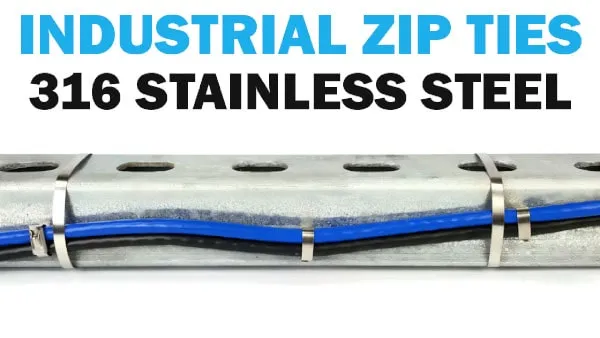
Stainless steel zip ties—also known as metal cable ties—are high-strength, heavy-duty fasteners engineered to secure cables, wires, pipes, and hoses in severe operational environments. When standard plastic ties melt, crack, or degrade, these industrial-grade metal fasteners maintain structural integrity and steady tension.
At WANDU, we engineer heavy duty stainless steel cable ties to solve critical bundling challenges across demanding global industries.
Primary Function: Fastening, bundling, and securing heavy industrial loads under high stress.
Material Grades: Available in 304 stainless steel zip ties for robust standard applications, and 316 stainless steel cable ties for extreme marine and chemical exposure.
Core Advantage: Unmatched durability against fire, extreme thermal cycles, radiation, and harsh weather.
Main Components of a Metal Cable Tie
A high-performance stainless steel metal cable tie relies on a streamlined, precision-engineered design:
Component
Function & Features
Locking Head
Contains an integrated self-locking mechanism (typically a rolling ball) that grips the strap permanently.
Stainless Steel Band
A smooth, high-tensile strap engineered to resist extreme pulling forces without stretching or snapping.
Tapered Tail
An angled tip at the end of the strap designed for fast, effortless insertion into the head assembly.
How Do Stainless Steel Zip Ties Work?
Understanding how stainless steel zip ties function comes down to smart mechanical engineering. Unlike standard plastic ties, metal cable ties rely on wedging friction, spring pressure, or positive mechanical interlocks to lock the strap permanently in place without slipping under load.
The Ball-Lock Mechanism Explained
The ball lock mechanism is the most widely used design in modern stainless steel ball lock cable ties.
Internal Rolling Ball: Inside the locking head sits a tiny, ultra-hard stainless steel ball inside a sloped chamber.
One-Way Insertion: As you slide the smooth metal tail into the head, the ball rolls forward freely, allowing the band to pass through smooth and fast.
Automatic Wedging: When you tighten the tie and stop pulling, tension forces the ball backward down an internal ramp, wedging it tightly against the strap.
This wedging action creates a strong friction hold that resists extreme tension without creeping over time.
Ladder-Type and Spring-Locking Systems
For specialized applications, alternative locking designs offer tailored performance:
Ladder Stainless Steel Cable Ties: Feature pre-punched, evenly spaced slots along the strap. A locking tab in the head drops directly into the slots like a rung on a ladder, delivering a positive mechanical grip.
Spring-Locking Systems: Built with an internal spring-tensioned wedge or wave-lock design. These maintain continuous clamping pressure even when bundle diameters expand or contract due to thermal changes.
Self-Locking vs. Releasable Mechanisms
Matching the locking mechanism to your workflow ensures faster installation and easier maintenance:
Self-Locking Mechanisms: Built for permanent, high-security installations. Once cinched tight, stainless steel locking ties lock automatically. While standard plastic fasteners rely on flexible pawls—similar to how nylon self-locking cable ties work—metal self-locking ties use wedging pressure designed never to back out.
Releasable Mechanisms:Reusable metal zip ties utilize a buckle head with a foldable release tab. Prying the tab back disengages the locking tooth, allowing you to adjust, remove, or reinstall the wire tie during maintenance.
Key Benefits of Stainless Steel Cable Ties
When standard plastic fasteners fall short under harsh conditions, metal ties provide an unbeatable solution. We engineer our heavy duty stainless steel cable ties to withstand the most demanding environments, providing long-term security where failure is not an option.
Extreme Temperature and Weather Resistance
Standard nylon ties brittle in extreme cold and melt under heavy heat. Stainless steel metal cable ties handle environmental extremes easily:
Operating Range: Perform reliably from -80°C to +538°C (-112°F to +1000°F).
Fire Safety: Completely non-flammable, making them essential for high-heat areas like exhaust wraps, engine bays, and industrial piping.
Zero Melting Risk: While standard plastics degrade quickly near heat sources, understanding how temperature impacts tie properties shows why steel is mandatory for thermal protection.
High Tensile Strength and Heavy-Duty Capacity
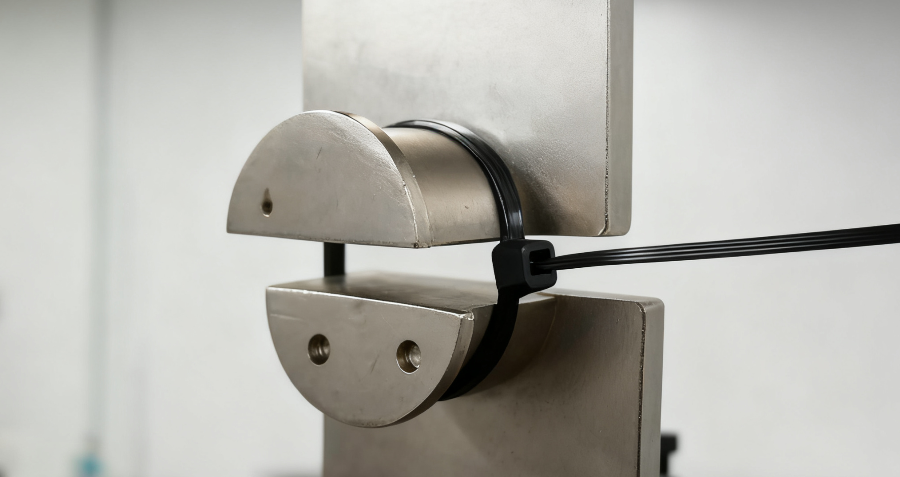
When securing heavy bundle weights, high tensile strength is non-negotiable. Our heavy duty metal zip ties deliver superior mechanical holding power compared to traditional plastic alternatives.
Marine rigging, offshore oil rigs, heavy machinery
Corrosion, UV, and Chemical Resistance
Outdoor elements and active chemicals destroy normal wiring accessories over time. Metal cable ties eliminate this risk through specialized material grades:
304 Stainless Steel Zip Ties: Perfect for general outdoor exposure, resisting rust, moisture, and basic industrial chemicals.
316 Stainless Steel Cable Ties: High-grade marine steel containing molybdenum for maximum resistance against saltwater, aggressive acids, and harsh chemical solvents.
100% UV Immunity: Unaffected by direct sunlight, preventing the drying, cracking, and snapping common with outdoor nylon ties.
Types of Stainless Steel Cable Ties
We offer different types of metal cable ties to meet specific job requirements, from extreme thermal resistance to protecting sensitive cable jackets. Choosing the right style ensures optimal safety and long-term durability for your setup.
Uncoated vs. Coated Cable Ties
Uncoated Stainless Steel Ties: Made from pure bare metal, these offer maximum heat resistance and extreme tensile strength. They excel in ultra-high-temperature environments like exhaust systems and industrial furnaces.
Coated Stainless Steel Ties: Covered with a protective layer of polyester or epoxy, coated stainless steel cable ties provide added protection against galvanic corrosion between dissimilar metals. The smooth coating also prevents sharp metal edges from slicing into delicate cable insulation or soft hoses.
Ball-Lock Stainless Steel Ties
Ball-lock ties are the workhorses of metal bundling. They feature an internal rolling ball mechanism inside the locking head that grips the strap tightly as you tension it.
Self-Locking Efficiency: Requires no manual crimping—simply thread the tail and pull tight.
High Tensile Strength: Built to withstand intense mechanical loads and vibration without slipping.
Versatile Material Grade: Available in 304 stainless steel zip ties for general indoor and outdoor use, as well as marine-grade 316 for high-salinity and chemical environments.
Releasable and Ladder-Style Ties
Ladder-Style Ties: Designed with evenly spaced cutouts along the strap, flexible stainless steel ladder cable ties lie flat and wrap effortlessly around tight bends or smaller cable bundles where rigid ties will not conform.
Releasable Metal Cable Ties: Feature a specialized latching system that allows you to unlock and adjust the tie. They are ideal for temporary wiring, prototyping, or systems requiring frequent maintenance upgrades without wasting hardware.
Common Applications and Uses
Industrial and Manufacturing Facilities
Industrial manufacturing environments put severe physical and thermal strain on cable management hardware. We manufacture heavy duty stainless steel cable ties designed specifically to withstand these punishing conditions:
Factory Automation & Conduit Routing: Securing heavy power lines, hydraulic hoses, and conduit trays across active assembly lines.
Chemical & High-Heat Processing: Utilizing 304 stainless steel zip ties near boilers, kilns, and chemical washdown zones where plastics melt or degrade.
Vibration Resistance: Preventing line sagging and joint displacement around heavy industrial pumps and vibrating machinery.
Marine and Offshore Operations
Saltwater environments destroy standard fasteners through rapid galvanic and pitting corrosion. Offshore rigs, commercial ships, and port facilities rely on specialized marine-grade hardware:
Submerged & Splash-Zone Routing: Using 316 stainless steel cable ties to secure underwater sensors, sonar arrays, and deck wiring exposed to constant salt spray.
Shipbuilding & Dock Infrastructure: Holding high-voltage cables firm against heavy sea weather, UV breakdown, and extreme mechanical forces.
Offshore Energy Platforms: Securing critical control lines on oil platforms and floating wind installations without requiring frequent maintenance.
Automotive, Solar, and Energy Sectors
Modern renewable installations and high-performance vehicle systems require long-term reliability under extreme thermal and environmental stress:
Automotive & Exhaust Systems: Stainless steel tie wraps securely fasten heat shielding, turbocharger piping, and high-temperature engine bay bundles. For non-heated cabin environments, teams often pair these with standard solutions like nylon cable ties for automotive wiring harnesses.
Solar Farms & Photovoltaic Racks: Heavy duty metal zip ties lock solar panel wiring directly to aluminum tracking frames, resisting decades of direct UV exposure, freezing temperatures, and high winds.
Wind Turbines & Power Grids: Securing grounding straps, high-voltage transmission lines, and busbars inside turbine nacelles and power distribution towers.
How to Use and Install Stainless Steel Zip Ties
Step-by-Step Manual Installation Guide
Installing heavy duty stainless steel cable ties manually requires minimal effort and no special equipment for basic bundling:
Wrap: Pass the tail of the tie around the cables, pipes, or hoses you want to secure.
Insert: Slide the pointed end through the locking head mechanism.
Pull: Pull the tail tightly by hand until the tie rests firmly against your bundle.
Lock: Give a quick pull backward to ensure the internal mechanism locks the strap securely in place.
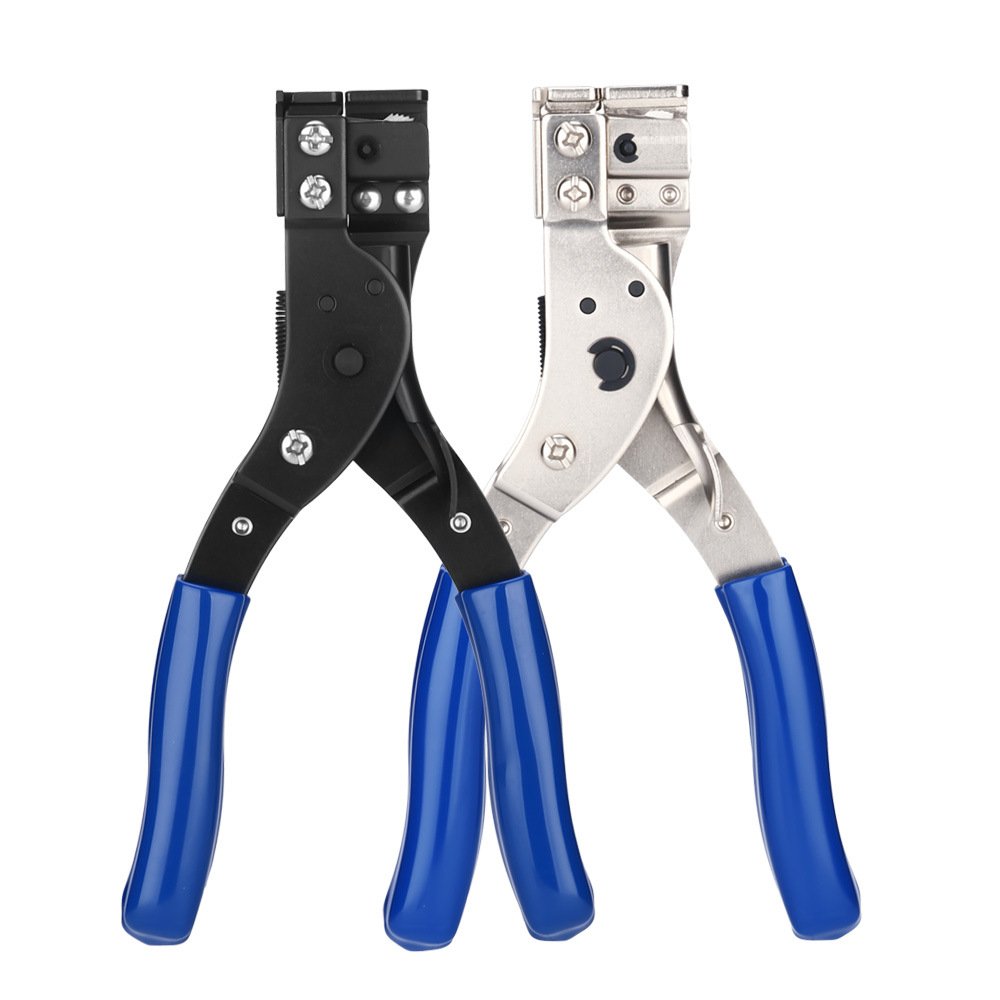
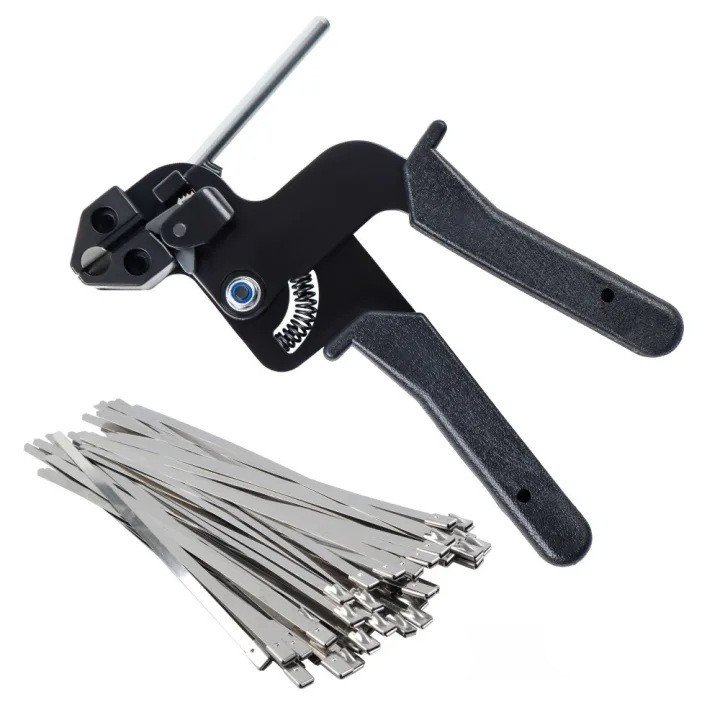
For large industrial projects or high-vibration applications, a manual pull might not supply enough force. Using a specialized cable tie tension tool (or metal zip tie gun) ensures maximum tightening consistency:
Feed the Tail: Place the free end of the installed tie into the nose of the tension tool.
Apply Tension: Squeeze the tool lever repeatedly until you reach your desired bundle tightness.
Trigger the Cut: Most professional tensioning guns automatically trim the strap flush with the head once pre-set tension is achieved.
How to Safely Cut and Remove Excess Tail
Uncut metal tails leave razor-sharp edges that can cut workers or damage adjacent wire insulation.
Use Diagonal Cutters: Snip the excess tail as close to the head as possible using heavy-duty diagonal pliers or tin snips if a tension gun isn’t available.
File or Bend Edges: If a small burr remains, bend it down or touch it up with a small file to maintain a smooth, safe finish.
Standard ball lock stainless steel cable ties are built for permanent single-use fastening, but you can disengage them when modifications are needed:
Bypass the Locking Ball: Insert a small flathead screwdriver, pin, or paperclip into the top slot of the locking head to push the internal steel ball back from the strap.
Slide Out: Hold the ball back while pulling the metal strap out of the head.
Use Releasable Ties: If your project requires frequent maintenance, opt for designated ladder-style or reusable metal cable ties featuring built-in release tabs.
2>Stainless Steel vs. Nylon Cable Ties: How to Choose
Choosing between stainless steel zip ties and traditional nylon ties comes down to your operating environment, strength requirements, and long-term budget. While nylon works great for general indoor wiring, metal cable ties are essential when conditions get extreme.
Performance Comparison and Durability
For heavy-duty industrial applications, stainless steel wire ties far outlast synthetic fasteners. They do not degrade under harsh sunlight, freeze, or melt under high thermal strain.
Cost, Environmental Factors, and Selection Criteria
To select the right tie for your application, evaluate these core factors:
Environmental Exposure: Use 304 or 316 stainless steel tie wraps for offshore rigs, solar farms, automotive exhaust systems, and chemical processing facilities. Standard indoor bundle jobs are better suited for lightweight polymers.
Material Specifications: For plastic applications, understanding the differences between nylon 6 and nylon 66 cable ties is critical for heat performance, but for extreme heat or fire-proof requirements, metal is non-negotiable.
Total Cost of Ownership: Nylon has a lower upfront purchase price. However, heavy duty stainless steel cable ties deliver a lower total cost of ownership in harsh environments by eliminating frequent maintenance, snapped ties, and line shutdowns.
Mechanical Load: If your installation experiences strong vibrations, heavy physical pull, or high weight loads, rely on the self-locking mechanism of stainless steel ties to maintain a permanent hold.
Zip ties, also called cable ties, are available in a wide range of shapes, sizes, and strengths to suit various tasks. However, for jobs requiring extra durability, heavy duty zip ties are the ideal solution. With so many options on the market, it can be challenging to determine which one is best suited for your […]
1. What is Zip Tie Strength Zip tie strength refers to the maximum load a zip tie can withstand before breaking. This metric is critical to ensure cables, pipes, or equipment are held securely without loosening. The most commonly used self-locking zip tie has its strength mainly determined by material type, strap width, and the […]
Are Zip Ties Recyclable? Standard plastic zip ties are generally not recyclable through typical residential recycling systems. While the plastic resins used to manufacture them are technically meltable, their physical design and the structural properties of the material create massive roadblocks for standard municipal processing plants. Why Most Curbside Programs Do Not Accept Zip Ties […]
We use cookies to enhance your browsing experience, serve personalised ads or content, and analyse our traffic. By clicking "Accept All", you consent to our use of cookies.
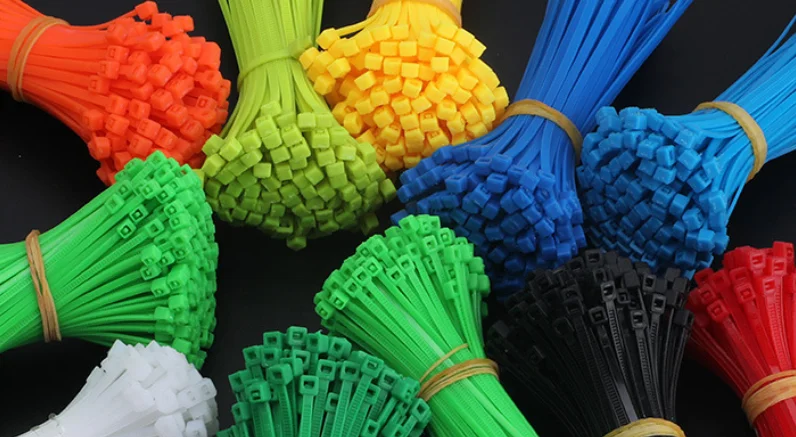
Looking For High Quality Nylon Cable Ties At A Great Price?
Order now to experience cost-effective cable tie products that provide convenience and protection for your work and life.


 EN
EN  AR
AR  ES
ES  PT
PT  FR
FR  RU
RU  DE
DE  KO
KO  JA
JA  IT
IT