Are you tired of dealing with short circuits and ruined electronics because a seal failed? Knowing how waterproof are cable glands—and how to choose the right one—can be the difference between a flawless electrical system and a costly, water-logged disaster.
In this guide, we are diving deep into the world of waterproof cable glands, decoding IP ratings like IP67, IP68, and IP69K, and exploring how different materials like nylon, brass, and stainless steel impact performance. You’ll learn exactly how to match your cable OD, thread type, and panel thickness to ensure a permanent, water-tight seal.
Let’s dive right in.
Understanding Waterproof Cable Glands and How They Work
What is a Waterproof Cable Gland?
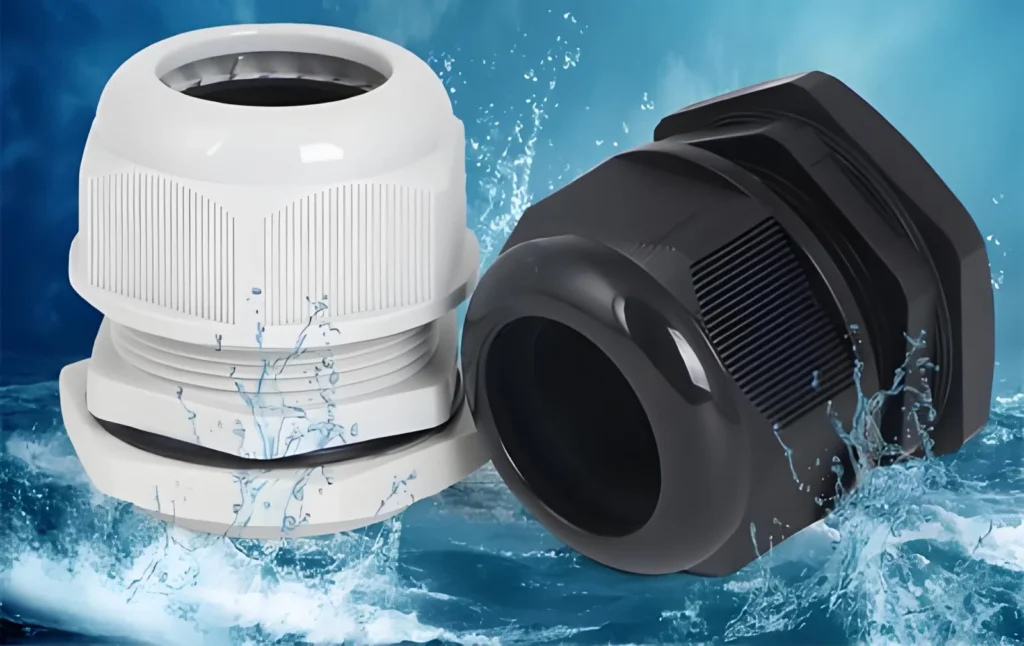
A waterproof cable gland is a specialized mechanical cable entry device used to secure the end of an electrical cable to an enclosure or piece of equipment. Also known as a waterproof gland connector, its primary function is to provide a secure pass-through point while maintaining the environmental seal of the enclosure. By tightly clamping the cable, it prevents dust, moisture, and liquids from penetrating electrical systems, ensuring continuous power and signal integrity.
How Do Cable Glands Seal and Keep Water Out?
The secret to how a cable gland waterproof mechanism functions lies in its internal compression components. When a cable is threaded through the gland, the outer nut is tightened, which forces an internal elastomeric seal (often made of high-grade rubber, neoprene, or silicone) to compress firmly around the cable jacket.
Radial Compression: The internal seal deforms symmetrically around the cable’s outer diameter (OD), leaving zero gaps for water ingress.
Thread Sealing: An O-ring or interface washer seals the junction between the gland body and the enclosure wall, blocking water from sneaking past the mounting hole.
Strain Relief: The integrated gripping claws prevent the cable from twisting or pulling out, which ensures the waterproof seal remains intact even under mechanical stress.
The Importance of Waterproof Cable Glands in Electrical Systems
Utilizing premium waterproof electrical glands is non-negotiable for protecting critical infrastructure. Water ingress leads to short circuits, component corrosion, and catastrophic system failures.
Environmental Protection: Safeguards sensitive electronics in outdoor, marine, and industrial washdown environments.
Operational Safety: Prevents hazardous electrical faults, protecting personnel from shocks and equipment from fires.
Longevity: Extends the lifespan of both the cabling and the enclosed components by maintaining a dry, controlled internal atmosphere.
Decoding IP Ratings for Cable Gland Waterproofing
When determining how waterproof are cable glands, you cannot rely on guesswork. You need to look straight at the IP (Ingress Protection) rating. This standardized grading system tells you exactly how much dust and moisture a waterproof cable gland connector can handle before it fails.
What is an IP Rating?
An IP rating consists of two digits defined by international standards: First Digit (0–6): Measures protection against solid objects and dust. A rating of 6 means the gland is completely dust-tight. Second Digit (0–9K): Measures protection against liquids and water entry. Higher numbers mean better waterproofing.
Common IP Ratings for Cable Glands (IP67 vs IP68 vs IP69K)
Choosing the right waterproof gland requires understanding the practical differences between the three most common high-protection ratings.
IP Rating
Dust Protection
Water Protection Level
Typical Application
IP67
Dust-tight (6)
Protection against temporary immersion in water (up to 1 meter for 30 minutes).
Outdoor junction boxes, light rain exposure.
IP68
Dust-tight (6)
Protection against continuous submersion in water under conditions specified by the manufacturer.
Protection against high-pressure, high-temperature washdowns and steam cleaning.
Food processing plants, heavy machinery, chemical wash zones.
Does IP68 Guarantee Protection Against High-Pressure Washdowns?
No, it does not. A common mistake in industrial installations is assuming that an IP68 waterproof cable gland can handle everything.
IP68 is engineered for continuous submersion at specific depths (e.g., 5 meters for 24 hours). It handles static water pressure beautifully.
IP69K is specifically engineered for dynamic pressure—think high-pressure hot water jets blasted at close range during sanitization cycles.
If your equipment faces regular high-pressure cleanings, an IP68 rating can still leak. For heavy washdown environments, you must specify IP69K-rated waterproof wire glands to ensure total system integrity.
Material Choices and Their Impact on Waterproof Performance
The durability of a waterproof cable gland depends entirely on its construction materials. Choosing the right material ensures the gland maintains its liquid-tight seal under mechanical stress and environmental exposure. Since 2011, we have focused on strict production controls to ensure our cable protection systems withstand the toughest industrial conditions.
Nylon vs. Brass vs. Stainless Steel Glands
We manufacture cable glands in various materials to suit different application requirements:
Plastic (Nylon): Lightweight, highly flexible, and cost-effective. Ideal for general outdoor applications requiring UV and weather resistance.
Brass & Stainless Steel: Designed for heavy-duty industrial environments. These metal options offer superior mechanical strength, long-term durability, and high resistance to physical impacts.
How Rubber and Seal Selection Prevents Water Leakage
The inner seal is the core component that determines how waterproof are cable glands.
Compression Seal: High-quality internal rubber seals compress tightly around the cable jacket.
Ingress Prevention: This compression prevents water, dust, and moisture from entering the enclosure.
Strain Relief: Properly matched seals prevent gaps even when cables are subjected to bending or pulling forces.
Corrosion and Temperature Resistance in Extreme Weather
Industrial installations face harsh conditions like low temperatures, chemical exposure, and intense UV rays. Our cable protection solutions are engineered to withstand these environmental hazards. By utilizing weather-resistant materials and strict production controls, we ensure that our Metric, PG, and NPT thread glands maintain their waterproof integrity without cracking or degrading over time.
How to Choose the Right Waterproof Cable Gland
Selecting the correct waterproof cable gland is critical to maintaining the seal integrity of your electrical enclosures. We have spent over a decade manufacturing reliable cable protection systems that shield wiring from harsh environmental hazards.
Matching Cable OD, Thread Type, and Panel Thickness
To achieve a truly waterproof connection, you must match the cable’s outer diameter (OD) with the correct gland size and thread type. We offer three primary thread standards to meet global specifications:
Metric (M): The global standard for most modern machinery.
NPT: The standard for tapered threads in North American installations.
Thread Type
Common Standards
Primary Application
Metric (M)
M12 to M63
Global industrial machinery
PG
PG7 to PG48
European electrical systems
NPT
NPT1/4″ to NPT2″
North American conduit systems
Ensure the panel thickness matches the thread length of the gland to allow the locknut to tighten securely, compressing the internal seal.
Selecting the Right IP Rating Based on Application
The environment dictates how waterproof your cable glands need to be. We manufacture our components under strict production control to meet international ingress protection standards:
IP65/IP66: Best for basic dust protection and light water spray (rain).
IP67: Suitable for temporary immersion in water.
IP68: Essential for continuous underwater submersion and extreme weather-resistant applications.
Standard Waterproof Glands vs. Armored Cable Glands
Standard Waterproof Glands: Designed for unarmored cables. They rely on a single compression seal around the outer jacket to keep moisture out.
Armored Cable Glands: Feature dual-sealing mechanisms. They seal the inner bedding, clamp the steel wire armor (SWA) for grounding, and seal the outer sheath to prevent water ingress.
For custom project specifications or to request a free quote on our Metric, PG, and NPT waterproof cable gland connectors, contact our team for a guaranteed response within 24 hours.
Proper Installation Guide for Long-Lasting Waterproofing
Even the best waterproof cable gland will fail if it isn’t installed correctly. Real-world water protection depends entirely on a precise fit and proper torque. If you want to keep moisture completely out of your electrical enclosures, exact installation steps must be followed.
Step-by-Step Guide to Installing a Waterproof Cable Gland
Knowing how to install waterproof cable glands properly prevents costly system failures. Follow this straightforward process for a reliable seal:
Prep the Enclosure: Clean the area around the mounting hole. Ensure the hole matches your thread specification, whether using a standard metric size or a pg7 waterproof cable gland. Remove any burrs or sharp edges.
Position the Gasket: Place the sealing washer or O-ring onto the thread entry body. This component must sit flat against the outside wall of your junction box.
Mount the Body: Insert the waterproof gland through the clearance hole and secure it from the inside using the locknut. Tighten it firmly, but do not over-torque.
Route the Cable: Feed your cable through the dome nut, the internal sealing insert, and into the enclosure.
Lock Down the Cap: Tighten the outer dome nut. This action compresses the internal rubber claw around the cable jacket, finalizing the waterproof cable gland connector assembly.
Ensuring a Water-Tight Seal Inside the Enclosure
Achieving a true cable gland waterproof barrier requires a perfect interface between the gland body and the enclosure wall.
Surface Flatness: The mounting surface must be completely flat. Installing waterproof electrical glands on curved surfaces or over heavy paint ridges creates micro-gaps that invite water ingress.
Gasket Compression: Watch the sealing washer as you tighten the locknut. It should compress evenly around the perimeter. If the gasket begins to bulge or split, it is over-tightened and must be replaced.
Thread Engagement: Ensure the entry threads are fully engaged. Loose threads allow water to travel down the spiral pathways directly into your electronics.
Why Do Certified IP68 Cable Glands Still Leak?
It is incredibly frustrating when certified waterproof wire glands still allow water to seep in. This usually happens due to a few common, overlooked oversights:
Mismatched Cable Diameters: If the cable outer diameter (OD) is too small for the selected waterproof gland connector, the internal rubber seal cannot compress tightly enough to close the gap.
Irregular Cable Shapes: Standard waterproof glands cable solutions are designed for perfectly round profiles. Using flat, oval, or heavily textured cables leaves open channels for water.
The “Breathing” Effect: High internal temperatures followed by sudden external cooling (like a rainstorm) creates a vacuum inside the enclosure. This pressure drop can literally suck water through weak points or improperly torqued seals.
Damaged Cable Jackets: Deep scratches, cuts, or manufacturing seams along the cable jacket prevent the internal rubber seal from making full, continuous contact.
Frequently Asked Questions About Cable Gland Waterproofing
How do engineers verify and test water tightness?
Engineers verify the performance of a waterproof cable gland using standardized testing methods to measure Ingress Protection (IP) ratings.
Water Immersion Testing: Submerging the gland assembly at specific depths and durations to verify IP67 or IP68 ratings.
High-Pressure Spray Tests: Subjecting the gland to high-pressure water jets from multiple angles to simulate IP69K conditions.
Pressure Decay Testing: Measuring air pressure drops inside the sealed enclosure to detect microscopic leak paths before water is introduced.
Our cable protection systems undergo strict production control to ensure they meet these rigorous international waterproofing standards.
Can I use standard waterproof glands for armored cables?
No, standard waterproof cable glands are designed for unarmored cables. Armored cables require specialized glands that clamp onto the metal armor to provide electrical continuity, grounding, and mechanical retention.
Using a standard gland on an armored cable compromises both the physical grip and the liquid-tight seal, leaving the system vulnerable to water ingress.
What details are needed when ordering waterproof glands from a supplier?
To get an accurate quote and ensure the right fit for your cable protection system, provide the following specifications:
Thread Type: Specify whether you need Metric (M), PG, or NPT threads.
Cable Outer Diameter (OD) Range: The exact minimum and maximum thickness of the cable to ensure a tight seal.
Material Choice: Nylon, brass, or stainless steel depending on your environmental hazards (such as UV, low temperature, or chemical exposure).
IP Rating Requirement: IP67, IP68, or other specific ingress protection levels.
We offer a complete range of thread types and materials. Contact us with these details to receive a free quote within 24 hours.
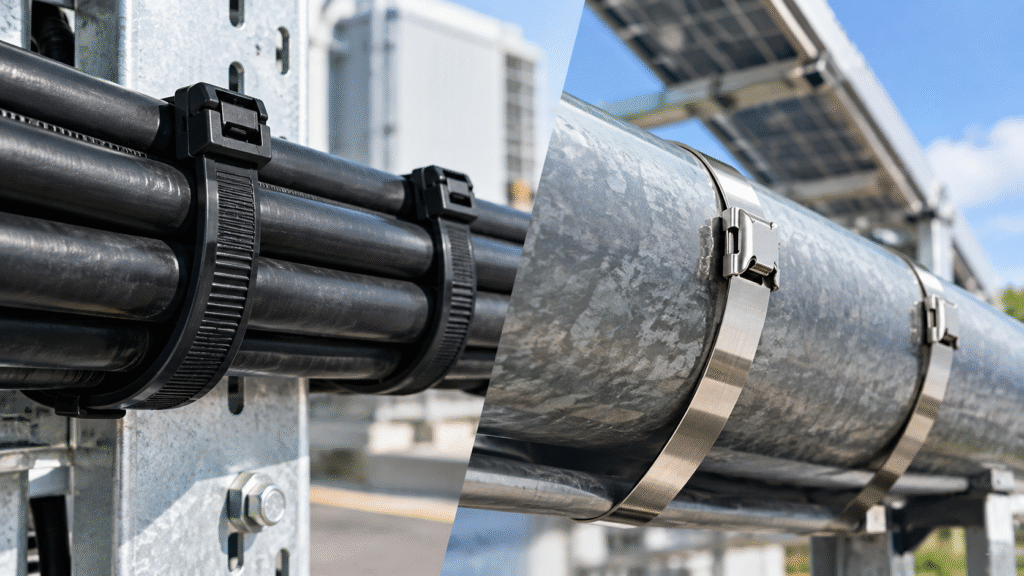
Standard fasteners might work for simple cables, but when you’re securing industrial loads, HVAC ductwork, or heavy machinery, a snapped tie is not an option. So, what are the heaviest duty zip ties on the market today? From ultra-rugged 250 lb+ nylon cable ties to virtually indestructible stainless steel zip ties, the real answer comes […]
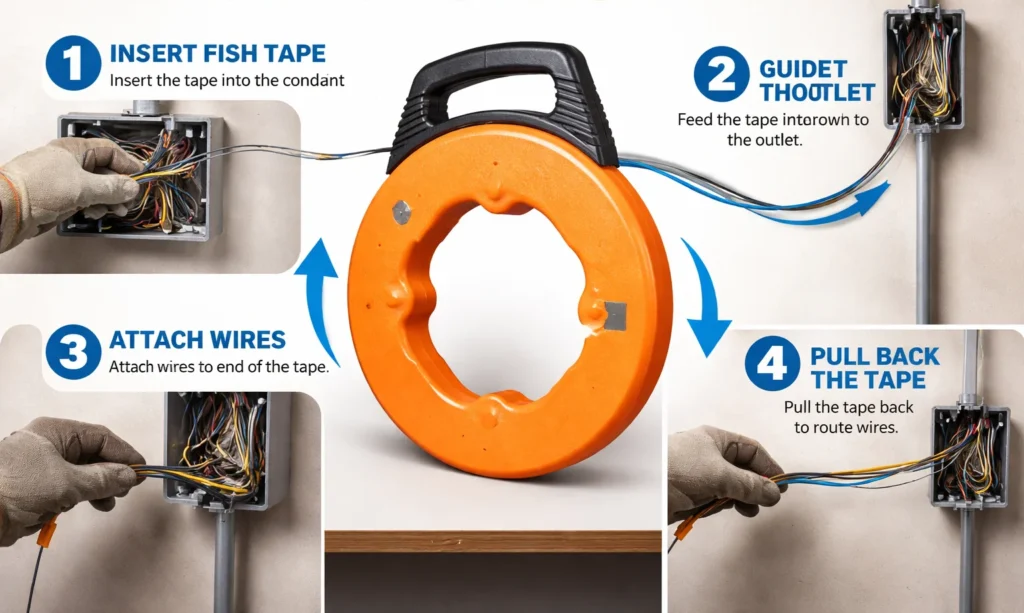
Ultimate Guide: How to Use Fish Tape for Industrial Wiring What is a Fish Tape? A fish tape is an essential electrician’s tool used to route new wiring through walls, electrical conduit, and tight spaces. Understanding how to use fish tape properly ensures safe electrical connections and stable conductivity in industrial and commercial projects. How […]
Is Electrical Tape Waterproof or Water-Resistant? Standard vinyl electrical tape is one of the most widely used supplies in electrical installations, maintenance, and repairs. However, confusing its protective properties can lead to damaged wiring or severe electrical hazards. The Direct Answer: Waterproof vs. Water-Resistant Standard electrician’s tape is water-resistant, not waterproof. While the polyvinyl chloride […]
We use cookies to enhance your browsing experience, serve personalised ads or content, and analyse our traffic. By clicking "Accept All", you consent to our use of cookies.
Looking For High Quality Nylon Cable Ties At A Great Price?
Order now to experience cost-effective cable tie products that provide convenience and protection for your work and life.


 EN
EN  AR
AR  ES
ES  PT
PT  FR
FR  RU
RU  DE
DE  KO
KO  JA
JA  IT
IT