
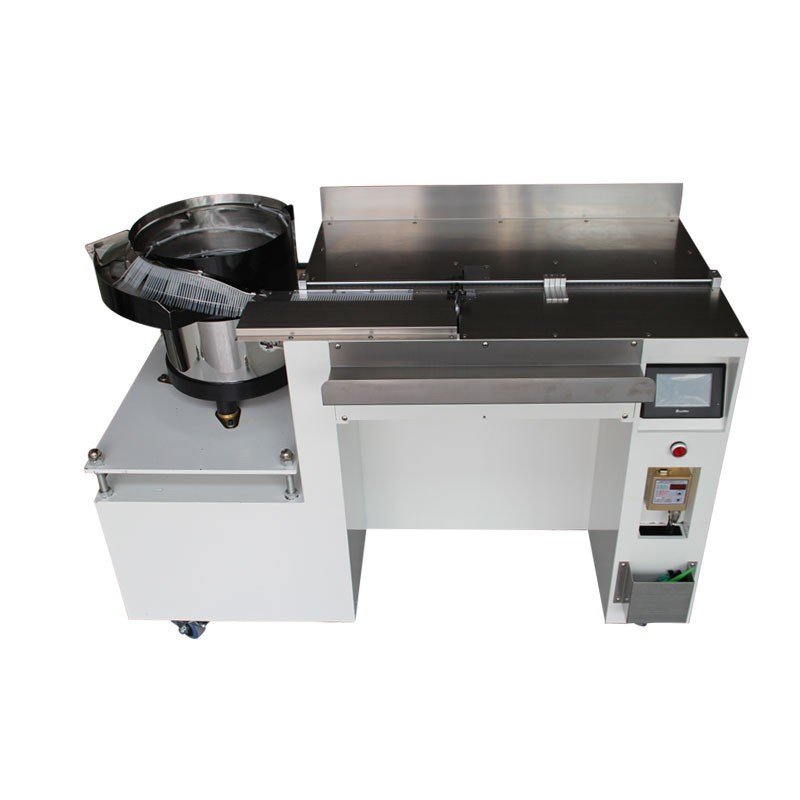
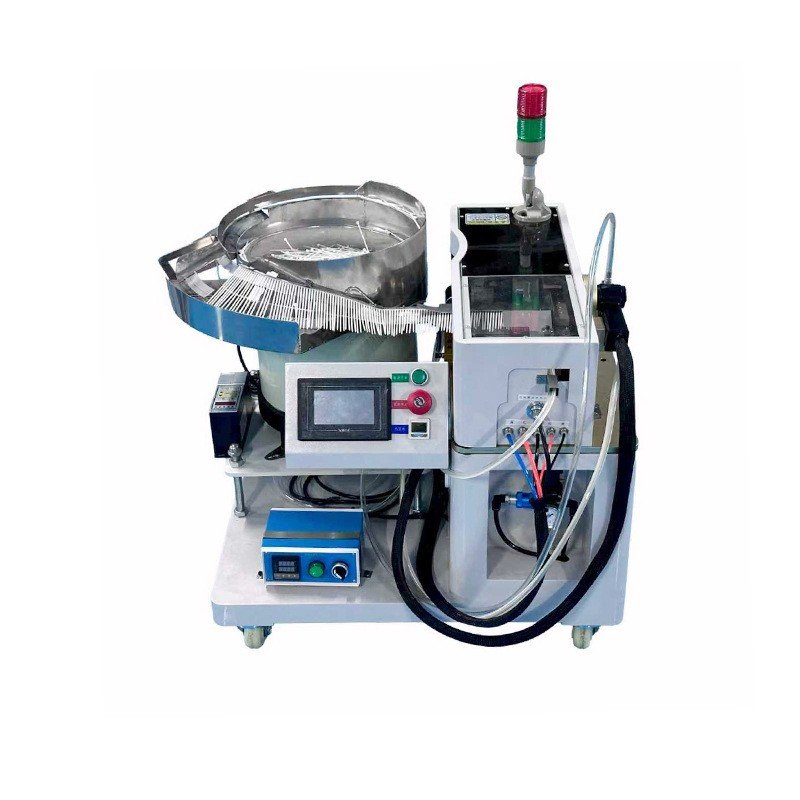

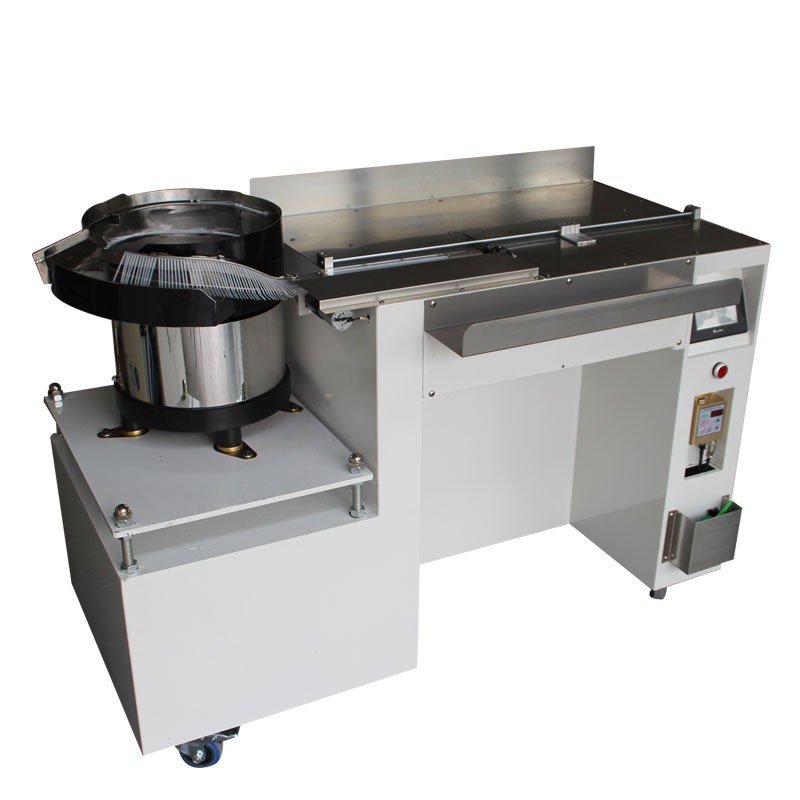


What is an Automatic Cable Tie Machine?
An automatic cable tie machine is an advanced industrial automation solution designed to feed, wrap, tension, and cut cable ties in a single seamless operation. Engineered to eliminate time-consuming manual bundling, this high-efficiency system streamlines production processes across wire processing, automotive assembly, and electronics manufacturing sectors.
Overview and Primary Functions
In modern industrial wiring assembly, manual cable tying is a major labor bottleneck. An automatic zip tie machine automates the entire bundling sequence, completing operations in under a second per cycle while maintaining peak consistency.
Key primary functions include:
Automated Material Feeding: Continuously feeds bulk or reel-fed auto cable ties into the tool mechanism without manual reloading.
Precision Wrapping: Automatically loops the automatic zip tie securely around the targeted wire harness or hose bundle.
Controlled Tensioning: Applies exact, uniform pulling force to prevent over-tightening or damaging delicate wire insulation.
Flush Tail Cutting: Trims excess tie tails cleanly at the lock head, completely eliminating sharp protruding edges and safety hazards.
How Automatic Cable Tying Systems Work
The operation of a modern automatic cable tie tool relies on electro-pneumatic precision and rapid mechanical synchronization:
- Sorting & Delivery: Bulk zip ties are aligned via a vibratory feeder bowl—or fed directly from a continuous tape reel—and propelled via pneumatic air pressure through a flexible hose.
- Jaw Engagement: The tool’s jaw mechanism snaps around the bundle, guiding the tie head into place and threading the tail into the locking pawl.
- Tensioning & Trimming: Internal sensors detect when the pre-set tension value is reached, triggering an integrated blade to cut the tail flush with the head.
- Immediate Reset: The cycle resets instantaneously, delivering the next automatic tie wrap to the gun within milliseconds.
Handheld vs. Benchtop Automatic Cable Tie Guns
Choosing between a handheld automatic cable tie gun and a fixed benchtop zip tie machine depends primarily on your physical workflow and mobility needs.
| Feature / Parameter | Handheld Automatic Cable Tie Gun | Benchtop Automatic Wire Tie Machine |
|---|---|---|
| Mobility | High (Ergonomic gun attached to a flexible feed hose) | Fixed (Stationary desktop unit or mounted station) |
| Activation | Trigger-actuated by operator | Foot-pedal operated or fully automated line integration |
| Primary Application | Large wire harnesses, multi-point wiring boards | Small sub-assemblies, repetitive stationary bundling |
| Processing Speed | Approx. 0.8 to 1.2 seconds per cycle | Approx. 0.6 to 1.0 seconds per cycle |
- Handheld Systems: Deliver maximum flexibility for operators moving around large harness boards, cabinet enclosures, or complex spatial wiring layouts.
- Benchtop Systems: Offer peak ergonomic comfort and higher throughput for stationary workers who bring small components directly to a fixed binding point.
Key Features and Advantages
Upgrading to an automatic cable tie machine transforms how high-volume production lines handle wire bundling. By streamlining feeding, tensioning, and cutting into a single action, these systems eliminate bottlenecks and drive immediate operational upgrades across your facility.
High-Speed Efficiency and Productivity
Manual zip tie application limits assembly speed and creates production delays. An automatic zip tie machine completes the entire bundling process—wrapping, tensioning, cutting, and discharging waste—in under one second per tie.
- Cycle Times: Completes bundling cycles in 0.7 to 1.0 seconds.
- Throughput: Increases output up to 4 to 5 times compared to manual hand-tool application.
- Continuous Operation: Vibration bowl feeds or reel-fed auto cable ties ensure continuous operation with minimal downtime.
| Feature | Manual Cable Tying | Automatic Cable Tie Machine |
|---|---|---|
| Speed per Tie | 3.0 – 5.0 seconds | 0.7 – 1.0 second |
| Tension Accuracy | Variable (Operator dependent) | Precise (Digitally adjustable) |
| Tail Cut Quality | Sharp/Uneven edges common | Flush, smooth cut every time |
| Operator Fatigue | High risk (RSI / wrist strain) | Very Low (Ergonomics-focused) |
Consistent Tension Control and Bundle Quality
Inconsistent tension risks damaging delicate wire insulation or leaving bundles loose during transit. We equip our automatic zip tie gun systems with precise tensioning mechanisms that pull every tie to your exact target force before trimming.
Pairing these automated tools with reliable high-quality nylon cable ties ensures uniform bundling pressure without overtightening. The automated flush-cutting head removes tail waste level with the head, eliminating sharp plastic burrs that cause injury or snag adjacent wiring.
Ergonomic Operation and Reduced Fatigue
Repetitive trigger pulling and hand-tightening cause severe operator wrist strain, carpal tunnel risks, and frequent labor rotation. An automatic wire tie gun weighs significantly less in hand than standard tools because the main power unit and feeder remain bench-mounted or suspended on a balancer.
- Lightweight Handheld Units: Ergonomic grips weigh as little as 0.8 kg.
- Low Trigger Effort: Touch-sensitive switches reduce finger stress.
- Benchtop Automation: Foot-pedal operation leaves both operator hands free to position wire harnesses quickly.
Cost Savings and Reduced Material Waste
While the upfront investment in an automatic tie wrap machine is higher than hand tools, the long-term ROI is immediate. Labor costs drop drastically as single operators achieve the output previously requiring three or four workers.
Waste reduction is another direct benefit. Standard manual cutting leaves long waste tails or misapplied ties that get thrown away. Automated feeding prevents jam-ups, cuts ties flush at the minimum head clearance, and collects scrap cleanly into dedicated receptacles. Understanding the operational return on investment starts with evaluating the cost-effectiveness of nylon cable ties and matching your hardware to production volume needs.
Technical Specifications and Performance Parameters
Matching technical specs with operational needs ensures an automatic cable tie machine delivers maximum throughput on your assembly line.
Compatible Cable Tie Sizes and Materials
Most automatic zip tie systems run standard Polyamide 66 (PA66) ties. Using high-grade nylon cable ties guarantees smooth feeding, reliable tensioning, and minimal jamming during continuous production cycles.
- Standard Widths: 2.5 mm, 3.6 mm, 4.8 mm
- Standard Lengths: 80 mm to 200 mm
- Material Grade: High-tenacity Nylon 66, flame-retardant, or heat-stabilized options
- Tie Packaging: Reel-fed (up to 5,000 ties per reel) or bulk vibration tray feeding
Bundling Diameter and Cycle Speeds
Speed and bundle sizing determine overall productivity in high-volume wire harness and cabling tasks.
| Parameter | Standard Range | High-Speed Benchtop |
|---|---|---|
| Cycle Speed | 0.8 – 1.2 seconds | 0.6 – 0.8 seconds |
| Bundling Diameter | 2 mm to 30 mm | Up to 42 mm |
| Tension Range | 20 N to 120 N (Adjustable) | Precision digital load sensor |
Power and Pneumatic Requirements
A stable electrical and pneumatic foundation keeps an automatic cable tie tool operating smoothly without pressure drops or system faults.
- Input Voltage: AC 100–240V, 50/60 Hz single-phase
- Operating Air Pressure: 0.5 – 0.7 MPa (5 – 7 bar)
- Air Consumption: ~2–4 liters per cycle (dry, oil-free compressed air)
- System Control: Integrated PLC with touchscreen parameter tuning
Primary Applications and Industry Use Cases
Deploying an automatic cable tie machine transforms assembly workflows across high-volume production lines. When operations demand thousands of secure, clean wire bundles every day, switching to automated systems eliminates shop-floor bottlenecks and guarantees uniform quality.
Wire Harness Assembly and Electrical Manufacturing
In electrical panel building and harness fabrication, speed and bundle consistency are critical. Manual bundling creates inconsistent tension and causes severe operator hand fatigue over long shifts.
- High-Speed Looming: Integrating an automatic wire tie machine cuts harness wrapping and cutting down to a single sub-second cycle per bundle.
- Tight Enclosures: A portable automatic cable tie tool easily reaches inside cramped electrical cabinets, securing complex wire bundles without leaving sharp tail offcuts.
- Error Reduction: Using an automatic zip tie system prevents misfires and misaligned ties, keeping high-volume electrical manufacturing lines moving without pause.
Automotive and Transportation Industry
Modern vehicles contain miles of intricate wiring for sensors, EV battery packs, and infotainment systems. Automotive assembly lines depend on automated tying solutions to satisfy strict safety standards and fast cycle times.
- Vibration Resistance: Vehicle looms require precise tensioning to withstand continuous driving vibration. A handheld automatic tie wrap gun ensures every tie stays locked at exact force limits.
- Streamlined Assembly: Automated systems help optimize automotive wiring harness and component fixation across chassis structures, door panels, and engine bays.
- Flexible Operation: Utilizing lightweight auto zip ties equipment gives line technicians total mobility to maneuver around complex vehicle frames effortlessly.
Appliance and Industrial Equipment Production
From household washing machines and refrigerators to commercial HVAC units, internal wiring requires organized, long-lasting bundle protection.
- Mass Production: A benchtop zip tie machine or stationary automatic tie wrap machine rapidly processes standardized internal sub-assemblies.
- Damage Prevention: Automated tension control prevents over-tightening (which pinches sensitive insulation) and under-tightening (which allows wires to chafe against metal chassis).
- Lean Manufacturing: Equipping workers with an automatic zip tie gun minimizes scrap material, shortens assembly takt times, and lowers total labor costs across the shop floor.
How to Select the Right Automatic Cable Tie Machine
Choosing the right automatic cable tie machine comes down to matching your facility’s daily bundle output with the right level of automation. Here is what we advise evaluating before making an investment.
Evaluating Production Volume and Speed Needs
Your target cycle speed dictates whether a handheld device or a fully automated benchtop unit fits your production line.
| Production Scale | Daily Output Target | Recommended System | Primary Advantage |
|---|---|---|---|
| Low to Medium | Under 3,000 ties/day | Handheld automatic zip tie gun | Portable, flexible worker movement |
| High Volume | 3,000–10,000+ ties/day | Benchtop automatic wire tie machine | Sub-second cycle speeds, maximum throughput |
Matching your required cycle rate prevents manufacturing bottlenecks while maximizing labor efficiency.
Compatibility with Existing Production Lines
An automatic cable tie tool must integrate smoothly into your current shop floor layout:
Form Factor & Ergonomics: Determine whether your workflow benefits from station-mounted benchtop models or overhead-suspended cable tie gun automatic units.
Pneumatic & Electrical Specs: Confirm that your factory floor provides stable air pressure (typically 0.5–0.7 MPa) and standard voltage.
Automation Hookups: For automated production lines, select models that support PLC control signals for seamless robotic integration.
Maintenance Requirements and Manufacturer Support
To maximize equipment uptime, evaluate wear-and-tear components and ongoing technical support before buying. High-frequency feeding tracks and cutting blades require easy replacement access.
Beyond hardware, pairing your machinery with high-grade consumables is essential. Understanding key supply factors when choosing the right nylon cable tie manufacturer ensures uniform tie dimensions, drastically reducing jam rates in your automatic tie wrap machine. At WANDU, we back our equipment with comprehensive spare parts support and technical assistance to keep your lines running continuously.
 EN
EN  AR
AR  ES
ES  PT
PT  FR
FR  RU
RU  DE
DE  KO
KO  JA
JA  IT
IT  NL
NL