


What is a Nylon Cable Tie Gun and How Does It Work?
Understanding Cable Tie Tensioning and Cutting Tools
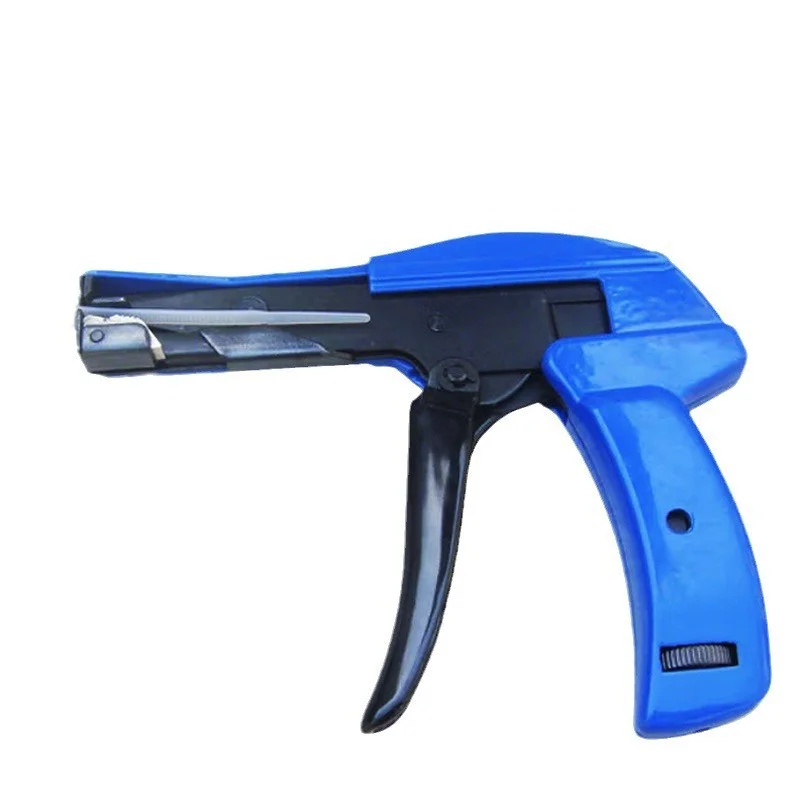
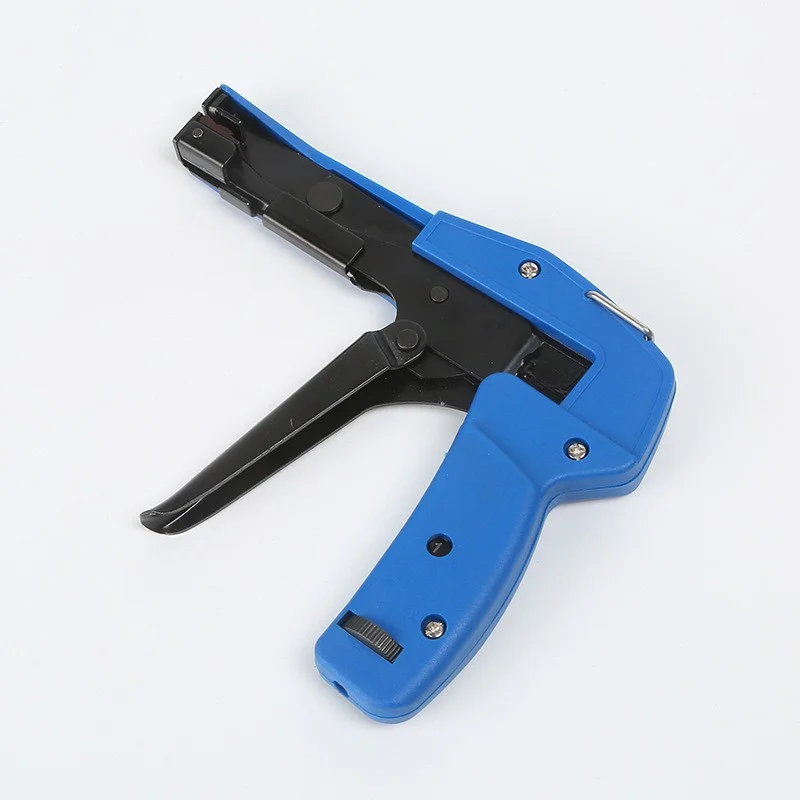
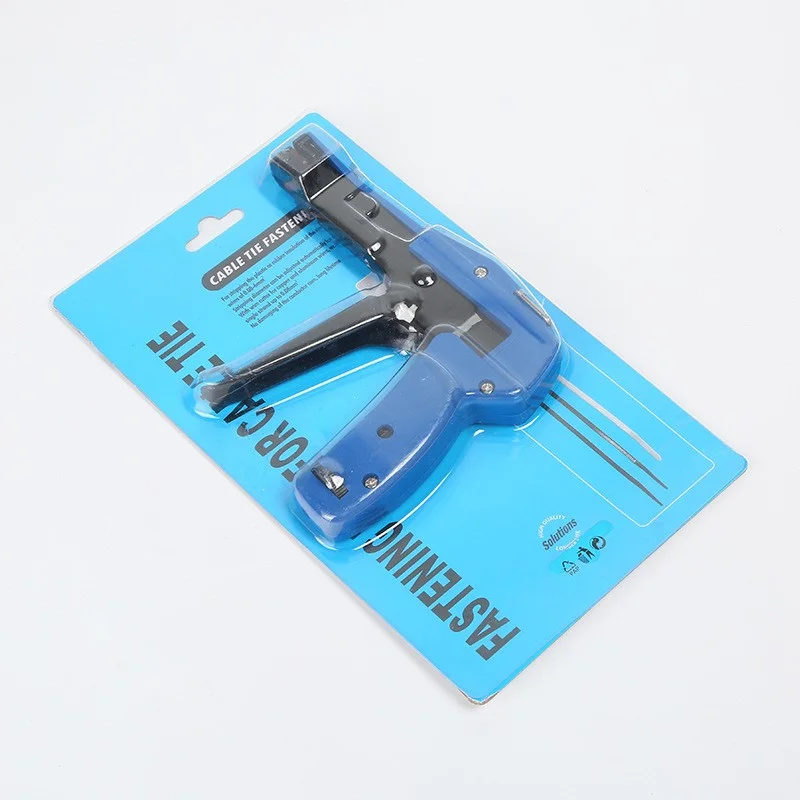
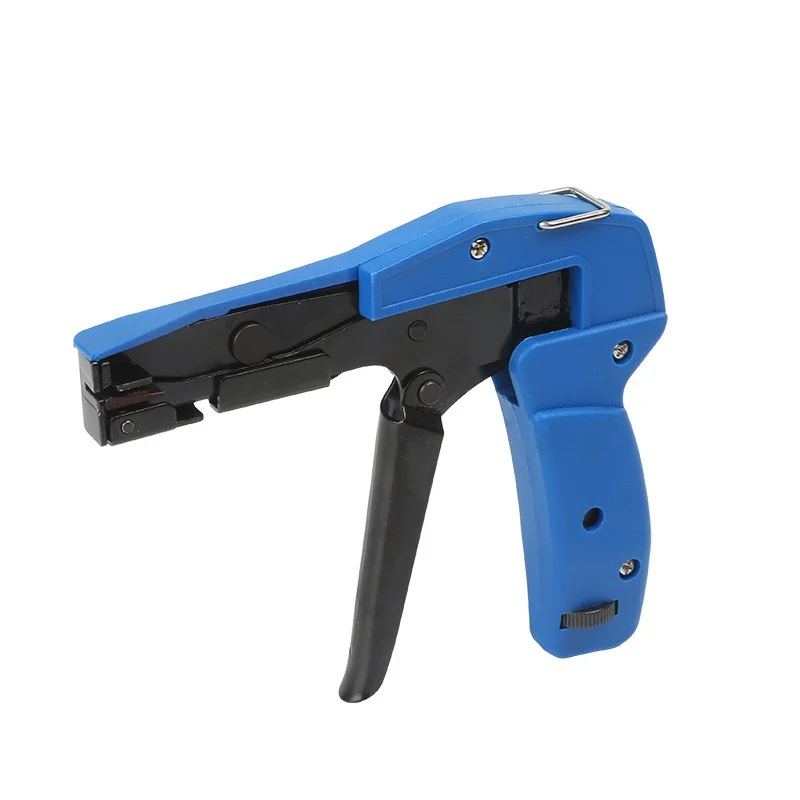
A nylon cable tie gun—frequently called a zip tie gun or cable wire tie gun—is a specialized installation tool engineered to streamline wire bundling. It tightens a nylon zip tie around a cable bundle to a pre-adjusted tension level and immediately shears off the excess tail. Manufacturers and suppliers like WANDU produce these tools to ensure uniform tightness across every bundle while completely eliminating the sharp, hazardous tail edges left behind by standard hand-cutting tools.
The Tension, Lock, and Cut (TLC) Mechanism
The core operation of a modern zip tie gun relies on a synchronized three-step process designed for safety and repeatability:
- Tension: The tool’s internal gripping mechanism catches the cable tie tail and pulls it to the precise, pre-selected tension setting.
- Lock: The mechanism temporarily locks the fastener in place once target tightness is reached, preventing over-tightening or insulation damage.
- Cut: An internal flush-cutting blade automatically triggers, cleanly cutting the excess tail flush against the tie head.
Key Differences Between Manual and Automated Tools
Selecting the right zip tie tool depends on your operational volume, environment, and assembly requirements.
| Feature | Manual Cable Tie Gun | Automated Cable Tie Gun (Pneumatic/Electric) |
|---|---|---|
| Drive Mechanism | Hand-squeezed trigger system | Compressed air or electric motor |
| Work Speed | Moderate (ideal for field work) | High-speed continuous operation |
| Tension Accuracy | Adjustable mechanical spring | Precision pneumatic/digital gauge |
| Operator Fatigue | Low to moderate on small jobs | Near zero for high-volume assembly |
| Primary Application | On-site electrical maintenance, telecom | Automotive harnesses, industrial manufacturing |
Key Benefits of Using a Cable Tie Tensioning Tool
Upgrading from manual hand-pulling to a dedicated nylon cable tie gun immediately elevates installation quality, workplace safety, and production line efficiency.
Consistent Tension and Secure Fastening
Hand-tightening ties leads to inconsistent tension—either leaving wire bundles too loose or crushing sensitive insulation. A specialized cable tie tensioning tool eliminates guesswork by applying exact, repeatable tension before trimming.
- Protects Cables: Prevents over-tightening on delicate data lines and fiber optics.
- Uniform Hold: Ensures high-vibration automotive or industrial bundles remain tight.
- Versatile Performance: Works seamlessly across standard nylon or alternative options like those featured in our polypropylene cable ties guide.
Flush Cutting to Prevent Sharp Edges and Injury
Snipping tie tails with diagonal pliers leaves razor-sharp plastic protrusions (“burrs”) that slice hands during routine maintenance and snag adjacent wires. A high-quality zip tie gun trims the tie body flush against the lock head the instant selected tension is reached.
- Enhanced Safety: Eliminates dangerous sharp edges to protect service technicians.
- Pro-Grade Finish: Delivers a clean, professional appearance on every harness.
- Zero After-Work: Trims cleanly on the first squeeze with no secondary cleanup needed.
Increased Work Speed and Reduced Hand Fatigue
For high-volume panel building and harness assembly, repetitive hand-pulling leads to rapid physical fatigue and wrist strain. A wire tie gun combines tensioning and cutting into a single fluid trigger motion.
| Feature / Metric | Manual Hand-Tightening | Professional Zip Tie Gun |
|---|---|---|
| Execution Speed | Slow (requires separate cutting step) | Instant (one trigger squeeze) |
| Tension Control | Variable (operator dependent) | Precise (preset mechanical stop) |
| Ergonomic Strain | High strain on fingers & wrists | Minimal hand fatigue |
| Tail Trim Quality | Jagged, sharp burrs | Perfectly flush cut |
Types of Nylon Cable Tie Guns
Selecting the right nylon cable tie gun comes down to your daily bundle volume, installation environment, and tie specifications. We design and recommend distinct tool classes to match specific operational demands.
Manual Cable Tie Guns for Daily Maintenance
A manual cable tie gun is the portable workhorse for field technicians, electricians, and low-volume maintenance work. Handheld and lightweight, these tools rely on simple hand squeezes to tension and trim zip ties. They offer quick tension adjustments and convenient mobility without needing external air lines or power sources. Pairing these tools with reliable fasteners from a trusted nylon cable tie manufacturer ensures consistent performance across every job site.
Pneumatic Cable Tie Tools for Industrial Assembly
Powered by compressed air, pneumatic wire tie guns deliver high repeatability and rapid tensioning with minimal hand effort. Operators pull a trigger, and the tool automatically pulls precise tension and flush-cuts the excess tail.
- Best for: Factory assembly lines and harness manufacturing.
- Key Advantages: Eliminates wrist strain and ensures consistent tie tension across thousands of cycles.
Automatic Cable Tying Systems for High-Volume Operations
For maximum throughput, an automatic cable tie gun handles the entire sequence—feeding, wrapping, tensioning, and cutting—in under one second.
- Speed: Completes full tying cycles in 0.8 to 1.2 seconds.
- Efficiency: Uses bulk tie spools or magazines to eliminate manual tie loading.
- Versatility: Works as handheld tools or integrated into robotic assembly systems.
Heavy-Duty Cable Tie Guns for Wide Nylon Fasteners
Standard tools handle ties up to 4.8 mm wide, but heavy-duty zip tie guns are built for wide, high-tensile ties up to 9 mm or wider. Engineered with reinforced steel components and heavy-duty mechanical linkages, these tools generate the high tension required for thick cable bundles, heavy conduit, and industrial utility lines without slipping or jamming.
Common Applications and Industry Uses
Across heavy industrial manufacturing, field installation, and high-density server rooms, a reliable nylon cable tie gun is indispensable for maintaining speed, consistency, and safety in modern wiring workflows.
Electrical Wiring and Panel Building
Electrical enclosures and switchgears demand precise organization without damaging sensitive conductor insulation. Using a quality manual cable tie gun or cable wire tie gun allows panel builders to maintain immaculate wire routing.
- Precise Tensioning: Applies uniform pulling force to prevent wire pinching or insulation deformation.
- Flush Cut-Off: Snaps off ties cleanly flush at the locking head, eliminating dangerous sharp stubs inside crowded control panels.
- Streamlined Assembly: Pairs perfectly with versatile nylon cable ties to speed up complex mounting rail setups.
Automotive and Aerospace Wire Harnessing
Automotive and aerospace assembly lines require extreme reliability under constant engine vibration and thermal stress. Deploying an auto zip tie gun or auto cable tie gun ensures every wire loom meets rigorous manufacturing specifications.
- Vibration Resistance: Pulls ties to exact tension limits, keeping engine bay and cabin looms firmly locked to prevent chafing.
- High-Speed Operations: Dramatically reduces cycle times on fast-paced wiring harness production boards.
- Standardized Results: Facilitates compliance with strict quality standards by optimizing automotive wiring harness fixation with nylon cable ties.
Commercial Cable Management and Telecommunications
Data centers, telecom towers, and commercial infrastructure projects involve thousands of cable runs. Equipping field technicians with an ergonomic zip tie gun keeps installation neat and maintenance-friendly.
- Structured Data Runs: Secures high-density Ethernet and fiber optic runs tightly without crushing delicate data lines.
- Technician Safety: Eliminates plastic tail burrs that cause cuts and scratches during routine maintenance.
- Overhead Tray Routing: Accelerates bulk cable bundling along overhead tray systems and riser shafts.
How to Choose the Right Nylon Cable Tie Gun
Selecting the ideal nylon cable tie gun comes down to matching your production volume with the specific ties you run every day. Picking the wrong tool leads to uneven tension, premature tool wear, and hand fatigue. Here is what we recommend evaluating before making your choice.
Cable Tie Width and Tension Capacity
Not every zip tie gun handles every tie size. Always verify the maximum bundle diameter and strap width your tool can accept.
- Miniature to Standard (2.4mm – 4.8mm): Ideal for light electrical wiring and network installations.
- Heavy-Duty (7.6mm – 9.0mm): Required for thick industrial bundles and tough environments.
Using standard tools on oversized fasteners causes jamming, while heavy tools on light ties often snap the strap before locking. Pair your tool with high-grade durable nylon cable ties to ensure smooth feeding and consistent holding force.
| Feature | Light Duty / Maintenance | Industrial Assembly | High-Volume Production |
|---|---|---|---|
| Tool Type | Manual Plastic/Metal | Heavy-Duty Manual / Pneumatic | Automatic System |
| Tie Width Range | 2.4mm – 4.8mm | 4.8mm – 9.0mm | 2.4mm – 4.8mm |
| Primary Focus | Portability & Low Cost | High Tension & Durability | Speed & Zero Fatigue |
Adjustable Tension Control Settings
A quality cable tie gun features a calibrated adjustment knob at the base of the handle. This allows you to set the precise cutoff tension required for your specific application.
- Low Tension: Prevents crushing delicate fiber optic cables or thin-walled wire jacketing.
- High Tension: Ensures tight, rigid bundling on heavy wire looms and conduits.
Once the set tension is reached, the internal mechanism automatically fires the blade, cutting the strap flush without crushing the internal conductors.
Ergonomic Design and Tool Weight
If your technicians trigger a wire tie gun hundreds of times per shift, tool ergonomics directly impact productivity.
- Short Trigger Stroke: Reduces finger travel and strain during repetitive squeezing.
- Lightweight Housing: Die-cast aluminum or glass-filled polymer bodies keep overall weight low without sacrifcing strength.
- Cushioned Grips: Non-slip, soft-rubber handles absorb recoil impact and prevent slipping in oily environments.
Durability and Replacement Part Availability
Industrial environments demand rugged tools. Metal internal gearings and solid steel tensioning jaws significantly extend operational life compared to all-plastic alternatives.
- Replaceable Blades: The cutting blade is the highest-wear component in any cable tie tensioning tool. Look for quick-release blade channels so you can swap worn blades in seconds.
- Overall ROI: When factoring long-term operational costs, considering nylon cable tie durability and cost-effectiveness helps ensure both your tools and consumables deliver maximum lifespan with minimal downtime.
How to Properly Use and Maintain a Cable Tie Gun
Getting the longest life and cleanest performance out of your nylon cable tie gun comes down to consistent technique and straightforward upkeep. When operated correctly, these tools drastically increase assembly speed while keeping wire bundles neat and undamaged.
Step-by-Step Operating Instructions
Mastering the operation takes only a few seconds. Follow this process to get a clean, secure tie every time:
- Prepare the bundle: Wrap your tie around the wires and thread the tail through the head by hand until it holds the cables loosely.
- Adjust tension: Turn the tension dial on your zip tie gun to match your bundle sensitivity and tie width.
- Load the tail: Insert the loose tail into the side slot or front jaw mechanism of the tool.
- Actuate and cut: Squeeze the trigger firmly. The tool pulls the tie to your preset tension and automatically snips the excess tail flush.
For a deeper dive into tool selection and operation, read our complete guide on how to use a zip tie gun.
Blade Replacement and Maintenance Tips
A well-maintained manual cable tie gun easily handles tens of thousands of cycles. Simple preventive maintenance keeps your tool performing like new:
- Inspect blades frequently: Jagged cut edges or jammed tie tails indicate a dull or chipped cutting blade.
- Replace worn blades: Unscrew the blade retaining pin, slide out the old blade, and insert a fresh replacement blade.
- Clean internal jaws: Blow out plastic shavings from the jaw channel using compressed air at the end of every shift.
- Lubricate moving parts: Apply a drop of lightweight machine oil to internal pivot points weekly to maintain smooth trigger pull.
Safety Best Practices for Cable Fastening
Operating a cable wire tie gun is safe and intuitive, but adhering to basic safety practices keeps your team protected and your wiring secure:
- Prevent wire damage: Avoid maxing out tension on delicate signal or network lines. Reviewing best practices on how to tie cable ties helps ensure strong holding force without pinching conductor insulation.
- Verify flush cuts: Always confirm the blade cuts completely flush against the tie head. Sharp protruding tails create severe puncture hazards during panel servicing.
- Wear safety glasses: Flying plastic tail offcuts can snap loose under high tension in fast-paced production lines.
 EN
EN  AR
AR  ES
ES  PT
PT  FR
FR  RU
RU  DE
DE  KO
KO  JA
JA  IT
IT