A metal hose clamp is a circular mechanical fastener engineered to secure a flexible hose onto a rigid fitting, nipple, or pipe. By applying uniform circumferential compression, it establishes a dependable, leak-proof seal that prevents liquid, air, or gas leakage under pressure. Typically manufactured from high-grade materials like stainless steel (SS hose clamps), these components offer high resistance to corrosion, temperature fluctuations, and mechanical wear across automotive, industrial, and electrical applications.
Selecting the proper removal method requires identifying the specific clamp mechanism. The primary metal hose clamps used in modern assemblies include:
- Screw / Worm Gear Clamps: The most common adjustable metal hose clamp, featuring a threaded band tightened or loosened using a standard flathead screwdriver or hex socket.
- Spring Hose Clamps: Self-tensioning rings made of spring steel. Removing them requires squeezing the locking tabs together with specialized hose clamp pliers.
- Ear (Oetiker) Clamps: Permanent, single-use metal rings crimped into place at an “ear” mechanism, ideal for high-vibration and tamper-resistant connections.
- T-Bolt Hose Clamps: High-strength, heavy duty hose clamps stainless steel fasteners utilizing a threaded T-bolt latch for high-pressure turbocharger and industrial fluid lines.
Having the right gear on hand makes removing any metal hose clamp quick, clean, and damage-free. I always make sure these tools are ready on my bench before starting any project.
Most simple jobs start with basic workshop hand tools:
- Flathead Screwdriver: Essential for backed-out screws on standard metal screw clamps for hose connections.
- Nut Drivers & Sockets: A 5/16″ or 1/4″ socket provides far superior grip than a screwdriver, preventing slip-offs on high-torque heavy duty hose clamps stainless steel fittings.
- Slip-Joint & Locking Pliers: Great for grabbing, holding, or twisting stubborn components when space permits.
Specialized Hose Clamp Pliers
Using standard pliers on spring or ear clamps often leads to slipping and bruised knuckles. Dedicated tools make all the difference:
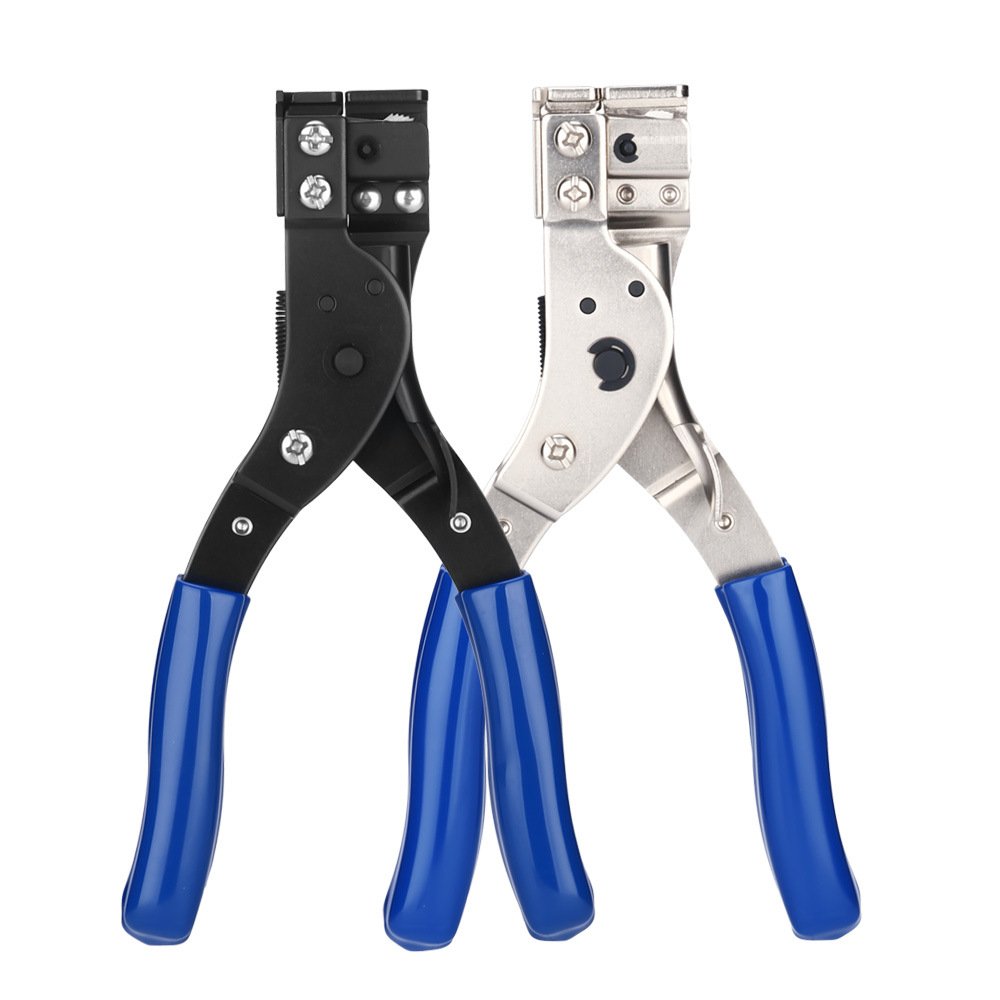
- Flexible Cable Hose Clamp Pliers: Perfect for reaching into tight engine compartments or awkward angles where straight tools cannot fit.
- Spring Clamp Pliers: Designed with locking ratchets to hold spring-loaded steel hose clamps wide open while you slide them down the hose.
- Oetiker / Ear Clamp Pliers: Specifically shaped to cut or unhook single-ear clamp mechanisms cleanly.
For long-lasting reliability in demanding setups, switching to high-grade stainless steel hose clamps simplifies future removal and prevents severe corrosion.
Safety Gear and Lubricants
Removing an old or seized hose clamp metal fitting requires a bit of prep to protect both you and the hose line:
- Penetrating Oil: Essential for breaking down rust and grime on age-hardened ss hose clamps.
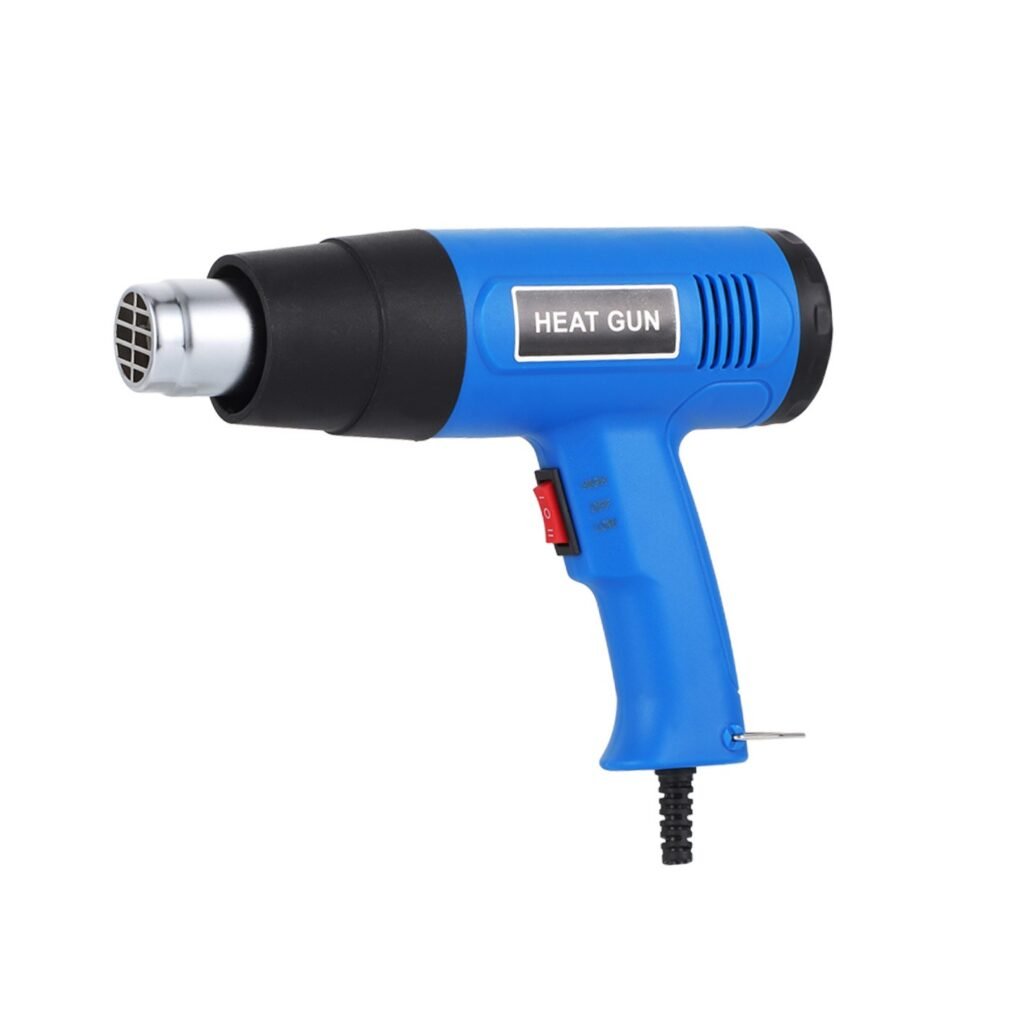
- Heat Gun: Applying gentle, targeted heat softens stubborn rubber hoses around an adjustable metal hose clamp, letting it slide off easily.
- Work Gloves & Eye Protection: Shield your hands from sharp cut edges and keep flying rust particles or fluid splashes out of your eyes.
How to Remove a Screw or Worm Gear Hose Clamp
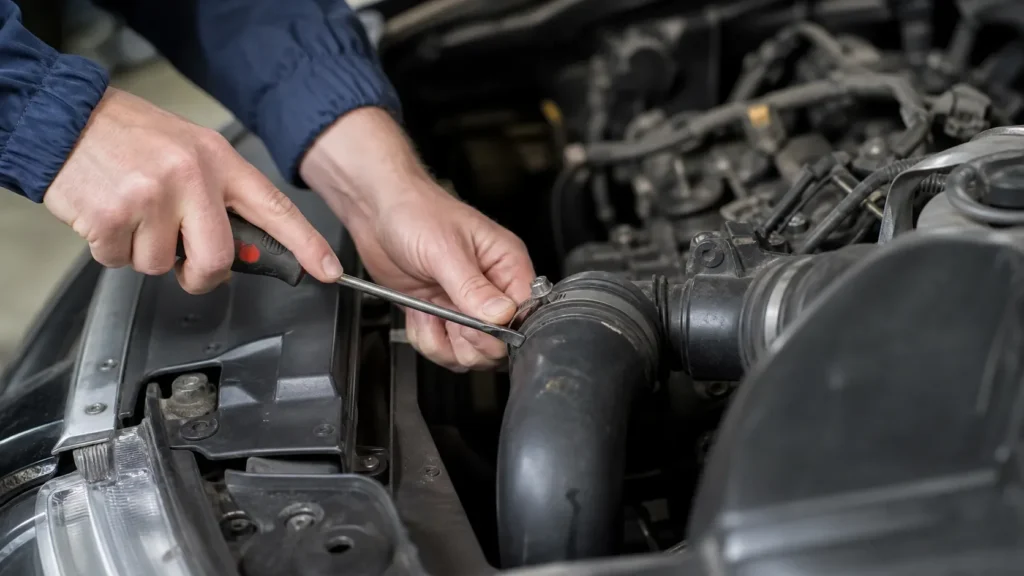
Screw-type and worm gear fasteners are among the most common metal clamps for hose applications found in automotive, plumbing, and industrial setups. Taking them off is a quick process when using the correct technique and basic hand tools.
Loosening the Fastening Screw
To release the tension on a worm gear metal hose clamp, focus on the main housing where the screw engages the band slots:
- Select the Right Tool: Use a standard flathead screwdriver, a socket wrench, or a nut driver. A socket or nut driver provides the firmest grip and minimizes the risk of slipping or stripping the screw head.
- Turn Counterclockwise: Turn the screw counterclockwise to back it out and loosen the clamp band.
- Apply Penetrating Lubricant if Stiff: If dirt or mild corrosion makes turning difficult, spray a quick dab of penetrating oil onto the screw threads before forcing it.
Expanding and Sliding Off the Clamp
Once the screw spins freely, disengage the clamp from the fitting:
- Expand the Band: Continue unscrewing until the band has opened wide enough to move freely along the hose surface.
- Slide Down the Line: Pull the loosened hose metal clamp away from the connection barb toward the middle of the hose.
- Break the Seal: Rubber hoses can stick to the metal band over time. Gently twist the clamp back and forth to break any bond without scoring or damaging the outer jacket.
- Remove Completely: Disconnect the hose from its fitting, then slide the clamp off the open end.
How to Remove a Spring Hose Clamp
Spring hose clamps rely on constant spring tension to keep a tight seal over fitting barbs. Because these clamps are under continuous force, removing them requires releasing that built-in tension safely before moving the clamp.
Compressing the Locking Tabs
To compress the clamp’s locking mechanism efficiently, follow these straightforward steps:
- Position Your Tool: Grab a pair of specialized hose clamp pliers or locking channel-lock pliers. Align the jaws directly over the two exposed locking tabs on the metal hose clamp.
- Squeeze Firmly: Apply steady pressure to squeeze the tabs together. Squeezing the tabs expands the spring band, immediately relieving pressure from the outer wall of the hose.
- Lock in Place: If you are using locking pliers or dedicated hose clamp pliers, lock the handles down so the clamp stays expanded without slipping.
While clearing space around tight engine bays or pipe assemblies, understanding zip tie strength and how much weight they can hold helps when temporarily bundling surrounding lines safely out of your working area.
Sliding the Clamp Down the Hose
Once the tension is fully released, you can clear the metal clamp for hose removal:
- Maintain Compression: Keep the pliers clamped down tight on the tabs so the metal ring stays open.
- Slide Backwards: Drag the expanded clamp down the length of the hose, moving it well past the inner fitting stem.
- Release Tension: Slowly release your grip on the pliers once the clamp sits on a flexible section of the hose.
- Free the Hose: Twist the hose gently to break any dried rubber seal on the fitting, then pull the hose free.
How to Remove an Ear or Oetiker Hose Clamp
Ear clamps—frequently known as Oetiker clamps—provide a permanent, tamper-resistant seal around fluid lines and wiring sleeves. Unlike an adjustable metal hose clamp, these single-ear or double-ear steel hose clamps do not feature a screw mechanism, requiring specific techniques to release or cut them cleanly.
Unhooking the Locking Mechanism
Some reusable ear-style metal clamps for hoses use mechanical latch hooks that snap into slot openings along the band.
- Locate the latching tab: Find where the overlapping band ends hook into the stamped slots.
- Lever the tab open: Insert a small flathead screwdriver or precision scribe under the outer hook.
- Release the lock: Pry gently upward to disengage the hook from the slot, allowing the metal hose clamp band to expand and slide off.
Cutting or Snipping One-Time Clamps
Standard crimped Oetiker ss hose clamps are single-use hardware. When learning how to remove metal clamp for hose connections of this type, cutting the crimped ear is the most direct method.
- Position heavy-duty pliers: Place the jaw tips of side cutters or pincer-style hose clamp pliers squarely over the raised ear.
- Snip the crimp bridge: Apply firm pressure to cut through one side of the pinched ear. If the metal is too thick to cut through directly, grip the ear firmly and twist side-to-side to metal-fatigue and snap the band.
- Peel and remove: Pry the severed hose metal clamp open using needle-nose pliers and slide it away from the fitting.
When replacing permanent clamps during line maintenance, knowing how to remove cable ties without damaging adjacent hoses or harnesses is equally helpful for keeping your layout clean and damage-free.
How to Remove a T-Bolt Hose Clamp
When dealing with high-pressure turbo chargers, intake pipes, or heavy industrial equipment, you will usually encounter a T-bolt metal clamp for hose connections. These heavy duty hose clamps stainless steel builds are engineered for maximum clamping force, meaning they won’t simply slide off like standard screw clamps. Here is how I safely take them apart without damaging the underlying surface.
Unscrewing the Locking Nut
- Use the right driver: Grab a ratchet equipped with a deep socket (usually 10mm or 7/16-inch) rather than a simple hand wrench.
- Unscrew counterclockwise: Turn the nut counterclockwise to back it off. Because these ss hose clamps use nylon-insert locknuts to prevent loosening from engine vibration, expect steady resistance all the way down the thread.
- Back it off fully: Keep turning until the nut sits near the tip of the bolt, giving the band plenty of slack. You do not need to remove the nut completely.
Disengaging the T-Bolt Band
- Unhook the bolt: Swing the bolt head out of the open latching loop on the opposite side of the clamp.
- Spread the band: Carefully pry the thick steel hose clamps band open just enough to clear the raised hose bead or flange.
- Slide off the connection: Pull the disengaged clamp straight down the hose and away from the fitting.
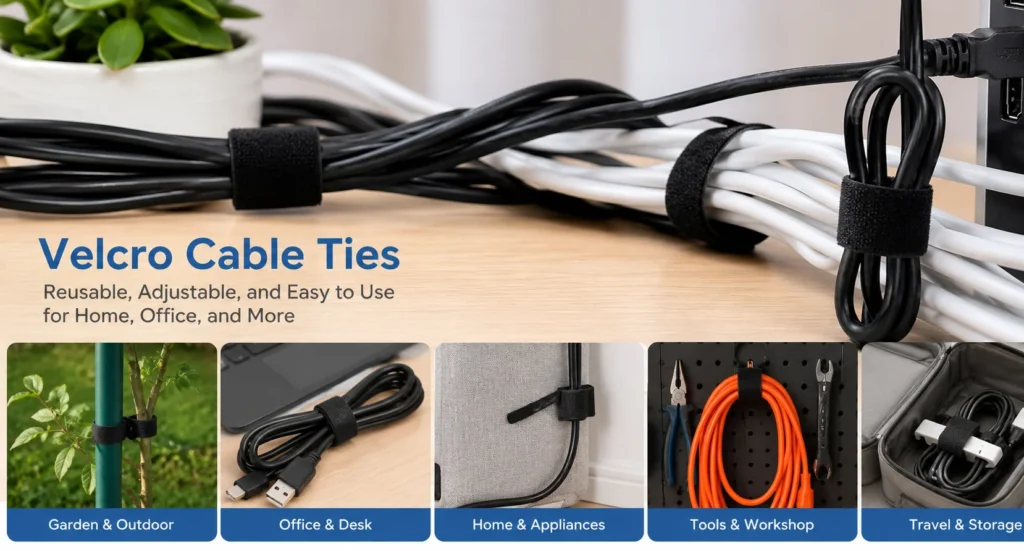
If you are working in tight, high-temperature engine compartments, managing nearby wiring and extra lines with heat-resistant cable ties keeps your workspace clear and prevents accidental snags while removing heavy metal hardware.
Removing a seized metal hose clamp requires patience and the right technique. Over time, heat cycles and moisture cause a hose metal clamp to corrode and lock firmly onto the fitting. When standard unscrewing fails, I rely on these proven methods to free stuck clamps without damaging the rubber underneath.
Using Penetrating Oils
- Spray Liberally: Apply a high-grade penetrating oil directly onto the adjustment screw, threads, and band of the metal clamp for hose connections.
- Allow Dwell Time: Let the lubricant soak for 10 to 15 minutes so it can break down corrosion, scale, and road grime.
- Vibrate the Threads: Tap the clamp screw head gently with the handle of a screwdriver to help the oil penetrate deeper into the seized threads.
- Use a Socket Wrench: Switch from a flathead driver to a 6-point socket driver to gain maximum torque and prevent stripping rusted screw heads.
Safely Cutting Off Damaged Clamps
- Select the Right Tool: Use a mini rotary tool with a cut-off wheel, heavy-duty side cutters, or tin snips to slice through the stubborn band.
- Protect the Hose: Slip a thin metal shim or small putty knife underneath the clamp band to shield the hose surface from your cutting tool.
- Make Controlled Cuts: Slice straight across the band section away from the hose body. Just like knowing how to cut metal zip ties safely and cleanly, taking controlled, steady cuts prevents slipping and protects surrounding components.
- Pry and Remove: Once the band is severed, use needle-nose pliers to peel back the steel hose clamps and pull them free.
Notice: Undefined variable: output
Safety Precautions and Best Practices
Avoiding Personal Injury
When learning how to remove metal clamp for hose assemblies, safety always comes first. Sharp edges on worn steel hose clamps can easily cause deep cuts, while spring-loaded clamps can snap back violently if released carelessly.
- Wear Safety Gear: Always put on cut-resistant work gloves and protective eye wear to shield against flying metal chips, rust, or pressurized fluid residue.
- Maintain Control: Keep a solid grip with specialized tools like hose clamp pliers so spring clamps do not slip off unexpectedly.
- Watch Tool Angles: Keep your non-dominant hand clear of the slip path when applying pressure with screwdrivers or cutting pliers. Secure handling techniques—similar to those detailed in our how to use a zip tie gun guide types tips and safety guide on tool safety and usage—go a long way in preventing workplace injuries.
Preventing Damage to the Hose
Rubber and silicone hoses dry out over time, making them vulnerable to tearing if you force a stubborn metal hose clamp off the fitting.
- Avoid Direct Prying: Never jam sharp tools underneath the hose metal clamp band, as this punctures the underlying rubber wall.
- Soak Before Removal: Apply penetrating oil to loosen corroded metal screw clamps for hose connections before turning the screw.
- Cut with Precision: If you must cut a damaged heavy duty hose clamps stainless band, slice slowly along the housing and stop before reaching the rubber surface.
- Twist to Break the Seal: Disengage the metal clamp for hose completely, then gently twist the hose back and forth to break the heat-bonded seal before pulling it free.



 EN
EN  AR
AR  ES
ES  PT
PT  FR
FR  RU
RU  DE
DE  KO
KO  JA
JA  IT
IT