Standard zip ties, also known as cable ties, operate on a simple yet highly effective one-way ratcheting mechanism. The design consists of a flexible nylon strap with integrated gear racks (teeth) and a head containing a tiny, flexible locking prong (the ratchet).
When you feed the tail of the strap into the head, the teeth glide over the internal tab. The angled design of the teeth allows the strap to move forward easily but prevents it from backing out. The tab drops into the grooves, locking the tie securely in place around your cables, wires, or equipment.
Can You Actually Reuse a Standard Zip Tie?
Yes, you can absolutely reuse zip ties that are technically classified as single-use. While they are designed to be permanent fasteners until cut, the locking mechanism can be bypassed without damaging the structural integrity of the tie.
By understanding how the internal ratchet locks against the teeth, you can use a simple tool to lift the locking tab and slide the strap out backward. This simple trick extends the life of your fasteners, reduces waste, and saves money on everyday workshop and household organization projects.
Why You Should Reuse Zip Ties Instead of Cutting Them
I always tell my team that the “snip and flip” habit is a waste of perfectly good material. While most people view standard zip ties as single-use items, learning to unlock them changes the game for your workflow and the planet.
Environmental Benefits of Reducing Plastic Waste
Every time you cut a cable tie, it ends up in a landfill. Since these are made of durable polymers like Nylon 66, they don’t break down easily. By reusing zip ties, you directly reduce your plastic footprint. It’s a small change that keeps microplastics out of the ecosystem and promotes a more sustainable workshop culture. If you find yourself frequently adjusting layouts, I recommend checking out our versatile products designed for long-term durability.
Cost-Efficiency for Home and Workshop Projects
Small expenses add up. Whether you are managing a server rack or tidying up garden stakes, the cost of constantly replacing wire ties impacts your overhead. Reusing your current stock is a smart move for any budget-conscious professional or DIYer.
Benefit
Impact
Direct Savings
Lower expenditure on consumables and bulk packs.
Inventory Management
You won’t run out of specific sizes in the middle of a project.
Waste Reduction
Significant decrease in job-site debris and plastic scrap.
Project Flexibility
Allows for temporary bundling during “mock-up” phases without wasting supplies.
If your project requires high-strength solutions that are built to last through multiple uses, exploring low-profile cable ties can provide a sleeker, more permanent-feeling result without the bulk of traditional heads. Using the right cable tie tool or a simple pin to release the ratchet mechanism ensures your gear stays functional for the next task.
Step-by-Step Guide: How to Undo and Reuse a Zip Tie
Reusing zip ties is a great way to save money and cut down on plastic waste in your workshop. Instead of reaching for a wire tie removal tool or cutting them off, you can open and reuse standard cable ties with a few simple steps.
Tools You Need to Release the Locking Tab
You do not need an expensive cable tie tool to back out a fastened tie. Most standard zip ties can be undone using common items you already have around the house.
A safety pin or sewing needle: The thin, sharp tip is perfect for small ties.
A small flathead screwdriver: Best for heavy-duty or wider ties.
A pocket knife or fingernail: Works well in a pinch if the tie has a slightly larger locking head.
Step 1: Locating the Release Ratchet
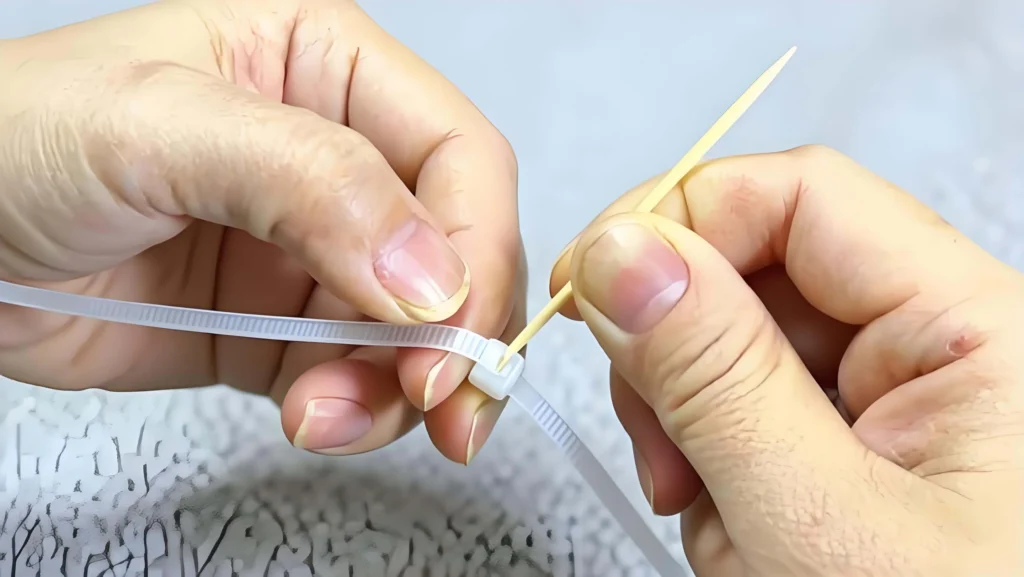
To start opening zip ties, take a close look at the square head where the strap locks in place. Inside this mechanism, you will see a tiny plastic mechanism called the zip tie ratchet. This locking tab presses down against the ridges of the tape to keep the tie from slipping backward.
Step 2: Depressing the Tab Safely
Once you locate the ratchet, take your safety pin or small screwdriver and gently insert it into the locking head. Slide the tool between the ribbed track of the strap and the locking tab. Press down on the tab to release its grip on the ridges. Be careful not to force it, as applying too much pressure can snap the plastic mechanism. If you frequently work with specialized fasteners, knowing these mechanical nuances helps when dealing with more complex variations like push mount wire ties.
Step 3: Backing the Tape Out
While keeping the locking tab depressed with your tool, use your other hand to gently slide the tail of the tie backward through the head. The strap should slide out smoothly without resistance. Once the tail is completely free, pull your tool out, and your zip tie is ready to be used again for your next bundling project.
Alternative Types of Reusable Zip Ties
Quick-Release vs. Standard Zip Ties
While learning how to reuse standard zip ties is a great hack, it can be tedious if you need to open and close them constantly. That is where specialized releasable cable ties come into play.
Unlike standard ties that require a tool or a steady hand to release the internal ratchet, quick-release ties are designed with an extended trigger or a built-in lever. You simply press the lever with your thumb, and the zip tie ratchet opens instantly.
Feature
Standard Cable Ties
Releasable Cable Ties
Design
Permanent locking tab
Extended release lever/button
Ease of Reuse
Requires a small tool (needle, pin)
Tool-free manual release
Durability
Locking mechanism wears down quickly
Built for hundreds of cycles
Best Used For
Permanent or long-term binding
Temporary setups, prototyping, or evolving cable runs
Best Applications for Specialized Reusable Ties
Investing in heavy-duty, reusable designs saves a massive amount of time and reduces plastic waste in high-turnover environments. If you work in automotive staging, temporary outdoor event wiring, or product prototyping, having a dedicated wire tie tool or specialized quick-release ties is a game-changer.
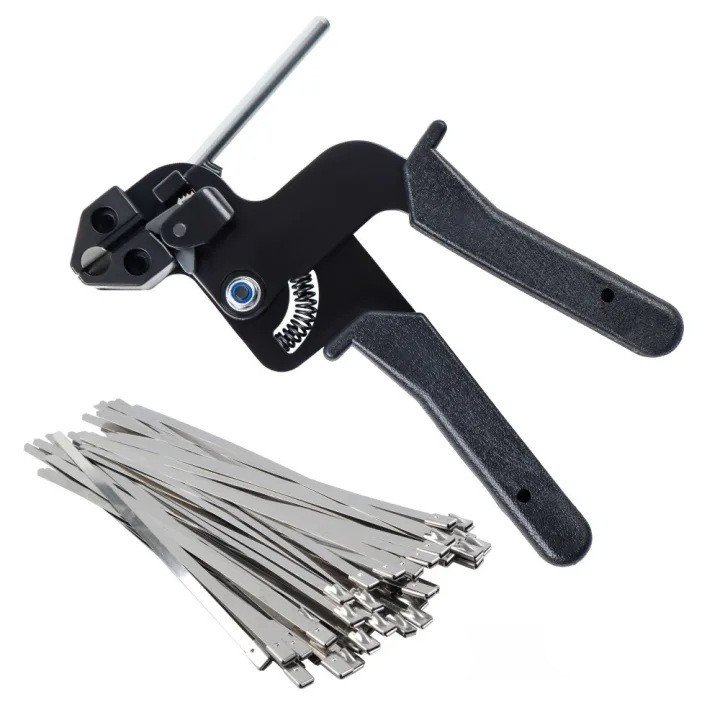
For extreme environments or heavy-duty industrial applications where standard nylon simply won’t cut it, specialized variations like stainless steel ladder cable ties offer an incredibly secure, weather-resistant binding solution that holds up under intense stress.
Using the right tool for the job makes all the difference:
Workshops and Garages: Perfect for bundling extension cords, air hoses, and temporary diagnostic wiring.
Home Entertainment Centers: Ideal as a flexible cable organizer behind TVs and computer desks where components change frequently.
Outdoor and Seasonal Setups: Excellent for securing holiday lighting, patio decorations, or temporary fencing mesh.
When You Should Not Reuse a Zip Tie
While reusing zip ties is a great way to cut down on waste, there are times when you just need to snip them and reach for fresh black and white nylon cable ties. Forcing a worn-out tie to do a heavy-duty job is a recipe for failure.
Signs of Plastic Fatigue and Wear
Before you attempt opening zip ties for a second or third round, look closely at the plastic. Nylon degrades over time due to friction, stress, and environmental factors. Inspect your standard cable ties for these warning signs:
Discoloration or Bleaching: A chalky white appearance means severe UV damage.
Stress Whitening: Bending points that look white or cloudy indicate the plastic is about to snap.
Stripped Teeth: If the ridges on the zip tie ratchet track are smoothed down, the locking mechanism will slip.
Brittleness: If the plastic feels stiff and cracks under a light bend, throw it away immediately.
High-Load and Safety-Critical Situations
Never reuse a wire tie ratchet if a failure could cause injury, property damage, or costly equipment downtime.
Do Reuse For
Do NOT Reuse For
Temporary cable management
Structural bundling or heavy vehicle wiring
Holding garden plants to stakes
Supporting overhead pipes or heavy loads
Organizing workbench tools
Safety-critical applications or security restraints
Securing lightweight holiday lights
Securing items on moving roof racks
When dealing with high-tensile loads or permanent outdoor installations, skip the recycled ties. Use a fresh, heavy-duty cable tie standard rated for the specific weight requirement to ensure a secure, long-lasting hold.
Frequently Asked Questions About Reusing Zip Ties
Does Unlocking a Zip Tie Reduce Its Tensile Strength?
Yes, unlocking and reusing zip ties will inevitably reduce their original holding power. When you clear the locking mechanism manually, the tiny internal ratchet plastic teeth suffer minor wear and tear. While a reused tie is perfectly fine for light-duty cable organization or temporary bundling around the workshop, the plastic loses its pristine grip after being manipulated.
Because of this strength drop, you should never reuse standard nylon ties for heavy loads or critical structural setups. If your project faces harsh outdoor elements, it is always safer to use fresh, specialized fasteners. You can learn more about how environmental factors degrade plastics by reading about how long UV-protected cable ties last outside. For everyday, low-stress applications, however, opening zip ties and turning them into reusable fasteners is a great way to cut down on waste.
What Are the Best Household Tools for Unlocking a Zip Tie?
You do not need a specialized cable tie removal tool to get the job done. The best household items for releasing the wire tie ratchet are already sitting in your junk drawer or toolbox.
The top everyday tools for opening standard cable ties include:
A Sewing Needle or Pin: The thin, rigid tip easily slides right into the locking head to lift the tab.
A Small Precision Screwdriver: Pocket-sized flathead screwdrivers offer excellent control for depressing the mechanism without snapping the plastic.
The Tip of a Pocket Knife: A small blade works perfectly, but requires extra caution so you don’t accidentally slice through the strap or your fingers.
A Safety Pin: A sturdy safety pin provides a solid grip and enough leverage to back the tape out safely.
Why Choose the Right Cable Tie Straps? In modern electrical, industrial, and communication installations, cable tie straps are indispensable for organizing, securing, and protecting wires, cables, and hoses. The right strap cable tie not only improves workplace safety and aesthetics but also extends the service life of your equipment by preventing cable damage and accidental disconnections. At wanducn.com, […]
Have you ever wondered how are cable ties made? Cable ties, also known as zip ties, are essential tools for organizing and securing wires and cables. From raw material selection to the final packaging, the manufacturing process of cable ties involves several intricate steps. In this blog post, we’ll explore the fascinating journey behind the creation […]
What Are Metal Cable Ties and How Do They Work? Metal zip ties are the ultimate fastening solution for demanding industrial and outdoor environments. Built to withstand extreme temperatures, harsh chemicals, and heavy loads, these durable fasteners provide permanent, reliable bundling where traditional plastic alternatives simply fail. Understanding how to use metal cable ties effectively […]
We use cookies to enhance your browsing experience, serve personalised ads or content, and analyse our traffic. By clicking "Accept All", you consent to our use of cookies.
Looking For High Quality Nylon Cable Ties At A Great Price?
Order now to experience cost-effective cable tie products that provide convenience and protection for your work and life.





 EN
EN  AR
AR  ES
ES  PT
PT  FR
FR  RU
RU  DE
DE  KO
KO  JA
JA  IT
IT  NL
NL