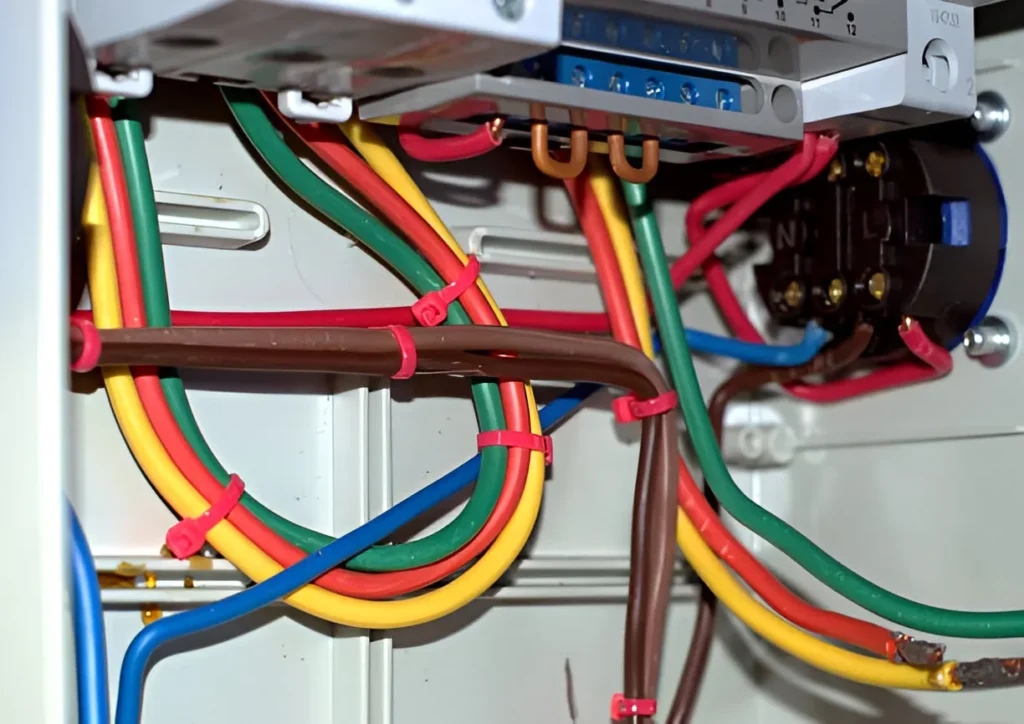
A zip tie—also universally known as a cable tie, tie wrap, or hose tie—is a robust, one-piece fastener designed to securely bundle cables, wires, and hoses. Operating on a simple yet highly effective ratcheting mechanism, the strap features a series of integrated triangular teeth that engage with a pawl housed inside the head. Once the pointed tip is inserted and pulled through the head, it forms a loop that can only tighten, preventing any back-slip. This engineered locking system provides an incredibly strong, tamper-evident hold, making it an indispensable component for securing, organizing, and managing structural layouts across various industries.
The Evolution of Cable Tie Terminology
While the zip tie invention initially entered the market under a single proprietary brand name, its rapid global adoption led to a rich evolution of terminology. In commercial and industrial electrical environments, professionals strictly refer to them as cable ties or tie wraps. The slang term “zip tie” gained massive mainstream traction in North America due to the distinctive “zipping” sound produced when the fastener is tightened. Internationally, terminology adapts to specific regional markets and specialized use cases:
Common Term
Primary Industry / Region
Typical Material/Design Focus
Cable Tie
Electrical, Aerospace, Global Industrial
High-tensile nylon, heavy-duty bundling
Zip Tie
Consumer, Automotive, North America
General purpose, quick-fix applications
Tie Wrap
Construction, Telecommunications
Heavy-duty infrastructure, wiring closets
Hose Tie
Marine, Automotive Engineering
Fluid management, high-heat resistance
As the global market expanded, these terms shifted from proprietary nomenclature into genericized trademarks, seamlessly integrating into both everyday consumer language and strict industrial procurement specifications.
How and When Were Zip Ties Invented?
The Origins and Invention Date
When were zip ties invented?The zip ties invented date goes back to 1958. Before this pivotal year, industrial bundling was a tedious, manual chore. The zip tie invention fundamentally changed how electrical wiring was managed, moving the industry away from knots and wax cords toward a highly efficient, standardized system.
Who Invented the First Cable Tie?
Maurus C. Logan, an engineer at the electrical company Thomas & Betts, invented the first cable tie. Logan noticed how difficult and painful it was for workers to manually bind massive bundles of electrical wiring, which led him to develop a simpler, more reliable solution.
The Story Behind the Ty-Rap®
Logan’s breakthrough product was introduced to the market under the brand name Ty-Rap®. Unlike modern all-plastic designs, these original models featured a molded plastic strap combined with a small stainless steel locking barb inside the head to grip the strap tightly. For heavy-duty industrial applications that require maximum strength and extreme durability today, many industries still rely on specialized zip ties stainless steel mechanisms to handle severe environments.
First Commercial Launch: 1958
Original Material: Nylon 6.6 with a metal locking mechanism
Primary Problem Solved: Reduced intense manual labor and eliminated worker hand injuries during wire harnessing in aircraft manufacturing.
The Evolution of Zip Tie Design and Materials
Early Designs and Manufacturing Processes
The earliest zip tie designs look radically different from what you see on store shelves today. Initially, the manufacturing process focused heavily on specialized, heavy-duty applications. Production was complex because securing a reliable grip without slipping required a two-piece construction, combining a separate metal pawl embedded inside a plastic head. While these early versions solved immediate industrial problems, they were expensive to produce and lacked the flexibility needed for everyday use.
From Metal to Modern Nylon and Plastics
As manufacturing technology advanced, the transition to plastic cable ties revolutionized the industry. Producers moved away from multi-piece assemblies to single-piece injection molding, utilizing high-grade formulations like Nylon 66. This shift dramatically improved tensile strength, reduced production costs, and introduced vital features like UV resistance and thermal stability. Today, specialized variations like zip ties for cold weather ensure that the fasteners remain pliable and strong even in sub-zero temperatures, preventing the brittleness that plagued early plastic formulas.
The Introduction of Reusable and Recyclable Ties
Modern innovation focuses squarely on sustainability and efficiency. The market has evolved beyond temporary, single-use fasteners to include recyclable cable ties and clever release mechanisms.
Reusable Designs: Features a trigger or release tab allowing the pawl to disengage, letting you reuse the tie multiple times.
Eco-Friendly Materials: Enhanced polymers allow operations to cleanly recycle zip ties after use, reducing industrial waste.
Low-Profile Options: Slimmer heads and smoother closures prevent snagging in tight wire bundles.
How People Bundled Cables Prior to the Invention
Traditional Cable Binding Methods
Before the zip tie invention, managing wiring was a grueling, manual chore. Workers relied heavily on cable lacing, a technique that used wax-coated nylon or linen cords to tie wire bundles together. They had to meticulously wrap the cord around the wires and secure it with a series of complex knots, like the clove hitch or running hitch. For heavy-duty industrial or outdoor wiring, operators used stiff metal bands, electrical tape, or crude leather straps to keep cables from sprawling.
Challenges of Pre-Invention Installations
These traditional methods came with massive headaches for installers. Cable lacing was incredibly time-consuming and required specialized training to master the knots. The physical toll was also high; workers routinely suffered from sliced fingers and hand fatigue from pulling cords tight all day.
Furthermore, these older materials didn’t hold up well over time. Waxed cords rotted in harsh environments, tape became gummy and unraveled, and metal bands frequently cut into the wire insulation, causing electrical shorts. There was a desperate need for a durable, non-conductive solution, which eventually led to the shift toward modern plastic tie cable options that revolutionized the industry.
Common Applications and Modern Uses
Primary Purpose and Initial Development
We originally built the first cable ties for a single, heavy-duty job: securing the massive wiring harnesses inside commercial aircraft. The initial goal was simple—create a durable fastener that could withstand vibration, heat, and constant stress without damaging the delicate wiring. This focused industrial design solved a massive headache for aviation engineers and set the standard for high-performance bundling. Today, that exact same reliability drives how we manufacture our plastic self-locking zip ties guide, ensuring they lock down tight and never slip under pressure.
Who Is Using Zip Ties Today?
Zip tie uses have expanded far beyond the hangar. They are now an essential tool across almost every major global industry:
Electricians and IT Techs: Managing complex network data centers and organizing thick electrical conduits.
Construction Crews: Securing scaffolding mesh, temporary fencing, and bundling rebar on-site.
Automotive Mechanics: Routing hoses, securing loose trim, and keeping aftermarket wiring away from hot engine components.
HVAC Installers: Strapping flexible ductwork and anchoring outdoor condenser lines.
Alternative and Creative Ways to Utilize Cable Ties
Modern users constantly find clever, off-label ways for using zip ties to solve everyday problems. In the consumer and creative spaces, people rely on them for quick fixes and clever hacks:
Industry / Setting
Creative Application
Home & Garden
Supporting heavy plant stems on stakes, securing privacy netting to balconies, and organizing garage tools.
Events & Retail
Hanging temporary signage, bundling display banners, and securing inventory tags.
Emergency Repair
Fixing broken backpack straps, securing loose hubcaps, and temporary shoe lace replacements during outdoor treks.
Security & Shipping
Tamper-evident seals for transit cases and locking luggage zippers together for travel security.
Whether you need standard ties or highly customized options, you can explore specialized solutions like what are custom printed cable ties to add branding, serial numbers, or color-coding to your specific project.
Have you ever used cable ties at home or in the workplace?Traditional black cable ties are practical but lack visual appeal.However, color cable ties not only meet the needs of fixing and bundling, but also add color to the living and working environment. What are color cable ties? Colored cable ties are a tool used […]
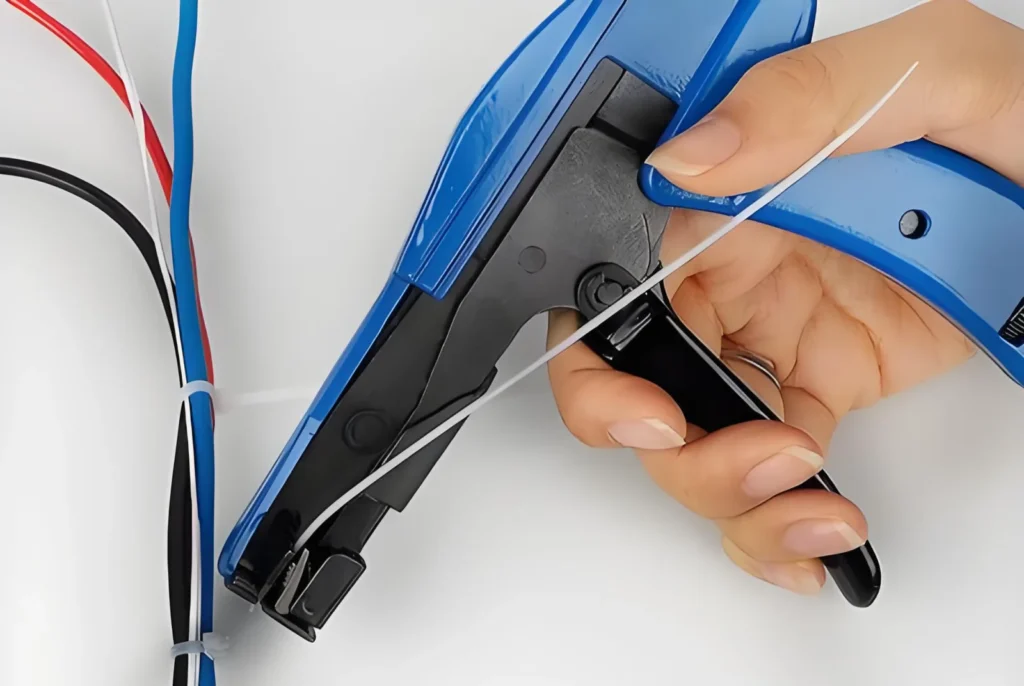
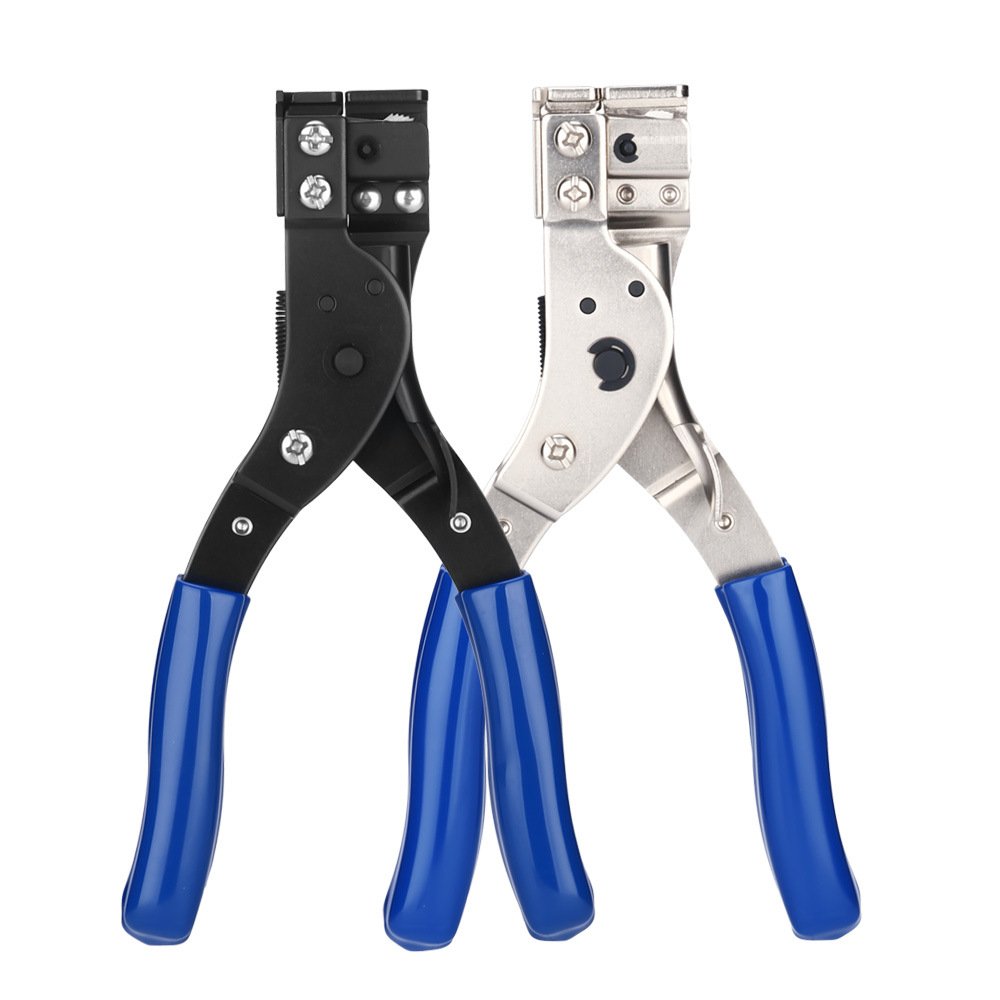
Ever wrapped a massive bundle of cables, pulled them tight by hand, and ended up with sore fingers and a jagged, sharp tail that’s just waiting to slice someone open? There’s a better way. Whether you are managing a massive industrial wiring overhaul or just trying to clean up a messy server rack, a zip […]
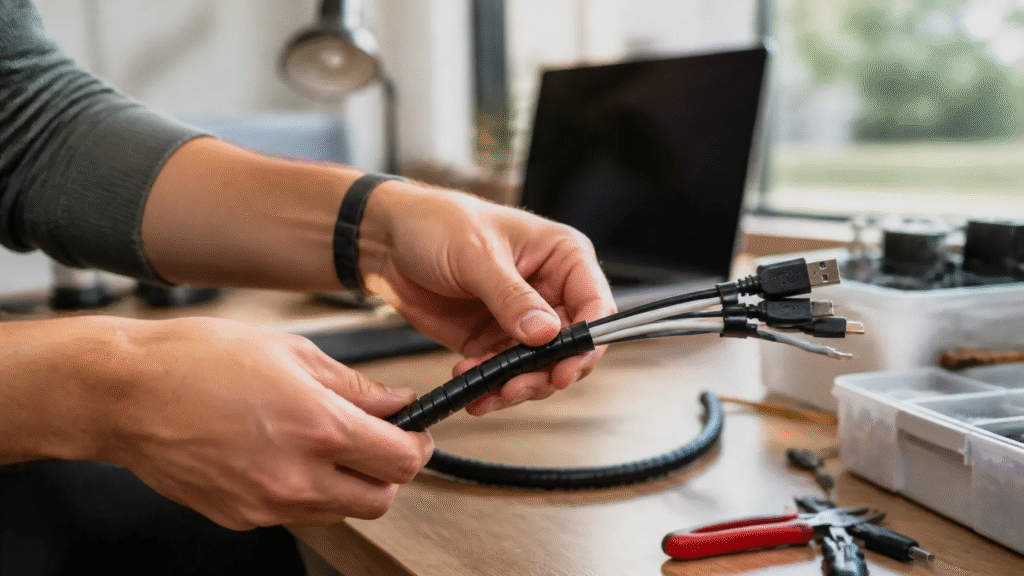
Are you struggling with damaged hoses, messy wire bundles, or constant equipment wear and tear? Knowing exactly how should a spiral wrap be applied can mean the difference between a clean, long-lasting setup and expensive downtime. Whether you need rugged abrasion protection, seamless bundle organization, or flexible cable protection for industrial, electrical, or medical applications, […]
We use cookies to enhance your browsing experience, serve personalised ads or content, and analyse our traffic. By clicking "Accept All", you consent to our use of cookies.
Looking For High Quality Nylon Cable Ties At A Great Price?
Order now to experience cost-effective cable tie products that provide convenience and protection for your work and life.


 EN
EN  AR
AR  ES
ES  PT
PT  FR
FR  RU
RU  DE
DE  KO
KO  JA
JA  IT
IT  NL
NL