Understanding Metal Cable Ties vs Metal Detectable Cable Ties
Industrial cable management demands specific solutions tailored to environmental threats and safety standards. At WANDU, we engineer specialized fastening hardware to help facility operators maintain strict compliance, operational safety, and wiring integrity across global markets.
What Are Metal Cable Ties?
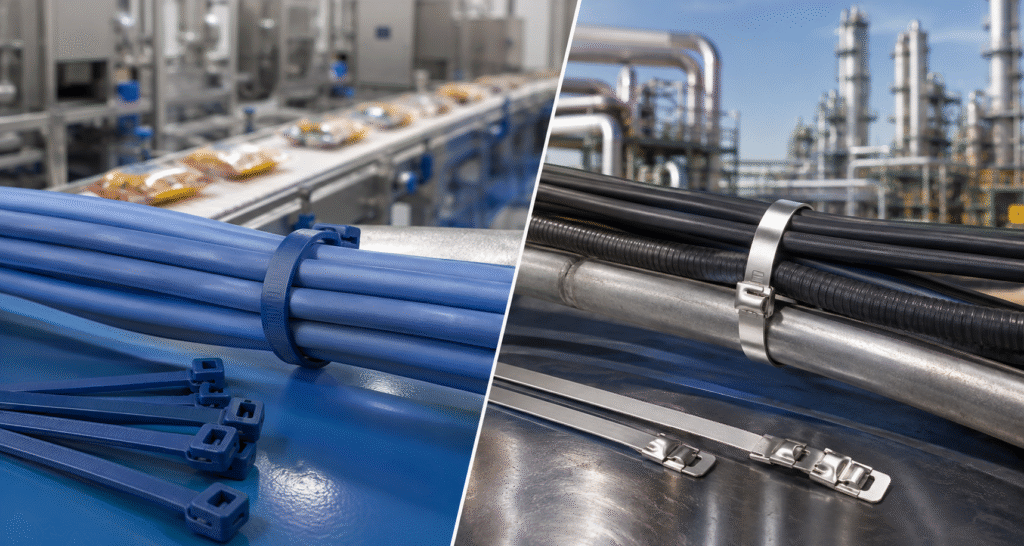
Metal cable ties are heavy-duty fasteners constructed entirely from high-grade metals, most commonly 304 or 316 stainless steel. Built to withstand physical destruction, extreme thermal variations, and corrosive elements, stainless steel cable ties deliver non-yielding bundle security in harsh operating environments.
Material: 100% metallic construction (typically 304 or 316 stainless steel wire ties).
Durability: Fire-resistant, UV-proof, and impervious to severe chemical exposure.
Primary Role: High tensile strength bundling in heavy machinery, oil & gas, marine, and outdoor energy infrastructure.
What Are Metal Detectable Cable Ties?
Metal detectable cable ties—also known as metal detectable zip ties or metal detectable tie wraps—are polymer-based fasteners infused with evenly dispersed metallic compounds throughout their entire body. Designed primarily for contamination-sensitive production zones, these ties combine the flexibility of standard nylon fasteners with complete detectability.
Material: High-quality nylon or polypropylene blended with metallic oxide additives.
Key Feature: Every part of the tie, including small cut tails or broken fragments, is fully detectable.
Primary Role: Eliminating physical contamination risks in food processing, pharmaceutical production, and chemical packaging.
How Metal Detectable Cable Ties Function
Metal detectable wire ties function by integrating fine metal particles into the plastic matrix during manufacturing. This homogeneous distribution guarantees that automated inspection equipment spots any tie piece that accidentally enters the product stream.
Electromagnetic Detection: Metallic particles trigger standard inline metal detectors, setting off automated reject mechanisms.
X-Ray Visibility: High-density material composition ensures clear contrast under X-ray inspection systems.
Visual Identification: Usually manufactured as blue metal detectable cable ties, their distinct color provides immediate visual recognition against raw materials and finished goods.
Key Differences Between Metal Detectable and Metal Cable Ties Choosing between these options comes down to balancing structural strength with contamination safety. Understanding what is the difference between nylon and metal zip ties helps determine whether your facility needs extreme mechanical load capacity or strict food-safe compliance. At WANDU, we engineer both styles to solve distinct operational challenges.
Feature
Metal Detectable Cable Ties
Stainless Steel Cable Ties
Primary Base Material
Nylon 66 / Polypropylene with metal pigment
304 or 316 Stainless Steel
Flexibility
High (hand-tightens easily)
Low (rigid, requires tensioning tool)
Detection Method
Metal detectors, X-ray, visual blue color
Metal detectors, X-ray
Tensile Strength
18 lbs – 120 lbs
100 lbs – 250+ lbs
Best Use Case
Food processing, pharma, contamination control
Heavy machinery, outdoor, high heat
Material Composition and Flexibility
Metal Detectable Cable Ties: We mold high-grade nylon or polypropylene with metallic particles evenly distributed throughout the entire body. These metal detectable zip ties stay lightweight, highly flexible, and easy to bundle around delicate wires by hand.
Metal Cable Ties: Constructed entirely from solid metal. A full metal cable tie provides rigid structural support, but it lacks the soft flexibility needed for fast, manual harness assembly.
Detection Capabilities and Contamination Control
Fragment Safety: Metal detectable tie wraps feature metallic additives embedded into every millimeter. If a tail is trimmed or accidentally cut during routine maintenance, even a tiny 2 mm snippet will trip inline metal detectors and X-ray scanners.
Visual Identification: Most metal detectable wire ties come in bright safety blue for quick visual detection on processing lines, whereas standard stainless steel tie wraps easily blend into silver machinery.
Tensile Strength and Mechanical Durability
Heavy-Duty Holding: Heavy duty stainless steel cable ties excel at supporting heavy industrial conduits, severe mechanical vibration, and extreme structural loads without stretching.
Light to Medium Bundling: Metal detectable cable ties provide reliable standard tensile strength (up to 120 lbs), making them ideal for securing processing lines, sensory tubing, and food-grade packaging.
Temperature and Corrosion Resistance
Standard Operating Range: Polymer-based detectable ties handle daily factory washdowns and standard processing temperatures, though reviewing cable tie heat resistance and material properties is essential before deploying them near high-temperature ovens.
Extreme Environments: Full stainless steel metal cable ties withstand intense temperatures above 500°C and offer superior corrosion resistance against harsh chemicals, acids, and outdoor exposure.
Main Types and Variations Available
We manufacture and supply several distinct classes of cable ties designed to handle specific environmental challenges and contamination risks. Understanding these main types helps ensure you select the exact tie wrap for your operational demands.
304 and 316 Stainless Steel Cable Ties
Pure metal cable ties provide maximum tensile strength and extreme temperature resistance. When deciding on the right alloy, consider these key differences:
304 Stainless Steel Zip Ties: Ideal for general industrial setups, outdoor wiring, and standard manufacturing environments. They offer solid corrosion protection and high mechanical strength at a cost-effective price point.
316 Stainless Steel Cable Ties: Formulated with molybdenum for superior resistance to chlorides, salt spray, and aggressive chemicals. Comparing 304 vs 316 stainless steel cable ties is essential when outfitting marine setups, offshore rigs, or heavy chemical plants.
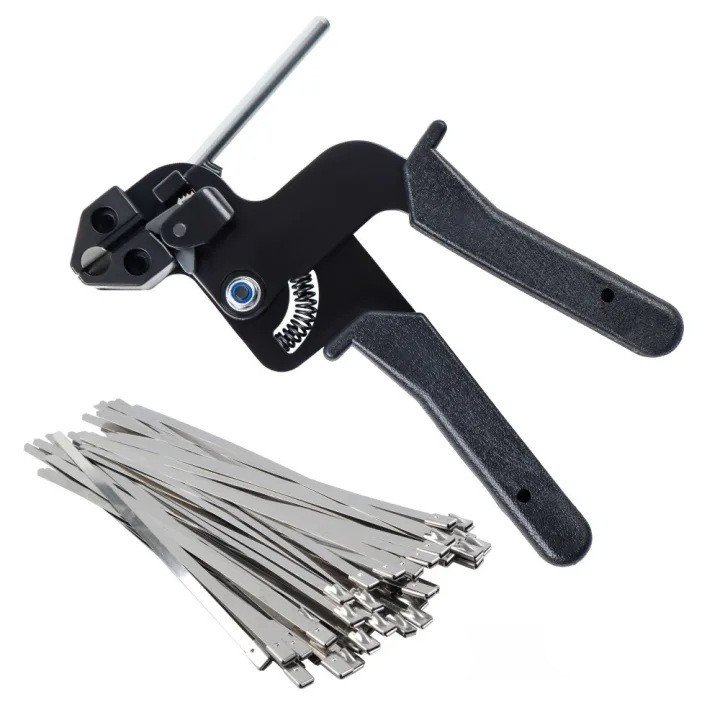
Most heavy duty stainless steel cable ties utilize a self-locking ball lock mechanism for fast, secure installation, while specialty reusable metal zip ties allow for easy adjustments during maintenance.
For processing lines where full metal wraps are too rigid, synthetic polymer options offer the flexibility of traditional plastic zip ties combined with safety detection.
Our metal detectable nylon cable ties feature metal-pigment compounds blended evenly throughout the Nylon 6.6 body. Even a tiny severed fragment of a metal detectable zip tie will trip inline magnetic separators, in-line metal detectors, and X-ray inspection machines. These are typically manufactured as blue metal detectable cable ties to provide immediate visual identification against food products.
Polypropylene Metal Detectable Cable Ties
Polypropylene metal detectable wire ties are specifically engineered for environments exposed to harsh chemical cleaners, acids, and floating applications.
Chemical Immunity: Superior resistance to strong acids, bases, and reactive cleaning solvents.
Buoyancy: Lower density allows them to float on liquids, making them easier to skim out of processing vats.
Moisture Resistance: Virtually zero water absorption, preventing structural degradation in high-humidity zones.
Primary Applications and Industry Use Cases
Food and Beverage Processing
Food production facilities must comply with strict HACCP and FDA guidelines to eliminate product contamination risks. Standard plastic fasteners pose a major hazard if accidentally cut or snapped during processing.
Dual Detection Capability:Blue metal detectable cable ties provide visual contrast against food products while embedded metallic compounds trigger automated inline metal detectors and X-ray equipment.
Line Safety: Using metal detectable zip ties along conveyor systems and packaging lines ensures broken tie fragments are caught long before reaching consumers.
Process Compatibility: While general manufacturing may rely on standard nylon cable ties, food contact zones require these specialized detectable formulations to ensure full regulatory compliance.
Pharmaceutical and Chemical Manufacturing
Preventing batch contamination in pharmaceutical production and chemical compounding demands rigorous contamination controls.
Batch Protection: Securing liquid transfer lines, cables, and process piping with metal detectable wire ties ensures any rogue fragment is identified during quality checks.
Chemical Immunity: Polypropylene-based metal detectable tie wraps resist aggressive cleaning chemicals, acids, and solvents used in daily cleanroom washdowns.
Traceability: Distinctive coloring and magnetic properties simplify routine maintenance audits across sanitary zones.
Heavy Industrial, Marine, and Harsh Environments
Extreme operating environments require mechanical strength that standard plastics cannot supply.
Corrosion Resistance: Corrosion-proof 316 stainless steel cable ties withstand saltwater, intense UV exposure, and chemical washdowns in offshore and marine operations.
High Tensile Demands: Marine rigs and heavy machinery utilize heavy duty stainless steel cable ties to bind heavy cable bundles securely under severe vibration and extreme temperature swings.
Long-Term Reliability: Installing stainless steel tie wraps in aggressive industrial settings eliminates frequent maintenance cycles and premature fastener degradation.
Key Features and Safety Standards Compliance
To meet strict Hazard Analysis Critical Control Point (HACCP) guidelines and FDA regulations, metal detectable cable ties are engineered specifically to prevent physical contamination in sensitive processing environments. Every tie features uniform material blending to guarantee total compliance across automated production lines.
Magnetic and X-Ray Detection Properties
We manufacture our metal detectable zip ties by evenly infusing metallic additives throughout the entire body of the tie, including the locking head and tail. If a tie gets accidentally cut or damaged during routine maintenance, quality control systems pick up even tiny fragments before products leave your facility.
Detection Technology
Operating Mechanism
Key Safety Advantage
Metal Detector
Uses electromagnetic fields to sense metallic particles
Triggers instant conveyor rejection for broken pieces
X-Ray Inspection
Identifies high-density material contrasting with product density
Detects micro-fragments inside dense or packaged goods
Visual Identification and Color Standards
Visual inspection serves as the first line of defense against product contamination. Industry standards mandate a distinct safety blue color because naturally blue foods do not exist, making snips or loose ties immediately noticeable to line workers.
High-Contrast Safety Blue: Instantly stands out against raw ingredients, bakery goods, meat products, and liquid mixtures.
Full-Body Impregnation: Color and metal additives are blended evenly so broken pieces remain visible and detectable from any angle.
Regulatory Alignment: Helps processing facilities easily comply with international food safety mandates and factory audit rules.
Our high-performance blue metal detectable cable ties provide dual-layered protection—combining quick visual verification with reliable automated detection to keep your processing lines secure.
How to Choose the Right Cable Tie for Your Application
Evaluating Industry Regulations and Contamination Risks
Choosing the correct fastening solution depends directly on your operational environment and safety compliance standards. In food processing and pharmaceutical manufacturing, preventing foreign object contamination is critical. Standard plastic ties pose severe product recall risks if sheared pieces fall into processing lines.
Food & Pharma Safety: Blue metal detectable cable ties are the industry standard. The bright blue color allows quick visual inspection, while infused metallic particles trigger inline metal detectors and X-ray inspection systems.
Extreme Environments: Solid 304 or 316 stainless steel cable ties are required where heavy chemical washdowns, extreme thermal shifts, or intense UV exposure rapidly degrade polymers.
Matching the mechanical properties of metal detectable tie wraps to environmental stressors prevents sudden line failures.
Material Type
Tensile Strength
Temperature Range
Ideal Application
Nylon Metal Detectable
Up to 120 lbs
-40°F to 185°F
General wire bundling in food/pharma plants
Polypropylene Metal Detectable
Up to 50 lbs
-40°F to 230°F
Chemical processing & acid-wash environments
304 Stainless Steel
Up to 250+ lbs
-112°F to 1000°F
Heavy industrial equipment & indoor machinery
316 Stainless Steel
Up to 250+ lbs
-112°F to 1000°F
Marine, offshore, & harsh saltwater exposure
Comparing Cost, Flexibility, and Installation Needs
Balancing long-term durability with labor efficiency keeps operations running smoothly:
Flexibility & Ergonomics: Polymer-based metal detectable zip ties remain flexible, making them easy to bundle around delicate wiring harnesses by hand.
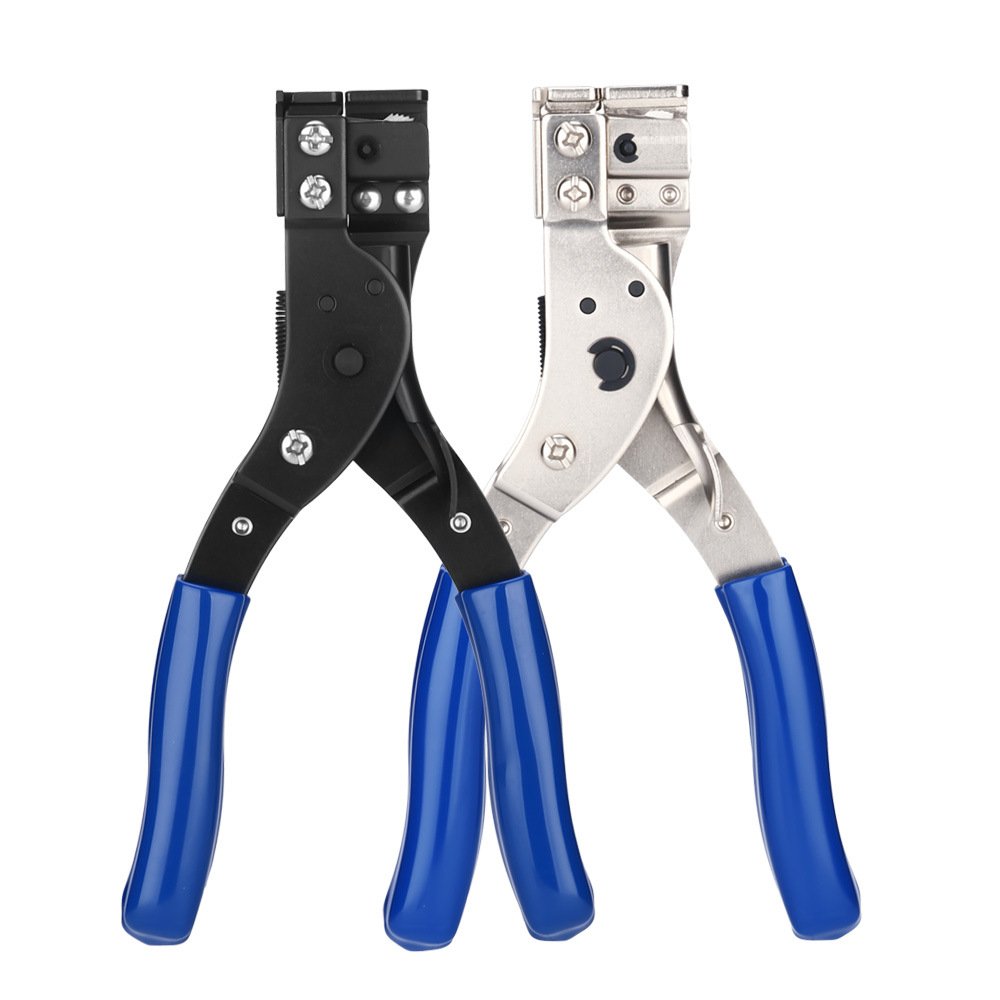
Tooling Requirements: Stainless steel metal cable ties feature ball-lock mechanisms that require specialized tensioning tools to achieve secure lock-in and flush cuts.
Lifecycle Cost: Metal detectable wire ties offer an economical solution for everyday contamination control, while heavy duty stainless steel cable ties provide permanent durability in extreme conditions.
Why Cutting Stainless Steel Zip Ties Requires the Right Approach Cutting stainless steel zip ties requires a fundamentally different technique than trimming standard nylon fasteners. Engineered for harsh industrial environments, automotive exhaust systems, and marine applications, these metal fasteners deliver uncompromising security. Attempting to cut or remove them without the proper strategy will destroy your […]
What is a Cable Tie? Understanding the Anatomy Whether you call them zip ties, wire ties, or hose fasteners, cable ties are the unsung heroes of modern organization. Used globally across automotive, industrial, and residential sectors, these simple fasteners provide incredibly secure binding with minimal effort. As a premier wiring accessories manufacturer and supplier, WANDU […]
Ever wondered how to use a heat gun without scorching your project or creating a safety hazard? From stripping stubborn paint and bending PVC to applying vinyl wraps, a heat gun is easily one of the most versatile power tools you can own. Mastering it comes down to choosing the right temperature settings, utilizing proper […]
We use cookies to enhance your browsing experience, serve personalised ads or content, and analyse our traffic. By clicking "Accept All", you consent to our use of cookies.
Looking For High Quality Nylon Cable Ties At A Great Price?
Order now to experience cost-effective cable tie products that provide convenience and protection for your work and life.



 EN
EN  AR
AR  ES
ES  PT
PT  FR
FR  RU
RU  DE
DE  KO
KO  JA
JA  IT
IT  NL
NL  TR
TR