Cable ties, also known as zip ties, are versatile fasteners used in various applications, from organizing computer cables to securing industrial equipment. One crucial aspect of cable tie performance is their ability to withstand heat.
This article explores the factors affecting cable tie melting points and provides insights into choosing the right ties for different temperature environments.
Factors Affecting Cable Tie Melting Point
The melting point of a cable tie depends on several factors, primarily its material composition. Most standard cable ties are made from nylon 6/6, a durable and flexible polymer. However, the addition of various stabilizers and additives during the manufacturing process can significantly impact the cable tie’s heat resistance.
Environmental factors also play a role in a cable tie’s performance and melting point. Exposure to UV radiation, chemicals, and moisture can degrade the material over time, reducing its ability to withstand high temperatures.
Common Cable Tie Materials and Their Melting Points
Nylon 6/6 Cable Ties
Standard nylon 6/6 cable ties are the most common and economical option. They have an operating temperature range of -40°C to 85°C (-40°F to 185°F) and a melting point of around 265°C (509°F). While suitable for most general-purpose applications, they may not be ideal for high-temperature environments.
Heat-Stabilized Nylon Cable Ties
Heat-stabilized nylon cable ties are designed to withstand higher temperatures than standard nylon ties. They can typically handle continuous operating temperatures up to 135°C (275°F). These cable ties are a good choice for applications with moderate heat exposure.
Stainless Steel Cable Ties
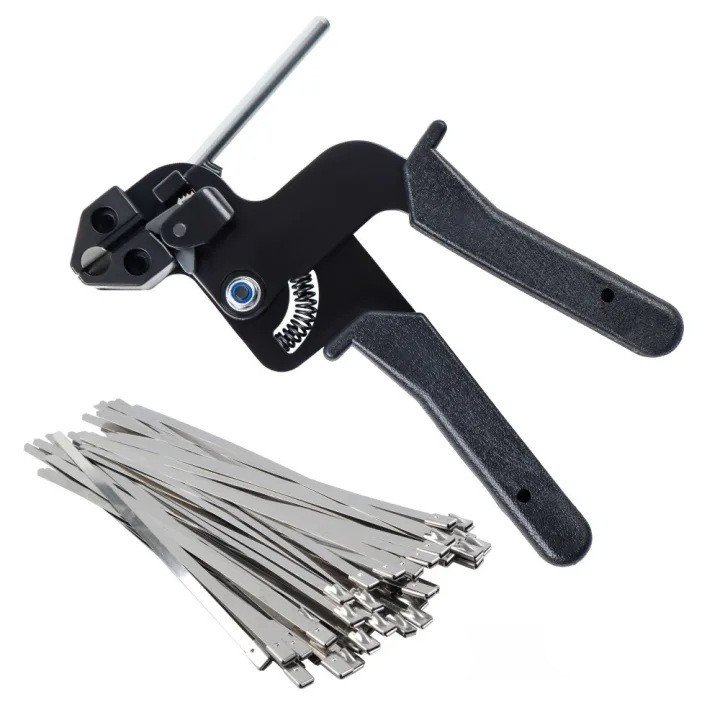
For extreme temperature applications, stainless steel cable ties are an excellent option. They have an operating range of -80°C to 538°C (-112°F to 1000°F) and are fire-resistant. Stainless steel cable ties have a very high melting point, making them suitable for use in high-temperature industrial environments, such as automotive and aerospace applications.
Other High-Temperature Materials
For specialized applications, cable ties made from advanced materials are available:
PEEK (Polyetheretherketone) cable ties can withstand temperatures up to 260°C (500°F).
Tefzel (ETFE) cable ties offer resistance to chemicals and radiation, with an operating range of -80°C to 180°C.
Importance of Proper Cable Tie Selection
Selecting the appropriate cable tie for your application is crucial to ensure reliable performance and safety. Always match the cable tie’s temperature rating to the expected environmental conditions. Consider not only the ambient temperature but also potential exposure to UV radiation, chemicals, and moisture.
When in doubt, consult with cable tie manufacturers or suppliers for specific recommendations based on your application requirements. They can provide guidance on the most suitable material, size, and tensile strength for your needs.
Conclusion
Understanding the heat resistance and melting points of various cable tie materials is essential for selecting the right fastener for your application. While standard nylon 6/6 cable ties are suitable for most general-purpose use, high-temperature environments may require heat-stabilized nylon, stainless steel, or other specialized materials like PEEK or Tefzel.
By properly selecting cable ties based on their material properties and expected environmental conditions, you can ensure a safe, reliable, and long-lasting installation. Always refer to manufacturer specifications and recommendations when choosing cable ties for high-temperature applications.
Ever found yourself reaching for a zip tie, only to realize it’s a few inches too short for the job? It’s a frustrating moment, whether you’re managing a chaotic bundle of cords or tackling a weekend DIY project. But before you throw it away or make a frantic run to the hardware store, there’s a […]
What are zip tie uses?Have you ever wondered how construction projects manage the maze of cables and wires efficiently?Zip ties play a crucial role in the construction industry, offering versatile solutions for organizing, securing, and managing various components.These simple yet effective tools streamline processes, enhance safety, and contribute to the overall efficiency of construction projects. […]
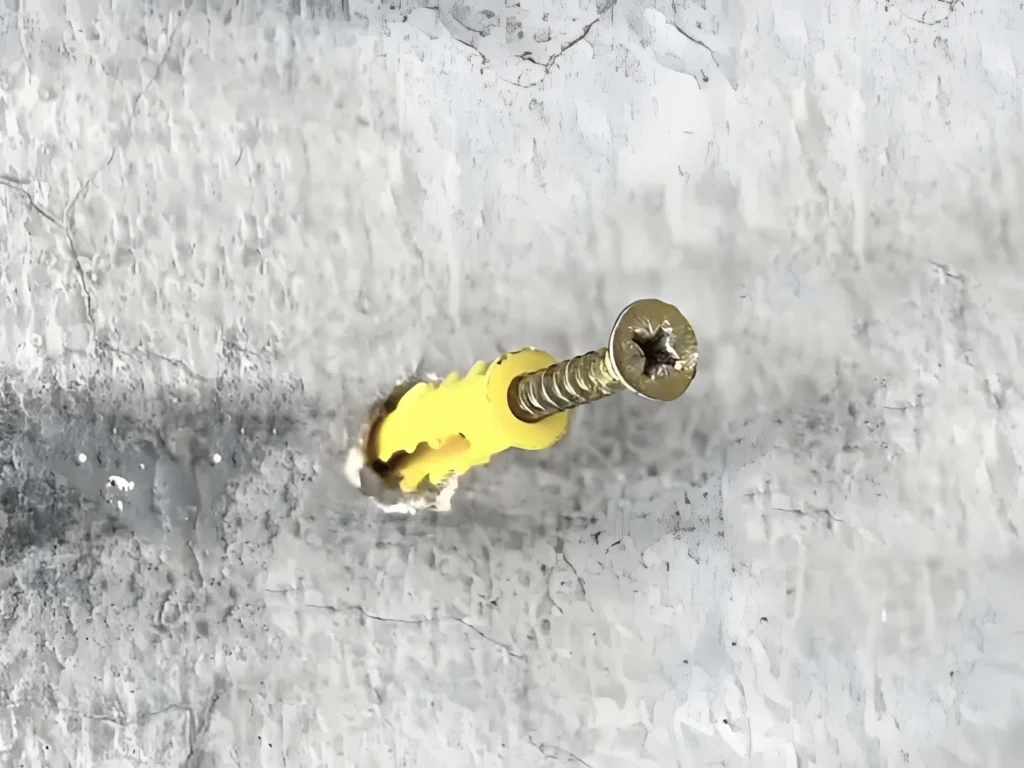
Understanding Plastic Wall Anchors and Their Uses What is a Plastic Wall Anchor? A plastic wall anchor, often referred to as a plastic wall plug, is a specialized inserting sleeve designed to provide a secure fastening point in weak or hollow substrates like drywall, plaster, and masonry. Standard screws cannot grip these materials effectively on […]
We use cookies to enhance your browsing experience, serve personalised ads or content, and analyse our traffic. By clicking "Accept All", you consent to our use of cookies.
Looking For High Quality Nylon Cable Ties At A Great Price?
Order now to experience cost-effective cable tie products that provide convenience and protection for your work and life.



 EN
EN  AR
AR  ES
ES  PT
PT  FR
FR  RU
RU  DE
DE  KO
KO  JA
JA  IT
IT  NL
NL