What Is Heat Shrinking Tubes and How Does It Work?
A heat shrinking tube (also known as a polymer sleeve) is an expandable plastic tube engineered to insulate, protect, and bundle wires, cables, and electrical components. When exposed to a heat source, the tubing shrinks radially to fit tightly around underlying components, creating a protective layer against environmental hazards, moisture, abrasion, and electrical shorts.
At WANDU, as a leading wiring accessories manufacturer and supplier, we engineer high-performance heat shrink tubes designed to meet rigorous industrial insulation and cable jacketing standards across global markets.
The Science Behind Polymer Cross-Linking and Thermal Memory
The core function of heat shrinkable materials relies on two fundamental scientific concepts:
Polymer Cross-Linking: Exposure to high-energy electron beam radiation creates strong chemical bonds between polymer chains, transforming the material into a three-dimensional molecular network.
Thermal Memory: Cross-linking imbues the heat shrink tube material with structural memory. This memory allows the tubing to remember its original extruded shape when re-heated past its activation temperature.
The Manufacturing Process: Extrusion, Cross-Linking, and Expansion
Manufacturing a durable cable heat shrink tube involves three distinct industrial phases:
Extrusion: Premium thermoplastic resin is extruded into continuous tubing with exact inner diameter and wall thickness specifications.
Cross-Linking: High-energy irradiation cross-links the molecular structure, raising the thermal resistance and tensile strength of the polymer.
Expansion and Cooling: The tube is heated, mechanically expanded to a larger diameter, and rapidly cooled. This locks the tubing into its expanded state until installation.
What Happens to Heat Shrink When Heat Is Applied?
When thermal energy reaches the required activation temperature during installation:
Matrix Relaxation: The mechanical tension locked during expansion releases as the polymer chains relax.
Radial Recovery: The heat shrink tube sleeve shrinks inward toward its original pre-expansion diameter.
Conformal Sealing: The material tightly encapsulates the underlying wire connector or cable, delivering exceptional strain relief, electrical insulation, and environmental protection.
Common Types and Materials of Heat Shrinking Tubes
Selecting the right heat shrink tube material depends on your specific working environment, thermal requirements, and mechanical stress levels. We craft these protective sleeves from diverse polymers to meet broad industrial standards and custom application needs.
Polyolefin and PVC for General Electrical Use
Polyolefin is the default choice for general electrical insulation due to its flexibility, fast shrinking time, and resistance to flames and solvents. PVC provides an economical alternative with high clarity and solid mechanical toughness.
Polyolefin: Operates reliably between -55°C and 135°C, making it the industry standard heat shrink tube for wires and commercial harnesses.
PVC Tubing: Excellent for light-duty projects, offering a clear heat shrink tube option that lets you visually inspect wire conditions and labels without removing the jacket.
Fluoropolymers and Silicone Rubber for High Temperatures
For extreme thermal environments or harsh chemical exposure, specialized materials are required. Reviewing heat resistance and material properties helps ensure you select a material that maintains structural integrity under heavy operational stress.
Material
Temp Rating
Core Advantage
Fluoropolymers (PTFE/FEP)
-65°C to 260°C
Superior chemical resistance and ultra-high thermal capacity
Silicone Rubber
-50°C to 200°C
High flexibility, excellent dielectric strength, and durable insulation
This heavy-duty polymer sleeve construction protects sensitive wiring in automotive engine compartments, industrial machinery, and aerospace equipment.
Dual-Wall Adhesive-Lined Heat Shrinking Tubes
Dual wall tubing combines a tough outer jacket with an inner layer of hot-melt adhesive. When heated, the inner wall melts and flows, sealing out moisture, fluids, and environmental contaminants completely.
Waterproof Environmental Seal: Blocks moisture and prevents corrosion across every wire connector joint.
High Shrink Ratio: Typically available in 3:1 and 4:1 ratios to easily slide over bulky connectors and shrink tightly onto smaller wire gauges.
Mechanical Strain Relief: Strengthens fragile cable transitions to resist severe bending and pulling on the cable heat shrink tube.
Key Specifications and How to Size Heat Shrink Correctly
Getting the correct fit for your heat shrinking tubes is essential for creating a reliable seal and durable mechanical protection. Selecting the wrong size leads to loose sleeves or split material during installation.
Expanded vs. Recovered Inside Diameter (ID)
When reviewing specifications for a heat shrink tube size, you need to evaluate two core measurements:
Expanded ID: The inner diameter of the cable tube heat shrink as supplied before heating.
Recovered ID: The inner diameter of the tubing after it has been fully shrunk.
To guarantee a tight seal, follow our 80/20 sizing rule: The target object diameter must be at least 20% smaller than the Expanded ID. The target object diameter must be at least 20% larger than the Recovered ID.
Understanding Heat Shrink Ratios (2:1, 3:1, 4:1)
The shrink ratio indicates how much the sleeve shrinks relative to its original expanded size. Matching the ratio to your application ensures proper coverage over uneven profiles.
Shrink Ratio
Size Reduction
Best Application
2:1
Shrinks to 50% of expanded size
Standard heat shrink tube for wires, smooth splices, simple bundling
3:1
Shrinks to 33% of expanded size
Irregular shapes, sliding over bulky connectors or terminals
4:1
Shrinks to 25% of expanded size
Large diameter transitions, heavy-duty dual wall environmental sealing
Longitudinal Shrinkage and Wall Thickness
As a heat shrink tube manufacturer, we engineer tubing for precision performance, but thermal memory causes minor length changes during heating:
Longitudinal Shrinkage: Tubing shortens by 5% to 10% as it shrinks. Cut your sleeve slightly longer than the splice area to compensate.
Recovered Wall Thickness: Wall thickness increases as the diameter contracts. Thicker walls provide higher abrasion resistance and robust cable jacketing strength.
Understanding what is heat shrink tube sizing allows you to calculate exact recovery dimensions for a precise, professional fit every time.
How to Apply Heat Shrinking Tubes Step-by-Step
In our production facility, we know that applying heat shrinking tubes correctly is the key to creating durable, professional electrical insulation and seal protection.
Step 1: Select and Cut the Right Size Tubing
Measure the connection: Choose a heat shrink tube size where the expanded inner diameter is slightly larger than your thickest wire terminal or splice, while the fully recovered diameter is smaller than the smallest wire jacket.
Account for shrinkage: Cut the cable heat shrink tube with sharp shears. Always allow an extra 10% to 20% in length, as the material naturally shrinks longitudinally when heated.
Keep edges clean: Ensure straight, burr-free cuts to prevent the polymer sleeve from tearing along stress points during thermal recovery.
Step 2: Position the Tubing Over the Wire or Splice
Pre-position early: Always slide the heat shrink tube sleeve onto one side of the wire before making your solder connection or crimping the wire connector.
Center the sleeve: Move the tubing directly over the exposed splice, ensuring equal overlap across both sides onto the original cable jacketing.
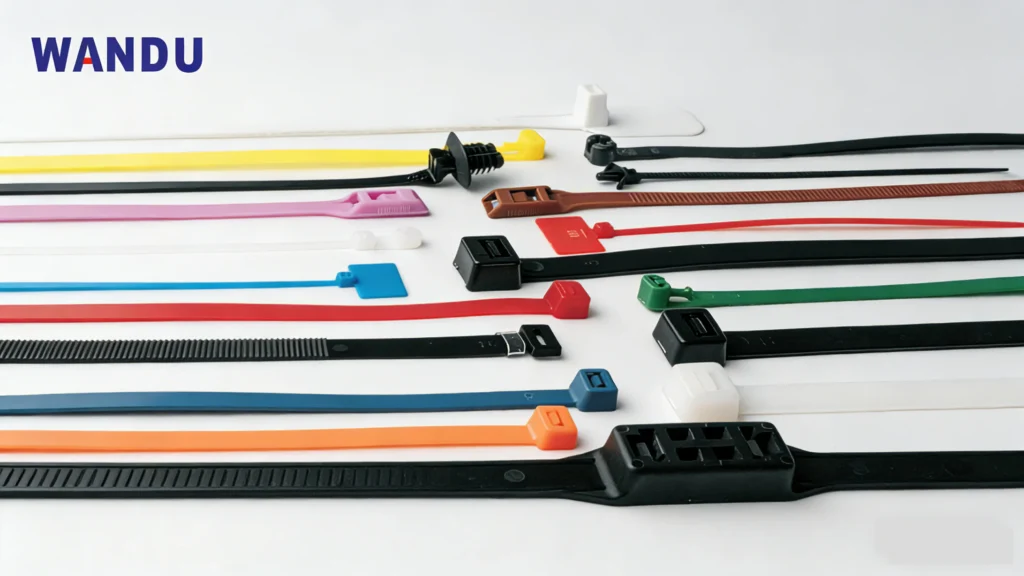
Manage neighboring runs: If you are bundling adjacent wire runs along the main cable assembly, secure them neatly with heat-resistant cable ties to prevent wire strain before heating.
Step 3: Apply Heat Evenly to Shrink the Material
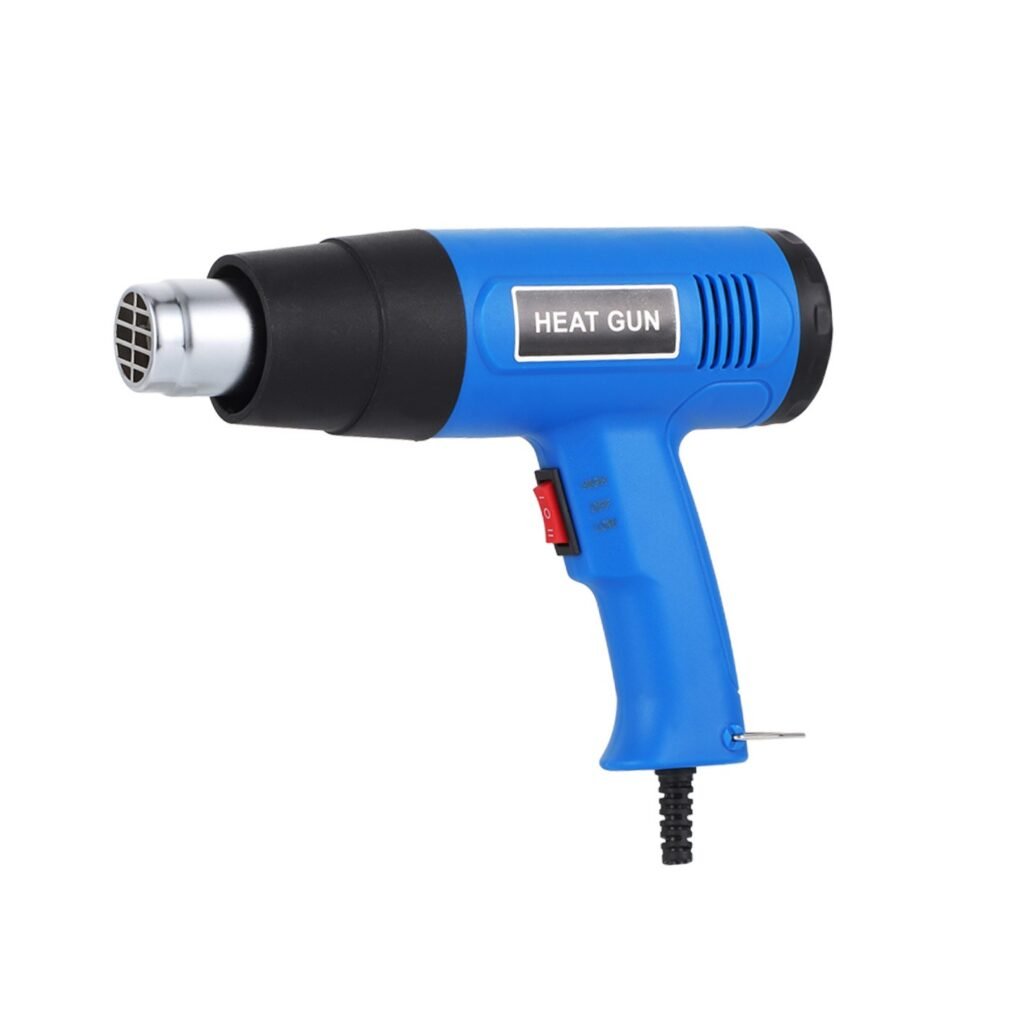
Use the right tools: Use a dedicated shrink tube heat gun equipped with a reflector nozzle rather than an open flame to ensure controlled, uniform thermal delivery.
Work from the center out: Start heating in the middle of the heat shrink tube for wires and slowly move toward the ends. This pushes air outward and prevents trapped bubbles.
Verify adhesive flow: If you are using dual wall adhesive-lined tubing, continue heating gently until you see a thin ring of adhesive squeeze out at both ends, forming an airtight, waterproof seal.
Step 4: Inspect the Finished Seal for Proper Fit
Check surface conformity: Ensure the tubing has shrunk tightly around the entire joint contour without wrinkles, voids, or scorch marks.
Inspect the ends: Confirm complete end-to-end coverage over the conductor joint.
Allow to cool: Let the connection cool down completely before flexing, pulling, or placing the assembly into service.
Alternative Heating Methods and Safety Precautions
Using Heat Guns vs. Alternative Heat Sources
A dedicated shrink tube heat gun is my top recommendation for shrinking heat shrink tubes. It provides controllable, uniform hot air and precise temperature control without exposing the heat shrink tube material to direct flames.
While a heat gun is the ideal tool, field work sometimes demands alternative heating methods:
Electric Heat Guns: The safest and most consistent option. They allow exact temperature adjustment (typically 250°F to 1000°F / 120°C to 550°C) for clean shrinking on both standard and clear heat shrink tube sleeves.
Butane Torches: Excellent for heavy-wall tubing and outdoor repairs. Keep the torch moving constantly to prevent burning the outer wall.
Soldering Iron Barrels: A quick backup for small wire splices. Hold the hot barrel—never the tip—a few millimeters away from the tube.
Lighters or Matches: Use only as a last resort. Pass the yellow portion of the flame rapidly under the tube to reduce soot accumulation.
Safety Guidelines to Prevent Overheating and Damage
Proper heating techniques protect the wire insulation and nearby components from thermal damage. When organizing complex electrical setups, combining proper heat shrink sleeving with nylon cable ties ensures a professional, secure installation.
Follow these key rules to avoid overheating:
Shrink Center to Edge: Always apply heat starting at the center of the tube and move outward toward the ends. This pushes out trapped air bubbles and ensures smooth adhesive flow.
Maintain Continuous Motion: Keep your heat source sweeping side-to-side. Holding heat in one spot will scorch or melt the polymer sleeve.
Recognize Recovery Limits: Stop heating immediately once the tube shrinks tight and fully conforms to the cable surface. Over-heating makes the material brittle and compromises structural integrity.
Ensure Ventilation: Work in a well-ventilated space to keep airflow moving while heating synthetic polymers.
Primary Applications and Uses for Heat Shrink
We supply heat shrink tubes to deliver reliable protection, insulation, and organization across automotive, marine, industrial, and residential electrical systems.
Electrical Insulation and Cable Splice Repair
Dielectric Protection: Wrapping exposed conductors and wire splices prevents electrical shorts, arcing, and dangerous ground faults.
Jacket Restoration: Damaged outer cable jacketing can be fully restored using a high-grade heat shrink tube sleeve, eliminating the need to replace entire wire runs.
Joint Reinforcement: Sliding a cable heat shrink tube over a soldered joint or inline wire connector provides continuous electrical insulation rated up to 600V or higher.
Environmental Sealing and Corrosion Protection
Moisture Barriers: Utilizing dual wall adhesive-lined tubing creates an airtight, waterproof barrier that completely locks out rain, saltwater, and heavy condensation.
Chemical Resistance: Shielding sensitive connections prevents damage from gasoline, oil, hydraulic fluids, and harsh cleaning solvents in industrial environments.
Corrosion Shielding: Encapsulating exposed metal splices stops atmospheric oxidation and galvanic corrosion in harsh outdoor installations.
Strain Relief, Bundle Identification, and Color-Coding
Mechanical Strain Relief: Positioning a polymer sleeve over delicate solder joints or connector transitions reduces flex fatigue and prevents wire breakage caused by vibration.
Visual Circuit Tracking: Using color-coded tubing lets technicians instantly identify phase connections, ground lines, and low-voltage signal paths.
Harness Bundling: Consolidating loose wire groups creates clean, organized cable looms. For complete wire management systems, combining heat shrink sleeves with reliable cable ties ensures your wiring harnesses remain neat and protected against continuous mechanical friction.
What Plastic Are Cable Ties Made From? A plastic cable tie relies on specific thermoplastic polymers engineered to balance tensile strength, flexibility, and environmental durability. Selecting the right cable tie material ensures optimal performance across industrial, electrical, and harsh outdoor environments. Nylon 6/6 as the Primary Material Nylon 6/6 (Polyamide 66 or PA66 cable tie […]
Where to Buy Nylon Zip Ties Finding the right nylon zip ties requires balancing convenience with specific project requirements. Whether you are managing home theater cables or securing industrial equipment, sourcing from reputable suppliers ensures you receive high-quality nylon cable ties with reliable tensile strength. Top Online Retailers and Marketplaces For maximum variety and competitive […]
Understanding Cable Ties Handcuffs and Essential Safety What Are Cable Ties Handcuffs? Cable ties handcuffs—often referred to as zip tie handcuffs or handcuff zip ties—are temporary physical restraints made from high-strength plastic fasteners. Unlike standard law enforcement metal cuffs, these restraints utilize the interlocking track and locking ratchet mechanism of industrial ties to secure an […]
We use cookies to enhance your browsing experience, serve personalised ads or content, and analyse our traffic. By clicking "Accept All", you consent to our use of cookies.
Looking For High Quality Nylon Cable Ties At A Great Price?
Order now to experience cost-effective cable tie products that provide convenience and protection for your work and life.



 EN
EN  AR
AR  ES
ES  PT
PT  FR
FR  RU
RU  DE
DE  KO
KO  JA
JA  IT
IT  NL
NL  TR
TR