Blue cable ties are essential fastening solutions designed for both organizational efficiency and aesthetic consistency. Beyond simple bundling, these blue zip ties serve as high-visibility markers in complex wiring environments, ensuring that specific lines are easily identifiable at a glance. We provide these as reliable, industrial-grade tools for professionals who demand precision.
What are Blue Cable Ties?
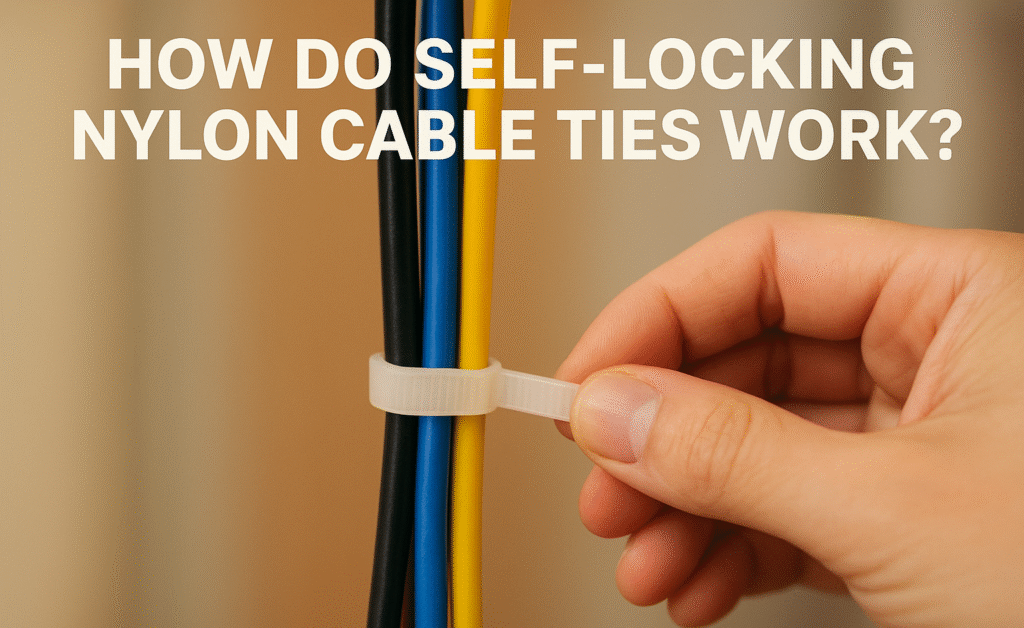
Commonly known as blue tie wraps or blue wire ties, these are self-locking fasteners used to secure cables, hoses, and components. They feature a flexible strap with a gear rack that engages a ratchet in the head, creating a permanent loop. Their distinct blue hue is not just for style; it serves as a functional coding system for technicians worldwide.
Benefits of Using Colored Zip Ties
Utilizing blue options offers significant advantages over standard natural or black ties:
Instant Identification: Simplifies troubleshooting by segregating data, power, or security lines.
Enhanced Visibility: The vibrant blue color stands out in dark enclosures or crowded panels.
Safety Compliance: Prevents accidental cutting by clearly marking specific circuits or zones.
Professional Finish: Delivers a clean, color-coordinated appearance for high-end installations.
Common Materials: Nylon 6.6 and Specialized Polymers
Our blue cable ties are engineered from premium materials to ensure performance under stress. While Nylon 6.6 is the industry standard for its balance of strength and flexibility, we also offer specialized polymer blends for specific environmental needs.
Infused with metallic particles for X-ray detection
Food & Pharmaceutical processing
UV Stabilized
Resistance to sunlight degradation
Outdoor telecommunications
Standard Sizes and Specifications
We offer a wide range of blue cable ties to ensure you have the right fit for any project, whether it’s a simple home DIY task or a massive industrial installation. Getting the size right isn’t just about looks; it’s about making sure your bundles stay secure and organized.
Length Options: From 4-inch to 22-inch Ties
Our inventory covers everything from short blue zip ties for tight spaces to extra-long versions for large-diameter bundles.
Miniature (4-inch): Perfect for small electronic wires and delicate cable management.
Standard (6-inch to 8-inch): The “go-to” size for most office and electrical work.
Large (11-inch to 14-inch): Ideal for thicker automotive hoses or construction site organization.
Extra-Long (18-inch to 22-inch): Built for heavy-duty industrial applications where maximum reach is required.
Tensile Strength Ratings (18 lbs to 120 lbs)
Strength is non-negotiable. We categorize our blue tie wraps by their loop tensile strength to help you match the tie to the weight of the load.
Tie Category
Tensile Strength
Recommended Use
Miniature
18 lbs
Small wires, hobbyist projects
Intermediate
40 lbs
General household, PC cable management
Standard
50 lbs
Electrical wiring, HVAC, light industrial
Heavy-Duty
120 lbs
Heavy piping, structural bundling
Selection Guide: How to Buy the Best Blue Ties
Choosing the right blue cable ties involves more than just picking a color. To ensure your install lasts, you need to match the technical specs to your environment and load requirements. We provide a range of sizes and strengths to keep your projects secure and organized.
Matching Length to Your Bundle Size
The most common mistake is buying ties that are too short. Always measure your bundle diameter first. We recommend leaving at least 2 inches of extra length to ensure you have enough “tail” to grip during tensioning.
Max Bundle Diameter
Recommended Length
Common Application
1.00 inch
4-inch blue zip ties
Small electronics and home office
2.00 inches
8-inch blue wire ties
General electrical and automotive
3.00 inches
11-inch blue cable ties
Network racks and industrial looms
6.00 inches
22-inch blue tie wraps
HVAC and heavy piping
Choosing Between Standard and Heavy-Duty Ties
Strength is measured by Loop Tensile Strength. For delicate data cables, a standard 18 lb or 40 lb tie prevents over-tightening. For construction or securing heavy equipment, you need the 120 lb heavy-duty versions. If your project involves extreme environmental stress, such as outdoor storage in freezing temperatures, you might also consider specialized cold-weather cable ties to ensure maximum reliability against snapping.
Quantity and Bulk Packaging Options
100-Pack Bags: Ideal for small maintenance kits or one-off electrical repairs.
1,000-Pack Bulk Bags: The best value for contractors and assembly lines where blue zip ties are used daily.
Case Quantities: We offer case pricing for large-scale industrial operations to ensure color consistency across your entire facility.
When high-volume efficiency is the goal, pairing your ties with 3M self-adhesive cable tie mounts allows for rapid, tool-free installation on smooth surfaces. Always buy in bulk to reduce your cost-per-unit and keep your inventory stocked for large-scale identification projects.
Installation and Best Practices
Getting the best performance out ofblue cable ties isn’t just about pulling them tight. It’s about precision and consistency to ensure your cable management stays secure and professional for the long haul.
Proper Tensioning and Cutting Techniques
To get a clean finish and avoid damaging your equipment, I recommend these steps:
Don’t Over-tighten: Pull the blue zip tie until the bundle is snug. Crushing the wire insulation can lead to signal interference or internal damage.
Use Flush Cutters: Never leave a “tail” or a sharp diagonal edge. Cutting blue tie wraps flush against the head prevents accidental cuts and snags during future maintenance.
Manual vs. Tool-Assisted Installation
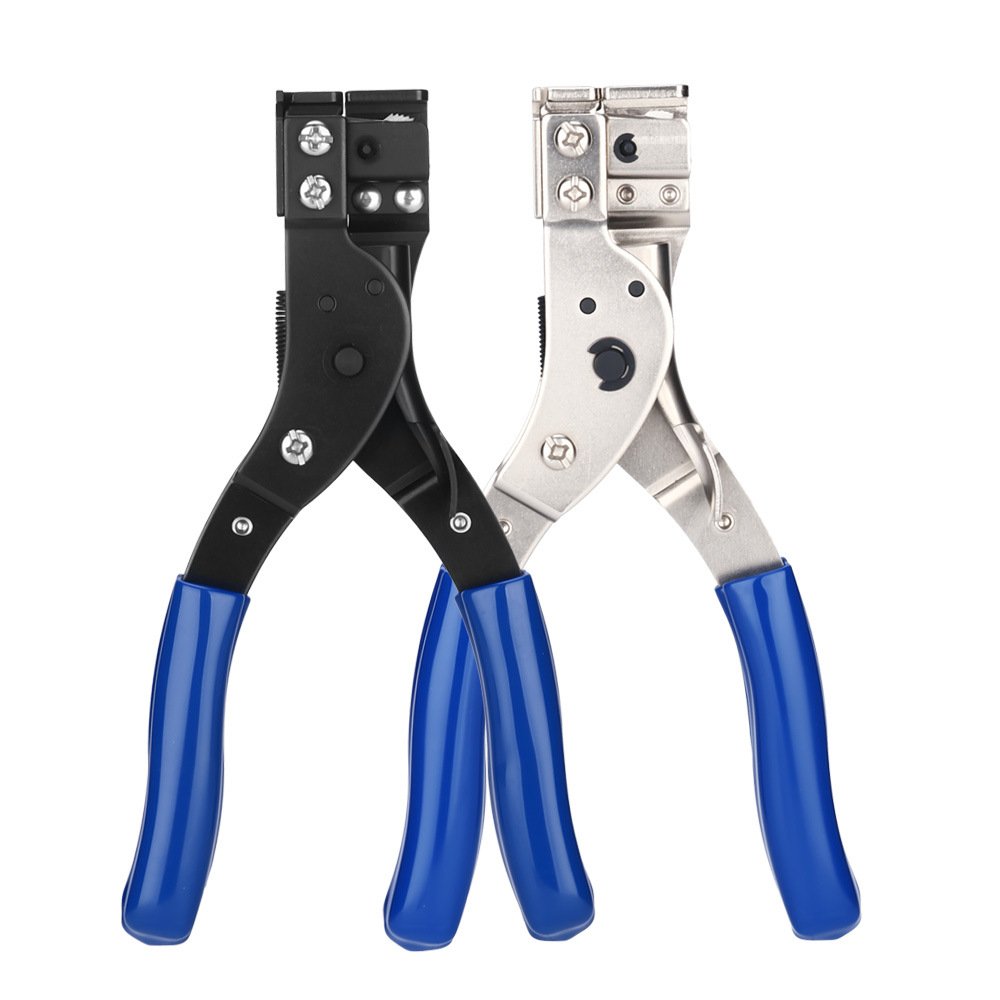
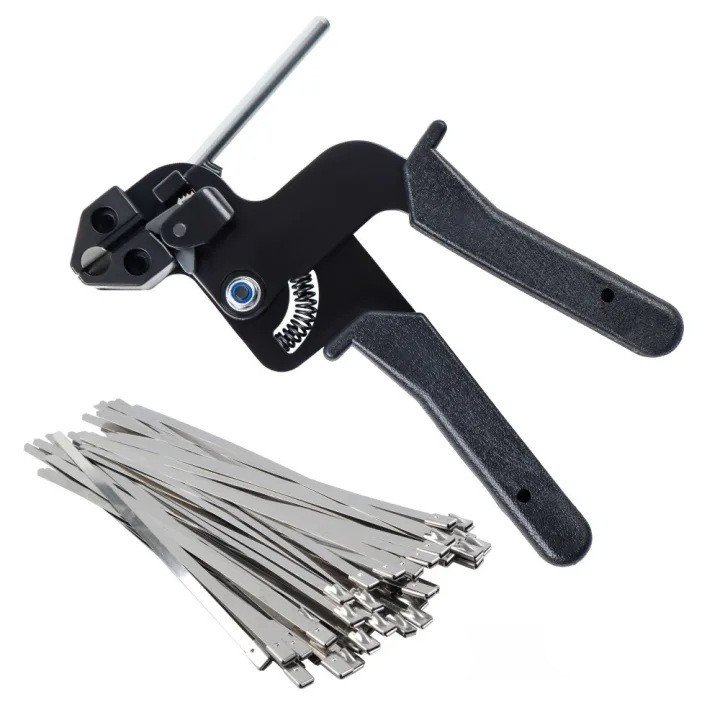
While pulling by hand is fine for quick fixes, I always suggest using a tensioning tool for large-scale industrial projects. These tools provide a repeatable torque setting, ensuring every blue wire tie is applied with the exact same force. If you are securing bundles to flat surfaces, using self-adhesive tie wrap mounts ensures the entire installation remains stable and organized.
Storage Tips for Maintaining Material Integrity
Nylon is a “living” material that absorbs and loses moisture. To keep your blue cable ties from becoming brittle, follow these storage rules:
Keep Bags Sealed: Only open the bag of blue cable ties when you’re ready to use them.
Cool, Dark Storage: Avoid direct sunlight or high-heat areas during storage to maintain the polymer’s flexibility.
Hydration Matters: If a pack has been open for a long time in a dry environment, adding a few drops of water to the bag can actually help restore the ties’ flexibility.
Metal cable ties are the strongest cable ties on the market offering unparalleled strength. But what are they made from and who uses them? What is a metal cable tie? A metal cable tie is a fastening device used to bundle and secure cables, wires, or other objects. cable ties metal are typically made from […]
If you’ve ever bundled wires or fastened things together, you’ve likely used a cable ties and zip tie. But are they actually different? In most cases, “zip tie” and “cable tie” mean the same thing and can be used for the same tasks. The main difference is in the name, which often depends on where […]
Introduction Nylon self locking cable tie, also known as self locking zip ties, is a practical tool widely used in both daily life and industrial environments. Whether organizing household appliance wires or managing cables in large industrial equipment, it plays a crucial role. With the continuous progress of industrial technology, nylon self locking cable ties […]
We use cookies to enhance your browsing experience, serve personalised ads or content, and analyse our traffic. By clicking "Accept All", you consent to our use of cookies.
Looking For High Quality Nylon Cable Ties At A Great Price?
Order now to experience cost-effective cable tie products that provide convenience and protection for your work and life.


 EN
EN  AR
AR  ES
ES  PT
PT  FR
FR  RU
RU  DE
DE  KO
KO  JA
JA  IT
IT  NL
NL  TR
TR