Standard vinyl electrical tape is one of the most widely used supplies in electrical installations, maintenance, and repairs. However, confusing its protective properties can lead to damaged wiring or severe electrical hazards.
The Direct Answer: Waterproof vs. Water-Resistant
Standard electrician’s tape is water-resistant, not waterproof.
While the polyvinyl chloride (PVC) backing itself does not absorb moisture, the pressure-sensitive adhesive layer underneath degrades when exposed to continuous moisture or water immersion.
Feature
Water-Resistant Tape (Standard PVC)
Truly Waterproof Solution
Material Base
Standard Vinyl / PVC Electrical Tape
Self-Amalgamating / Rubber Splicing Tape
Submersion Rating
Fails under water pressure
Impervious to continuous submersion
Adhesive Mechanism
Pressure-sensitive rubber adhesive
Self-fusing (chemically bonds without glue)
Best Application
Indoor phase marking, minor wire repairs
Marine, outdoor, and underground splices
How Electrical Tape Performs in Wet and Damp Conditions
In environments with elevated moisture, standard electrical insulation tape provides short-term defense but exhibits specific vulnerabilities:
Adhesive Breakdown: Constant dampness causes the adhesive to dissolve, turn gummy, and lose bonding strength.
Flagging and Peeling: Temperature shifts combined with moisture cause the tape backing to contract, lifting the outer edges (“flagging”).
Capillary Action: Water seeps along the seam lines of the spiral wrap, channeling moisture straight to the exposed electrical conductor.
At WANDU, our manufacturing standards ensure premium PVC electrical tape delivers exceptional dielectric protection and resistance against light splashes, but no single layer of standard vinyl tape creates an airtight, submersible seal on its own.
Can Electrical Tape Get Wet or Be Used Outdoors?
Electrician’s tape can tolerate incidental wetness—such as high ambient humidity, light rain mist, or indirect condensation—provided it is wrapped properly with at least a 50% overlap under tension.
Using standard electrical insulation tape alone outdoors presents long-term risks:
UV Degradation: Direct sunlight hardens the PVC backing, making it brittle.
Freeze-Thaw Cycles: Water trapped beneath the tape expands during cold spells, breaking the seal completely.
Corrosion Risk: Trapped moisture accelerates the oxidation of copper and aluminum wiring, leading to voltage drops and short circuits.
For durable outdoor or high-moisture cable insulation, standard tape must be paired with self-fusing rubber mastic or adhesive-lined heat shrink tubing to establish a completely watertight barrier.
Primary Purpose and Limitations of Standard Electrical Tape
Standard vinyl tape remains a staple in every tool bag, but using it correctly requires understanding its engineered boundaries. While it excels at basic electrical jobs, it is not a cure-all for every wiring challenge.
What Electrical Tape Is Designed to Do
Standard electrician’s tape is primarily engineered to provide electrical insulation and light mechanical protection for low-voltage wires. When evaluating what PVC tape is designed for in day-to-day electrical work, its primary functions include:
Dielectric Insulation: Preventing direct metal-to-metal contact and stopping accidental short circuits on wires rated up to 600V.
Abrasion Resistance: Shielding cable insulation from minor physical wear, sharp edges, and friction inside junction boxes.
Phase Identification: Using colored electrical tape to quickly mark voltages, neutral lines, and grounding phases.
Temporary Bundling: Holding wire harnesses and lead wires in place during initial installation.
Why Standard Vinyl Electrical Tape Fails Over Time
When exposed to harsh environments, standard PVC electrical tape eventually breaks down. The failure is rarely due to the vinyl backing itself, but rather the pressure-sensitive adhesive holding it together.
Failure Factor
What Happens to the Tape
Resulting Issue
Moisture Exposure
Water breaks down the adhesive layer
The tape uncurls and lifts at the edges
Temperature Swings
Heat softens the adhesive; cold makes vinyl brittle
Adhesive turns gummy, or the tape cracks
UV Radiation
Sunlight degrades plasticizers in the PVC
The backing hardens, shrinks, and splits
Mechanical Tension
Over-stretching during application causes “flagging”
The tape pulls back to its original shape and unravels
Safety Risks of Relying on Electrical Tape Alone
Using standard electrical insulation tape as your sole protective barrier in damp or outdoor settings introduces serious electrical hazards:
Short Circuits and Ground Faults: Water seeping under unsealed tape wraps creates conductive paths between exposed conductors and metal enclosures.
Electrical Shock and Fire: Degrading tape exposes live copper, creating high shock risks for maintenance personnel and arcing risks that can spark nearby combustible materials.
Best Waterproof Alternatives to Electrical Tape
Standard vinyl tape provides basic insulation, but wet and submerged applications require true moisture-blocking solutions. When you need a reliable, watertight seal for wire splices and outdoor terminals, these proven alternatives outperform standard electrical tape every time.
Solution
Best Application
Moisture Protection Level
Reusability / Removal
Self-Fusing Silicone Tape
Outdoor connections, high heat
Complete waterproof & airtight seal
Easy (leaves no residue)
Liquid Electrical Tape
Irregular splices, tight junctions
High moisture & chemical resistance
Permanent (peels off with effort)
Adhesive-Lined Heat Shrink
Underground wiring, direct burial
Submersible watertight barrier
Permanent
Rubber Mastic Tape
High-voltage joints, bulky splices
Heavy-duty weather & water seal
Permanent
Self-Fusing Silicone Tape
Self-fusing silicone tape, often called self-amalgamating tape, contains no sticky chemical adhesive. Instead, it chemically bonds to itself when stretched and wrapped under tension.
Seamless Barrier: Merges into a solid, rubberized sleeve that blocks water, salt spray, and moisture ingress.
Temperature Resistance: Handles extreme conditions ranging from -60°C to over 200°C without cracking or degrading.
Clean Removal: Leaves zero sticky residue behind if you ever need to service the connection.
Liquid Electrical Tape
Liquid electrical tape is a brush-on, rubberized liquid coating designed for hard-to-reach wiring and complex shapes where regular tape cannot wrap cleanly.
Conformal Coverage: Flows directly into gaps, exposed strands, and terminal posts to encapsulate the splice entirely.
Chemical & UV Defense: Dries quickly into a flexible dielectric seal that resists acids, alkaline moisture, and direct sunlight.
Vibration Resistant: Will not unravel or pull apart when cables flex or shake in automotive and marine setups.
Adhesive-Lined Heat Shrink Tubing
Dual-wall, adhesive-lined heat shrink tubing is the industry gold standard for permanent, fully submersible waterproof electrical cable insulation.
As heat is applied, the inner hot-melt adhesive melts and flows into every crevice while the outer polyolefin jacket shrinks tightly around the wire. Reviewing what is heat shrink tube construction shows why it offers unmatched strain relief and prevents moisture capillary action along wire strands.
3M Rubber Mastic Tape
Rubber mastic tape is an extra-thick, conformable rubber splicing tape paired with an aggressive mastic sealing compound.
Pads Bulky Connectors: Easily molds around irregular split-bolt connectors, bus bars, and high-voltage cable terminations.
Self-Healing Properties: The mastic flows to reseal punctures and maintain an airtight, watertight barrier underground or outdoors.
Standard Practice: Wrap connections with rubber mastic first, then apply a protective jacket of pvc insulation tape over the outside to deliver mechanical and UV protection.
How to Safely Seal Electrical Connections in Wet Locations
Standard vinyl tape can resist occasional splashes, but protecting circuits from persistent moisture requires a systematic sealing approach. When water penetrates a splice, it triggers short circuits, corrosion, and dangerous ground faults. To make sure outdoor and damp-location wiring stays safe and operational, proper layering and installation techniques are essential.
Best Practices for Applying Electrical Tape in Damp Environments
When working in environments exposed to humidity or light condensation, applying standard PVC electrical tape alone will eventually fail. For a moisture-tight, resilient seal, we recommend using a multi-layer wrapping process:
Clean and Prep the Cable Insulation: Wipe away all dirt, grease, and moisture from the wire jacket before taping. Tape adhesives will not bond to wet or contaminated surfaces.
Use Self-Amalgamating or Rubber Splicing Tape First: Start with a layer of rubber splicing tape directly over the exposed conductor. Stretch the tape to about three-quarters of its width as you wrap. This causes the tape to fuse to itself into a solid, rubbery waterproof barrier.
Apply the Half-Lap Technique: Wrap the tape at an angle, overlapping each turn by 50% of the tape’s width. Continue wrapping at least one inch past the exposed splice onto the intact cable insulation on both sides.
Overwrap with Premium PVC Electrical Tape: Finish by wrapping two to three layers of high-grade vinyl electrical insulation tape over the rubber base. This top layer provides mechanical protection, abrasion resistance, and UV shielding. Wrap the final turn with zero tension to prevent the tape end from flagging (peeling back).
Maintain Cable Support and Strain Relief: Prevent moisture from pulling on the seal by securing cables firmly to nearby structures. Following proper wiring practices, such as learning how to tie cable ties effectively along the wire run, prevents physical vibration from compromising taped splices.
Long-Term Solutions for Outdoor and Underground Wiring Safety
For direct burial, standing water, or permanent outdoor exposure, tape wraps should serve only as secondary protection. Long-term safety requires purpose-built waterproof sealing methods:
Adhesive-Lined Heat Shrink Tubing: Dual-wall polyolefin heat shrink tubing contains an inner layer of hot-melt adhesive. When heated, the outer wall contracts while the inner adhesive melts and completely fills voids around the wire, creating a permanent, watertight, IP67/IP68-level seal.
Gel-Filled Splice Enclosures: Pre-filled with non-conductive silicone gel, these snap-together enclosures enclose the splice and instantly displace water upon closing. They are ideal for landscape lighting, irrigation systems, and buried connections.
Liquid Electrical Tape: For irregular shapes, terminal blocks, or tight spaces where tape cannot wrap smoothly, liquid electrical tape brushes on seamlessly to form a rubberized, flexible, moisture-proof coating once cured.
NEMA/IP-Rated Junction Boxes: Always house primary connections within weatherproof, gasketed electrical junction boxes rated NEMA 4X or IP66 and above. Use liquid-tight cord grips or conduit fittings at every entry point to prevent moisture ingress over time.
Frequently Asked Questions About Electrical Tape and Water Resistance
Is PVC tape the same as electrical tape?
Most standard vinyl electrical tape is made from PVC (polyvinyl chloride), but not all PVC tape qualifies as electrical tape. Certified pvc electrical tape undergoes specialized manufacturing to ensure flame retardancy, elasticity, and specific dielectric breakdown ratings. Utility-grade or packaging PVC tape lacks these dielectric properties and must never be used for cable insulation or wire splicing.
Can electrical tape be used to fix a leaking pipe?
No, standard vinyl electrician’s tape should never be used to fix water pipe leaks. The pressure-sensitive adhesive degrades rapidly under continuous moisture and line pressure, causing the wrap to unravel quickly.
For pressurized pipe emergencies: Use specialized plumbing patch tape or self-fusing silicone tape.
How does electrical tape compare to duct tape in moisture resistance?
While neither tape is fully submersible, vinyl electrical insulation tape handles damp conditions far better than standard duct tape:
Backing Material: PVC electrical tape uses a solid, non-porous vinyl backing that sheds water. Duct tape uses a woven cloth mesh that absorbs moisture via capillary action.
Adhesive Longevity: Duct tape adhesive turns into a gummy, ineffective paste in damp environments. Vinyl tape adhesive holds longer against ambient moisture, though it still requires a secondary barrier like heat shrink tubing or rubber splicing tape for complete underwater protection.
Dielectric Safety: Duct tape conducts moisture through its fabric core, creating a shock hazard if used on wiring. Always use rated waterproof electrical tape solutions for any electrical work.
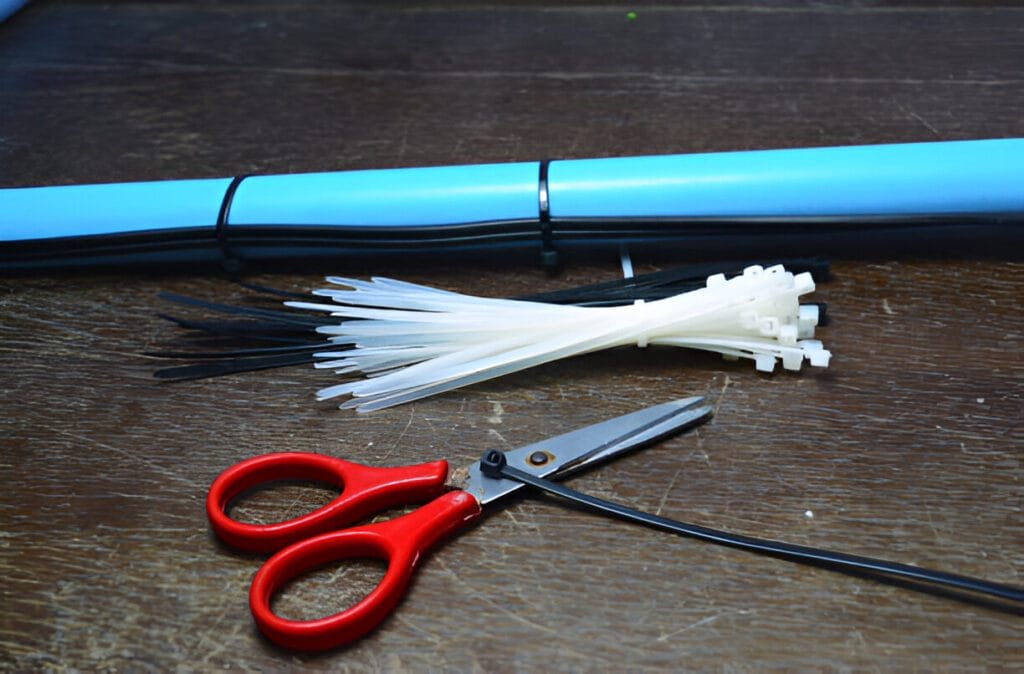
Most people only associate nylon cable ties with industrial wiring jobs. But these affordable, tough, flexible little accessories act as an all-in-one DIY helper for everyday home life. Simple to operate and sturdy enough for dozens of tasks, cable ties resolve common storage, repair, wiring and daily living headaches around the house. If you’re looking […]
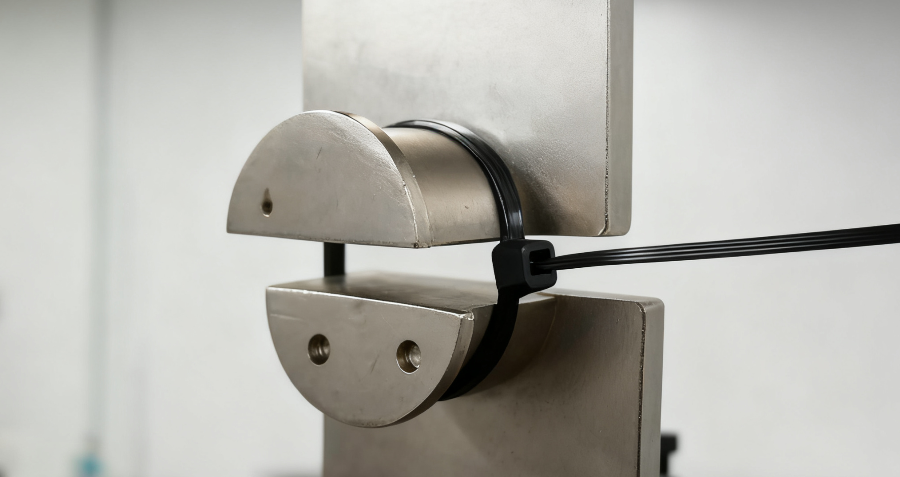
1. What is Zip Tie Strength Zip tie strength refers to the maximum load a zip tie can withstand before breaking. This metric is critical to ensure cables, pipes, or equipment are held securely without loosening. The most commonly used self-locking zip tie has its strength mainly determined by material type, strap width, and the […]
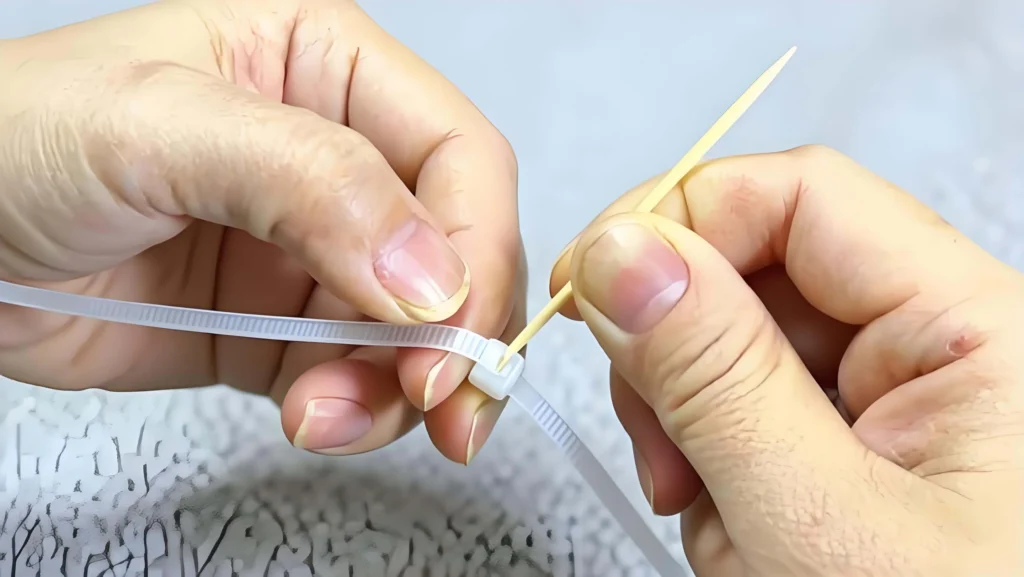
Understanding the Zip Tie Locking Mechanism How Do Standard Zip Ties Work? Standard zip ties, also known as cable ties, operate on a simple yet highly effective one-way ratcheting mechanism. The design consists of a flexible nylon strap with integrated gear racks (teeth) and a head containing a tiny, flexible locking prong (the ratchet). When […]
We use cookies to enhance your browsing experience, serve personalised ads or content, and analyse our traffic. By clicking "Accept All", you consent to our use of cookies.
Looking For High Quality Nylon Cable Ties At A Great Price?
Order now to experience cost-effective cable tie products that provide convenience and protection for your work and life.


 EN
EN  AR
AR  ES
ES  PT
PT  FR
FR  RU
RU  DE
DE  KO
KO  JA
JA  IT
IT