
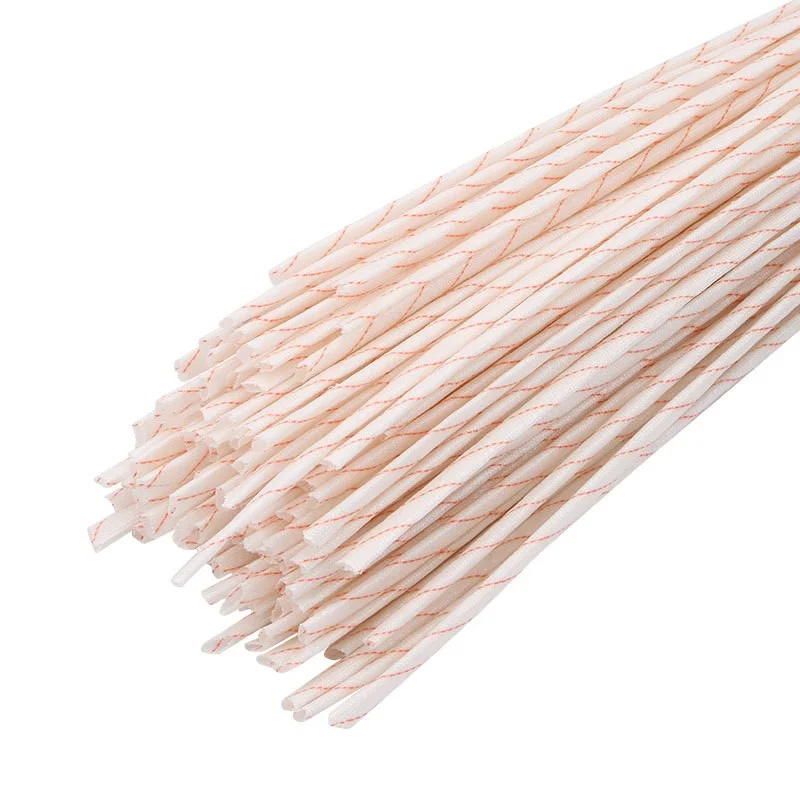
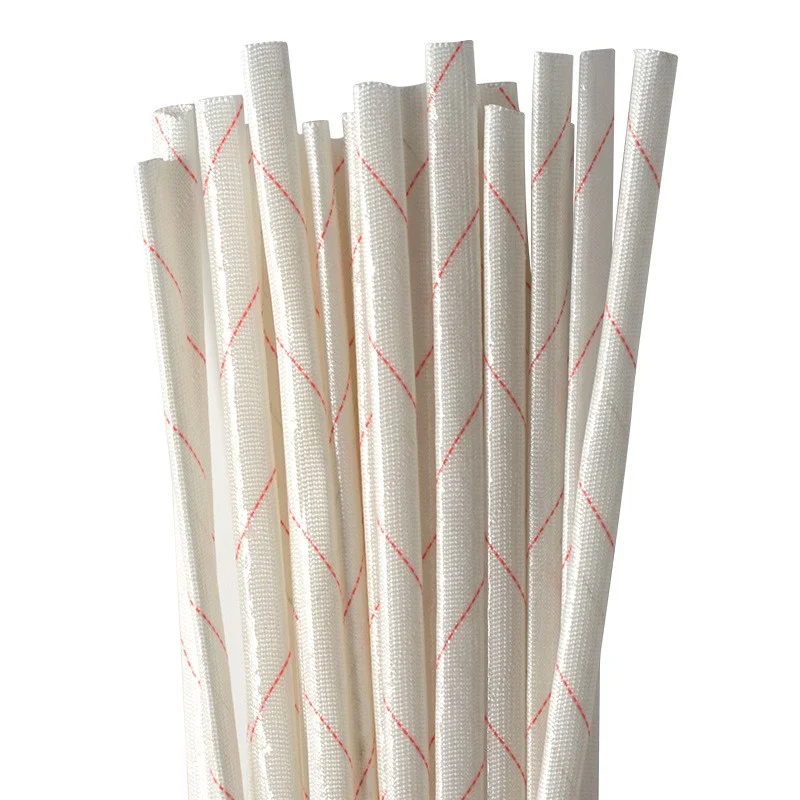
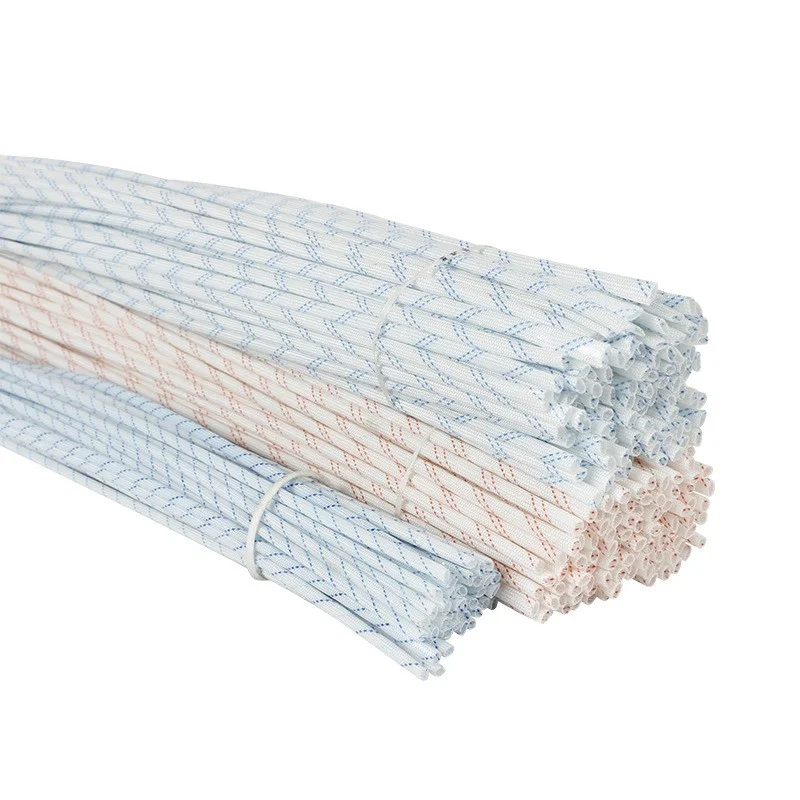


What is a Fiberglass Sleeve?
Definition and Composition
A fiberglass sleeve is a high-performance protective conduit crafted from closely woven, high-purity glass fibers. At its core, this specialized fiberglass sleeving relies on premium E-glass or S-glass filaments, which are braided or knitted together to form a highly durable, flexible tube. To enhance its natural properties, manufacturers often treat the raw fiberglass braided sleeve with specialized coatings—such as silicone rubber, acrylic, or polyurethane. This composition results in a robust fiberglass insulation sleeve designed to safeguard vital components in the most demanding industrial environments.
How Fiberglass Sleeving Works
Our fiberglass braided sleeves function as a heavy-duty thermal and physical barrier. When slipped over wires, cables, or hoses, the dense matrix of the glass fibers traps air pockets, significantly slowing down heat transfer to provide elite fiberglass tube insulation.
- Heat Reflection and Dissipation: The outer surface deflects radiant heat, keeping interior wiring cool.
- Dielectric Strength: The dense weave of our fiberglass electrical sleeving prevents electrical current leakage, keeping high-voltage lines safely isolated.
- Environmental Shielding: When coated, the sleeve prevents moisture, corrosive chemicals, and abrasive friction from degrading the underlying hoses or cables.
Key Benefits and Advantages of Fiberglass Sleeves
Choosing a high-quality fiberglass sleeve ensures your critical wiring and hoses survive harsh operating environments. Here is why industrial professionals rely on this protective solution.
High-Temperature Thermal Protection
A premium fiberglass sleeve acts as an elite thermal barrier, defending critical lines against direct flame, molten splash, and extreme radiant heat.
- Continuous Heat Resistance: Typically handles operating temperatures up to 550°C (1022°F).
- Thermal Insulation: Prevents heat loss in piping and protects nearby sensitive electronics from heat damage.
- Note: Just like analyzing heat-resistant materials and their melting points for cable management, selecting the right thermal grade for your sleeving prevents catastrophic system failures.
Excellent Electrical Insulation
Using fiberglass electrical sleeving is a standard industry practice to prevent short circuits and dielectric breakdowns in high-voltage setups.
| Insulation Feature | Performance Standard |
|---|---|
| Dielectric Strength | High voltage protection (often up to 10kV depending on coating) |
| Flexibility | Maintains structural integrity without cracking when bent |
| Safety Compliance | Prevents electrical fires in high-density wire harnesses |
Chemical and Abrasion Resistance
A heavy-duty fiberglass braided sleeve does more than just fight heat; it acts as a tough physical shield against environmental hazards:
- Chemical Shielding: Resists fuel, lubricating oils, solvents, and mild acids.
- Abrasion Defense: Prevents premature wear and tear caused by friction, vibration, and sharp mechanical edges.
- Moisture and UV Proof: Does not rot or degrade when exposed to outdoor weathering or moisture.
Common Types of Fiberglass Sleeves
Selecting the right fiberglass sleeve depends heavily on how it is constructed. Different manufacturing methods and finishes dictate the level of flexibility, heat resistance, and protection the sleeve provides.
Braided Fiberglass Sleeves
A braided fiberglass sleeve is the most common choice for standard industrial applications. This construction style interlaces high-quality glass fibers into a tight, tubular structure.
- High Structural Integrity: The interlocking braid pattern prevents the sleeve from easily unraveling under mechanical stress.
- Excellent Coverage: Offers a uniform barrier that excels as a fiberglass insulation sleeve for wiring and components.
- Tough Defense: Highly resistant to abrasion, making braided fiberglass sleeves ideal for tight routing spaces.
Knitted Fiberglass Sleeves
Knitted sleeves are produced using a looping stitch pattern. This specific manufacturing method yields a highly elastic structure that behaves differently than traditional braided variants.
- Superior Stretch: Easily expands over large fittings, connectors, and irregular joins.
- Thicker Thermal Barrier: The knitted loop design naturally traps more air, providing enhanced thermal insulation for high-heat industrial pipes.
- Maximum Flexibility: Conforms smoothly to tight bends without kinking or pinching.
Expandable and Coated Fiberglass Sleeves
For demanding environments where bare glass fibers are not enough, coated and expandable options offer the ultimate protection. Manufacturers coat raw fiberglass sleeving with specialized polymers—such as silicone, acrylic, or polyurethane—to seal the fibers and add mechanical strength.
- Silicone Coated: Offers elite liquid splash protection, sheds molten slag, and seals out moisture.
- Acrylic and Polyurethane Coated: Keeps the profile slim, improves dielectric strength, and completely eliminates fraying during cutting.
- System Integration: While some high-temperature setups pair these with specialized heat shrink sleeves for cables to seal the joint ends, coated fiberglass sleeves remain the primary thermal barrier for the run.
Key Technical Specifications to Consider
When choosing the right fiberglass sleeving for your project, you cannot rely on guesswork. Matching the physical and thermal properties of the sleeve to your specific environment prevents premature failure and keeps your systems running safely.
Here is a quick overview of the vital technical specifications we prioritize to ensure peak performance:
| Specification | Key Metric | Why It Matters |
|---|---|---|
| Continuous Temp | -60°C to +650°C (varies by grade) | Determines long-term heat exposure limits. |
| Dielectric Strength | 1.0 kV to 10.0 kV | Defines the electrical insulation capabilities. |
| Wall Thickness | 0.2 mm to 1.5 mm | Impacts both thermal resistance and space constraints. |
| Expansion Ratio | 1:1 (standard) to 1:3 (expandable) | Determines how easily the sleeve slips over connectors. |
Temperature Limits and Heat Tolerance
The core strength of any fiberglass insulation sleeve is its ability to withstand extreme temperatures without melting or becoming brittle. Standard uncoated fiberglass braided sleeves handle continuous operating temperatures up to 550°C (1022°F), while specialized silicone or acrylic-coated versions typically top out around 200°C to 260°C but offer superior moisture and dielectric protection. Always check both the continuous limit and the short-term peak tolerance for your application.
Diameter and Wall Thickness
Getting the right fit is crucial for both protection and thermal efficiency.
Inside Diameter (ID): The sleeve must slide easily over your wires or hoses. For complex layouts, integrating the sleeving with automotive wiring harness components helps manage bulky connectors and keeps cables securely bundled.
Wall Thickness: A thicker wall offers superior physical abrasion resistance and better thermal insulation. However, it also reduces flexibility and adds bulk to tight installations.
Flexibility and Expansion Ratios
Your layout dictates the level of flexibility you need. Standard braided fiberglass sleeving offers moderate flexibility but has a fixed diameter. If you need to cover irregular shapes, bulky joints, or multiple cables at once, choose highly expandable knitted or braided fiberglass sleeves that stretch to fit over fittings and then contract for a snug, secure profile.
Industrial Applications and Common Uses
Fiberglass sleeves are the unsung heroes of heavy-duty thermal and electrical protection. Industries around the globe rely on these durable coverings to keep critical systems running safely and efficiently under extreme conditions. Here is a look at where a high-quality fiberglass sleeve is most commonly deployed.
Automotive and Aerospace Wire Harnesses
In the automotive and aerospace sectors, engine bays and propulsion systems generate intense, concentrated heat. A fiberglass braided sleeve is essential for wrapping delicate wiring harnesses, fuel lines, and brake cables.
Under-Hood Protection: Deflects radiant heat from exhaust manifolds and turbochargers.
Aerospace Reliability: Provides lightweight, flame-retardant fiberglass electrical sleeving to protect flight control wiring.
Organization: Keeps complex wire bundles neatly routed and shielded from physical wear.
(Note: While managing complex wire setups, you might also use basic organizing tools; however, unlike plastic ties, these specialized sleeves won’t melt under intense heat. For standard routing in cooler zones, knowing how to remove cable ties safely and efficiently keeps your maintenance work damage-free.)
Industrial Piping and Hose Protection
Hydraulic hoses, steam pipes, and fuel lines in industrial plants operate under high pressure and extreme temperatures. Utilizing fiberglass tube insulation as a protective barrier prevents catastrophic failures and safeguards workers.
Molten Splash Protection: Heavily coated fiberglass sleeves shield hoses from molten metal splashes in foundries and steel mills.
Abrasion Resistance: Prevents hoses from rubbing against rough machinery surfaces, which reduces the risk of leaks.
Thermal Barrier: Keeps hot pipes insulated, reducing energy loss and preventing accidental burns.
Electrical Appliance and Equipment Insulation
For everyday consumer electronics and heavy industrial machinery, safety starts with reliable insulation. Braided fiberglass sleeving is widely integrated into electrical appliances to prevent short circuits and electrical fires.
High-Heat Appliances: Used inside ovens, coffee makers, toasters, and dryers where standard plastic insulation would quickly melt.
Motor and Transformer Coil Insulation: Heavy-duty fiberglass insulation sleeve options protect internal motor leads and transformer windings from high voltage and operating heat.
Generator Protection: Ensures continuous power generation by insulating critical connections against thermal degradation.
How to Choose the Right Fiberglass Sleeve
Selecting the perfect fiberglass sleeve for your application doesn’t have to be complicated. By focusing on temperature, fit, and coating, you can quickly identify the exact fiberglass sleeving you need to protect your wires, hoses, or cables.
Assessing Your Temperature Requirements
Always match the sleeve to your environment’s operating temperature. Standard fiberglass braided sleeves handle high temperatures, but adding specialized coatings pushes those limits even higher.
- Continuous Exposure: Define the constant temperature your fiberglass insulation sleeve will face daily.
- Peak/Intermittent Exposure: Identify brief temperature spikes (e.g., from nearby exhaust pipes or industrial furnaces) to prevent melting or degradation.
Measuring for the Correct Fit
Getting the right size ensures proper insulation and easy installation.
- Measure Outer Diameter (OD): Measure the widest point of the wire bundle or hose you are protecting.
- Account for Bends: If your run has tight turns, choose a highly flexible braided fiberglass sleeve with a slightly larger inner diameter (ID).
- Expansion Allowance: Remember that expandable sleeves will shrink in length as they expand in width.
Selecting the Right Coating and Material Grade
The raw glass fiber is just the starting point. The right coating dictates how your fiberglass braided sleeve tube performs under physical stress, moisture, and electrical currents.
| Coating Type | Temperature Limit | Key Strengths | Best For |
|---|---|---|---|
| Uncoated / Heat-Treated | Up to 650°C | High heat resistance, economical | Basic thermal insulation, static applications |
| Silicone Rubber | Up to 260°C | Moisture, abrasion, and flame resistance | Automotive wire harnesses, heavy industrial |
| Acrylic / Polyurethane | Up to 155°C | High dielectric strength, non-fraying | Electrical appliance and motor lead insulation |
Frequently Asked Questions
What is the maximum temperature a fiberglass sleeve can withstand?
An untreated, industrial-grade fiberglass sleeve can easily withstand continuous operating temperatures up to 1200°F (648°C). However, if the sleeve has a specialty coating, the limit changes:
- Silicone rubber coated sleeves: Typically rated up to 500°F (260°C) continuous.
- Acrylic coated sleeves: Generally rated up to 302°F (150°C).
- Polyurethane coated sleeves: Rated for standard electrical uses up to 266°F (130°C).
How do you cut fiberglass sleeving without fraying?
Because a fiberglass braided sleeve consists of tightly woven glass yarns, cutting it raw can cause the ends to unravel. To get a clean cut, use these professional techniques:
- The Tape Method: Wrap a tight layer of electrical tape around the cutting point, cut directly through the middle of the tape, and leave the tape on or shrink a piece of tubing over the cut edge.
- Heavy-Duty Shears: Use ultra-sharp sewing shears or ceramic scissors to minimize pulling the fibers.
- Hot Knife: For coated fiberglass sleeving variants, a hot knife cuts and seals the coating at the same time.
Is fiberglass sleeving safe for electrical applications?
Yes, fiberglass electrical sleeving is incredibly safe and widely used to insulate high-temperature wiring. Uncoated glass provides basic thermal insulation, but coated versions offer the high dielectric strength needed to prevent electrical shorts and shock hazards.
If you are dealing with high-voltage setups, a specialized fiberglass braided sleeve tube is essential to protect your wires. However, if you only need basic mechanical bundling and routing without extreme heat protection, look into our guide on spiral wrap for cables as a versatile alternative.
 EN
EN  AR
AR  ES
ES  PT
PT  FR
FR  RU
RU  DE
DE  KO
KO  JA
JA  IT
IT  NL
NL  TR
TR