Are you struggling with damaged hoses, messy wire bundles, or constant equipment wear and tear? Knowing exactly how should a spiral wrap be applied can mean the difference between a clean, long-lasting setup and expensive downtime.
Whether you need rugged abrasion protection, seamless bundle organization, or flexible cable protection for industrial, electrical, or medical applications, spiral wrap is the ultimate solution. But to get maximum durability and reusability, proper technique is key.
In this step-by-step guide, you’ll learn how to choose the right material (Polyethylene, Nylon, or PTFE), accurately measure your bundle, and master tension, pitch, and breakouts from start to finish.
Let’s dive right in!
What Is Spiral Wrap and How Does It Work?
Definition and Core Purpose
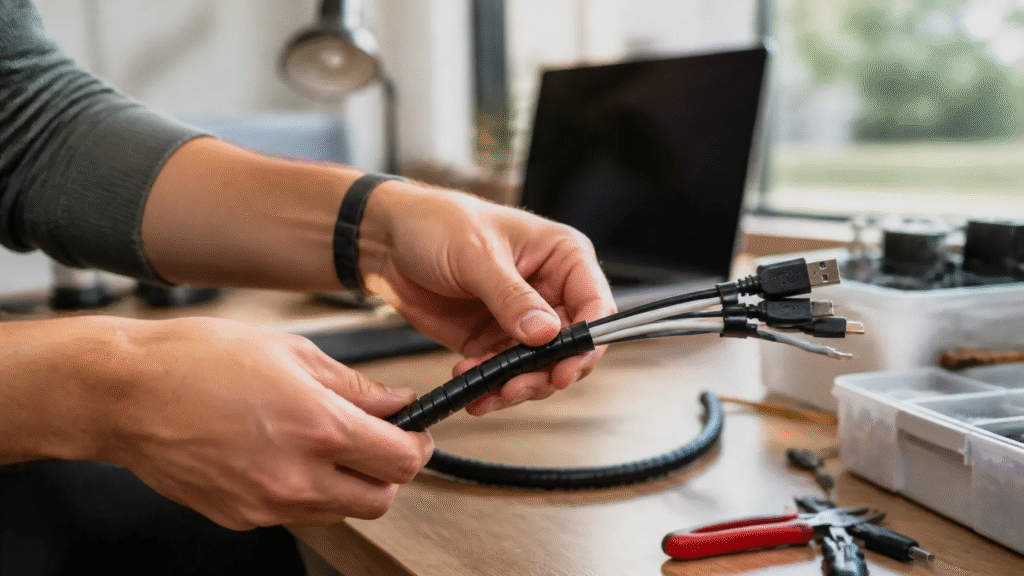
Spiral wrap—also known as spiral cable wrap or spiral wrap tubing—is a flexible, helically cut plastic sheath designed to bundle, route, and safeguard cables, wires, and hoses. At WANDU, we manufacture high-grade protective sleeving engineered to expand seamlessly over varying bundle diameters while maintaining continuous grip and structural integrity.
The primary purpose of spiral wrapping is to convert chaotic cable assemblies and spiral wiring into clean, organized, and manageable harnesses while delivering long-lasting mechanical protection across industrial, automotive, and commercial applications.
How Spiral Wrap Protects Cables and Hoses
Spiral wrap for cables acts as an expandable outer shield against severe operational wear. Its unique continuous spiral cut wraps tightly around wire bundles without restricting bend radius or mobility.
Abrasion and Impact Resistance: Absorbs friction, external impacts, and rubbing against sharp enclosure edges or machine parts.
Flexible Routing & Breakouts: Allows individual wires to route out at any point along the harness for custom branching.
Environmental Isolation: Shields sensitive conductors and hydraulic hoses from dust, grit, oil, chemicals, and UV exposure.
Strain Relief: Distributes mechanical tension evenly along the spiral wire wrap, preventing kink damage and conductor fatigue.
Key Benefits of Using Spiral Wrap At WANDU, we consistently recommend spiral wrap for demanding industrial and commercial wire management projects. It offers a balanced combination of rugged protection, total bundle flexibility, and long-term cost efficiency.
Abrasion and Environmental Protection
Cables routed through heavy machinery, vehicles, or industrial racks face constant physical wear. Applying spiral wrap for cables creates a sacrificial outer shield that absorbs friction, prevents wire insulation from fraying on sharp chassis edges, and protects underlying lines from fluid splashes, dust, and UV exposure.
Flexibility and Bundle Organization
Unlike rigid tubing or fixed conduit, spiral wire wrap bends freely in any direction without pinching or kinked lines. It transforms messy loose leads into clean, structured harnesses. Furthermore, the spiral wrapping design allows individual wires to break out at any point along the run to connect to terminal blocks or components.
Reusability and Easy Maintenance
Spiral cable wrap is completely non-destructive and requires no cutting tools to install or remove. When you need to troubleshoot, add a circuit, or replace a damaged line, simply uncoil the section, service the wire, and wrap it back in place. Pairing this setup alongside reusable zip ties minimizes plastic waste and keeps long-term maintenance costs low.
Key Benefit
Core Protection / Function
Common Use Cases
Abrasion Resistance
Prevents friction, cuts, and insulation wear
Engine bays, CNC machinery, robotics
Custom Cable Breakouts
Permits single wires to exit anywhere along the harness
Control panels, multi-sensor systems
Full Reusability
Wraps and unwraps without damaging material
R&D prototypes, temporary event wiring
High Flexibility
Maintains complete bundle bend radius
Dynamic machine arms, height-adjustable desks
2>Types of Spiral Wrap Materials
Choosing the right spiral wrap material is the critical first step toward long-term cable protection. We manufacture wraps engineered to handle specific environmental demands, thermal limits, and physical wear.
Polyethylene (PE)
Polyethylene is the most common, cost-effective option for everyday harness management. It provides great flexibility and solid defense against basic wear and tear.
Best For: Standard office setups, control panels, and light industrial wiring.
Key Features: Highly flexible, lightweight, and moisture-resistant.
Varieties: Available in standard clear, UV-resistant black spiral wrap, and colored spiral wrap options for quick line identification.
Nylon
Nylon steps up performance with enhanced abrasion resistance and thermal stability. It holds up under tough conditions where constant rubbing or elevated heat would wear down standard materials, making it an ideal choice when selecting durable spiral wrap for cables.
Best For: Automotive engine bays, heavy machinery, and high-vibration equipment.
Key Features: Self-extinguishing properties (UL 94V-2 rating), higher tensile strength, and superior wear life.
Durability: Resists abrasion and maintains structural integrity across wide temperature shifts.
PTFE (Polytetrafluoroethylene)
PTFE is the ultimate high-grade material built for extreme operating conditions where standard plastics fail. Explore our complete line of heavy-duty spiral wrap options designed for high-stress applications.
Best For: Aerospace, medical devices, military gear, and high-heat industrial processing.
Key Features: Extreme temperature range (up to 260°C / 500°F), ultra-low friction, and complete chemical inertness.
Protection: Completely immune to harsh solvents, fuel, hydraulic fluids, and extreme heat exposure.
How to Measure and Select the Right Size
Getting the right spiral wrap sizes is crucial before determining how should a spiral wrap be applied. Choosing the right dimensions ensures maximum protection without choking the lines or sliding out of place.
Measuring Bundle Outer Diameter
To get an accurate measurement, group all your wires or hoses tightly together:
Gather the bundle: Hold the cables firmly in their final layout.
Measure OD: Use a vernier caliper or tape measure to find the outer diameter (OD) of the bundle.
Match wrap ID: Select a spiral cable wrap with an inside diameter slightly smaller than your bundle’s OD. A tight fit prevents the wrap from shifting during operation.
Calculating Required Wrap Length
Because you apply material diagonally, you will need more wrap length than the physical length of the cable run:
Standard Coverage (Loose Pitch): Multiply the bundle length by 1.5.
High-Protection Coverage (Tight Pitch): Multiply the bundle length by 2.0 to 2.5 to create full, continuous coverage.
Selecting Pitch and Wall Thickness
Pitch (the space between spiral turns) and wall thickness determine flexibility and physical protection:
Thin Wall & Wide Pitch: Delivers higher flexibility and fast installation—ideal for light spiral wrap for cables in office or control panel setups.
Thick Wall & Narrow Pitch: Provides high abrasion protection for heavy machinery and hydraulic lines.
When managing larger harness builds, pairing your spiral wrap for wires with reliable anchor points like nylon cable ties to optimize wiring harnesses keeps the entire system clean and fully supported.
Step-by-Step Guide: How to Apply Spiral Wrap
Applying spiral wrap correctly ensures maximum protection for your wiring assemblies and extends hose service life. Whether you are bundling standard electrical lines or heavy-duty hydraulic hoses, following a structured installation process guarantees neatness, flexibility, and long-term durability.
Step 1: Preparation and Material Inspection
Before starting, proper preparation prevents unnecessary rework and damage to your lines.
Inspect the Bundle: Align all cables or wires neatly to eliminate crossovers, twists, or sharp bends.
Clean the Wires/Hoses: Wipe down surfaces to remove oil, grease, or debris that could trap moisture under the wrap.
Check Material: Inspect your spiral wrap tubing for cracks or defects before installation.
Gather Tools: Keep cutting shears, cable ties, and a specialized spiral wrap installation tool nearby if working on longer production runs.
Step 2: Anchoring the Starting End
A secure starting point prevents the sleeve from slipping or unspooling during movement.
Position the Lead: Begin wrapping approximately 1 to 2 inches past the main connector or bundle point.
Lock the First Loop: Wrap the first turn tightly around the bundle, overlapping the starting tail slightly to anchor it.
Add Fastening Support: For heavy-duty hydraulic lines or high-vibration equipment, lock the initial end in place with metal zip ties to maintain a firm grip under extreme operational stresses.
Step 3: Applying Spiral Turns with Consistent Tension
Maintaining steady tension and proper pitch while winding is key to an effective cable spiral wrap application.
Maintain Uniform Pitch: Rotate the wrap continuously around the bundle, keeping pitch gaps consistent (typically equal to the width of the wrap material).
Control Tension: Pull the spiral cable wrap snug against the wire bundle without crushing sensitive jacket insulation.
Utilize Installation Tools: On long runs, feed the tubing through a manual spiral wrap tool to glide down the length of the bundle rapidly and save manual effort.
Step 4: Securing the Terminating End
Finishing the wrap properly ensures the entire assembly remains intact across continuous flex cycles.
Trim the Excess: Cut the spiral wrap for cables cleanly using sharp shears, avoiding jagged edges that could snag.
Lock the Terminal Turn: Wrap the final loop firmly, tucking the end notch back into the preceding turn or securing it with a tie.
Flex Test: Bend the completed bundle along its full path to verify smooth motion, uniform coverage, and freedom from wire pinch points.
Best Practices for Proper Application
Applying spiral wrap correctly ensures long-lasting protection and keeps cable management clean. We follow several core rules during spiral wrapping to achieve maximum durability and flexibility.
Maintaining Proper Tension and Pitch
To get the best results when installing a spiral cable wrap, balance tension and spacing (pitch):
Consistent Spacing: Keep a uniform distance between turns. A tighter pitch provides higher abrasion resistance, while a wider pitch offers maximum flexibility.
Snug Tension: Apply enough firm pull so the cord spiral wrap grips the bundle without sliding, but avoid stretching the material out of shape.
Smooth Wrapping: Rotate the wrap fluidly around the bundle to maintain even wall coverage across the entire run.
Managing Cable Breakouts and Junctions
One major advantage of spiral wrap for wires is how easily you can exit individual cables anywhere along the run:
Route Directly: Feed breakout cables out through the natural gap between spiral turns.
Relieve Strain: Leave a small loop at the exit point so the breakout wire isn’t under direct tension.
Anchor Junctions: Secure main breakout points so wires don’t slide back into the wrap. You can reinforce critical breakout points using high-quality https://wanducn.com/nylon-cable-ties-high-quality-durable-and-versatile-lashing-solutions/](https://wanducn.com/nylon-cable-ties-high-quality-durable-and-versatile-lashing-solutions/)”>nylon cable ties to hold the bundle firm under heavy vibration.
Avoiding Over-Tightening and Wear
Improper sizing or excessive stretching compromises performance and leads to early wear:
Do Not Over-Stretch: Stretching spiral wrap tubing excessively thins the walls, drastically reducing abrasion resistance.
Avoid Pinching: Wrapping too tightly can pinch delicate conductors or restrict pressure in pneumatic hoses.
Match Wrap Sizes: Always choose appropriate spiral wrap sizes that fit your bundle’s outer diameter naturally without excessive force.
Common Applications of Spiral Wrap
We see spiral wrap utilized across dozens of industries due to its exceptional adaptability and reliable defense against mechanical wear. Whether you are managing delicate electronics or rugged industrial machinery, this simple solution solves complex routing and protection challenges.
Electrical Wiring and Cable Bundles
In electrical engineering and panel building, spiral cable wrap is essential for bundling loose conductors into clean, manageable harnesses. It keeps flexible assemblies protected while allowing individual wires to break out at exact junction points.
Industrial Control Cabinets: Keeps intricate spiral wiring organized, making troubleshooting and routine maintenance fast and hassle-free.
Automotive & Marine Harnesses: Shields spiral wire wrap assemblies against ongoing engine vibration, oil exposure, and panel chafing.
Office & Tech Setup: Tames unsightly cord chaos behind workstations using cord spiral wrap for a neat, professional finish.
When building complex electrical looms, combining wraps with the right fasteners is critical; understanding the differences between nylon 6 and nylon 66 cable ties helps ensure your secondary support mounts stand up to temperature and environmental stress.
Hydraulic and Pneumatic Hose Guards
In heavy construction and automated manufacturing, fluid lines undergo constant movement under high pressures. Heavy-duty cable wrap spiral products serve as a tough impact barrier against external abrasion.
Heavy Machinery: Protects hydraulic lines on excavators, tractors, and boom lifts from dragging across abrasive concrete, dirt, and sharp metal edges.
Factory Automation: Guards pneumatic air hoses against continuous rubbing, preventing micro-punctures and costly pressure leaks.
Medical Bandaging and Compression Wrapping
The physical technique of spiral wrapping is also vital in medical first aid and therapeutic care:
Limb Compression: Applying elastic bandages using a continuous spiral method delivers uniform pressure across arms and legs to reduce swelling and support sprains.
Dressing Retention: Conforms smoothly to cylindrical body parts to secure primary wound dressings without restricting circulation or joint movement.
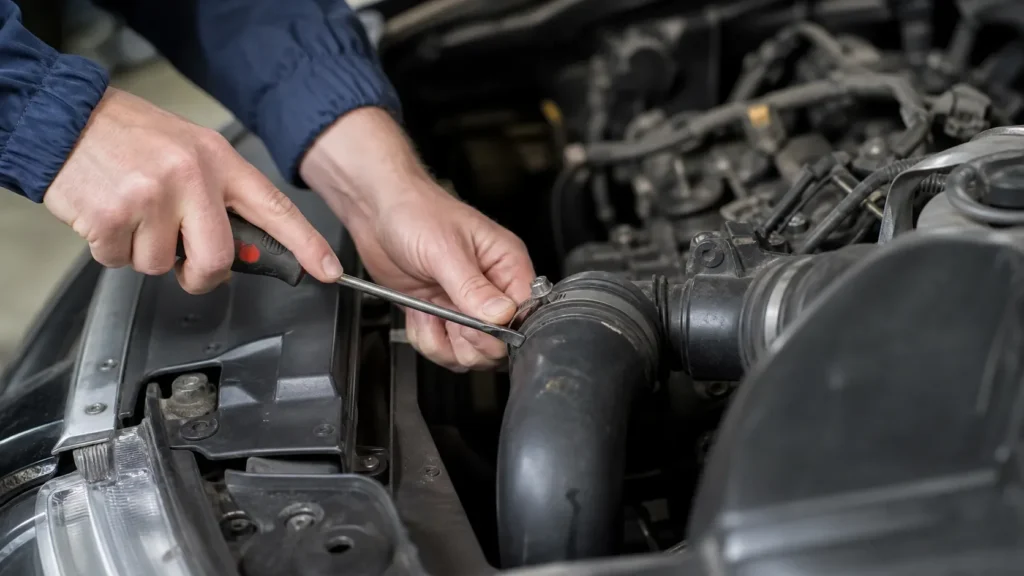
Understanding Metal Hose Clamps What Is a Metal Hose Clamp? A metal hose clamp is a circular mechanical fastener engineered to secure a flexible hose onto a rigid fitting, nipple, or pipe. By applying uniform circumferential compression, it establishes a dependable, leak-proof seal that prevents liquid, air, or gas leakage under pressure. Typically manufactured from […]
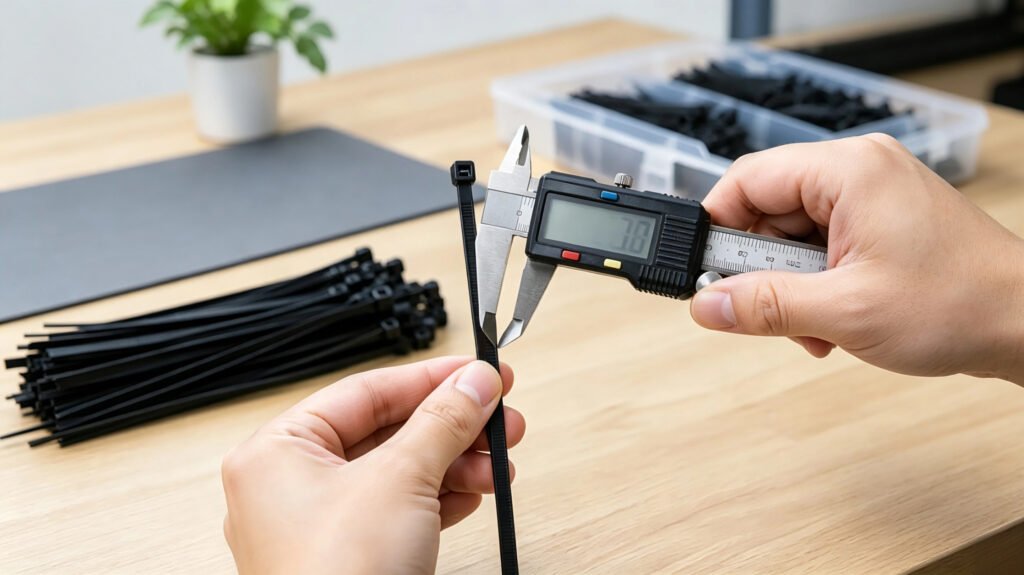
Standard Zip Tie Thickness and Dimensions Zip tie thickness is a critical dimensional spec that determines the structural integrity, flexibility, and loop tensile strength of a fastener. Across standard manufacturing profiles, the cross-sectional thickness of a zip tie is engineered in direct proportion to its width and intended mechanical load, ensuring optimal performance under various […]
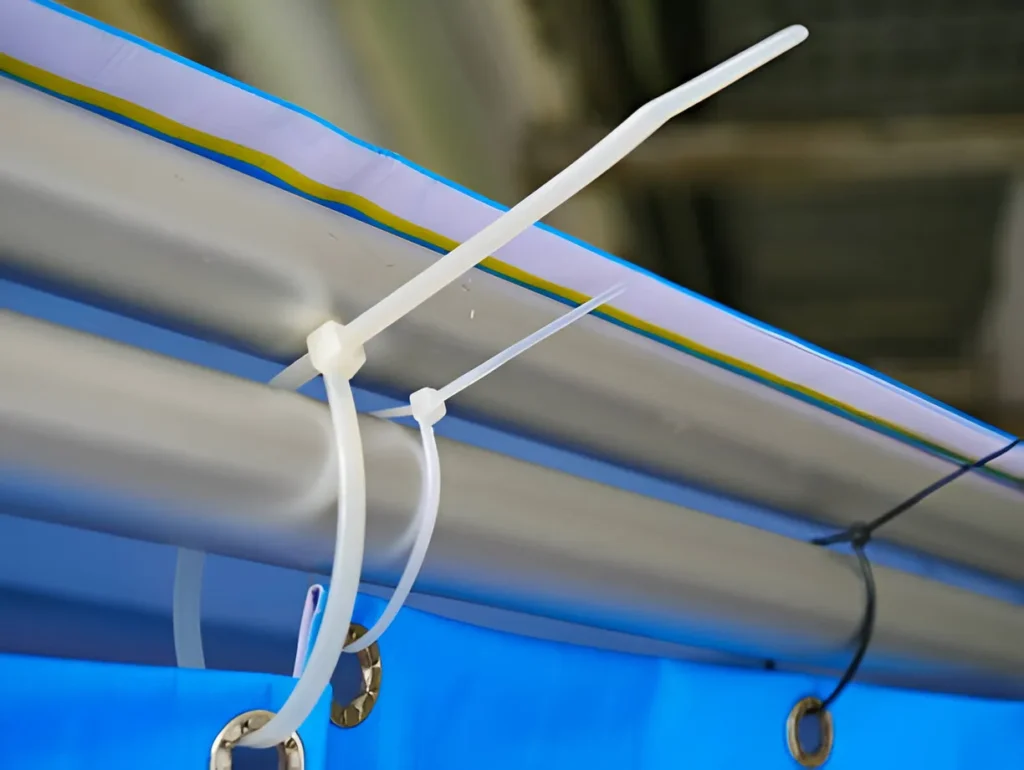
High quality zip ties are a type of tying tool widely used in various industries. Whether it is cable management for household appliances, fixing of industrial equipment, or material tying in construction projects, nylon cable ties are favored for their excellent durability and versatility. This article will introduce the characteristics, specifications, application scenarios and purchase […]
We use cookies to enhance your browsing experience, serve personalised ads or content, and analyse our traffic. By clicking "Accept All", you consent to our use of cookies.
Looking For High Quality Nylon Cable Ties At A Great Price?
Order now to experience cost-effective cable tie products that provide convenience and protection for your work and life.

 EN
EN  AR
AR  ES
ES  PT
PT  FR
FR  RU
RU  DE
DE  KO
KO  JA
JA  IT
IT