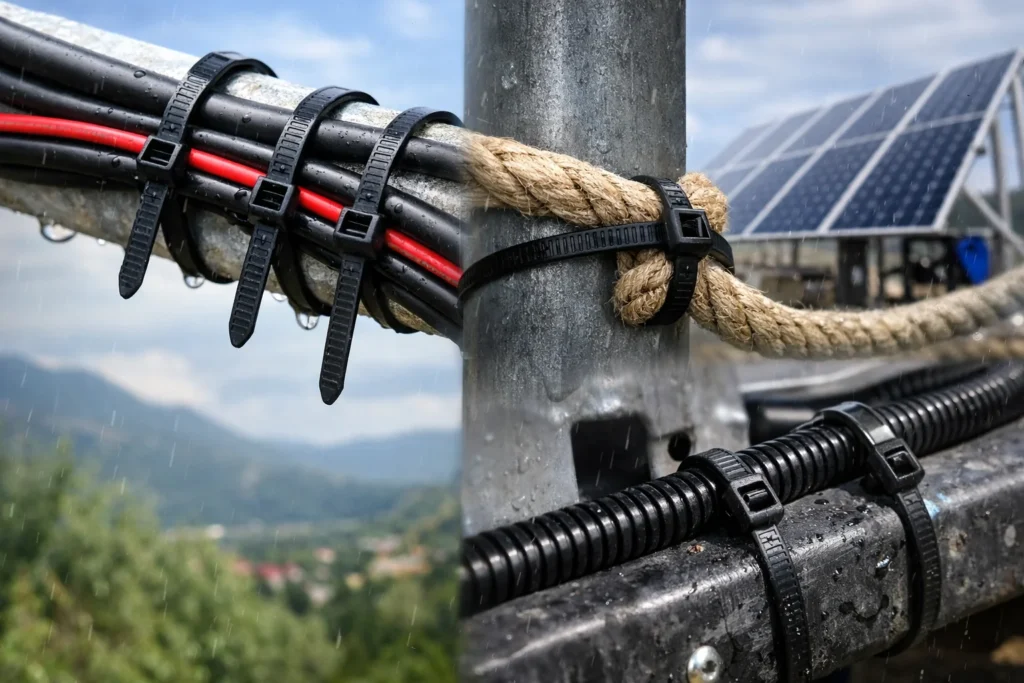
When installing cables, fixing pipelines, mounting signage, routing photovoltaic systems, or assembling security equipment outdoors, choosing the right outdoor zip ties is critical. Ultraviolet exposure, extreme temperature fluctuations, rain and snow erosion, humidity, chemical corrosion, and continuous mechanical stress can all significantly affect the durability of cable tie outdoor solutions. Improper selection may cause outdoor rated cable ties to age prematurely, loosen, or break, leading to equipment damage, system failure, safety risks, and high maintenance costs. So how should we make a scientific choice for complex outdoor environments? What differences do materials really make, and which types can truly stand the test of time?
This guide analyzes material characteristics and mainstream outdoor cable tie products currently on the market, providing a clear and practical selection reference to help you choose the most reliable solution for long-term outdoor use.
1. Why Outdoor Zip Ties Require Special Selection
Standard nylon wire ties perform reliably indoors, but long-term outdoor exposure triggers photo-oxidation under ultraviolet (UV) radiation. This causes polymer chain degradation, resulting in embrittlement, strength loss, and eventual failure. Typical harsh outdoor conditions include:
Direct sunlight (UV exposure)
Day–night temperature variation
Rain and moisture penetration
Wind abrasion and oxidation aging
Salt spray corrosion in coastal areas
If nylon wire ties are forced into outdoor use, material embrittlement often occurs within months, with most failing in less than six months. Therefore, it is essential to select UV-treated cable ties for outdoor use or directly use metal zip tie products such as 304 or 316 stainless steel for long-term weather resistance.
2. Key Selection Factors for Outdoor Zip Ties
The following four factors should be prioritized:
Material selection → directly affects service life, mechanical strength, and environmental adaptability
UV resistance → the core indicator of outdoor durability
Design life → clarify required lifespan (1 year, 3 years, 5 years, or over 10 years)
Installation cost and efficiency → balance project scale and budget
In general, higher environmental resistance delivers longer service life but increases cost. Selecting products aligned with actual project duration provides the best value.
These outdoor zip ties are based on nylon 6 or nylon 66 with added carbon black and weather-resistant additives, making them the most widely used option for outdoor applications.
Typical outdoor lifespan (varies by formulation):
Economy grade: approximately 1 year
Mid-grade: around 3 years
High weather-resistant grade: up to 5 years
Main advantages:
Easy hand installation
Low cost for large-scale projects
Flexible for light-duty wiring and cable management
Black material enhances UV absorption
Limitations:
Not recommended for projects exceeding 10 years
Lifespan may shorten under extreme heat or intense sunlight
5.2 Coated Stainless Steel Cable Ties
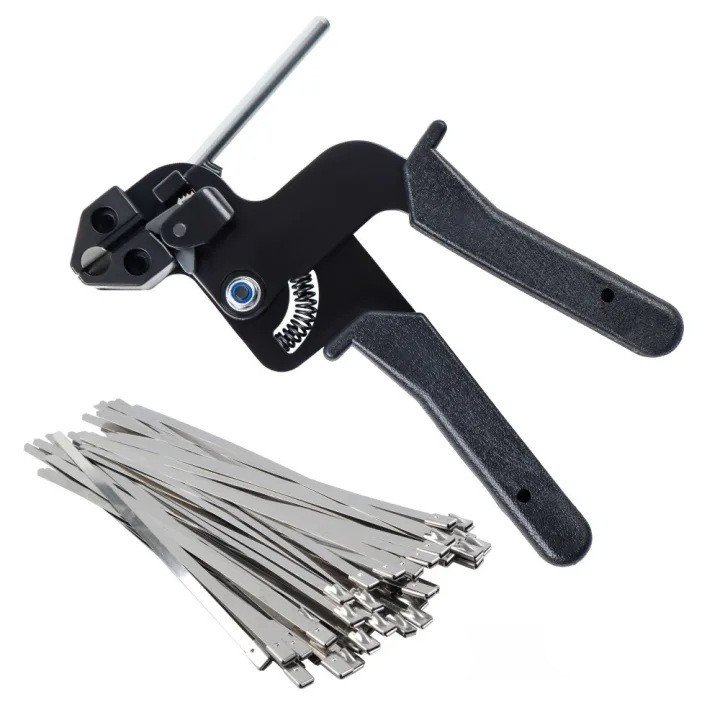
Manufactured from 304 stainless steel with protective coating, these ties combine insulation, abrasion resistance, and excellent corrosion protection. For coastal or chemical environments, 316 stainless steel is recommended.
Main advantages:
Service life exceeding 10 years
High tensile strength for heavy-duty applications
Fire and high-temperature resistance
Unaffected by UV, moisture, or chemicals
Limitations:
Higher cost than nylon ties
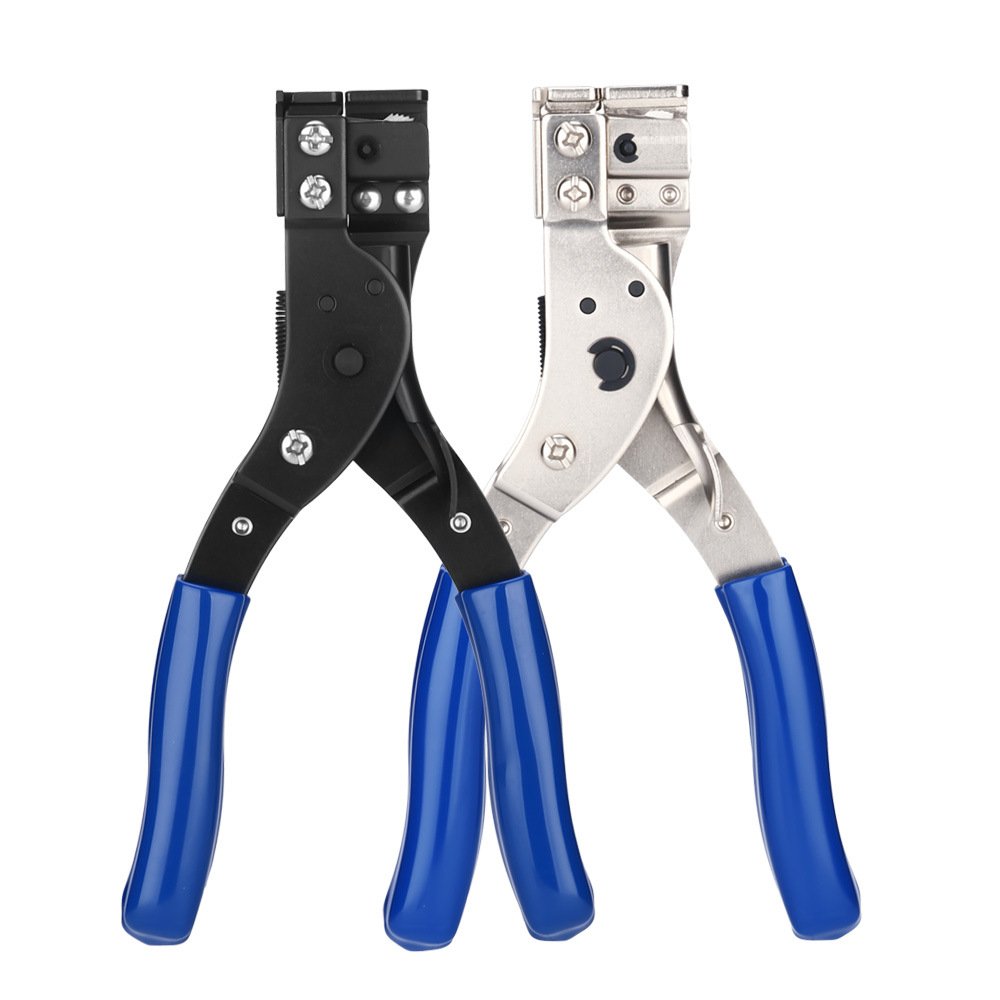
Requires installation tools
6. Quick Selection Guide
For most general outdoor projects, UV-resistant nylon cable ties provide the best balance of cost and performance.
For long-term installations, stainless steel cable ties are recommended due to superior durability and reduced maintenance.
For coastal or chemical environments, 316 stainless steel cable ties should be prioritized.
For large-scale projects with short replacement cycles, economical UV zip ties outdoor help control material costs.
Overall, the longer the project duration and harsher the environment, the more suitable ss cable ties become, offering long-term reliability and lower maintenance frequency.
FAQ
Q1: Can white nylon outdoor cable ties be used outdoors?
A: Not recommended. White nylon wire ties lack UV resistance and become brittle quickly outdoors.
Q2: Are cable ties outdoor use always black?
A: Generally yes. Black ties contain carbon black, providing better UV resistance than white ties.
Q3: How to choose the best zip ties for outdoor use?
A: UV-stabilized nylon ties suit general outdoor conditions, while stainless steel ties are recommended for extreme heat or projects exceeding 10 years.
Q4: What widths are available for heavy duty zip ties for outdoor use?
A: Common widths include 7.6mm, 9mm, 10mm, and 12mm.
What is the function of cable ties?this seemingly simple gadget, are actually an indispensable part of modern life. Whether in a home, office or industrial environment, nylon cable ties play an important role in binding, securing, organizing and managing a variety of items. The practicality and affordability of nylon cable ties make them ideal for […]
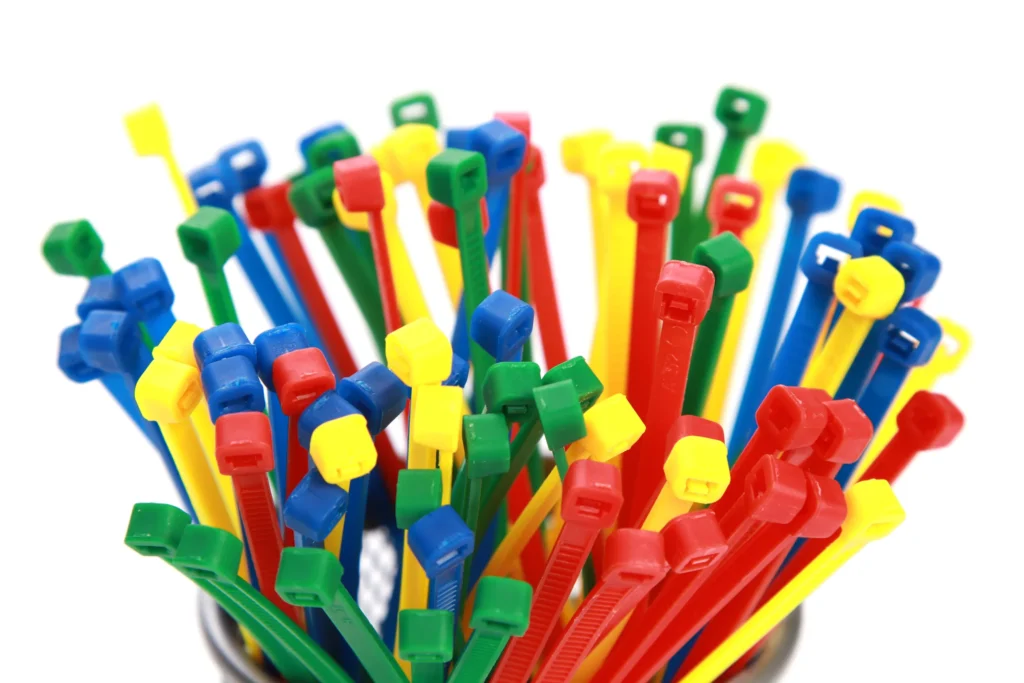
Colored cable ties have transcended their initial bundling purpose in industrial settings, evolving into a systematic visual management tool. They serve as safety warnings, quality tracking aids, and process organization tools. Their standardized color-coding system enhances operational efficiency, reduces errors, ensures safety, and meets industry standards. This article will delve into the comprehensive value of […]
Are you looking for a reliable and long-lasting solution for cable management? Stainless steel cable ties offer superior strength and durability compared to plastic alternatives. In this blog post, we’ll guide you through the process of using and tightening ss cable tie effectively. Discover the best practices and techniques to ensure secure cable bundling in […]
We use cookies to enhance your browsing experience, serve personalised ads or content, and analyse our traffic. By clicking "Accept All", you consent to our use of cookies.
Looking For High Quality Nylon Cable Ties At A Great Price?
Order now to experience cost-effective cable tie products that provide convenience and protection for your work and life.



 EN
EN  AR
AR  ES
ES  PT
PT  FR
FR  RU
RU  DE
DE  KO
KO  JA
JA  IT
IT  NL
NL