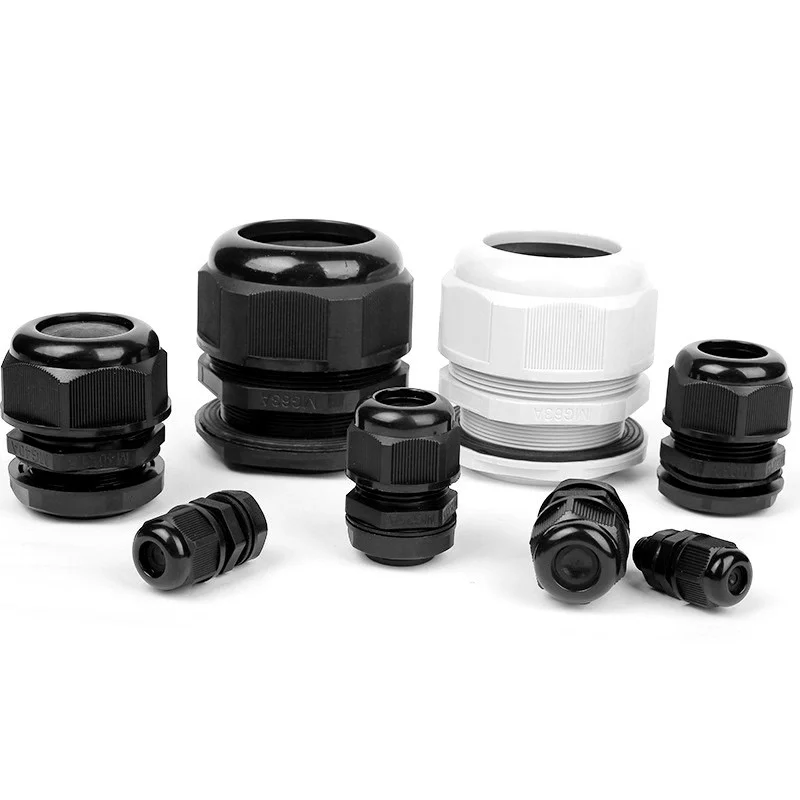
An electrical cable gland is a mechanical cable entry device designed to secure, terminate, and protect electrical cables where they enter an enclosure or equipment housing. Operating as a critical sealing point, a nylon cable gland or plastic cable glands variant works by compressing an internal elastomeric seal around the outer jacket of the cable. This mechanism provides vital strain relief, preventing the cable from being pulled out, twisted, or disconnected from the internal terminals. Furthermore, it seals the entry point against environmental contaminants like dust, moisture, and liquids, maintaining the overall integrity of the electrical system.
Why Selecting the Correct Thread Type Matters
Selecting the appropriate thread type—such as metric cable glands versus traditional pg cable gland styles—is paramount for ensuring a safe, secure, and compliant installation. Mismatched threads compromise the mechanical strength of the connection, strip the threads of the enclosure, and fail to achieve a weather proof cable gland seal.
Using the wrong thread profile leads to:
Loss of Ingress Protection: Moisture ingress can cause short circuits, equipment failure, and costly downtime.
Mechanical Failure: Inadequate thread engagement fails to provide adequate strain relief, risking loose connections.
Safety Hazards: Compromised enclosures pose severe risks of electrical shock or fire.
In the global market, choosing between a metric cable gland and a pg gland ensures seamless compatibility with existing enclosure tapped holes, optimizes installation efficiency, and aligns with international safety standards.
A metric cable gland is a modern electrical fitting designed according to ISO standards to secure and protect electrical cables where they enter equipment enclosures. Unlike older styles, a metric gland uses a standard millimeter-based thread system. The thread profile features a 60-degree angle with a symmetric V-shape, which ensures a tight, high-strength mechanical grip. Common cable gland metric sizes include standard options like the m12 cable gland, m20 cable gland, and m25 cable gland, where the “M” denotes the metric designation followed by the outer thread diameter in millimeters.
Why Metric is the Current Global Standard
Metric threads are the definitive global standard for new electrical installations, machinery manufacturing, and industrial automation. This universal adoption simplifies international engineering procurement and ensures uniform safety compliance across borders. Selecting a metric cable gland guarantees straightforward compatibility with modern junction boxes and control panels without the need for custom taps or reaming. For routing and managing adjacent wiring systems safely, these fittings pair seamlessly with heavy-duty management accessories like <a href=”https://wanducn.com/tag/spiral-wrap-cable/“>spiral wrap cable protection kits to keep internal cabinet wiring pristine and organized.
What is a Plastic PG Cable Gland?
Definition and History of Panzer-Gewinde Threads
A plastic PG cable gland utilizes a specific German thread standard known as Panzer-Gewinde (or steel conduit thread). Developed historically for heavy-duty industrial and electrical conduit installations, the PG thread profile features a shallower thread depth and a unique 80° flank angle.
Because the thread depth is shallow, PG glands require a thinner wall thickness on electrical enclosures compared to other standards. Usually molded from durable polymers like nylon, a nylon cable gland with PG threads offers excellent strain relief and specialized sizing, denoted by numbers like pg 7 cable gland, pg 11 cable gland, and pg 13 cable gland.
Where PG Threads Are Still Used Today
While international manufacturing has largely shifted toward metric standards, the pg gland remains highly relevant in specific sectors. You will frequently encounter them in:
European Legacy Machinery: Maintenance and repair of older European industrial equipment.
Chemical and Medical Plants: Environments requiring specialized plastic chemical resistance where upgrading entire systems to metric is cost-prohibitive.
Replacement Parts: Servicing existing control boxes, junction boxes, and marine electrical installations.
When managing complex installations that require bundling or grouping these cables cleanly alongside your enclosures, using specialized organizing tools can prevent tension on the gland. For instance, implementing high-durability nylon 6 vs nylon 66 accessories ensures that your external wire management matches the environmental durability of your chosen electrical cable gland.
Key Differences Between Plastic PG and Metric Cable Glands
Thread Pitch, Angle, and Dimensions
The core difference between a pg cable gland and a metric cable gland lies in the thread geometry. Metric threads use a 60° thread angle and are measured in millimeters (e.g., m12 cable gland, m20 cable gland, and m25 cable gland), where the number represents the outer diameter. Plastic PG (Panzer-Gewinde) threads feature a shallower 80° thread angle and unique German sizing increments like pg 7 cable gland, pg 11 cable gland, and pg 13 cable gland. Because of these structural variations, they are not directly interchangeable.
Both options offer excellent performance as a weather proof cable gland, but their sealing efficiency depends heavily on the thread fit. Modern metric configurations generally achieve up to IP68 water and dust resistance seamlessly due to tight thread tolerances. While a high-quality nylon cable gland with PG threads also achieves IP68 ratings, it relies more heavily on additional O-rings or thread sealants to maintain its barrier under extreme pressure.
Material Standards and Durability
Our plastic cable glands are manufactured using high-grade nylon, engineered to resist environmental stress, UV exposure, and chemical corrosion. When comparing materials:
Metric Nylon Glands: Built to modern EN 62444 global safety standards. They provide superior vibration resistance, making them ideal for heavy industrial machinery.
Plastic PG Glands: Built to the older DIN 40430 standard. They excel in static electrical enclosures but lack the updated structural reinforcement ratings of metric alternatives.
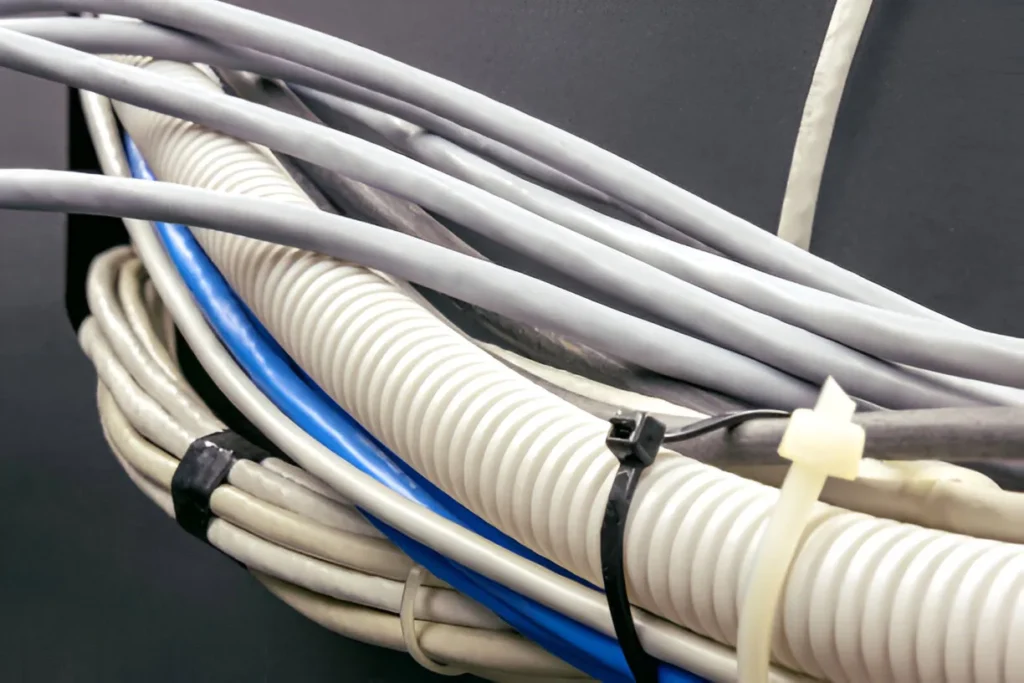
For organizing the wiring inside these enclosures before securing them with a heavy-duty electrical cable gland, using high-tensile nylon cable ties ensures your internal cables stay perfectly routed and strain-relieved.
Application Scenarios for PG vs. Metric Glands
Choosing between a pg cable gland and a metric cable gland usually comes down to whether you are building something brand new or maintaining an older electrical system. Getting this choice right ensures your enclosures stay perfectly sealed against dust and moisture.
Best Use Cases for Metric Cable Glands
Metric threads are the modern standard for global engineering. If you are working on new installations, a metric cable gland is almost always the right choice.
New Factory Automation: Essential for modern European and global machinery.
Renewable Energy Projects: Standard on solar inverters, wind turbine control boxes, and electric vehicle (EV) charging stations.
High-Vibration Environments: Common sizes like the m20 cable gland, m12 cable gland, and m25 cable gland feature a deeper thread pitch that resists loosening over time.
General Contracting: Ideal for securing wiring inside standard junction boxes using adhesive cable tie mounts to keep internal routing clean and organized.
Best Use Cases for PG Cable Glands
While no longer the standard for new designs, the pg gland remains vital for maintenance, repair, and operations (MRO) across specific industries.
Legacy Machinery Maintenance: Essential for servicing older German or European industrial equipment built before the transition to metric standards.
Heavy Duty Replacements: Used when replacing a damaged nylon cable gland on older sensors and terminal boxes that already have pre-tapped PG holes.
Specific Compact Equipment: Smaller sizes like the pg 7 cable gland, pg 11 cable gland, and pg 13 cable gland are still frequently found in tight spaces on older marine and chemical processing equipment.
How to Convert and Size Between PG and Metric Threads
If you are upgrading an older control box or maintaining European machinery, you will likely run into a “thread mismatch.” Since metric cable glands and PG cable glands have different pitches and diameters, they are not directly interchangeable. However, you don’t need to drill new holes if you have the right hardware.
Using Conversion Adapters and Reducers
Adapters are the lifesavers of the electrical world. If your enclosure has a PG hole but you only have metric cable gland stock, you can use a PG-to-Metric adapter.
Adapters: Used to change thread types (e.g., PG16 male to M20 female).
Reducers: Used when the hole is too large for your specific nylon cable gland.
Enlargers: Used when the cable diameter requires a larger gland than the existing pilot hole.
Sizing Charts for PG and Metric Hole Diameters
Finding the right fit requires precision. You should always measure the outer diameter (OD) of the male thread or the inner diameter of the mounting hole. Using a cable tie size guide can help you stay organized with your overall cable management, but for the glands themselves, refer to this quick reference:
Thread Type
Major Diameter (mm)
Common Drill Hole (mm)
PG 7
12.5 mm
12.7 mm
M12
12.0 mm
12.3 mm
PG 9
15.2 mm
15.5 mm
M16
16.0 mm
16.3 mm
PG 11
18.6 mm
18.9 mm
M20
20.0 mm
20.3 mm
PG 16
22.5 mm
22.8 mm
M25
25.0 mm
25.3 mm
Determining Clamping Ranges and Cable Diameters
The thread size is only half the battle; the clamping range is what actually secures your wire.
Measure your cable OD: Use calipers to find the exact thickness of your wire jacket.
Check the gland specs: A standard M20 cable gland usually handles a range of 6–12mm, but “version S” or “large” versions may differ.
Ensure a “snug” fit: If the cable is too thin for the clamping range, the weather proof cable gland will fail to provide an airtight seal, risking water ingress.
Account for Shielding: If using armored cable, ensure the internal bore of the plastic gland can accommodate the extra bulk.
How to Choose and Install the Right Cable Gland for Your Project
Selection Checklist: Material, Thread, and Environment
Choosing the right electrical cable gland requires balancing environmental demands with precise sizing. Whether you need a standard m20 cable gland or a specific pg cable gland, matching the gland to the job ensures long-term safety and equipment protection.
Use this checklist to select the perfect nylon cable gland or plastic option:
Thread Type: Verify if the junction box or enclosure requires metric cable glands (e.g., M12, M20, M25) or older German PG standards (e.g., PG 7, PG 11, PG 13).
Cable Diameter: Measure the outside diameter (OD) of your cable to ensure it falls within the gland’s specified clamping range.
Environment: For outdoor or harsh areas, select a weather proof cable gland rated for UV and moisture resistance.
IP Rating: Ensure the gland matches or exceeds the Ingress Protection rating (such as IP68) of your enclosure.
Gland Type
Common Thread Sizes
Best Used For
Key Benefit
Metric Cable Glands
m12 cable gland, M20, m25 cable gland
Modern global installations, new machinery
Standardized ISO metric threads
Plastic PG Cable Gland
pg 7 cable gland, PG 11, pg 13 cable gland
Maintenance, European legacy equipment
Deep thread profile for specific housings
If your project also requires securing bundles outside the enclosure, pairing these with heavy-duty industrial cable ties helps maintain clean, strain-relieved wire routing throughout your layout.
Step-by-Step Installation Guide
Proper installation of plastic cable glands maintains the integrity of the enclosure and prevents moisture or dust entry.
Prepare the Enclosure: Ensure the entry hole matches the specific cable gland metric sizes or pg gland dimensions. Clean away any burrs or sharp edges around the hole.
Disassemble the Gland: Unthread the dome sealing nut from the main gland body and remove the inner rubber seal if necessary.
Mount the Body: Insert the gland body through the enclosure wall. If the hole is unthreaded, secure it firmly from the inside using the correct matching locknut.
Feed the Cable: Pass the cable through the dome nut, the sealing insert, and then through the main gland body into the enclosure.
Tighten and Seal: Position the cable to eliminate tension inside the box. Hand-tighten the dome nut until the internal seal grips firmly around the cable jacket, then give it a final partial turn with a wrench to achieve a fully weather proof cable gland seal. Avoid over-tightening to prevent stripping the plastic threads.
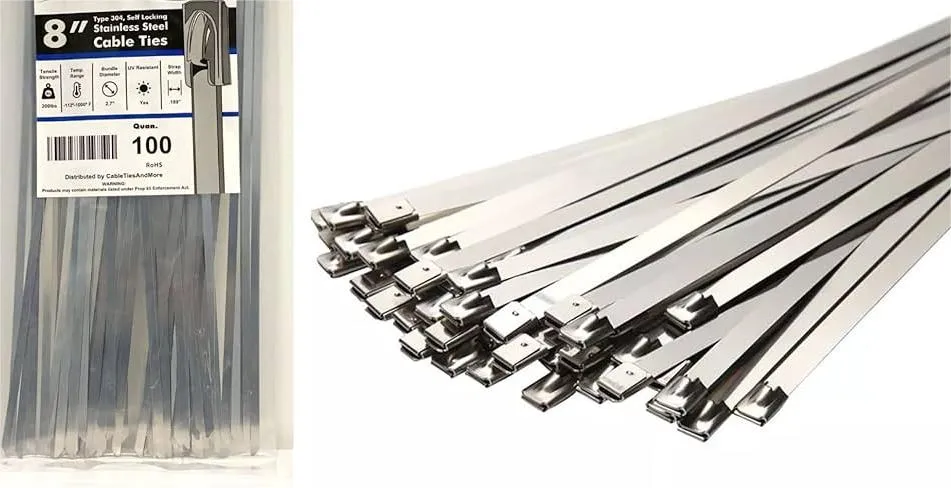
Metal cable ties are the strongest cable ties on the market offering unparalleled strength. But what are they made from and who uses them? What is a metal cable tie? A metal cable tie is a fastening device used to bundle and secure cables, wires, or other objects. cable ties metal are typically made from […]
Are you looking for a reliable and long-lasting solution for cable management? Stainless steel cable ties offer superior strength and durability compared to plastic alternatives. In this blog post, we’ll guide you through the process of using and tightening ss cable tie effectively. Discover the best practices and techniques to ensure secure cable bundling in […]
Choosing the best zip ties for your project can be challenging, especially with so many options available. But don’t worry—we’ll guide you through selecting the best wire ties for various uses, including automotive, construction, and home projects. Using the wrong type of cable tie can lead to inefficiencies, so it’s important to choose wisely. Here […]
We use cookies to enhance your browsing experience, serve personalised ads or content, and analyse our traffic. By clicking "Accept All", you consent to our use of cookies.
Looking For High Quality Nylon Cable Ties At A Great Price?
Order now to experience cost-effective cable tie products that provide convenience and protection for your work and life.


 EN
EN  AR
AR  ES
ES  PT
PT  FR
FR  RU
RU  DE
DE  KO
KO  JA
JA  IT
IT  NL
NL  TR
TR