



Introduction to Nylon Twist Lock Cable Ties
Efficient cable management is the backbone of any organized workspace or industrial installation. Nylon twist lock cable ties offer a high-performance, versatile alternative to traditional fastening methods. Engineered for speed and durability, these ties provide a secure hold while maintaining the flexibility needed for modern routing requirements.
What is a Twist Lock Cable Tie?
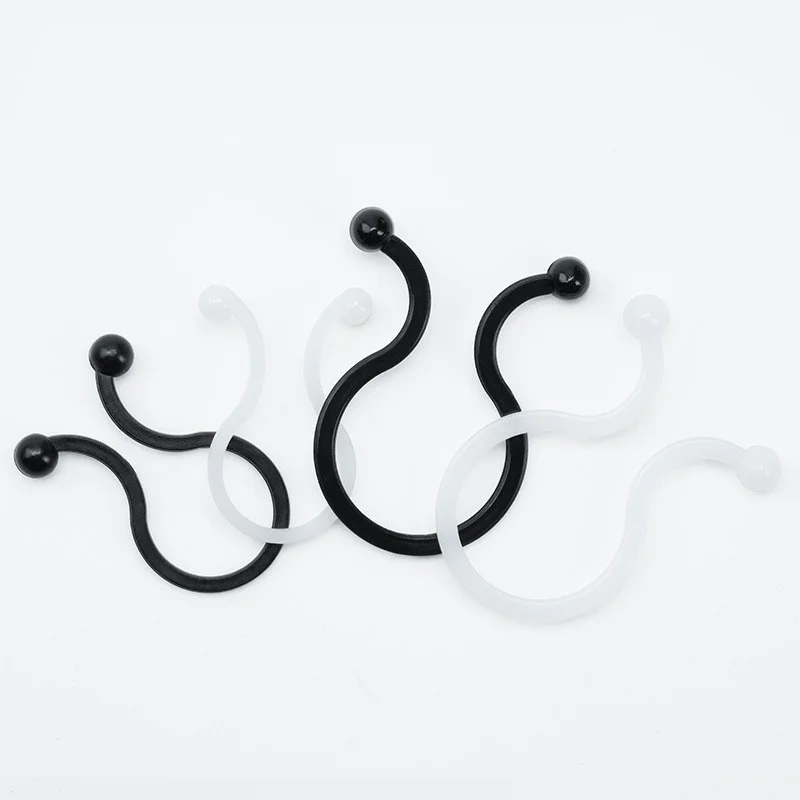
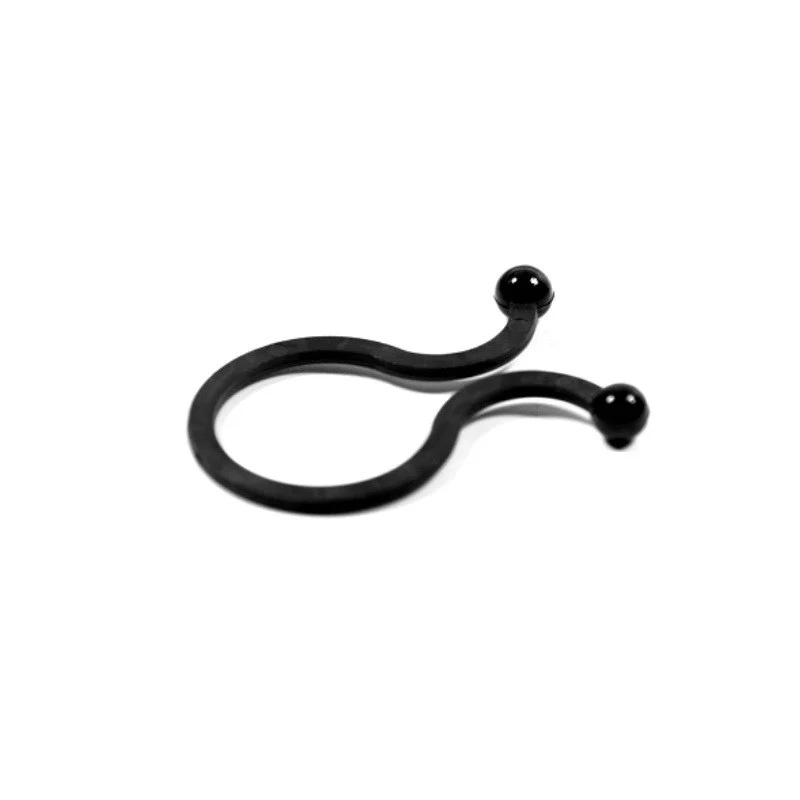
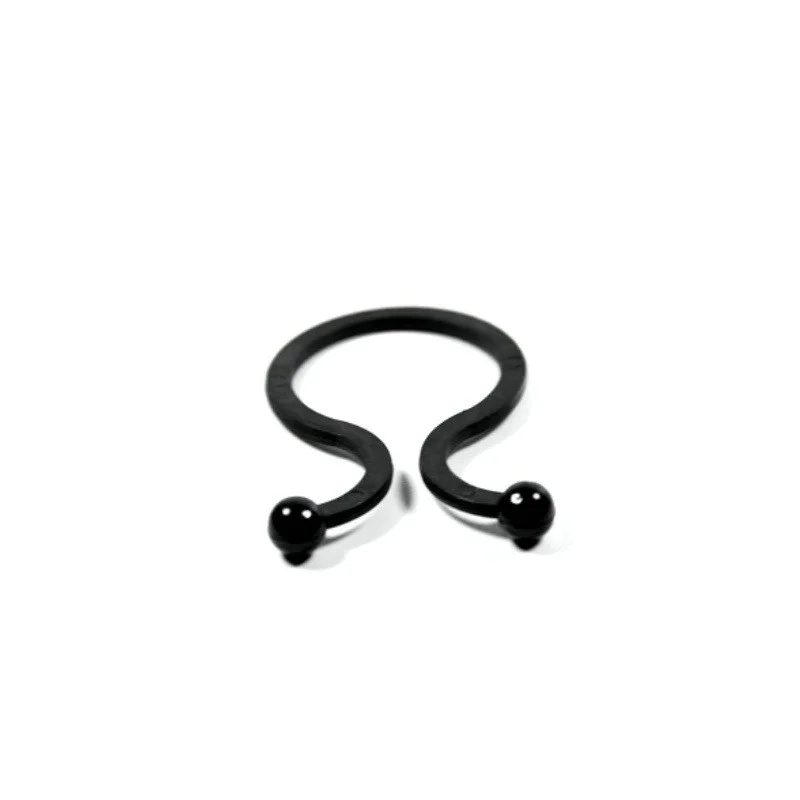
A twist lock cable tie is a specialized, one-piece fastener designed for bundling cables, wires, and hoses quickly and securely. Unlike standard zip ties that use a ratcheting mechanism, these ties feature two overlapping arms that lock together with a simple manual motion.
- Reusable Design: Easily opened and closed without tools.
- Material: Primarily manufactured from high-quality nylon 6/6.
- Application: Ideal for temporary setups or environments where cables are frequently added or removed.
How Do Twist Lock Mechanisms Work?
The beauty of the nylon twist lock cable tie lies in its mechanical simplicity. The process is intuitive and requires no secondary hardware:
- Insertion: Cables are gathered and placed within the open loop of the tie.
- Twisting: The two interlocking ends are crossed over one another.
- Locking: With a quick finger-twist, the arms wrap around each other, creating a firm, vibration-resistant seal.
- Removal: To release, simply twist the ends in the opposite direction; the tie remains intact and ready for immediate reuse.
This twist-to-lock functionality significantly reduces installation time and material waste, making it a premier choice for cable management twist ties in electronics and telecommunications.
Key Features and Benefits
Nylon twist lock cable ties stand out because they balance speed with reliability. I’ve seen these outperform traditional fasteners in environments where wires need constant adjustment. They aren’t just plastic loops; they are engineered for efficiency.
Reusability and Releasable Designs
The biggest win here is the cost-to-value ratio. These resealable cable ties allow you to open and close the lock with a simple finger twist. If you are frequently updating your hardware or rerouting cables, you won’t have to keep reaching for a knife or a new tie. When comparing various types of cable ties, the twist-lock mechanism is the most user-friendly for “live” setups that change over time.
- No Tools Required: Twist by hand to secure or release.
- Waste Reduction: Stop throwing away cut plastic every time a configuration changes.
- Quick Adjustments: Ideal for prototyping and temporary wire harnesses.
Durability of Nylon Material
We use premium Nylon 66 to ensure these cable twist ties don’t get brittle. Whether you’re dealing with heat from a motor or vibration in a server rack, the material stays flexible. It is helpful to understand the difference between cable ties and zip ties—specifically, how nylon’s molecular structure provides the “memory” needed for a twist-lock to stay tight under tension.
| Feature | Benefit |
|---|---|
| UV Resistance | Great for indoor and light outdoor use without cracking. |
| High Tensile Strength | Keeps heavy wire bundles locked in place securely. |
| Chemical Tolerance | Resists oils, greases, and common industrial solvents. |
| Flame Retardant | Meets UL94V-2 standards for safer electronics management. |
These tie wraps are built for professionals who need a fastener that survives the environment it’s placed in. Unlike cheap alternatives, our nylon zip ties with a twist mechanism maintain their grip even after hundreds of uses.
Types of Nylon Twist Lock Ties
We offer different configurations of nylon twist lock cable ties to suit specific installation environments. Depending on whether you need a freestanding bundle or a fixed mounting point, you can choose between these two primary styles.
Standard Nylon Twist Ties
These are the go-to choice for general-purpose bundling. They feature a simple design where you just gather your wires and twist the ends together to secure them. Because they don’t require tools, these cable twist ties are perfect for applications where you frequently need to add or remove wires. Unlike traditional fasteners, our reusable zip ties and twist locks provide a long-lasting solution that reduces waste and saves on replacement costs.
Push Mount Twist Cable Ties
If you need to secure your bundles to a specific surface, push mount versions are the ideal hardware for the job.
- Integrated Mounting: Features a snap-in wing or finned foot for steady anchoring.
- Tool-Free Installation: Simply push the mount into a pre-drilled hole in a panel or chassis to lock it.
- Clean Organization: Keeps your twist cable ties firmly in place, preventing bundles from sagging or moving in high-vibration environments.
These specialized plastic cable ties are essential for automotive wiring and heavy-duty machinery where stability is a priority.
Common Applications and Uses
Wire and Cable Management
Managing a mess of cords is the most common use for nylon twist lock cable ties. Whether it’s behind a home theater or under a busy office desk, these cable management twist ties keep everything organized and accessible. I find them far more efficient than traditional ties in any environment where you need to swap out hardware or rearrange equipment frequently.
- Office Setup: Taming computer, monitor, and peripheral cords.
- Industrial Settings: Routing wires along machinery frames for safety.
- Home Entertainment: Bundling HDMI and power cables for a clean look.
For more permanent or high-volume bundling, our range of plastic cable ties offers versatile solutions for every industry.
Electronics and PCB Organization
Inside a chassis or on a printed circuit board (PCB), space is a luxury. Twist cable ties are essential for keeping internal wiring from interfering with cooling fans or heat sinks. Because they are made of high-quality nylon, they are non-conductive and safe for use around sensitive electronic components.
- Server Racks: Grouping patch cables to ensure maximum airflow and easy tracing.
- Consumer Electronics: Securing internal battery leads or speaker wires during assembly.
- Automotive Electronics: Organizing dashboard wiring harnesses to prevent rattling and wear.
If you need to protect longer runs of wiring from abrasion in addition to bundling, consider using a spiral wrap for cables in tandem with your twist locks.
How to Choose the Right Nylon Twist Tie
Picking the right hardware isn’t just about grabbing the first bag you see. To get the most out of nylon twist lock cable ties, you need to match the tie to the job’s specific dimensions to ensure a secure, professional finish.
Selecting the Proper Size and Length
Size matters for both aesthetics and security. I’ve found that a tie that’s too long creates unnecessary clutter in a tight enclosure, while one that’s too short simply won’t stay locked.
- Measure your bundle: Always calculate the total circumference of your wires.
- Leave a “Twist Lead”: Ensure you have at least 0.5 inches of extra length to engage the locking mechanism comfortably.
- Scale for weight: Heavier wire looms require thicker, wider plastic cable ties to prevent snapping.
Understanding Bundle Capacity
Bundle capacity refers to the maximum diameter the tie can wrap around while maintaining its grip. If you overstuff a tie, you put too much stress on the nylon, which can lead to premature failure. Knowing how to reuse cable ties effectively depends on choosing a size that allows for easy unlocking and re-twisting without straining the material.
| Size Category | Max Bundle Diameter | Typical Use Case |
|---|---|---|
| Miniature | 5mm – 10mm | PCB wiring, small sensor electronics |
| Standard | 15mm – 25mm | PC builds, home office cable management |
| Large | 30mm+ | Industrial wire looms, heavy appliance cords |
When in doubt, I always suggest sizing up. It is much easier to trim a slightly long twist lock cable tie than it is to force a small one around a thick bundle of cables.
Product Specifications and Considerations
When I select nylon twist lock cable ties for our inventory, I focus on the technical data that ensures long-term reliability. These aren’t just plastic bits; they are engineered components designed to withstand specific environmental stressors.
Material Data and Temperature Ratings
Our twist ties are primarily molded from high-quality Nylon 66. This material is favored globally for its high mechanical strength and resistance to abrasion. For specialized industrial setups, we ensure the material meets standard flammability ratings to maintain safety protocols.
| Property | Typical Specification |
|---|---|
| Material | Nylon 66 (UL Recognized) |
| Flammability Rating | UL 94V-2 |
| Operating Temperature | -40°C to +85°C (-40°F to +185°F) |
| Chemical Resistance | Resistant to oils, grease, and many solvents |
If your project involves extreme environments, you might need to look into heat-resistant zip ties which are specifically stabilized for higher thermal exposure.
Comparing Twist Ties vs. Standard Zip Ties
The choice between a twist lock cable tie and a traditional zip tie usually comes down to how often you need to access the bundle. Standard zip ties are great for permanent “set and forget” installs, but they are a headache when you need to add a new wire.
| Feature | Nylon Twist Lock Ties | Standard Zip Ties |
|---|---|---|
| Reusability | 100% Reusable | Single-use (must be cut) |
| Installation | Manual finger-twist | Requires tension tool for best results |
| Speed | Instant lock/unlock | Fast lock, slow removal |
| Application | Dynamic/Changing bundles | Permanent installations |
Because getting the right fit is critical for a secure hold, I always recommend checking the available cable ties sizes to match your specific bundle diameter perfectly. Using the wrong size often leads to slippage or wasted material.
 EN
EN  AR
AR  ES
ES  PT
PT  FR
FR  RU
RU  DE
DE  KO
KO  JA
JA  IT
IT  NL
NL