Standard plastic zip ties are generally not recyclable through typical residential recycling systems. While the plastic resins used to manufacture them are technically meltable, their physical design and the structural properties of the material create massive roadblocks for standard municipal processing plants.
Why Most Curbside Programs Do Not Accept Zip Ties
Curbside recycling programs are built to handle rigid, bulky containers like milk jugs, soda bottles, and cardboard boxes. Zip ties fail to qualify for curbside collection due to three primary operational challenges:
Equipment Tangling: Because zip ties are thin, flexible, and linear, they easily slip into the moving parts of automated sorting machinery. They wrap around rotating screens and gears, causing mechanical jams that require facilities to shut down for manual clearing.
Size Constraints: Materials smaller than two inches typically fall through the sorting grates at Material Recovery Facilities (MRFs). Most used zip ties are either naturally small or have been clipped down, meaning they end up destined for the landfill along with fine debris.
Sorting Scanner Failure: Automated sorting facilities use optical sorters (near-infrared light) to identify plastic types. The low mass and narrow surface area of a cable tie make it nearly impossible for these scanners to accurately detect and sort the material on a fast-moving conveyor belt.
What Materials Are Zip Ties Made Of?
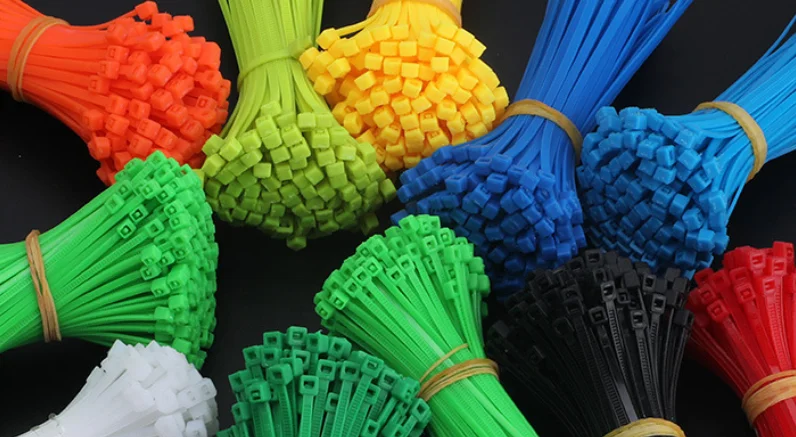
The vast majority of commercial and industrial cable ties are engineered from heavy-duty polymers designed to withstand high tension, moisture, and temperature fluctuations. Understanding these base materials highlights why specialized processing is required:
Plastic Type
Primary Characteristics
Common Applications
Recycling Category
Nylon 6,6
High tensile strength, rigid, abrasion-resistant
Standard industrial fastening, electrical wiring
Resin Code 7 (Other)
Polypropylene (PP)
Chemical resistant, highly flexible, lower strength
Corrosive environments, chemical processing
Resin Code 5 (PP)
Fluoropolymers (Tefzel)
Radiation resistant, extreme temperature tolerance
Aerospace, nuclear plants, medical devices
Resin Code 7 (Other)
How Nylon Recycling Works for Cable Ties
When nylon recycle zip ties does occur through specialized commercial programs, it bypasses traditional municipal streams entirely. Because Nylon 6,6 has a high melting point and excellent structural integrity, it undergoes a strict mechanical reclamation process:
Collection & Aggregation: Industrial facilities collect used ties in high-volume scrap bins to ensure batch consistency.
Shredding: The ties are fed into heavy industrial shredders that reduce the linear plastic into uniform, small flakes.
Contaminant Separation: The flakes pass through wash lines and air classifiers to remove dirt, grease, labels, and metal particles.
Extrusion & Pelletizing: The clean nylon flakes are heated to their melting point, filtered for purity, and extruded into raw plastic pellets.
These recycled nylon pellets are then reintroduced into manufacturing supply chains, typically downgraded for use in automotive parts, structural brackets, or industrial housing units.
How to Properly Dispose of and Recycle Zip Ties
When you are ready to discard standard cable ties, throwing them directly into the trash or the wrong bin does more harm than good. Because they are small and flexible, they easily jam sorting machinery at municipal facilities. Managing cable tie recycling requires a deliberate approach to keep these plastics out of landfills and waterways.
Specialty Recycling Options and Programs
Standard curbside recycling bins are not equipped to handle small nylon fasteners. To truly recycle zip ties, you must look to specialized channels. Many local scrap yards or dedicated commercial plastic recyclers accept bulk Nylon 66, which is the primary material used in industrial ties. For smaller, household quantities, mail-in terracycle programs or community drop-off events targeting hard-to-recycle plastics are your best option.
Common Recycling Mistakes to Avoid
The “Wishcycling” Trap: Tossing loose zip ties into your household recycling bin. They will be screened out as contaminants and sent straight to the landfill.
Leaving Bundles Intact: Leaving ties zipped in a loop or attached to wires. This makes them impossible for commercial sorters to process.
Mixing Material Types: Mixing nylon ties with heavy-duty metal ties or PVC coated wraps. Different materials require entirely separate recycling streams.
The Step-by-Step Eco-Friendly Disposal Process
To ensure your used ties are handled with minimal environmental impact, follow this straightforward disposal method:
Step
Action
Purpose
1. Collect
Gather all used zip ties in a designated storage container until you have a large batch.
Small, individual ties are easily lost; bulk amounts are easier for specialty recyclers to manage.
2. Clean
Rinse off any dirt, grease, oil, or adhesive residue from the surface.
Contamination reduces the quality of recycled plastic pellets.
3. Sort
Separate standard nylon ties from specialty metal or hook-and-loop variants.
Keeps different material streams pure for processing plants.
4. Deliver
Drop off the collected batch at a local specialty plastic collector or ship them to a dedicated mail-in recycling program.
Guarantees the material is actually melted down and reused rather than landfilled.
How to Reuse and Repurpose Zip Ties
Instead of tossing cable ties after a single use, reusing them is the smartest way to minimize waste. Standard ties might seem permanent, but they are actually easy to back out and use again if you know the trick.
How to Release and Remove Zip Ties Without Cutting
You do not need to wire cutters to remove a standard self-locking cable tie. With a little patience, you can release the locking mechanism and slide the tail right out.
Locate the locking pawl: Look inside the square head of the zip tie where the tail feeds through. You will see a small plastic tab (the pawl) gripping the ridges.
Release the mechanism: Insert a small, flat tool—like a jeweler’s screwdriver, a safety pin, or even a fingernail—between the smooth side of the strap and the pawl.
Depress and slide: Press the tab down or pull it back (depending on the angle) to disengage the teeth, then gently pull the tail out backwards.
Creative Ways to Reuse Zip Ties Around the House
Once you master the release trick, reusable wire ties become incredibly handy tools for everyday organization around the home.
Cable Management: Keep PC cords, home theater wiring, and phone chargers neatly bundled behind desks.
Garden Support: Secure heavy tomato plants, vines, or saplings to stakes without damaging the stems.
Luggage Locks: Use a temporary zip tie to secure suitcase zippers during transit; it deters opportunistic tampering but can be removed at your destination.
Ring Binder Replacement: Thread a loose tie through punched papers or keys to keep them organized in a makeshift loop.
Industrial and Commercial Reuse Strategies
In commercial settings, relying solely on single-use plastics drives up operational costs and waste metrics. Implementing a system for reusable tie wraps streamlines warehouse and shop floor efficiency.
Industry Sector
Practical Reuse Strategy
Logistics & Warehousing
Use temporary ties to secure inventory tags to pallets, then release and collect them for the next batch.
Construction & HVAC
Route temporary lighting and staging wires during the build phase using releasable ties, reclaiming them during final teardown.
Event Production
Bundle audio, video, and stage lighting cables during setup, then cleanly unfasten the ties during strike down without cutting into expensive cords.
Eco-Friendly Alternatives to Standard Zip Ties
If you want to cut down on plastic waste, switching from traditional single-use fasteners to green alternatives is a smart move. The market now offers several excellent options that perform just as well without harming the planet.
Reusable and Releasable Cable Ties
Standard zip ties are usually destroyed during removal. Reusable zip ties feature a built-in release trigger,as a type of recyclable zip ties. This simple mechanism allows you to undo the lock and use the same tie dozens of times, drastically reducing plastic waste.
Biodegradable and Hook-and-Loop (Velcro) Options
For temporary setups, bundling delicate cables, or outdoor projects, specialized materials offer a much lower environmental footprint.
Breaks down naturally over time without leaving microplastics
Natural Twine / Jute
Plant tying, bundling cardboard, crafts
100% organic, fully compostable
Choosing Recycled or UV-Resistant Zip Ties
When heavy-duty plastic is absolutely necessary for safety or construction, focus on longevity and material origin. Choosing ties made from recycled nylon keeps existing plastic out of landfills. For outdoor installations, always opt for UV-resistant ties. They withstand sun damage without cracking, preventing premature breakage and reducing the frequency of replacements.
Frequently Asked Questions About Zip Tie Disposal
Are Metal Cable Ties Recyclable?
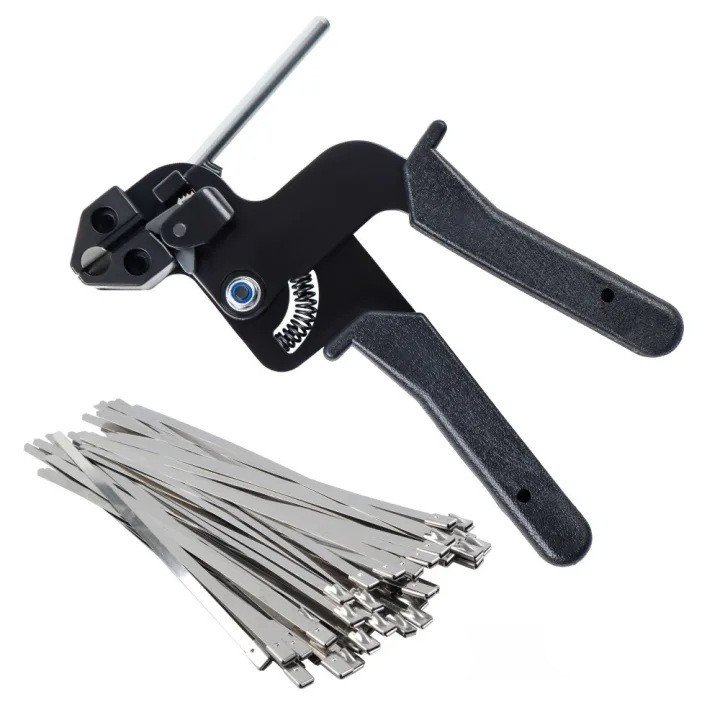
Yes, metal tie wraps and stainless steel metal cable ties are highly recyclable. Unlike standard plastic options, metal ties are typically made from high-grade stainless steel, which scrap metal yards and specialized recycling centers gladly accept. If you are using heavy-duty metal ties for harsh outdoor environments, you can rest assured that they can be melted down and repurposed indefinitely once they reach the end of their lifespan.
Can You Redeem Zip Ties for CRV Refunds?
No, you cannot redeem zip ties for California Refund Value (CRV) or any other state bottle bill refunds. CRV refunds apply strictly to specific beverage containers, such as aluminum cans, plastic soda bottles, and glass juice jars. Even though high-quality nylon ties are durable and valuable in industrial applications, they do not fall under consumer beverage container deposit programs.
How Do Zip Ties Impact the Environment?
Standard plastic zip ties can have a notable environmental impact if thrown into regular trash bins. Because they are small and lightweight, they easily escape landfills and turn into microplastic pollution in oceans and soil. Standard nylon ties can take hundreds of years to decompose naturally. To minimize this footprint, it is important to understand how long do zip ties last outside and transition toward reusable, releasable, or sustainably sourced fastening solutions whenever possible.
Ever wondered how high-stakes electrical systems stay completely sealed, secure, and protected against extreme environments? If you’ve ever asked what is a cable gland, you’re looking at the unsung hero of safe industrial wiring. Whether you need rock-solid strain relief, watertight ingress protection, or help navigating Metric, PG, and NPT thread types, choosing the right […]
Cable ties, also known as zip ties, are versatile fasteners used in various applications, from organizing computer cables to securing industrial equipment. One crucial aspect of cable tie performance is their ability to withstand heat. This article explores the factors affecting cable tie melting points and provides insights into choosing the right ties for different […]
What Is Heat Shrinking Tubes and How Does It Work? A heat shrinking tube (also known as a polymer sleeve) is an expandable plastic tube engineered to insulate, protect, and bundle wires, cables, and electrical components. When exposed to a heat source, the tubing shrinks radially to fit tightly around underlying components, creating a protective […]
We use cookies to enhance your browsing experience, serve personalised ads or content, and analyse our traffic. By clicking "Accept All", you consent to our use of cookies.
Looking For High Quality Nylon Cable Ties At A Great Price?
Order now to experience cost-effective cable tie products that provide convenience and protection for your work and life.




 EN
EN  AR
AR  ES
ES  PT
PT  FR
FR  RU
RU  DE
DE  KO
KO  JA
JA  IT
IT  NL
NL  TR
TR