
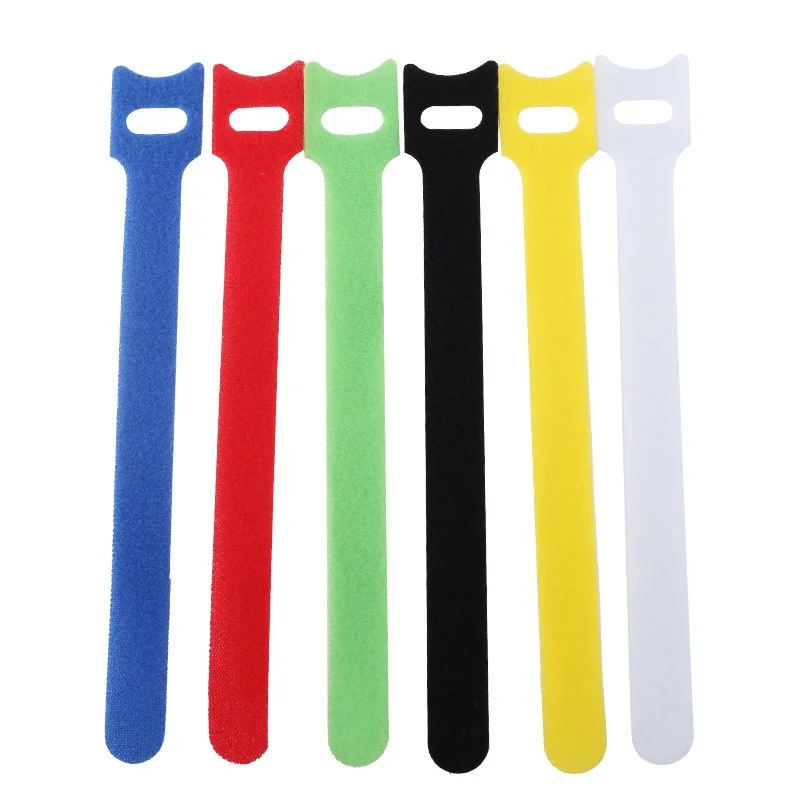
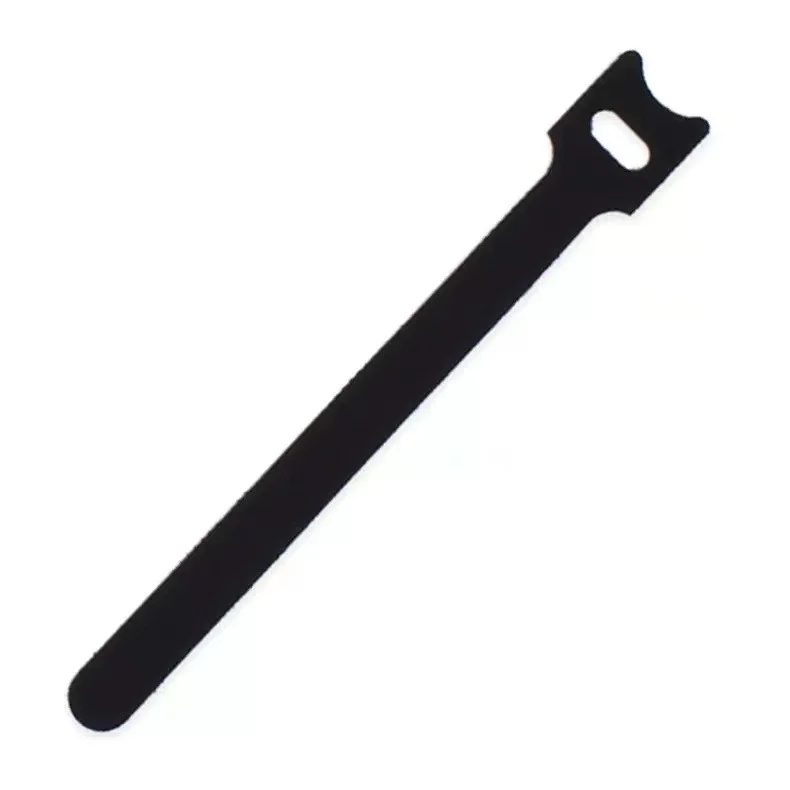
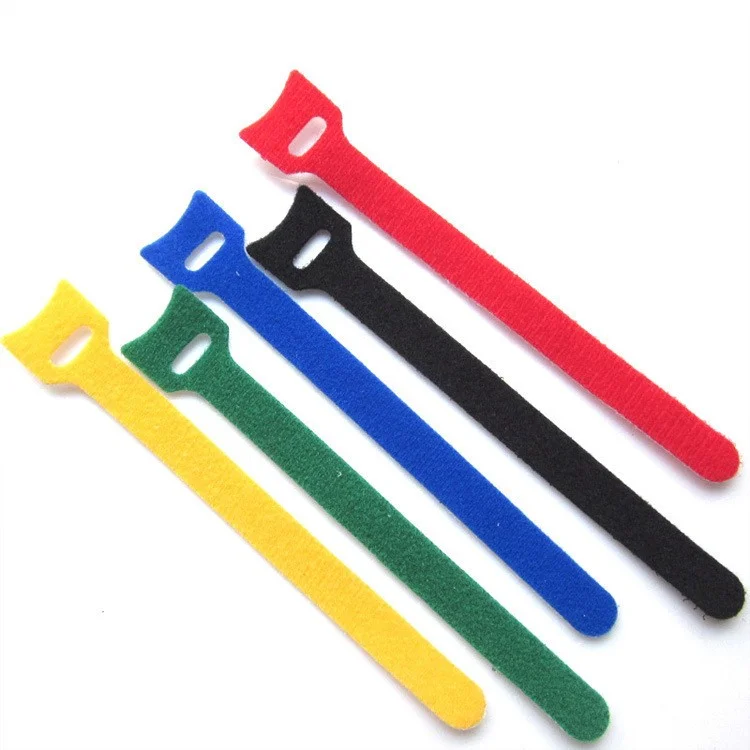
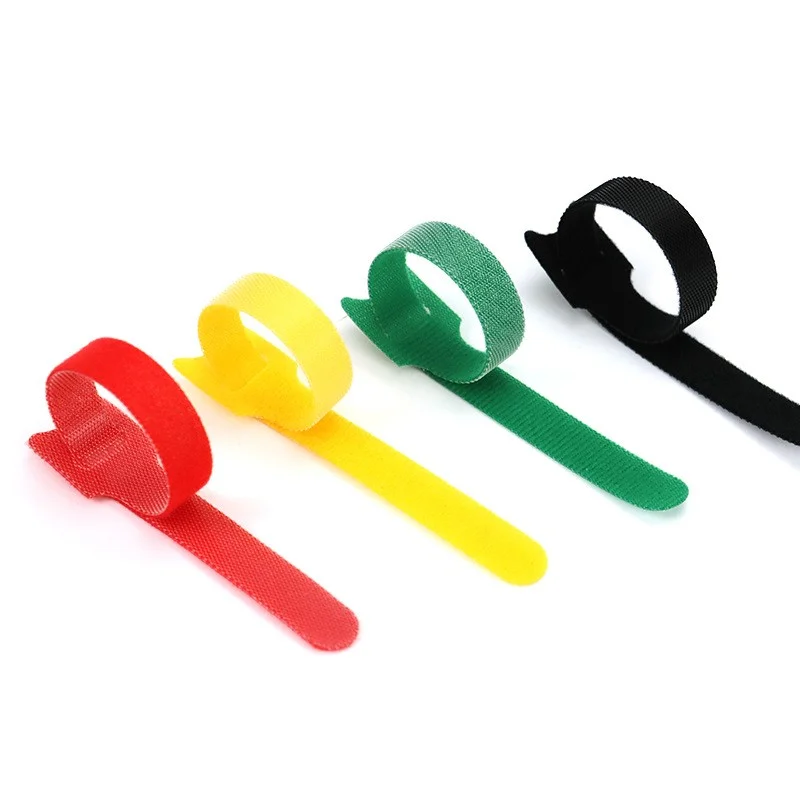


What Are Velcro Cable Ties?
Efficient cable management is the backbone of a clean, safe, and professional workspace. A velcro cable tie is a reusable organizing solution designed to bundle and secure wires, cords, and cables seamlessly. Unlike permanent fastening methods, these ties leverage hook-and-loop technology to provide a reliable hold that can be adjusted or altered at any time. They have become the global standard for IT professionals, AV technicians, and organized homeowners alike.
Definition and How Hook and Loop Fasteners Work
The mechanics behind hook and loop cable ties are simple yet highly effective. The fastener consists of two distinct components:
- The Hook Side: A rough surface covered in tiny, flexible plastic hooks.
- The Loop Side: A soft, fabric surface covered in microscopic loops.
When the two sides are pressed together, the hooks catch firmly in the loops, creating a secure bond. Because this bond relies on mechanical interlocking rather than chemical adhesives, a velcro cable tie can be peeled apart and re-fastened thousands of times without losing its holding power.
Velcro Brand vs. Traditional Plastic Zip Ties
While traditional plastic zip ties have their place, they present distinct disadvantages when compared to modern velcro ties for cables.
| Feature | Velcro Cable Ties | Plastic Zip Ties |
|---|---|---|
| Reusability | Fully reusable thousands of times | Single-use; must be cut to remove |
| Cable Safety | Soft texture; cannot over-tighten or crush wires | Sharp edges; easily cuts into cable jackets |
| Flexibility | Quick to adjust as new cords are added | Requires cutting and wasting a new tie for changes |
| Waste Generation | Zero waste; eco-friendly | Significant plastic waste over time |
Traditional zip ties frequently apply too much localized pressure, which can damage internal copper strands or crush delicate fiber optic lines. Switching to velcro tie wraps protects your infrastructure investment while offering a dynamic, scalable solution for evolving cable setups.
Key Benefits of Reusable Velcro Cable Ties
Managing messy cords doesn’t have to mean damaging your sensitive cables or constantly throwing away single-use plastics. Reusable velcro cable ties offer a smarter, safer, and more sustainable way to keep your wiring organized.
Damage-Free and Safe Cable Management
Traditional plastic zip ties can easily cinch too tightly, crushing internal copper wires and disrupting data signals. A velcro cable tie uses soft hook and loop technology that wraps securely around delicate fiber optics and data cords without pinching or creating data bottlenecks. For extreme conditions where traditional ties fail, specialized alternatives like uv-resistant tie wraps or heavy-duty metal bands handle environmental stress, but for day-to-day data safety, hook and loop fasteners are the gold standard.
Reusability and Cost-Effectiveness
Unlike single-use plastic fasteners that you have to snip off and throw away every time a wire changes, velcro ties for cables are built for long-term use. You can open and close these hook and loop cable ties thousands of times without losing grip strength.
| Fastener Type | Lifespan | Waste Level | Long-Term Cost |
|---|---|---|---|
| Velcro Cable Tie | Reusable (1,000+ times) | Zero | Low (One-time investment) |
| Standard Zip Tie | Single-Use | High | High (Continuous replacing) |
Flexibility and Adjustable Design
Cable setups change constantly. Whether you are adding a new monitor to your desk or re-routing an entire server rack, velcro tie wraps adapt instantly. You don’t need wire cutters or tools; simply unfasten the hook and loop cable tie, add or remove cords, and press it back together. This adjustable design makes temporary setups, traveling, and routine maintenance completely hassle-free.
Common Types and Form Factors
Pre-Cut Hook and Loop Straps
Pre-cut hook and loop cable ties are the ultimate grab-and-go solution for everyday cord management. These individual velcro straps come in fixed lengths—typically 6, 8, or 12 inches—and feature a slotted head design. This clever slotted eyelet allows you to anchor the tie directly to your cable so it stays attached even when the cord is unwrapped. They are perfect for bundling computer cables, phone chargers, and gaming console cords quickly without needing any scissors.
Continuous Roll Velcro Tape (Cut-to-Length)
When standard sizes don’t fit the bill, a continuous roll of velcro wire tie material gives you total control. This format allows you to pull out exactly what you need and cut it to length, eliminating wasted material. Whether you are bundling a massive trunk of network wires or just securing a single extension cord, custom-sized wraps ensure a perfect fit every time. For projects requiring an ultra-clean, flush finish without the bulk of overlapping material, using a continuous roll can achieve a streamlined look similar to specialized low-profile zip ties.
Heavy-Duty vs. Light-Duty Cable Ties
Choosing the right strength prevents accidental breaks and keeps your setups secure. We break down the differences to help you select the right option:
| Feature | Light-Duty Ties | Heavy-Duty Ties |
|---|---|---|
| Best Used For | Home electronics, desk cable routing, thin charging cords | Server racks, thick power extensions, outdoor gear, tools |
| Material Profile | Thin, soft, and highly flexible | Wide, thick backing with industrial-strength grip |
| Average Holding Strength | Up to 15–20 lbs | 50 lbs to over 100 lbs |
| Reusability Life | Hundreds of cycles | Thousands of cycles in demanding environments |
For premium durability in extreme environments, our heavy duty velcro cable ties feature reinforced backing fabrics and high-density hooks to handle maximum weight tension without slipping.
Popular Sizes, Strengths, and Specifications
Standard Lengths and Widths
We manufacture our velcro cable tie options in various dimensions to handle everything from thin earphone cords to thick server racks. Choosing the right size ensures a secure hold without wasting material.
Our standard sizing breakdown includes:
| Tie Type | Common Lengths | Average Width | Best Used For |
|---|---|---|---|
| Light-Duty / Pre-Cut | 6 inches, 8 inches | 0.5 inches | Phone chargers, USB cables, PC peripherals |
| Medium-Duty Straps | 12 inches, 15 inches | 0.75 inches | Power tools, AV cables, office workstation bundles |
| Heavy-Duty / Continuous Roll | Custom (Cut-to-length) | 1 inch, 2 inches | Large network trunks, heavy extension cords, outdoor gear |
Color-Coding Options for Cable Organization
Using colored velcro cable ties is the most efficient way to manage complex wiring systems. Instead of guessing which wire goes where, you can instantly identify lines by assigning specific colors to different paths.
- Red: Power lines and critical infrastructure
- Blue: Network data cables and internet feeds
- Yellow: Video feeds or alerts (similar to how high-visibility yellow zip ties mark specific bundles in industrial setups)
- Green: Grounding wires or audio lines
Fire-Retardant and Outdoor-Rated Material Options
Standard hook and loop fasteners work perfectly indoors, but specialized environments require tougher specifications. For safety and longevity, we offer material upgrades built for extreme conditions:
- Plenum-Rated (Fire-Retardant): Essential for air handling spaces and server rooms. These hook and loop cable ties meet strict building codes by resisting melting and minimizing toxic smoke during a fire.
- UV-Stabilized (Outdoor-Rated): Regular nylon degrades under sunlight. Our outdoor-grade velcro ties for cables feature UV-inhibitors that prevent the material from becoming brittle or losing its grip when exposed to sun and rain.
Versatile Application Scenarios
Home and Office Electronics Organization
Desk clutter can ruin productivity instantly. We use velcro cable ties to cleanly bundle the mess of power cords, HDMI lines, and charging cables behind desks and entertainment centers. Unlike permanent plastic alternatives, these hook and loop straps let us add or remove a device without cutting a single tie. If you frequently handle heavy setups or tough outdoor wiring, you might look into specialized options like cold weather zip ties for freezing environments, but for everyday home and office desks, velcro is the perfect, adjustable choice.
Server Rooms and Network IT Infrastructure
Data centers and IT closets demand precision. Standard plastic ties can easily over-tighten, pinching delicate fiber optic lines or Cat6 cables and ruining data transmission. We rely on hook and loop cable ties to maintain the perfect bend radius and support high-density patch panels. They keep server racks organized, prevent heat traps, and drastically cut down troubleshooting time during maintenance.
Portable Cord Management for Travel
Tangling is inevitable when throwing laptop chargers, phone cords, and headphones into a travel bag. A few small velcro ties for cables keep everything tightly coiled and organized while on the move. They stay attached to the cord even when unwrapped, making sure you never lose them while working from a coffee shop, airport terminal, or remote workspace.
How to Properly Use Velcro Cable Ties
Step-by-Step Instructions for Wrapping Cables
Using a velcro cable tie is straightforward, but doing it right ensures your setups stay neat and accessible. Follow these steps to get a clean, secure wrap every time:
- Gather and Align: Bundle your cables together, pulling them straight to eliminate twists and kinks.
- Anchor the Tie: If you are using a slotted hook and loop cable tie, feed the tail end through the eyelet slot around a single master cable. This keeps the tie attached to the cord even when unfastened.
- Wrap with Tension: Wrap the velcro straps snugly around the bundle. Ensure it is tight enough to hold the cables securely, but avoid pulling so hard that you pinch or deform the wires.
- Press to Secure: Press the hook side firmly against the loop side to engage the fastener.
Tips for Managing Heavy-Duty or Long Cords
Heavy extension cords, thick AV lines, and long industrial cables require a bit more support than standard office wires.
- Use the Over-Under Coiling Method: Never wrap long cords tightly around your elbow. Coil them using the over-under technique to prevent internal wire damage.
- Space Ties Evenly: For long horizontal runs, space your velcro tie wraps every 1.5 to 2 feet to prevent sagging and reduce strain on connection ports.
- Combine and Overlap: For massive bundles, use thicker, heavy duty velcro cable ties. If a single strap isn’t long enough, you can easily chain two or more ties together end-to-end to increase the overall wrapping length.
Frequently Asked Questions (FAQs)
Are Velcro Cable Ties Weatherproof for Outdoor Use?
Standard nylon hook and loop cable ties can degrade when exposed to constant UV rays and moisture over long periods. However, specialized outdoor-rated versions feature UV-stabilized materials that resist weather damage. If you need a fastening solution for extreme outdoor conditions, consider pairing your setup with weather-resistant cable ties designed specifically to endure harsh elements without losing their grip.
How Much Weight Can Heavy-Duty Velcro Ties Hold?
The holding capacity depends entirely on the width of the strap and the quality of the hook and loop bond.
Light-duty ties: Typically support between 10 to 20 lbs.
Heavy-duty velcro cable ties: Can easily support 50 to over 100 lbs when wrapped with sufficient overlap.
For maximum weight capacity, always ensure at least a two-inch overlap to secure the bond.
Can Hook and Loop Fasteners Be Cleaned?
Yes, velcro tie wraps can be cleaned to restore their gripping power. Over time, the hooks collect lint, hair, and debris, which weakens the hold.
- Debris Removal: Use a stiff brush, a fine-tooth comb, or another piece of hook material to scrape out trapped lint.
- Washing: Hand wash the ties in warm water with a mild detergent, then let them air dry completely before reuse.
 EN
EN  AR
AR  ES
ES  PT
PT  FR
FR  RU
RU  DE
DE  KO
KO  JA
JA  IT
IT