Understanding Velcro Cable Ties and Hook-and-Loop Fasteners
What Are Velcro Cable Ties?
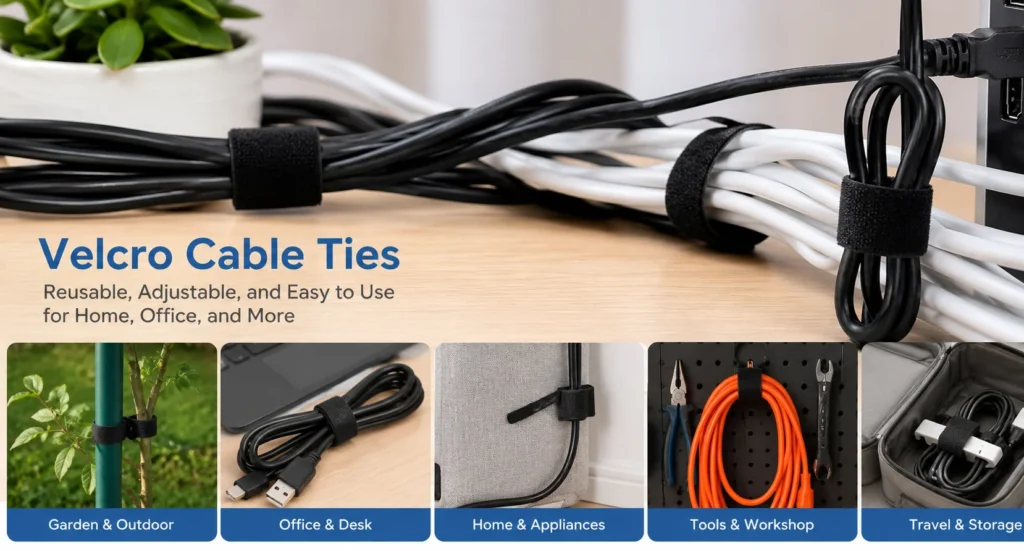
Velcro cable ties are reusable fastening solutions designed to bundle, organize, and secure wires and cables. Made from durable nylon or polyester fabric, these ties feature a two-sided mechanism that grips itself without the need for adhesive. They are widely used across global markets—from home offices to industrial server rooms—offering a flexible and damage-free alternative to traditional bundling methods. For businesses looking for high-quality bulk supplies, manufacturers like WANDU provide versatile options tailored to commercial and industrial standards.
How Hook-and-Loop Cable Management Works
The mechanism behind a hook and loop cable tie relies on two distinct surfaces working together:
The Hook Side: Features tiny, flexible hooks that catch onto the opposite surface.
The Loop Side: Consists of a soft, fuzzy fabric made up of microscopic loops.
When pressed together, the hooks securely catch the loops to create a strong, reliable bond. Peeling the strap back forces the hooks to release, allowing for clean separation without degrading the material. This makes cable ties velcro straps highly repeatable and efficient for dynamic wiring environments.
Key Benefits of Using Velcro Ties Over Plastic Alternatives
Switching to velcro tie wraps provides significant advantages in safety, cost, and efficiency over traditional plastic zip ties.
Using a soft velcro wire tie prevents over-compression, which is crucial for protecting fragile data lines like Cat6 or fiber optic cables. Furthermore, the availability of colored velcro cable ties simplifies color-coding, while heavy duty velcro cable ties handle high-load industrial bundles with ease.
Step-by-Step Guide: How to Properly Use Velcro Cable Ties
Using hook and loop cable ties may seem straightforward, but a methodical approach ensures a clean, long-lasting setup that protects your equipment.
Preparing and Bundling Your Cables
Before reaching for your velcro cable tie, lay out all the cords you plan to group together. Group them by function or destination to keep things logical.
Straighten the lines: Run your hands down the wires to eliminate kinks, twists, and tangles.
Align the connectors: Keep the plugs even at one end so there is no unnecessary pulling or tension on the device ports.
Comb the bundle: Pull your fingers through the length of the bundle to ensure all cords run parallel.
While heavy-duty setups sometimes require rigid options like nylon cable ties for permanent structural fixation, these adjustable fabric straps are your best bet for everyday managing and organizing where flexibility is key.
Wrapping and Securing the Tie Correctly
Once your bundle is smooth, it is time to apply the cable ties velcro strap.
Thread the tail: If you are using a slotted hook-and-loop cable tie, feed the loose end through the eyelet slot at the head. Pull it snug against the bundle.
Anchor the strap: Tighten the loop so the tie grips the bundle firmly without compressing the insulation.
Wrap the body: Press the fuzzy loop side smoothly against the rough hook side. Keep the wrap straight so the edges align perfectly for maximum grip strength.
Adjusting and Reusing the Straps
One of the greatest advantages of velcro ties for cables is their reusable nature. You do not need scissors to make a change.
To adjust or add a wire: Simply pull the tab to release the hook-and-loop bond, drop the new wire into the bundle, and press the strap back down.
Repositioning: If a bundle feels too heavy or sags, peel the velcro wire tie off completely, slide it to a better support point, and re-secure it.
Common Mistakes to Avoid When Wrapping Cables
Even with user-friendly velcro tie wraps, a few simple mistakes can degrade your setup over time. Avoid these common pitfalls to get the most out of your cable management:
Over-tightening: Pulling the strap too tight can crush inner shielding, leading to data loss or intermittent power issues.
Misaligning the hooks and loops: Overlapping the strap at an angle reduces the surface contact area, causing the tie to slip or fail under weight.
Using the wrong size: Forcing a short tie to barely hold by its tip will eventually lead to popping open. Always ensure at least an inch of total overlap for a secure hold.
Essential Tools and Materials for Cable Management
Choosing the Right Width and Length of Velcro Straps
Selecting the correct dimensions for your velcro cable ties prevents bundle slippage and ensures a clean setup. Thin, short hook and loop cable ties work best for delicate items like headphones or phone chargers. For massive data center trunks or heavy-duty power cords, opt for wider cable ties velcro straps to distribute weight evenly and prevent the fasteners from tearing under tension.
Pre-Cut Ties vs. Continuous Velcro Rolls
Feature
Pre-Cut Velcro Ties
Continuous Velcro Rolls
Best For
Quick, standardized jobs
Custom bundles & unique layouts
Waste Level
Zero waste
Minimal (cut exactly what you need)
Convenience
High (built-in eyelet slots)
Medium (requires cutting)
Versatility
Fixed lengths only
Unlimited length customization
For everyday tasks, pre-cut velcro tie wraps offer unmatched speed. However, when dealing with unpredictable bundle sizes, a continuous roll allows you to create custom velcro cable ties on the fly. To understand how these reusable options stack up against traditional locking mechanisms, check out our comprehensive cable ties vs velcro strap guide for durable cable management.
Useful Tools for Customizing Your Cable Ties
Managing bulk wiring requires a few basic tools to maximize efficiency: Heavy-Duty Shears: Essential for cutting continuous hook-and-loop cable ties cleanly without fraying the edges. Label Maker: Helps you identify specific lines before wrapping them with a velcro wire tie. Color-Coded Bundles: Utilizing colored velcro cable ties streamlines troubleshooting by instantly separating power lines from data cables.
Practical Application Scenarios for Velcro Ties
Desk and Home Office Cable Organization
Cluttered desks ruin productivity. I always use velcro cable ties to bundle computer power cords, monitor cables, and USB lines hidden right under the desk. Because you constantly swap out tech gadgets, these reusable straps let you add a new charger or remove an old mouse wire in seconds without cutting anything loose. For heavy-duty management under the desk, pairing these with specialized anchors keeps everything off the floor. If you ever run into older, stubborn nylon ties during a workspace redesign, knowing how to remove cable ties safely and efficiently prevents accidental cuts to your expensive device cords.
Managing Home Theater and Entertainment Center Wires
Home theater setups are notorious for cable chaos behind the media console. Between gaming consoles, streaming boxes, soundbars, and TV power cords, things get messy fast. Using colored velcro cable ties helps color-code your inputs, making it easy to identify which wire belongs to the PlayStation versus the audio receiver. Velcro tie wraps keep the heavy HDMI and audio cables tightly bundled together, reducing signal interference and keeping the back of your entertainment center completely clean and dust-free.
Organizing Industrial Machinery and Server Room Equipment
In high-density network racks and industrial environments, cable management is critical for airflow and system uptime. Data centers rely heavily on hook and loop cable ties because they do not crush or pinch delicate fiber optic lines or Cat6 data cables. Unlike traditional plastic options, these fasteners don’t create pressure points that degrade signal quality. If you are dealing with high-temperature industrial environments alongside your data lines, it is also crucial to understand will cable ties melt to ensure you select the correct material properties for every section of your infrastructure.
Securing Electronics and Power Cords for Travel
Tossing loose chargers into a backpack guarantees a tangled mess by the time you land. I never travel without wrapping laptop chargers, phone cords, and headphones with slim velcro ties for cables. They stay attached to the cord permanently so you never lose them, and they keep your travel bag perfectly organized. A quick wrap keeps your power bricks compact and ready to deploy at airport terminals or hotel rooms without any hassle.
Best Practices for Maintenance and Safety
How to Clean Dust and Lint from Velcro Straps
Over time, hook and loop cable ties inevitably collect dust, lint, and stray fibers, which degrades their gripping power. To restore the effectiveness of your velcro cable ties, use a stiff-bristled brush or an old toothbrush to comb out debris from the hook side. For stubborn lint embedded deep in the velcro ties for cables, a fine-toothed comb or another piece of hook material can be scraped across the surface to pull out the trapped fibers. Regular cleaning extends the lifespan of your cable ties velcro straps and ensures a reliable hold.
Preventing Cable Strain and Damage from Over-Tightening
Unlike traditional plastic zip ties that can easily cut into wire insulation, hook and loop cable ties offer a much safer fastening alternative. However, over-tightening can still pinch internal copper strands, degrade data transmission quality, and cause unnecessary cable strain.
When securing bundles, follow these safety steps: The Finger Test: Ensure you can easily slip a finger underneath the velcro wire tie after fastening. Distribute Pressure: Use wider cable tie hook and loop straps for heavier, bundled industrial machinery wires to spread out the clamping force. Avoid Using Mechanical Tensioners: Hand-tightening is always sufficient for these straps. If you happen to work with standard nylon zip ties in other projects, always use proper installation tools; you can read our comprehensive guide on how to use a zip tie gun safely to prevent over-tensioning.
Identifying When to Replace Worn Fasteners
While velcro tie wraps are highly valued for being reusable, the microscopic hooks and loops will eventually wear down after hundreds of cycles. Inspect your setups periodically to identify worn fasteners before they fail completely.
Sign of Wear
Consequence
Action Required
Fraying Loop Side
Reduced surface area for attachment
Replace the strap immediately
Flattened Hooks
Weak grip; the velcro cable tie unfastens under minimal weight
Upgrade to heavy duty velcro cable ties
Brittle Material
High risk of snapping under physical stress or heat
Swap out for fresh premium ties
When the fabric backing begins to delaminate or the grip feels weak to the touch, replace the worn fastener immediately to maintain a safe, organized, and secure cable management system.
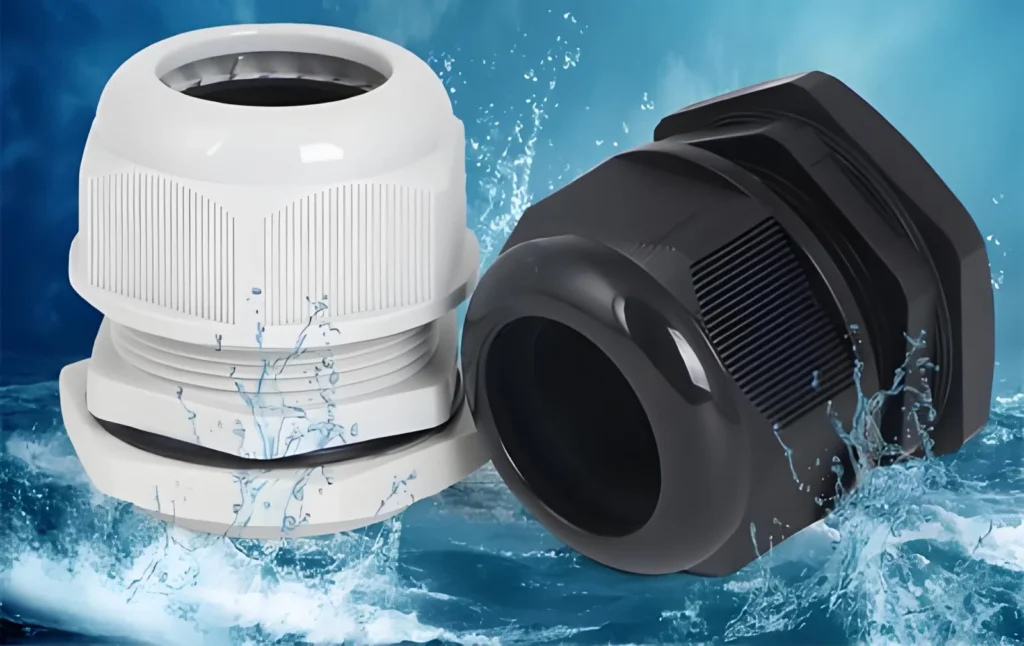
Are you tired of dealing with short circuits and ruined electronics because a seal failed? Knowing how waterproof are cable glands—and how to choose the right one—can be the difference between a flawless electrical system and a costly, water-logged disaster. In this guide, we are diving deep into the world of waterproof cable glands, decoding […]
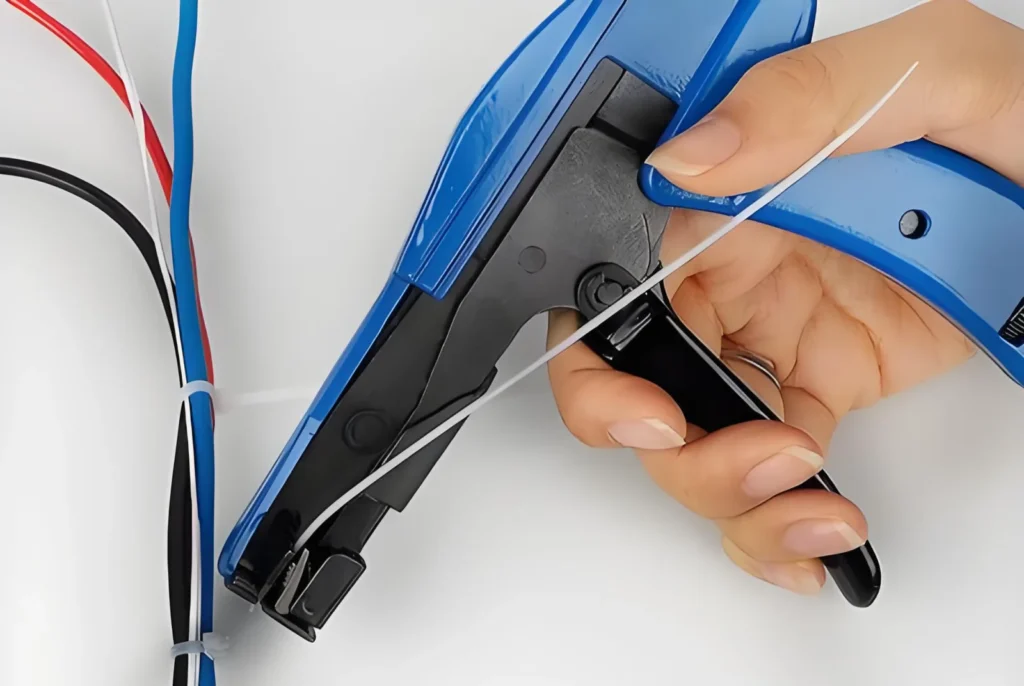
Ever wrapped a massive bundle of cables, pulled them tight by hand, and ended up with sore fingers and a jagged, sharp tail that’s just waiting to slice someone open? There’s a better way. Whether you are managing a massive industrial wiring overhaul or just trying to clean up a messy server rack, a zip […]
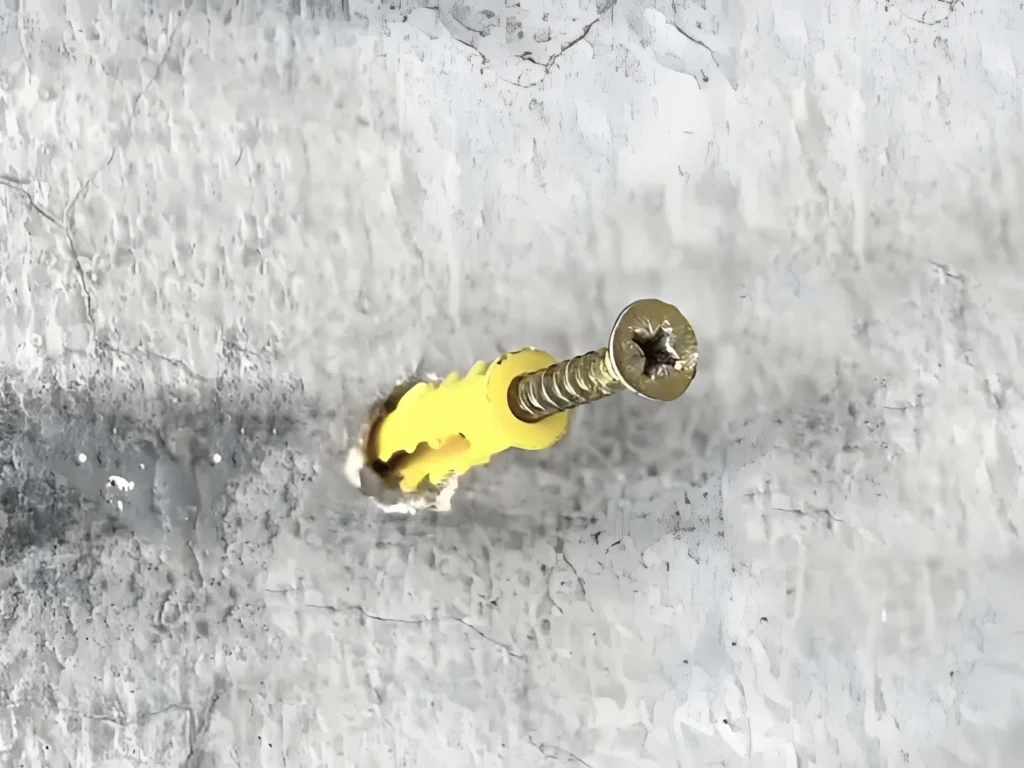
Understanding Plastic Wall Anchors and Their Uses What is a Plastic Wall Anchor? A plastic wall anchor, often referred to as a plastic wall plug, is a specialized inserting sleeve designed to provide a secure fastening point in weak or hollow substrates like drywall, plaster, and masonry. Standard screws cannot grip these materials effectively on […]
We use cookies to enhance your browsing experience, serve personalised ads or content, and analyse our traffic. By clicking "Accept All", you consent to our use of cookies.
Looking For High Quality Nylon Cable Ties At A Great Price?
Order now to experience cost-effective cable tie products that provide convenience and protection for your work and life.

 EN
EN  AR
AR  ES
ES  PT
PT  FR
FR  RU
RU  DE
DE  KO
KO  JA
JA  IT
IT  NL
NL