Metal zip ties are the ultimate fastening solution for demanding industrial and outdoor environments. Built to withstand extreme temperatures, harsh chemicals, and heavy loads, these durable fasteners provide permanent, reliable bundling where traditional plastic alternatives simply fail. Understanding how to use metal cable ties effectively begins with understanding their construction and mechanics.
The Self-Locking Mechanism
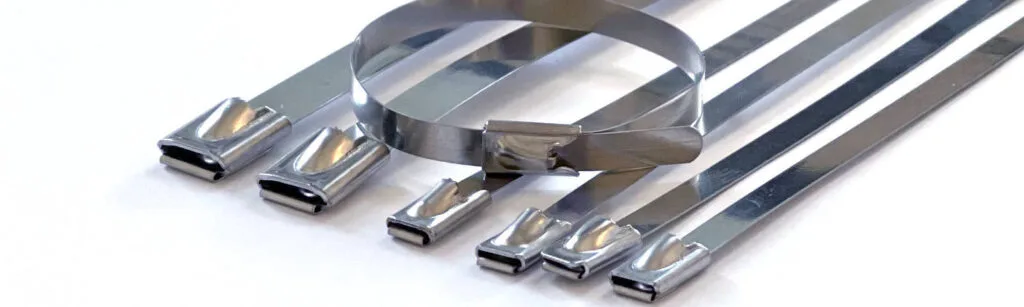
The secret behind the secure hold of metal zip ties lies in their innovative self-locking mechanism. Most stainless steel cable ties utilize an internal rolling ball bearing located within the head of the tie. As the metal strap is threaded through the head, the ball rolls forward, allowing the tie to tighten smoothly. Once the pulling tension is released, the ball immediately wedges tightly against the strap, locking it permanently into place. This friction-fit design ensures a secure grip without the need for secondary crimping or folding.
Types of Stainless Steel Ties
Selecting the right ss cable tie depends entirely on your specific application and environmental conditions. The market offers several distinct variations tailored for different industrial needs:
304 Stainless Steel Zip Ties: The industry standard for general-purpose indoor and outdoor use, offering excellent baseline corrosion resistance and high tensile strength.
316 Stainless Steel Zip Ties: Engineered with added molybdenum, these ties provide superior resistance against harsh chemicals, saltwater, and marine environments.
Coated Stainless Steel Cable Ties: Featuring a protective layer of PVC or epoxy, plastic coated metal cable ties prevent galvanic corrosion between dissimilar metals and protect delicate wire insulation from sharp metal edges.
Key Advantages Over Plastic Ties
Upgrading to steel cable ties offers undeniable benefits for critical installations and heavy-duty projects. The structural integrity of metal provides performance metrics that nylon cannot match:
Extreme Temperature Tolerance: Metal tie wraps survive blistering heat and freezing cold without melting, cracking, or becoming brittle.
Unmatched Tensile Strength: Heavy duty metal zip ties can secure massive structural loads safely, making them ideal for heavy cables and pipes.
UV and Weather Resistance: Unlike plastic ties that degrade rapidly under direct sunlight, stainless zip ties offer decades of reliable outdoor performance.
Fire Safety: Their non-flammable construction makes them essential for high-risk electrical, aerospace, and automotive routing.
Before learning exactly how to use metal cable ties, getting your workspace and materials ready is the most important step. Proper preparation ensures a secure hold and keeps you safe during the installation process.
Choosing the Right Size and Strength
Not all stainless steel zip ties are built the same. You need to match the fastener to your specific project requirements.
- Measure your bundle: Calculate the total diameter of the cables or pipes you are securing. Always choose a metal tie wrap that is at least two inches longer than your required circumference to give yourself enough room to grip and pull.
- Check tensile strength: For standard electrical work, regular steel zip ties work perfectly. However, if you are securing heavy industrial pipes or structural components, you must upgrade to heavy duty stainless steel cable ties to handle the extra load.
- Consider the environment: If you are working around harsh chemicals or marine environments, 316-grade stainless steel offers better corrosion resistance than standard 304-grade options.
While you can technically pull a metal zip tie tight by hand, getting a flush, professional finish requires the right gear. Depending on the specific tie wrap types you are installing, here is what I always keep in my toolkit:
- Heavy-duty work gloves: Essential for maintaining a strong grip.
- A metal zip tie tool: This specialized tensioning tool is a game-changer. It pulls the steel cable tie tight and cuts the excess tail off cleanly in one smooth motion.
- Diagonal cutting pliers: If you don’t have a dedicated tensioning tool, a good pair of heavy-duty wire cutters or tin snips will work for trimming the ends.
Safety Precautions Before You Begin
Working with metal wire ties comes with a few risks that you don’t experience with standard plastics. Safety should always be your top priority.
- Wear protective gloves: The edges of stainless steel tie wraps can be incredibly sharp, especially right after you cut the tail. Leather or cut-resistant gloves are an absolute must.
- Protect your eyes: Always wear safety glasses. When you cut the end of a thick ss cable tie, the scrap piece can easily fly off at high speeds.
- Protect your wiring: If you are bundling sensitive electrical wiring, consider using plastic coated metal cable ties. The coating prevents the hard steel edges from slicing into the wire insulation when the tie is pulled tight.
When I secure heavy-duty projects, relying on standard plastic ties just doesn’t cut it. Learning exactly how to use metal cable ties ensures your installations remain safe, secure, and permanent. While the basic concept is similar to standard nylon ties, working with stainless steel requires a slightly different approach to get that perfect, immovable grip.
Step 1: Bundling and Threading the Tie
Start by gathering your cables, hoses, or pipes into a neat bundle. Take your stainless steel cable tie and wrap it entirely around the materials. Insert the tapered tail end into the self-locking head.
- Orientation matters: Always ensure the smooth side of the tie is facing inward against your bundle to prevent chafing or cutting into wire jackets.
- Check the fit: Make sure the tie is long enough to comfortably wrap around the bundle with at least two to three inches of tail left over for tightening.
Step 2: Manual Tightening and Positioning
Once threaded, pull the tail through the locking head by hand to cinch it down around your bundle. Because metal tie wraps do not stretch or give like plastic, you must position the locking head exactly where you want it to stay permanently. Pull it as tight as your hands allow, ensuring the bundle is organized and the tie sits completely flat. Understanding the different types of cable ties and their specific locking mechanisms will help you gauge how much manual tension is needed before moving to mechanical tightening.
For a truly secure hold, manual pulling is rarely enough. To achieve maximum tension, I always recommend using a dedicated metal zip tie tool.
- Slide the open slot of the tool onto the tail of the stainless steel zip tie.
- Push the nose of the tool flush against the locking head.
- Squeeze the handle repeatedly. The tool will grip and pull the steel wire tie tightly, locking your bundle down so it won’t shift, even under extreme vibration or heavy loads.
Step 4: Trimming the Excess Material
Leaving a long, sharp tail on heavy duty metal zip ties is a major safety hazard. Once you have reached the desired tension, the excess material must be removed. If you are using a professional tensioning tool, it will typically feature a built-in cutting lever. Simply engage the cutter to snip the tail off flush with the locking head.
If you are cutting the tie manually with heavy-duty side snips, push the cutters as close to the locking head as physically possible. A flush cut is critical to ensure no sharp, jagged metal edges are left exposed to snag hands or adjacent wiring.
Removing stainless steel cable ties requires more than just a standard pair of scissors. Because of their high tensile strength, you need the right tools to avoid damaging the underlying bundle or injuring yourself. Unlike plastic versions, these ties do not stretch or snap easily, so a clean cut is the only way to get them off.
Recommended Cutting Devices
For a clean and safe removal, I recommend using tools designed to handle hardened steel. Standard wire cutters can work for thin ties, but for professional results, use:
- Diagonal Cutters (Side Cutters): These are the go-to for most metal zip ties. Ensure they are rated for hard wire to avoid denting the blades.
- Aviation Snips: Excellent for heavy duty stainless steel cable ties as they provide the necessary leverage.
- Specialized Tie Installation Tools: Many professional tools feature a “cut-only” mode that snips the band flush against the head.
- Tin Snips: Useful for wider stainless steel tie wraps where precision is less critical than raw cutting power.
Step-by-Step Removal Techniques
- Create a Gap: Carefully slide a flat-head screwdriver or a thin shim between the metal cable tie and the bundle. This protects the wires or hoses from accidental nicks.
- Position the Tool: Place your cutters as close to the locking head as possible. This minimizes the amount of loose, sharp metal left behind.
- Apply Firm Pressure: Squeeze the handles firmly. If the tie is thick, you may need to wiggle the cutters slightly to bite into the steel.
- Clear the Debris: Once the band is severed, pull the remaining tail through the locking mechanism and dispose of it in a dedicated scrap bin immediately.
Handling Sharp Edges and Aftercare
The most dangerous part of using metal zip ties is the “razor edge” left behind after a cut. I always advise wearing cut-resistant gloves during removal to prevent deep lacerations. If you find that the removal process has left the underlying wires exposed or vulnerable, applying cable protection solutions like corrugated tubing or heat shrink can prevent future abrasion.
After the tie is gone, inspect the bundle for any signs of “cold welding” or surface damage caused by the metal. If you are replacing the tie, ensure the new installation is positioned slightly away from the previous spot to avoid concentrated wear on the same section of the cable.
Spacing Guidelines and Best Practices
When learning how to use metal cable ties effectively, getting the spacing right is crucial for proper load distribution. For standard electrical wire bundles, I recommend placing your stainless steel zip ties about 12 to 18 inches apart. If you are securing heavy industrial hoses, thick cables, or working in high-vibration environments, narrow that gap to every 6 to 8 inches. This prevents sagging and significantly reduces the mechanical stress on individual steel cable ties.
Common Installation Mistakes to Avoid
Even professionals can slip up during installation. Avoid these common pitfalls to ensure a secure, long-lasting hold:
- Over-tightening: Crushing cables can ruin internal wiring and insulation. Always use a proper metal tie wrap tool with an adjustable tension setting to get it just right.
- Leaving sharp tails: Failing to cut the excess material flush leaves hazardous, razor-sharp edges that can injure workers or damage nearby equipment.
- Forcing the lock: Understanding how a self-locking cable tie functions prevents you from pulling it backward and breaking the internal roller ball mechanism.
- Ignoring cable jackets: Using bare metal on soft wires can cause chafing over time. Opt for plastic coated metal zip ties when bundling sensitive or vibrating cables.
Routine Maintenance and Inspection Tips
Heavy duty stainless steel cable ties are built to survive extreme conditions, but regular checks keep your facility safe and compliant.
- Visual Inspections: Look over your 304 stainless steel zip ties annually for signs of blunt force damage, structural warping, or severe chemical buildup.
- Tension Checks: Give the secured bundle a gentle shake. If the metal wire ties slide freely along the pipe or cable, they have lost tension and require immediate replacement.
- Friction Monitoring: Inspect the materials underneath the tie. If a bare steel zip tie is biting into a softer surface, swap it out for coated stainless steel cable ties to prevent long-term wear.
For more practical advice on industrial fastening and material management, browse our product blog to keep your installations up to standard.
Industrial Applications and Use Cases
Metal cable ties are the gold standard for projects where failure is not an option. While plastic ties work for basic home organization, industrial environments demand the extreme durability of steel. We see these ties used across sectors that face high heat, heavy vibration, and corrosive chemicals.
Electrical and Wiring Installations
In large-scale electrical projects, we rely on stainless steel cable ties to manage heavy power cables. Unlike plastic, these ties do not degrade when exposed to UV rays or high-voltage heat. They are frequently used in:
- Solar Farms: Securing wiring to outdoor racking systems.
- Power Plants: Bundling high-tension cables in trays.
- Telecommunications: Fastening equipment to cell towers where wind and sun are constant.
Using high-quality stainless steel cable ties ensures that your wiring remains secure for decades, reducing the need for costly repairs and maintenance.
Automotive and Aerospace Industries
The automotive and aerospace sectors require components that can survive extreme thermal cycling. Metal zip ties are essential for securing heat shields, exhaust wraps, and fuel lines.
- Exhaust Systems: Managing wraps that keep engine bay temperatures low.
- Engine Compartments: Bundling sensors near high-heat zones.
- Vibration Resistance: The locking mechanism stays tight even under the constant shaking of a jet engine or high-performance vehicle.
HVAC and Extreme Environments
HVAC technicians often work in cramped, harsh environments like crawl spaces or rooftops. We use stainless tie wraps to secure heavy insulation and ductwork that would otherwise sag or break over time.
- Marine Environments: 316-grade steel ties resist salt-water corrosion on ships and offshore rigs.
- Chemical Plants: Metal ties withstand exposure to acids and solvents that would dissolve nylon.
- Fire Safety: In the event of a fire, metal ties maintain their integrity far longer than plastic, preventing cables from falling and creating hazards.
Knowing how to use metal cable ties correctly in these settings is critical for maintaining safety standards and ensuring the longevity of the installation.


 EN
EN  AR
AR  ES
ES  PT
PT  FR
FR  RU
RU  DE
DE