Understanding Cable Gland Threads: Metric (M), PG, and NPT
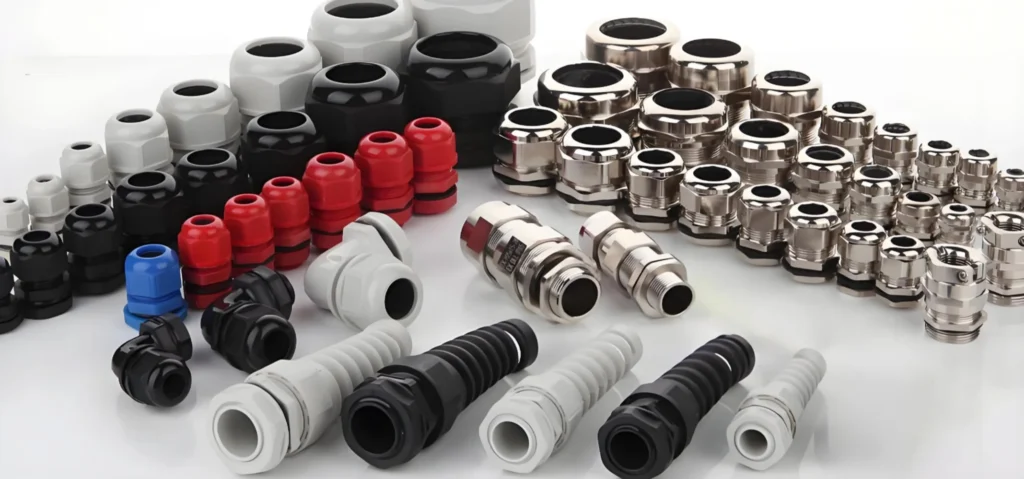
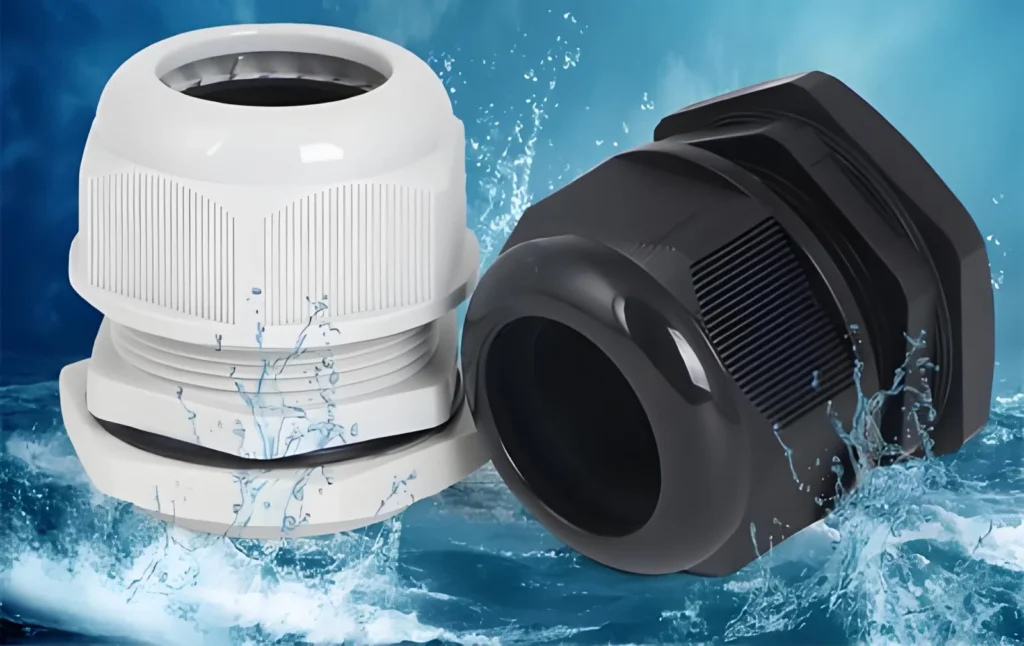
Selecting the correct cable gland size requires a clear understanding of the thread standards used globally. Cable glands secure and protect electrical cables where they enter enclosures, and their threads must perfectly match the junction box or equipment port to ensure a safe, secure, and sealed connection. The three primary thread types dominating the electrical industry are Metric (M), PG, and NPT.
What is a Metric (M) Cable Gland Thread?
Metric threads are the global standard for electrical installations, widely mandated across Europe and international markets through IEC standards. Identified by the letter “M” followed by a number (such as an m20 cable gland), the number represents the major outer diameter of the thread in millimeters.
Thread Profile: Features a cylindrical, straight thread design with a 60-degree flank angle.
Pitch: Measured in millimeters per thread (commonly 1.5mm pitch for standard electrical glands).
Sealing: Relies on an O-ring or washer against the enclosure surface to achieve a waterproof cable gland seal.
What is a PG Cable Gland Thread?
PG stands for Panzergewinde (also known as Steel Conduit Thread), a historical German standard regulated by DIN 40430. While technically superseded by Metric standards in newer European regulations, pg cable glands remain highly prevalent in industrial machinery, maintenance, and heavy duty replacement parts worldwide.
Thread Profile: Features a shallower 80-degree flank angle and a shorter thread depth compared to Metric.
Sizing System: Identified by standard sizes like cable gland pg 7, PG 9, PG 11, up to PG 48.
Characteristics: Space-saving design due to the thin wall depth required for the thread profile.
What is an NPT Cable Gland Thread?
National Pipe Tapered (NPT) threads are the dominant standard across North America for electrical conduits and enclosures. Unlike Metric and PG styles, an npt cable gland utilizes a tapered design to achieve its fit.
Thread Profile: Tapered at an angle of 1° 47′ (1.78°) relative to the central axis, with a 60-degree flank angle.
Sizing System: Measured in nominal inches, with common sizes including the 1 2 npt cable gland and 3/4″ NPT.
Sealing Mechanism: Joins tightly via metal-to-metal wedging as the gland is threaded into the hub, though thread sealant or tape is frequently applied to ensure a completely airtight and watertight barrier.
Key Differences Between Metric, PG, and NPT Threads
Choosing the right cable gland size requires understanding how different thread types lock together. Metric, PG, and NPT threads are not interchangeable because they use completely different measurement systems, thread pitches, and angles. Using the wrong thread type compromises your enclosure’s seal and risks damaging your equipment.
Thread Pitch and Angle Variations
The main differences lie in the thread pitch (the distance between threads) and the flank angle. Metric glands and PG cable glands feature straight (parallel) threads that require an O-ring or gasket to create a waterproof seal. NPT cable glands use tapered threads that compress as they are screwed into a joint, creating a tight, metal-to-metal or plastic-to-plastic seal on their own.
Thread Type
Thread Style
Flank Angle
Measurement Unit
Metric (M)
Straight (Parallel)
60°
Millimeters (mm)
PG
Straight (Parallel)
80°
German DIN Standard
NPT
Tapered (1:16 taper)
60°
Inches (in)
Regional Standards and Industrial Origins
Different parts of the world favor specific electrical cable gland types based on historical engineering standards:
Metric (M): The current global standard. Most modern machinery, automation systems, and European equipment use metric sizes like the m20 cable gland.
PG (Panzergewinde): A legacy German standard heavily used in older European machinery and heavy industrial automation. While newer designs favor metric, cable gland pg sizes remain highly relevant for maintenance and replacement parts.
NPT (National Pipe Tapered): The standard across North America. If you are working on industrial piping, electrical conduits, or enclosures in the US or Canada, you will consistently run into the 1 2 npt cable gland and other standard American sizes.
Compatibility and Thread Conversion
You cannot directly screw a metric gland into an NPT or PG hole. Forced installation will strip the threads and ruin the IP rating of your enclosure.
If you are dealing with mismatched equipment—such as installing a European metric-threaded sensor into a US-standard NPT enclosure—you must use specialized thread adapters or reducers to bridge the gap securely. For custom setups or to source the exact parts needed to adapt your systems safely, you can always contact us directly for expert routing and component sourcing.
Comprehensive PG vs Metric vs NPT Cable Gland Size Chart
Selecting the correct cable gland size is critical to maintaining a secure, weatherproof seal around your wiring. Because different regions and industries utilize distinct thread standards, having a clear reference chart prevents costly sizing mistakes during installation. Below is the ultimate electrical cable gland size chart breakdown, covering Metric, PG, and NPT standards alongside their respective cable gland dimensions and clamping ranges.
Metric (M) Cable Gland Sizing and Clamping Ranges
Metric threads are the global standard for most modern electrical installations. Identified by the letter “M” followed by the major diameter in millimeters, these metric cable glands feature a straight thread profile and require an O-ring for a true waterproof seal.
Gland Size
Typical Cable Diameter Range (mm)
Common Applications
M12 cable gland
3 – 6.5
Small sensors, LED lighting, instrumentation
M20 cable gland
6 – 12
Standard power cables, junction boxes
M25 cable gland
9 – 16
Industrial machinery, commercial wiring
M32 cable gland
15 – 21
Heavy-duty power distribution
M40 cable gland
19 – 28
Distribution boards, large control panels
M50 cable gland
27 – 35
High-current industrial feeds
M63 cable gland
32 – 42
Main supply cables, heavy infrastructure
metric cable gland size chart
Pro Tip: The m20 cable gland is the most widely used size for standard domestic and light industrial electrical enclosures.
PG Cable Gland Sizing and Clamping Ranges
Originally a German standard (Panzergewinde), PG threads are still heavily utilized in European machinery and automation systems. A cable gland pg size chart relies on a unique numbering system rather than direct millimeter measurements, utilizing a shallower thread profile.
PG Type
Cable OD Range (mm)
Thread OD (mm)
Thread Length (mm)
Nut Across Flats (mm)
PG-7
3-6.5
12.5
9
18/16
PG-9
4-8
15.2
10
22/19
PG-11
5-10
18.6
9
24/22
PG-13.5
6-11
20.4
10
27/24
PG-16
10-13
22.5
10
29/27
PG-19
11-15
24
10
30/28
PG-21
13-18
28.3
12
35/33
PG-25
16-21
30
12
37/35
PG-29
18-25
37
12
45/42
PG-36
22-32
47
15
58/52
PG-42
32-38
54
18
61/56
PG-48
37-44
59.3
18
69/63
PG-63
42-50
71
29
81/76
cable gland pg size chart
Our heavy-duty pg cable gland range, including the compact cable gland pg 7, pairs exceptionally well with robust wire management setups, ensuring your internal wiring remains bundled securely without straining the entry point.
NPT Cable Gland Sizing and Clamping Ranges
Dominant in North America, National Pipe Thread (NPT) standards feature a tapered design. Unlike straight threads, an npt cable gland creates a seal through the wedging action of the threads themselves, though thread sealant or tape is recommended for optimal moisture protection.
NPT Thread Size
Common Cable Diameter Range (mm)
Common Cable Diameter Range (inches)
3/8” NPT
6.0 – 10.0 mm
0.24” – 0.39”
1/2” NPT(1/2 inch npt cable gland)
8.0 – 14.0 mm
0.31” – 0.55”
3/4” NPT
12.0 – 18.0 mm
0.47” – 0.71”
1” NPT(1 npt cable gland)
18.0 – 25.0 mm
0.71” – 0.98”
1 1/4” NPT
24.0 – 32.0 mm
0.94” – 1.26”
1 1/2” NPT
22.0 – 32.0 mm
0.87” – 1.26”
npt cable gland size chart
When setting up outdoor junction boxes, choosing a certified 1 2 npt cable gland guarantees a reliable, waterproof cable gland interface that withstands harsh environmental shifts.
How to Choose the Right Cable Gland Thread Type
Choosing the correct cable gland size and thread type ensures your electrical enclosures remain completely sealed, safe, and functional. Matching the hardware to your specific operational environment prevents stripped threads, loose fits, and compromised seals.
Matching Thread Type to Industry and Application
Different industries rely on specific cable gland types based on historical regional standards and safety regulations. Selecting the right match prevents installation delays and system failures.
Industry / Application
Recommended Thread Type
Key Reason
European Automation & Machinery
Metric (M)
Current standard for most global and European industrial equipment.
North American Oil & Gas, Heavy Industrial
NPT
Tapered threads provide a deep, pressurized, explosion-proof seal.
Telecommunications & Legacy European Systems
PG
Still widely used in older European infrastructure and marine electronics.
Enclosure Material Compatibility Considerations
The material of your junction box or distribution panel dictates how you should select and install your electrical cable gland types.
Metal Enclosures (Stainless Steel, Aluminum, Cast Iron): Always match the metal type to prevent galvanic corrosion. Heavy-duty metal enclosures typically feature pre-tapped holes, requiring an exact match for metric cable glands or NPT sizes.
Plastic/Plastic-Composite Enclosures: These often utilize clearance holes rather than threaded entries. You can secure a waterproof cable gland using a matching locknut on the inside of the enclosure wall.
Organizing Internal Wiring: When routing your cables inside the enclosure after securing the gland, using clean spiral wrap tubing helps protect individual conductors from sharp chassis edges and maintains a professional layout.
Future-Proofing Your Electrical System
Standardizing your inventory saves time and money. While older systems still feature cable gland pg size layouts, modern global supply chains heavily favor Metric standards.
When designing new systems or upgrading older installations, standardizing on metric sizes like the m20 cable gland is the smartest move. It simplifies your spare parts inventory, ensures easier sourcing from global cable gland manufacturers, and guarantees compliance with updating international electrical codes.
Installation and Maintenance Best Practices for Your Cable Gland Size
Getting the right cable gland size is only half the battle. If the installation is rushed or improper, even the highest-quality waterproof cable gland will fail to protect your electrical system. Let’s look at the exact procedures required to secure your connections and keep moisture out.
Correct Mounting Procedures for Tapered vs. Straight Threads
The mounting technique changes entirely depending on the electrical cable gland types you deploy:
Straight Threads (Metric and PG): These threads do not create a seal on their own. You must use a high-quality O-ring or sealing washer against the enclosure wall, then secure it tightly from the inside using a matching locknut.
Tapered Threads (NPT): An npt cable gland seals by metal-to-metal binding as the threads tighten. You must use thread sealant or PTFE tape on the male threads to prevent leaks and galling. No locknut is required if threading directly into a tapped enclosure hole.
Ensuring Proper IP Protection Ratings
To maintain a dust-tight, waterproof seal (such as IP68 ratings) for your cable and gland size combination, pay close attention to the outer jacket of your cable.
Check the Clamping Range: Ensure your actual cable diameter sits comfortably in the middle of the cable gland dimensions chart spec—never at the absolute minimum or maximum limit.
Torque It Right: Tighten the dome nut until the internal sealing insert fully compresses around the cable. Under-tightening allows water ingress, while over-tightening crushes the cable jacket, causing shorts.
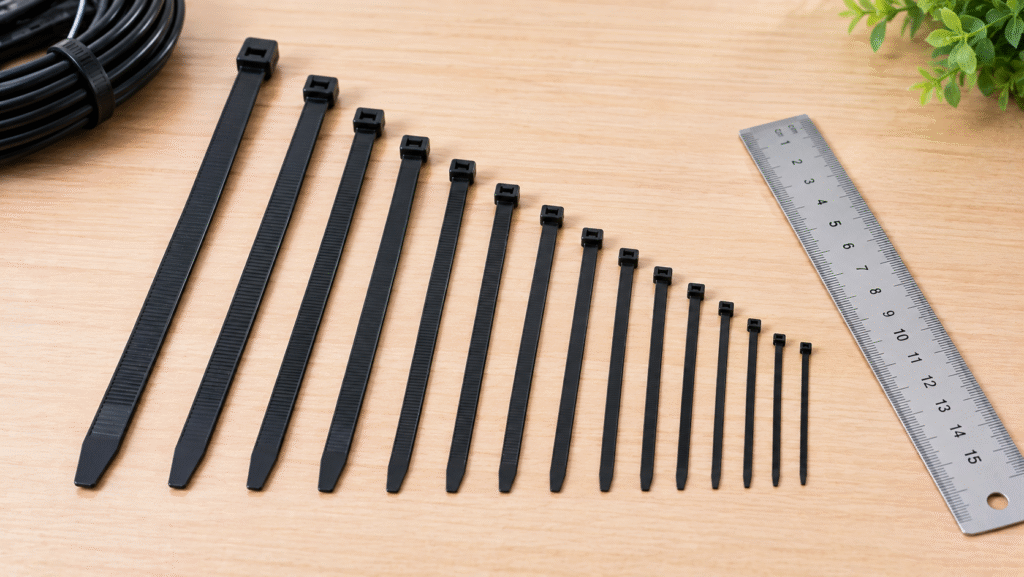
Secure the Enclosure Entry: Ensure the surface around the entry hole is clean, flat, and free of burrs so the sealing washer sits perfectly flush. For temporary wire bundling needs before final gland installation, using flexible options like beaded tie wraps can keep your workspace organized.
Common Mistakes to Avoid During Installation
Avoid these standard installation errors to ensure a long-lasting, safe electrical setup:
Stripping the Threads: Forcing a metric cable gland size into a PG or NPT hole will ruin the enclosure entry point instantly. Always verify thread compatibility before screwing them in.
Sharp Cable Bends: Never bend the cable sharply right as it exits the gland. This creates a gap in the seal over time. Use proper cable routing or layout planning to allow a straight run out of the dome nut.
Incorrect Stripping Lengths: Do not strip the outer cable jacket before it passes through the sealing insert. The gland must clamp onto the intact outer jacket, not the individual inner conductors.
Frequently Asked Questions
Can You Use Adapters Between Metric, PG, and NPT Threads?
Yes, you can absolutely use thread adapters and reducers to convert between different cable gland sizes. If your electrical enclosure has a pre-drilled PG hole but you are installing a standard metric cable gland, a simple adapter solves the problem. They allow seamless transitions between Metric, PG, and NPT cable gland styles without compromising the mechanical strength of the connection. However, always ensure the adapter matches the environmental rating of your system to maintain a proper seal.
Why Is the Industry Moving Toward Metric Standards?
The global market is steadily shifting toward metric standards to simplify international manufacturing and supply chains. While regional electrical cable gland types like PG (German) and NPT (American) are still widely used, the EN 50262 standard established metric threads as the global benchmark. Transitioning to standard metric cable glands like the common m20 cable gland reduces inventory confusion, standardizes drilling tools, and ensures easier compliance across international engineering projects.
How Do I Identify an Unknown Cable Gland Thread Type?
Identifying an unknown type of cable glands comes down to measuring the outer diameter and the thread pitch using a caliper and a thread gauge.NPT Threads: Look for a visible taper. The threads get narrower toward the end, and the size is based on nominal pipe dimensions (such as a 1 2 npt cable gland).Metric Threads: These are straight threads with a flat profile. The outer diameter in millimeters matches the size name (e.g., an M20 thread measures exactly 20mm).PG Threads: These are also straight but feature a shallower thread depth and a unique pitch angle, typical of older European equipment like a cable gland pg 7.Once you have the dimensions, simply cross-reference them with a standard cable gland size chart to find the exact match.
Are you tired of dealing with short circuits and ruined electronics because a seal failed? Knowing how waterproof are cable glands—and how to choose the right one—can be the difference between a flawless electrical system and a costly, water-logged disaster. In this guide, we are diving deep into the world of waterproof cable glands, decoding […]
When securing, organizing, or reinforcing items, choosing the right zip tie can make all the difference. Nylon and zip ties metal are two powerhouse fasteners with distinct strengths tailored to diverse applications. Nylon ties, celebrated for their affordability and flexibility, dominate everyday tasks like cable management and retail displays. In contrast, stainless steel or aluminum […]
Are All Zip Ties the Same Width? No, zip ties are not all the same width. Cable ties are engineered across a wide dimensional spectrum to handle varying mechanical loads, bundle sizes, and environmental stresses. Widths typically range from 2.5 mm (0.10 inches) for miniature electronics ties up to 12.0 mm (0.47 inches) or wider […]
We use cookies to enhance your browsing experience, serve personalised ads or content, and analyse our traffic. By clicking "Accept All", you consent to our use of cookies.
Looking For High Quality Nylon Cable Ties At A Great Price?
Order now to experience cost-effective cable tie products that provide convenience and protection for your work and life.


 EN
EN  AR
AR  ES
ES  PT
PT  FR
FR  RU
RU  DE
DE  KO
KO  JA
JA  IT
IT  NL
NL  TR
TR