Cable ties, also known as zip ties, are versatile fasteners used in various applications, from organizing computer cables to securing industrial equipment. One crucial aspect of cable tie performance is their ability to withstand heat.
This article explores the factors affecting cable tie melting points and provides insights into choosing the right ties for different temperature environments.
Factors Affecting Cable Tie Melting Point
The melting point of a cable tie depends on several factors, primarily its material composition. Most standard cable ties are made from nylon 6/6, a durable and flexible polymer. However, the addition of various stabilizers and additives during the manufacturing process can significantly impact the cable tie’s heat resistance.
Environmental factors also play a role in a cable tie’s performance and melting point. Exposure to UV radiation, chemicals, and moisture can degrade the material over time, reducing its ability to withstand high temperatures.
Common Cable Tie Materials and Their Melting Points
Nylon 6/6 Cable Ties
Standard nylon 6/6 cable ties are the most common and economical option. They have an operating temperature range of -40°C to 85°C (-40°F to 185°F) and a melting point of around 265°C (509°F). While suitable for most general-purpose applications, they may not be ideal for high-temperature environments.
Heat-Stabilized Nylon Cable Ties
Heat-stabilized nylon cable ties are designed to withstand higher temperatures than standard nylon ties. They can typically handle continuous operating temperatures up to 135°C (275°F). These cable ties are a good choice for applications with moderate heat exposure.
Fascette per cavi in acciaio inossidabile
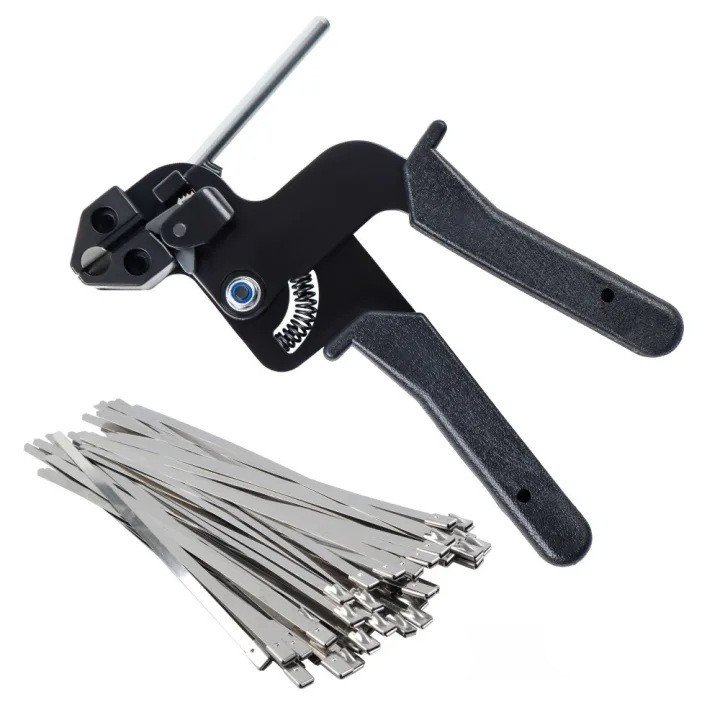
For extreme temperature applications, stainless steel cable ties are an excellent option. They have an operating range of -80°C to 538°C (-112°F to 1000°F) and are fire-resistant. Stainless steel cable ties have a very high melting point, making them suitable for use in high-temperature industrial environments, such as automotive and aerospace applications.
Other High-Temperature Materials
For specialized applications, cable ties made from advanced materials are available:
PEEK (Polyetheretherketone) cable ties can withstand temperatures up to 260°C (500°F).
Tefzel (ETFE) cable ties offer resistance to chemicals and radiation, with an operating range of -80°C to 180°C.
Importance of Proper Cable Tie Selection
Selecting the appropriate cable tie for your application is crucial to ensure reliable performance and safety. Always match the cable tie’s temperature rating to the expected environmental conditions. Consider not only the ambient temperature but also potential exposure to UV radiation, chemicals, and moisture.
When in doubt, consult with cable tie manufacturers or suppliers for specific recommendations based on your application requirements. They can provide guidance on the most suitable material, size, and tensile strength for your needs.
cURL Too many subrequests by single Worker invocation. To configure this limit, refer to https://developers.cloudflare.com/workers/wrangler/configuration/#limits
Understanding the heat resistance and melting points of various cable tie materials is essential for selecting the right fastener for your application. While standard nylon 6/6 cable ties are suitable for most general-purpose use, high-temperature environments may require heat-stabilized nylon, stainless steel, or other specialized materials like PEEK or Tefzel.
By properly selecting cable ties based on their material properties and expected environmental conditions, you can ensure a safe, reliable, and long-lasting installation. Always refer to manufacturer specifications and recommendations when choosing cable ties for high-temperature applications.
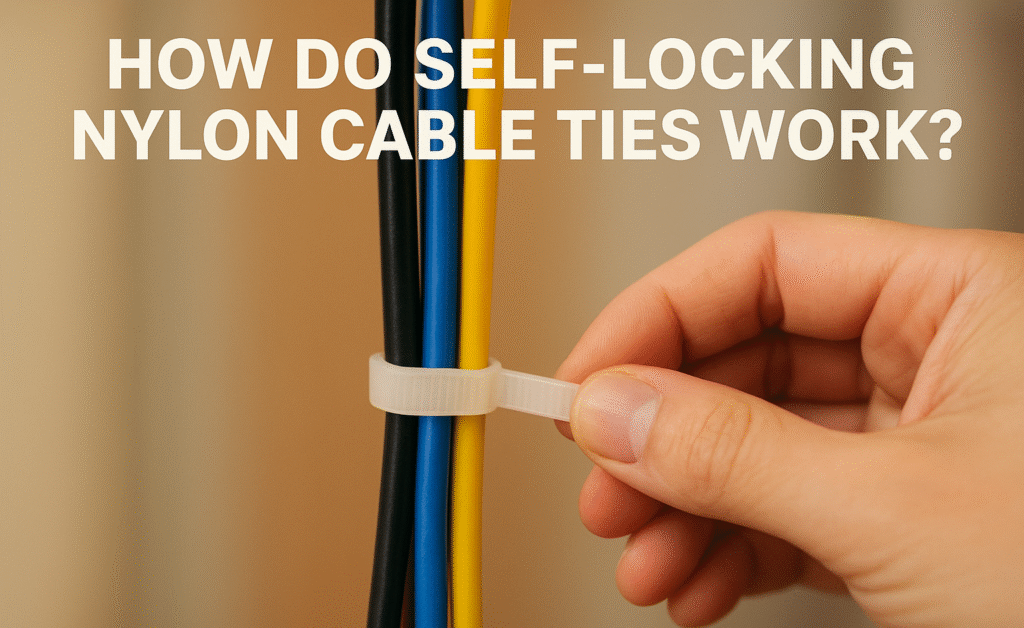
Introduction Nylon self locking cable tie, also known as self locking zip ties, is a practical tool widely used in both daily life and industrial environments. Whether organizing household appliance wires or managing cables in large industrial equipment, it plays a crucial role. With the continuous progress of industrial technology, nylon self locking cable ties […]
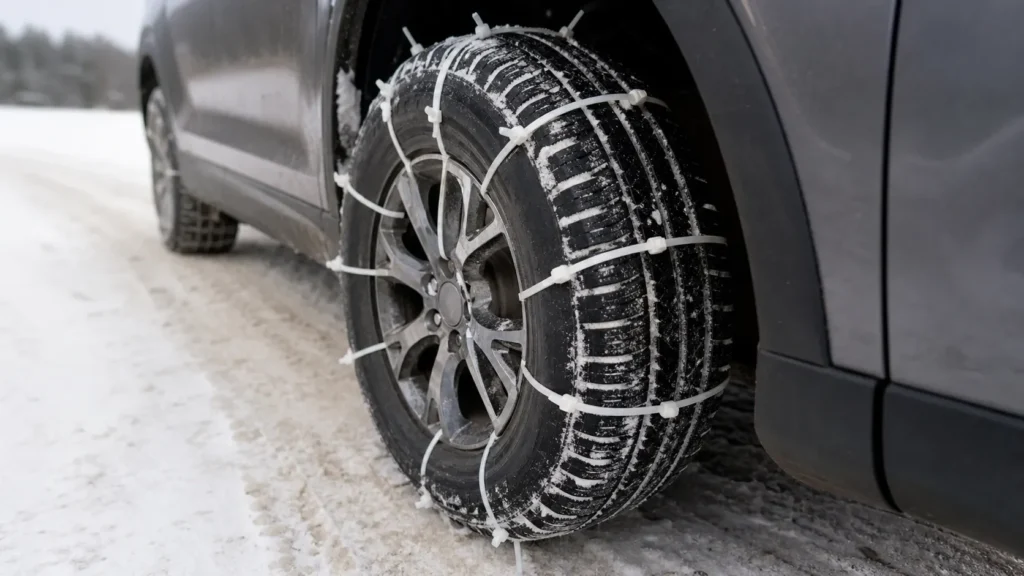
What Are Plastic Snow Chains and How Do They Work? Zip tie snow chains are lightweight, emergency traction aids engineered from high-tensile nylon polymers. Designed as a rapid-response alternative to heavy steel chains, these specialized cable ties wrap directly around the tire tread through the wheel rims, providing instant bite on slippery, snow-covered roads. Understanding […]
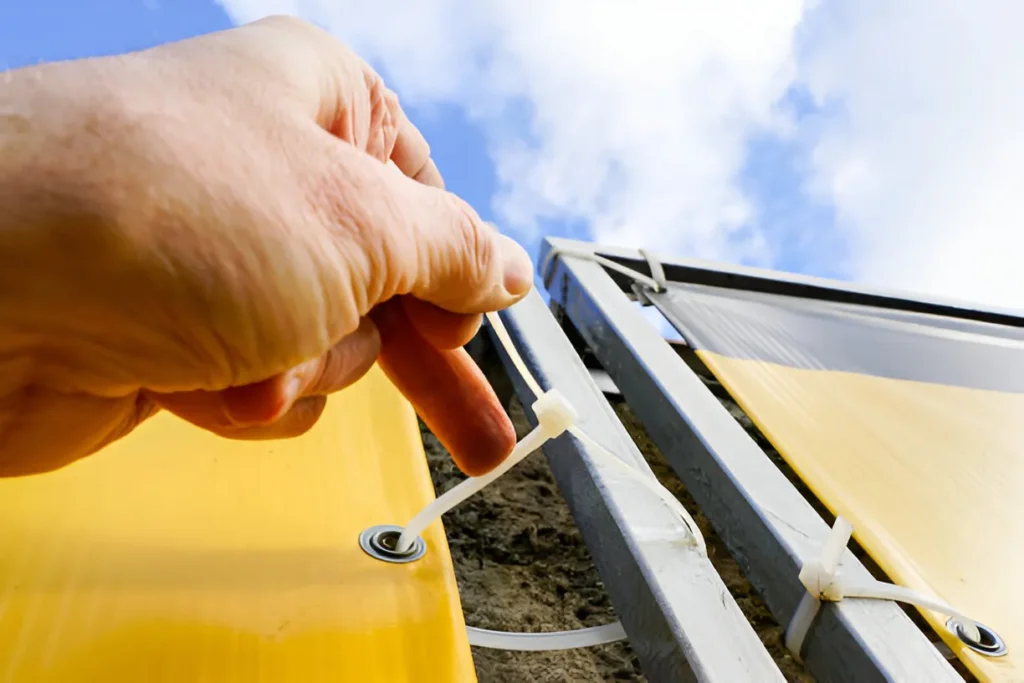
In modern domestic and industrial environments, the role of nylon cable ties cannot be underestimated. This seemingly simple tool is widely used in wire management, gardening, mechanical maintenance and even bundling of daily items due to its economical and practical use. However, when faced with the dazzling array of nylon cable tie choices on the […]
Utilizziamo i cookie per migliorare la tua esperienza di navigazione, offrire annunci o contenuti personalizzati e analizzare il nostro traffico. Cliccando su "Accetta tutto", acconsenti al nostro utilizzo dei cookie.
Cerchi fascette in nylon di alta qualità a un ottimo prezzo?
Ordina ora per provare prodotti di fascette convenienti che offrono praticità e protezione per il tuo lavoro e la tua vita.


 IT
IT  EN
EN  AR
AR  ES
ES  PT
PT  FR
FR  RU
RU  DE
DE  KO
KO  JA
JA