Zip ties (also known as cable ties, tie wraps, tie wire, zap straps) are one of the most common and practical bundling tools in modern life. But who invented zip ties? This article will take you through the complete story—from zip ties history, the invention process, patent application, to their lasting impact.
What Are Zip Ties?
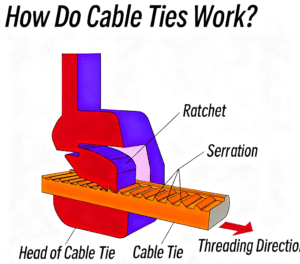
Zipties are a common type of fastener, usually made of durable materials such as nylon. They consist of a toothed strap and a locking ratchet head. When the strap is threaded through the head and pulled, it locks tightly in place. Widely used for bundling wires, cables, or other items, their simple and efficient design improves work efficiency while ensuring neat and secure fastening. They are highly practical in electronics, engineering wiring, and everyday organization.
The Importance of This Invention
This period coincided with the Cold War, when the “space race” was in full swing. Not only did aircraft production increase significantly, but missiles, satellites, and spacecraft were also being designed and manufactured in large quantities. All of these devices required massive and complex cabling. Multiple factors made cable installation and management increasingly common and important. Before tie wire was invented, aircraft cables were usually fixed with nylon braided cords and secured by manual knots. This method was inefficient and unsafe. Tie wire was invented against this backdrop of necessity.
Who Invented the Zip Tie?
The ziptie was invented in the 1950s by Maurus C. Logan, an engineer at Thomas & Betts. Inspired during his 1956 visit to a Boeing aircraft factory, Logan began experimenting with different designs and materials. On June 24, 1958, he filed a patent for cable zip ties. The earliest Ty-Rap ties used a metal tooth structure, but later versions transitioned to all nylon designs, which were lighter and easier to produce. Logan’s design replaced the time consuming method of using waxed cords and knots in aircraft assembly. (Source: Thomas & Betts / ABB, Wikipedia)
How do zip ties work?The first invention was self locking zip ties, consisting of three main parts: the head, strap, and tail. The strap is a flexible nylon band with angled teeth, which lock into the ratchet mechanism inside the head when inserted. Over time, more variations were developed: adjustable zip ties (with a release button), zip tie tags (with labeling plates), push mount cable ties (for automotive wiring), cable ties metal (for harsh environments), and specialized cable ties with features such as UV resistant, chemical resistant, metal detectability, low temperature resistant, and high temperature resistant.
Impact and Cultural Significance
In some markets, Ty-Rap® even became a generic term, similar to “Xerox” or “Kleenex.” Over time, zip ties expanded far beyond aerospace and are now widely used in construction, automotive, agriculture, nuclear power, marine, and decorative industries. Their affordability, ease of use, and secure fastening have made them universally popular.
Controversies and Considerations
Zip ties have also been used in controversial or legally sensitive contexts—for example, as temporary restraints known as handcuff zip tie. Additionally, plastic zip ties contribute to environmental pollution due to their non biodegradability and low recycling rate. Manufacturers are now researching biodegradable alternatives to replace traditional plastic cable zip ties.
Conclusion
The story of Maurus C. Logan’s invention of cable ties began with an observation at a Boeing factory. What seemed like a simple innovation went on to revolutionize global wiring and bundling practices, becoming a classic example of problem driven engineering innovation. Although modern cable ties have undergone numerous upgrades in materials and forms, their fundamental mechanism the clever and efficient ratchet locking system still carries forward Logan’s original design essence.
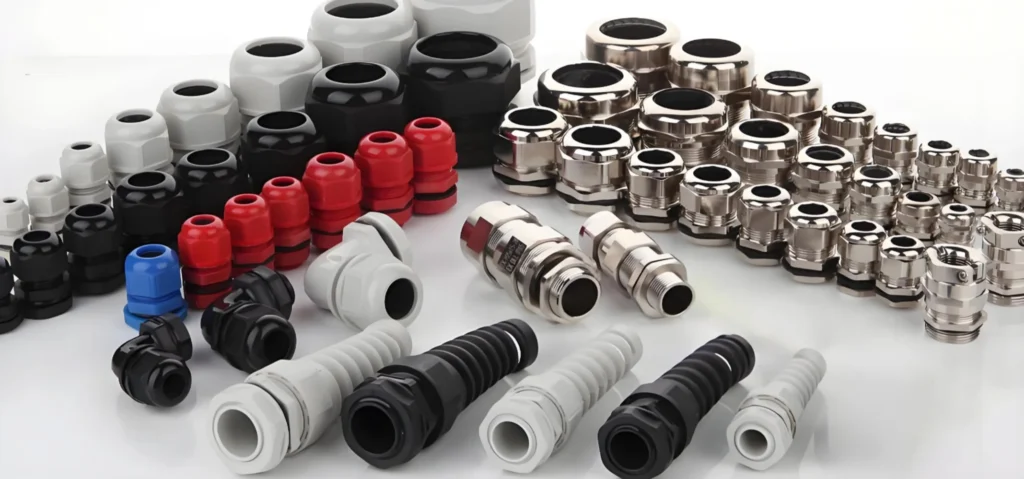
Understanding Cable Gland Threads: Metric (M), PG, and NPT Selecting the correct cable gland size requires a clear understanding of the thread standards used globally. Cable glands secure and protect electrical cables where they enter enclosures, and their threads must perfectly match the junction box or equipment port to ensure a safe, secure, and sealed […]
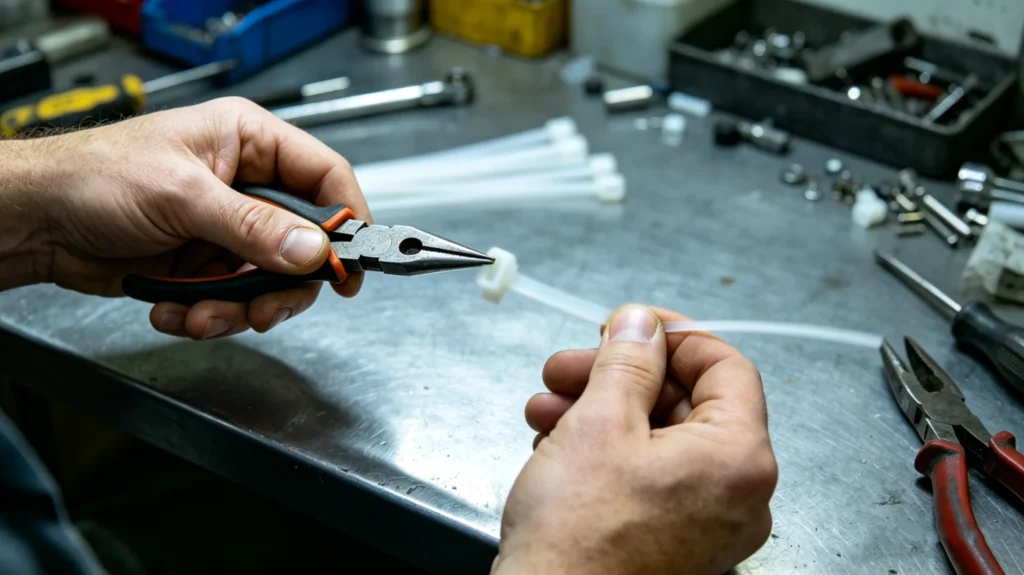
Understanding Self-Locking Plastic Zip Ties Whether you are securing wires in a server room or organizing cables at home, the plastic zip tie is an essential tool. Made predominantly from durable nylon, these fasteners offer incredible tensile strength and reliability. Understanding how these self locking zip ties function is the first step to mastering how […]
We use cookies to enhance your browsing experience, serve personalised ads or content, and analyse our traffic. By clicking "Accept All", you consent to our use of cookies.
Looking For High Quality Nylon Cable Ties At A Great Price?
Order now to experience cost-effective cable tie products that provide convenience and protection for your work and life.



 EN
EN  AR
AR  ES
ES  PT
PT  FR
FR  RU
RU  DE
DE  KO
KO  JA
JA  IT
IT  NL
NL