
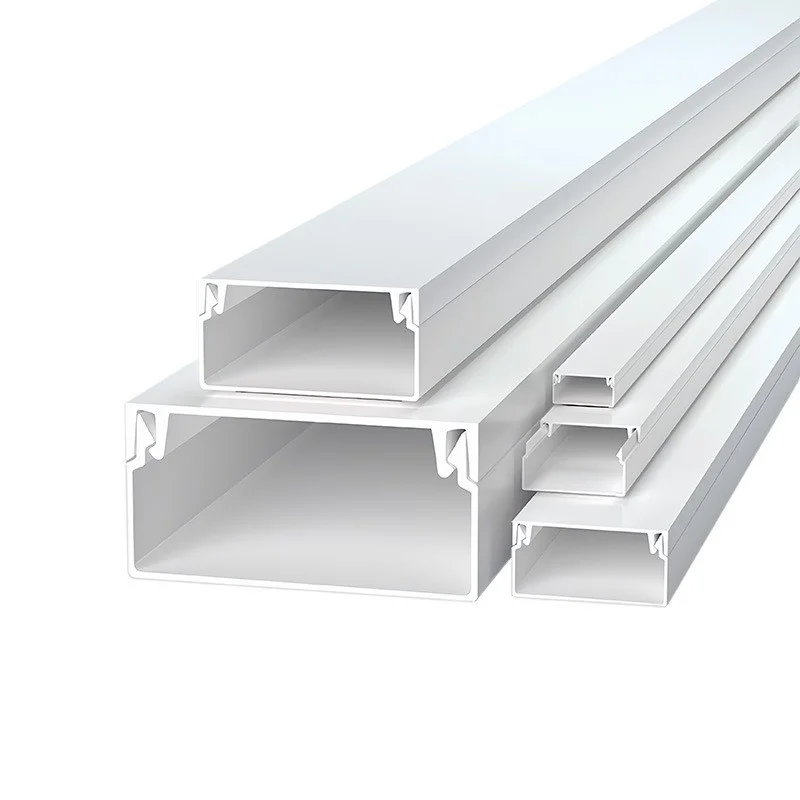
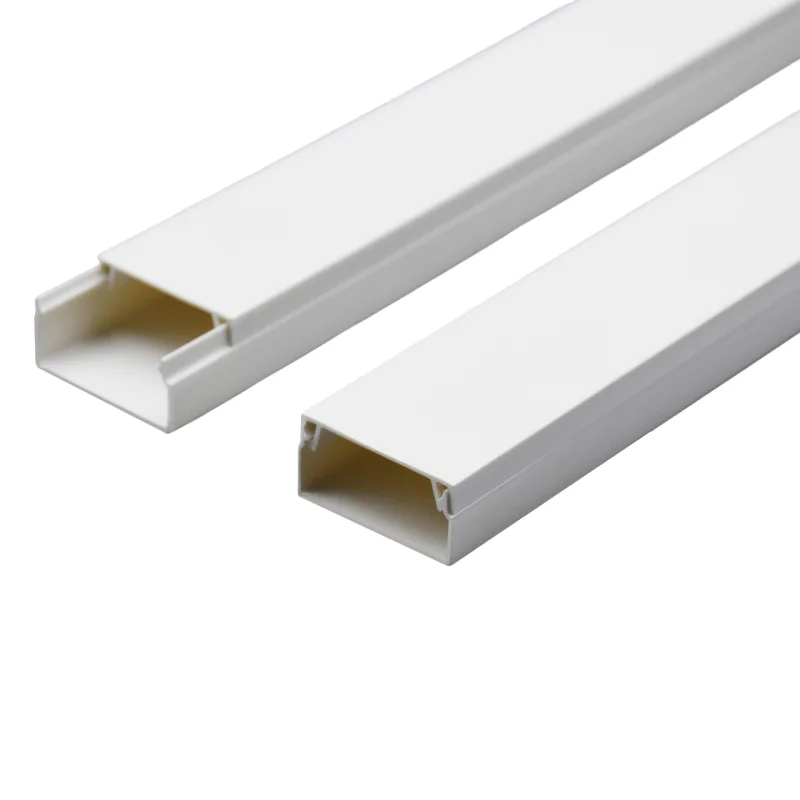



What is Pvc Solid Wall Wire Duct?
Definition and Primary Functions
A solid wall wire duct is a rigid, enclosed channel designed to organize and safeguard electrical wiring within control panels, data centers, and industrial machinery. Unlike open-tray systems, this pvc wire duct features continuous, solid sides that provide a fully enclosed pathway for cables. Its primary functions include:
- Total Cable Protection: Shielding sensitive wires from external debris, dust, and physical damage.
- Organized Routing: Creating a clean, professional aesthetic for complex wiring layouts.
- Security: Preventing unauthorized tampering or accidental disconnection of critical circuits.
Material Advantages of Rigid PVC
Our pvc wiring duct is manufactured from high-grade, rigid polyvinyl chloride (PVC), a material selected for its exceptional performance in demanding environments.
- Non-Conductive: Inherently insulating, reducing the risk of electrical shorts or grounding issues.
- Chemical Resistance: Withstands exposure to oils, acids, and common industrial solvents found in factory settings.
- Durability: High impact strength ensures the solid wall duct maintains its structural integrity even under heavy cable loads.
- Flame Retardancy: Rigid PVC is self-extinguishing, ensuring compliance with critical fire safety protocols.
Solid Wall vs. Slotted Wall Wiring Ducts
Choosing the correct wire ducting depends on the specific needs of your cable management architecture:
- Solid Wall Duct: Best for long, continuous cable runs where maximum protection is required. It prevents dust accumulation and provides a sleeker, more finished appearance for visible installations.
- Slotted Wall Duct: Features side “fingers” or slots that allow wires to exit at any point along the run, making it ideal for complex panels with multiple termination points.
- Application Focus: Use solid cable duct when cable integrity and environmental sealing are the top priorities, particularly in areas prone to high dust or moisture.
Key Features and Benefits
We design our solid wire duct to be a fortress for your electrical systems. Unlike open-slot versions, the solid wall construction offers a level of durability and enclosure that handles tough industrial environments without breaking a sweat.
Enhanced Mechanical Protection for Cables
The primary job of a solid wall wire duct is to act as a heavy-duty physical barrier. It prevents cables from being crushed, kinked, or abraded by external machinery, tools, or accidental impact. When your project demands high-level cable protection, this rigid PVC housing ensures your wiring stays intact and functional for years. To keep everything organized before closing the duct, many installers use plastic zip ties to bundle wire groups securely.
Dust and Contaminant Prevention
In environments like woodworking shops, textile mills, or food processing plants, airborne particles are a constant threat. A pvc wiring duct with solid walls provides a sealed environment that keeps out:
- Fine dust and sawdust that can cause overheating.
- Oil mist and grease that degrade cable insulation.
- Chemical splashes in industrial wash-down areas.
- Metal shavings in machining centers.
Self-Extinguishing and Flame Retardant Properties
Safety is our priority. Our electrical wiring duct is manufactured from high-grade, rigid PVC that is inherently flame retardant. If an internal electrical fault occurs, the material is designed to be self-extinguishing, preventing the fire from traveling along the cable run and protecting the rest of your facility.
| Feature | Benefit |
|---|---|
| Solid Wall Design | Maximum protection against dust and moisture ingress. |
| Rigid PVC Build | High impact resistance and structural integrity. |
| Flame Retardant | Meets safety standards to reduce fire hazards. |
| Non-Corrosive | Resists acids, alkalis, and salt solutions. |
By choosing a solid wire duct, you are investing in a clean, professional-looking installation that minimizes maintenance and maximizes the lifespan of your critical wiring.
Technical Specifications and Standards
We design our solid wire duct systems to meet the rigorous demands of modern electrical engineering. Accuracy in sizing and material stability ensures that your cable management setup remains reliable over the long term.
Common Dimensions and Size Charts
Selecting the right pvc wire duct sizes is the first step in any professional installation. We provide a variety of dimensions to accommodate different cable volumes, ensuring you never have to force wires into a space that is too small.
| Width (mm) | Height (mm) | Best For |
|---|---|---|
| 25 | 25 | Compact control panels and limited spaces |
| 40 | 40 | Standard industrial automation wiring |
| 60 | 80 | High-density data and communication cables |
| 100 | 100 | Main power distribution and heavy trunking |
Operating Temperature Ranges
Our solid wall wire duct is engineered to perform in diverse climates and industrial environments. The rigid PVC material maintains its structural integrity across a broad temperature spectrum:
- Continuous Operating Temperature: -40°C to +85°C (-40°F to 185°F).
- Vicat Softening Point: Approximately 86°C.
- Cold Impact Strength: Retains flexibility even in sub-zero conditions, preventing cracking during winter installations.
Main Types of PVC Solid Wire Ducts
Choosing the right solid wire duct depends on how often you need to access your cables and the environment where they are installed. We offer several configurations to ensure your cable protection is both functional and durable.
Standard Snap-On Cover Ducts
The standard pvc wiring duct features a separate base and cover. The wiring duct covers snap firmly into place, creating a flush, professional finish. This design is perfect for permanent installations where cables are rarely moved. It provides a tight seal against dust, keeping your electrical wiring duct interior clean and protected from external contaminants.
Hinged Cover Wiring Duct Designs
For panels that require frequent upgrades or troubleshooting, hinged wire ducts are the superior choice. The cover is integrated with the base, so it swings open without being detached. This prevents lost covers in complex machinery setups and speeds up the maintenance process significantly. It is the go-to solid wall duct for high-density wiring environments.
Adhesive-Backed vs. Bolt-On Mounting Options
How you secure your plastic wire duct matters for long-term stability. We provide options tailored to different surface types and load requirements.
- Adhesive-Backed: Features a high-bond tape on the back for “peel and stick” installation. It’s ideal for quick fixes or mounting on glass and finished metal where drilling isn’t an option.
- Bolt-On: These come with pre-punched mounting holes. We recommend this for industrial environments where vibration is common. For long runs, using a cable fish tape helps navigate wires through the solid wall wire duct efficiently after it is bolted down.
| Mounting Type | Best For | Strength | Installation Speed |
|---|---|---|---|
| Adhesive | Light cables, smooth surfaces | Medium | Very Fast |
| Bolt-On | Heavy bundles, industrial panels | High | Moderate |
| Magnetic | Temporary setups on steel | Low | Fast |
Our pvc cable duct range is designed to handle everything from simple office wire management to complex industrial control systems. By selecting the correct mounting and cover style, you ensure a clean, organized, and safe electrical environment.
Industrial and Commercial Applications
We find that solid wire duct is the go-to solution for environments where maximum cable protection is non-negotiable. Unlike slotted versions, the solid wall design creates a fully enclosed channel that shields sensitive wiring from external threats. Whether it is a high-traffic factory floor or a sterile data room, these ducts provide the structural integrity needed to keep systems running without interruption.
Industrial Control Panel Wiring
In heavy-duty industrial settings, we use solid wall wire duct to organize complex control panel layouts. These panels often face exposure to dust, debris, and occasional splashes of oil or chemicals. The solid construction ensures that no contaminants reach the internal wiring. For installations in demanding environments, we often pair these ducts with weather and UV resistant nylon cable ties to secure internal bundles before snapping the covers into place, ensuring a vibration-resistant setup.
Data Center and Communication Closet Management
Data centers rely on pvc wiring duct to manage high-density fiber optic and copper cabling. In these environments, protecting the bend radius and preventing dust accumulation are critical for signal integrity.
- Physical Security: Prevents accidental disconnection or tampering in shared rack spaces.
- Airflow Management: Enclosed ducts help direct airflow more efficiently by preventing cable “spaghetti” from blocking cooling paths.
- Organization: Clearly defines cable pathways for backbone runs and vertical transitions.
High-Visibility Commercial Installations
For commercial spaces like retail stores, offices, or labs, aesthetics matter as much as functionality. A solid wire duct offers a clean, streamlined appearance that blends into the architecture. When cables must be routed along walls or ceilings in public-facing areas, the smooth surface of the wiring duct covers provides a professional finish that hides messy bundles. We prioritize these ducts in any installation where a “finished” look is required, as they effectively turn necessary electrical infrastructure into a discreet design element.
Installation and Mounting Guide
Required Tools for Cutting and Drilling
Getting a professional finish on your solid wire duct installation starts with the right gear. I always suggest using a specialized wire duct cutter to ensure clean, square ends without cracking the rigid PVC. Using the wrong tools can lead to jagged edges that might damage cable insulation over time.
- Measuring Tape & Marker: For precise layout planning.
- Fine-Tooth Saw or Duct Cutter: Essential for burr-free edges.
- Power Drill: Needed for creating mounting points if the duct isn’t pre-drilled.
- Deburring Tool: To smooth out any sharp plastic bits after cutting.
Step-by-Step Mounting Process
- Measure and Mark: Determine the exact length needed for your control panel or wall run.
- Cut the Duct: Use your cutter to slice through both the base and the cover. I find it’s best to cut them while snapped together to ensure the ends match perfectly.
- Prepare Mounting Holes: If the duct isn’t pre-slotted, drill holes in the base at regular intervals (typically every 10-12 inches).
- Fix the Base: Secure the pvc wiring duct to the surface using screws. For lighter, non-industrial applications, high-bond adhesive backing is a quick alternative.
- Cable Routing: Lay your wires into the channel. For managing individual wires that exit the duct toward specific components, circle cable clips are excellent for keeping those external leads organized and secure.
- Snap the Cover: Align the cover with the base and press firmly until it clicks into place.
Best Practices for Secure Cable Management
To maintain long-term cable protection, never exceed a 60% fill capacity. This prevents heat buildup and makes it much easier to snap the cover on without forcing it. I also recommend leaving a small gap between duct sections to allow for thermal expansion, especially in environments with fluctuating temperatures. Ensure the cover is fully seated along the entire length to prevent dust ingress. Properly installed wire ducting should feel rigid and provide a seamless, protected path for all your critical circuitry.
How to Select the Correct PVC Solid Wire Duct
Choosing the right solid wire duct is about more than just picking a box to hide cables. I focus on three main factors: capacity, aesthetics, and the environment where the duct will live. Getting these right ensures a long-lasting, professional installation.
Calculating Cable Fill Capacity
Never pack a pvc wire duct to its absolute limit. Overstuffing leads to heat buildup and makes it nearly impossible to add or move wires later. I recommend the “40% rule”—fill the duct to 40% of its cross-sectional area for new installs to allow for airflow and future expansion.
| Duct Size (W x H mm) | Total Cross-Section (mm²) | Recommended 40% Fill (mm²) |
|---|---|---|
| 25 x 25 | 625 | 250 |
| 40 x 40 | 1,600 | 640 |
| 60 x 60 | 3,600 | 1,440 |
| 100 x 100 | 10,000 | 4,000 |
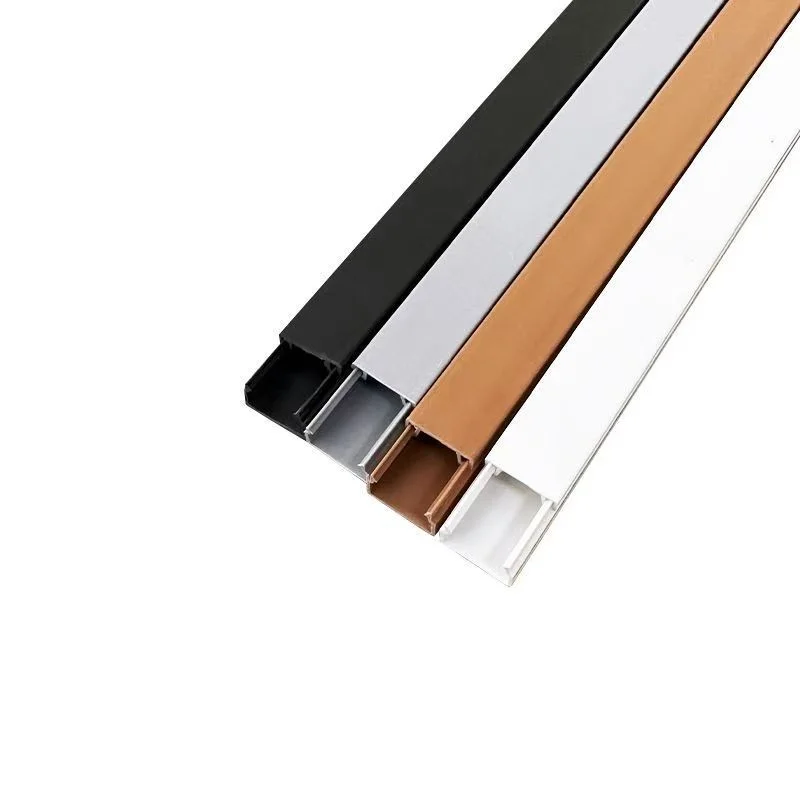
Selecting Color Options (Grey, White, Black)
The color of your pvc wiring duct should match the application standards of your industry:
- Grey: The universal standard for industrial electrical panels and factory floors.
- White: Often used in data centers, laboratories, or commercial offices for a cleaner, integrated look.
- Black: Popular in theater, stage lighting, or high-end server rooms where a black wire duct helps the infrastructure disappear into the background.
Environmental Considerations for Selection
Before finalizing your choice, evaluate the physical demands of the site. If you are managing heavy bundles, using industrial tie wraps inside the duct can prevent the weight of the cables from popping the cover off.
- Heat Resistance: Check the operating temperature range if the duct is near power supplies or heat-generating components.
- Chemical Exposure: Rigid PVC is excellent for resisting oils and common industrial solvents.
- UV Exposure: If the duct is near windows or outdoor-adjacent areas, ensure the material is UV-stabilized to prevent brittleness.
- Vibration: In high-vibration machinery, select a duct with a high-tension “snap-on” cover to ensure it stays locked in place.
Essential Accessories and Complementary Products
Duct Dividers and Wire Retainers
To get the most out of your solid wire duct, internal organization is key. Dividers allow you to run different voltage lines or separate sensitive data cables within the same pvc cable duct without interference. Wire retainers are a lifesaver during maintenance; they hold cables in place so they don’t spill out when you remove the wiring duct covers. For extra stability in vertical runs, I often use adhesive cable tie mounts to keep heavy bundles from shifting inside the channel.
Replacement Covers and End Caps
Covers can sometimes be misplaced or damaged during system retrofits. We provide matching solid wall duct covers that snap securely into place, maintaining the sleek look of your installation. End caps are equally vital for a professional finish; they seal the open ends of the electrical wiring duct, preventing dust, debris, and pests from entering the cable path.
Professional Duct Cutting Tools
Using the right tools makes a massive difference in the final quality of your work. A dedicated wire duct cutter is essential for achieving clean, 90-degree, burr-free edges. This isn’t just about looks—smooth edges prevent sharp plastic from nicking cable insulation over time. To keep everything tight and organized after cutting, I recommend using high-quality nylon cable ties to bundle your wires before snapping the cover shut.
- Duct Dividers: Create separate channels for power and data.
- Wire Retainers: Prevent “cable spill” during cover removal.
- End Caps: Provide a finished look and environmental sealing.
- Precision Cutters: Ensure clean edges for maximum safety.
 EN
EN  AR
AR  ES
ES  PT
PT  FR
FR  RU
RU  DE
DE  KO
KO  JA
JA  IT
IT  NL
NL