cURL Too many subrequests by single Worker invocation. To configure this limit, refer to https://developers.cloudflare.com/workers/wrangler/configuration/#limits
Ever wrapped a massive bundle of cables, pulled them tight by hand, and ended up with sore fingers and a jagged, sharp tail that’s just waiting to slice someone open?
There’s a better way.
Whether you are managing a massive industrial wiring overhaul or just trying to clean up a messy server rack, a zip tie gun is the ultimate secret weapon. It doesn’t just speed up your workflow; it guarantees consistent tension and delivers a perfectly flush cut every single time—saving your hands and your sanity.
But using one effectively requires a bit more than just pointing and squeezing.
In this complete guide, you’re going to learn exactly how to use a zip tie gun like a pro, how to choose between manual and automatic models, and the crucial safety steps to keep your workspace hazard-free.
Let’s dive right in.
What Is a Zip Tie Gun and How Does It Work?
A zip tie gun—also widely known as a cable tie gun or wire tie gun—is a specialized professional tool designed to streamline the process of bundling cables, wires, and hoses. Instead of manually pulling and cutting ties, which often leaves sharp edges and inconsistent tension, this tool automates the final securing steps. It is a staple in electrical, automotive, and industrial sectors globally, ensuring every installation meets strict professional standards.
Core Components of a Cable Tie Tool
Understanding the anatomy of a cable tie tool gun ensures proper operation and longevity. The tool consists of several heavy-duty components engineered for high-repetition environments:
Tension Adjustment Knob: Located at the base or rear, allowing users to preset the exact pulling force.
Trigger Mechanism: An ergonomic lever that tightens the tie with minimal hand effort.
Gripping Mechanism: Internal jaws that securely grasp the tail of the tie wrap gun.
Built-in Cutting Blade: A precision-ground steel blade that shears off the excess tail cleanly.
Ergonomic Handle: Non-slip grips designed to reduce user fatigue during extended use.
The Working Principle Behind Tensioning and Cutting
The operation of a zip ties gun relies on a mechanical advantage system that combines incremental tensioning with an automatic or manual flush-cut mechanism.
Phase
cURL Too many subrequests by single Worker invocation. To configure this limit, refer to https://developers.cloudflare.com/workers/wrangler/configuration/#limits
Mechanical Process
1. Tensioning
Squeezing the trigger
The internal jaws grip the tie tail and pull it backward, incremental stroke by stroke, until the preset tension limit is reached.
2. Lock-up
Reaching resistance
Once the binding resistance matches the dialed-in setting on the tool, the tensioning mechanism locks to prevent over-tightening.
3. Flush Cutting
pull or blade engagement
The integrated blade drives directly against the head of the cable tie, slicing the excess tail perfectly flush to eliminate sharp burrs.
Why Use a Zip Tie Gun?
Using a dedicated zip tie gun is a game-changer compared to tightening and cutting ties by hand. Whether managing a few wires or running massive production lines, a high-quality cable tie tool gun ensures professional results every time.
cURL Too many subrequests by single Worker invocation. To configure this limit, refer to https://developers.cloudflare.com/workers/wrangler/configuration/#limits
cURL Too many subrequests by single Worker invocation. To configure this limit, refer to https://developers.cloudflare.com/workers/wrangler/configuration/#limits
cURL Too many subrequests by single Worker invocation. To configure this limit, refer to https://developers.cloudflare.com/workers/wrangler/configuration/#limits cURL Too many subrequests by single Worker invocation. To configure this limit, refer to https://developers.cloudflare.com/workers/wrangler/configuration/#limits
cURL Too many subrequests by single Worker invocation. To configure this limit, refer to https://developers.cloudflare.com/workers/wrangler/configuration/#limits cURL Too many subrequests by single Worker invocation. To configure this limit, refer to https://developers.cloudflare.com/workers/wrangler/configuration/#limits
cURL Too many subrequests by single Worker invocation. To configure this limit, refer to https://developers.cloudflare.com/workers/wrangler/configuration/#limits cURL Too many subrequests by single Worker invocation. To configure this limit, refer to https://developers.cloudflare.com/workers/wrangler/configuration/#limits fascette stringicavo in plastica cURL Too many subrequests by single Worker invocation. To configure this limit, refer to https://developers.cloudflare.com/workers/wrangler/configuration/#limits
cURL Too many subrequests by single Worker invocation. To configure this limit, refer to https://developers.cloudflare.com/workers/wrangler/configuration/#limits
cURL Too many subrequests by single Worker invocation. To configure this limit, refer to https://developers.cloudflare.com/workers/wrangler/configuration/#limits
cURL Too many subrequests by single Worker invocation. To configure this limit, refer to https://developers.cloudflare.com/workers/wrangler/configuration/#limits cURL Too many subrequests by single Worker invocation. To configure this limit, refer to https://developers.cloudflare.com/workers/wrangler/configuration/#limits
cURL Too many subrequests by single Worker invocation. To configure this limit, refer to https://developers.cloudflare.com/workers/wrangler/configuration/#limits cURL Too many subrequests by single Worker invocation. To configure this limit, refer to https://developers.cloudflare.com/workers/wrangler/configuration/#limits
cURL Too many subrequests by single Worker invocation. To configure this limit, refer to https://developers.cloudflare.com/workers/wrangler/configuration/#limits cURL Too many subrequests by single Worker invocation. To configure this limit, refer to https://developers.cloudflare.com/workers/wrangler/configuration/#limits
cURL Too many subrequests by single Worker invocation. To configure this limit, refer to https://developers.cloudflare.com/workers/wrangler/configuration/#limits
cURL Too many subrequests by single Worker invocation. To configure this limit, refer to https://developers.cloudflare.com/workers/wrangler/configuration/#limits
cURL Too many subrequests by single Worker invocation. To configure this limit, refer to https://developers.cloudflare.com/workers/wrangler/configuration/#limits A pistola per fascette cURL Too many subrequests by single Worker invocation. To configure this limit, refer to https://developers.cloudflare.com/workers/wrangler/configuration/#limits
cURL Too many subrequests by single Worker invocation. To configure this limit, refer to https://developers.cloudflare.com/workers/wrangler/configuration/#limits cURL Too many subrequests by single Worker invocation. To configure this limit, refer to https://developers.cloudflare.com/workers/wrangler/configuration/#limits
Professional Finish: cURL Too many subrequests by single Worker invocation. To configure this limit, refer to https://developers.cloudflare.com/workers/wrangler/configuration/#limits
cURL Too many subrequests by single Worker invocation. To configure this limit, refer to https://developers.cloudflare.com/workers/wrangler/configuration/#limits
cURL Too many subrequests by single Worker invocation. To configure this limit, refer to https://developers.cloudflare.com/workers/wrangler/configuration/#limits
cURL Too many subrequests by single Worker invocation. To configure this limit, refer to https://developers.cloudflare.com/workers/wrangler/configuration/#limits
cURL Too many subrequests by single Worker invocation. To configure this limit, refer to https://developers.cloudflare.com/workers/wrangler/configuration/#limits
cURL Too many subrequests by single Worker invocation. To configure this limit, refer to https://developers.cloudflare.com/workers/wrangler/configuration/#limits
cURL Too many subrequests by single Worker invocation. To configure this limit, refer to https://developers.cloudflare.com/workers/wrangler/configuration/#limits
cURL Too many subrequests by single Worker invocation. To configure this limit, refer to https://developers.cloudflare.com/workers/wrangler/configuration/#limits
cURL Too many subrequests by single Worker invocation. To configure this limit, refer to https://developers.cloudflare.com/workers/wrangler/configuration/#limits
cURL Too many subrequests by single Worker invocation. To configure this limit, refer to https://developers.cloudflare.com/workers/wrangler/configuration/#limits
cURL Too many subrequests by single Worker invocation. To configure this limit, refer to https://developers.cloudflare.com/workers/wrangler/configuration/#limits
cURL Too many subrequests by single Worker invocation. To configure this limit, refer to https://developers.cloudflare.com/workers/wrangler/configuration/#limits
cURL Too many subrequests by single Worker invocation. To configure this limit, refer to https://developers.cloudflare.com/workers/wrangler/configuration/#limits
cURL Too many subrequests by single Worker invocation. To configure this limit, refer to https://developers.cloudflare.com/workers/wrangler/configuration/#limits
cURL Too many subrequests by single Worker invocation. To configure this limit, refer to https://developers.cloudflare.com/workers/wrangler/configuration/#limits
cURL Too many subrequests by single Worker invocation. To configure this limit, refer to https://developers.cloudflare.com/workers/wrangler/configuration/#limits
cURL Too many subrequests by single Worker invocation. To configure this limit, refer to https://developers.cloudflare.com/workers/wrangler/configuration/#limits
Estremamente alto
Step-by-Step Guide: How to Use a Zip Tie Gun Properly
Using a zip tie gun is the best way to get a professional, secure, and clean finish on any bundling job. Whether managing a massive bundle of network lines or securing outdoor gear with fascette autobloccanti resistenti ai raggi UV, following the correct procedure ensures optimal results every time.
Here is exactly how to use this tool like a pro.
Step 1: Preparation and Wrapping the Bundle
Before picking up your cable tie tool gun, gather your wires, cables, or hoses and line them up neatly.
Wrap the tie: Wrap the zip tie around the bundle by hand.
Pre-engage the lock: Thread the tail into the locking head and pull it until it is snug against the bundle.
Leave a tail: Make sure there is enough loose tail left over, as the tool needs this extra length to grip and tension the tie.
Step 2: Loading the Tie into the Tool
Once the tie is hand-tightened around the bundle, it is time to engage your wire tie gun.
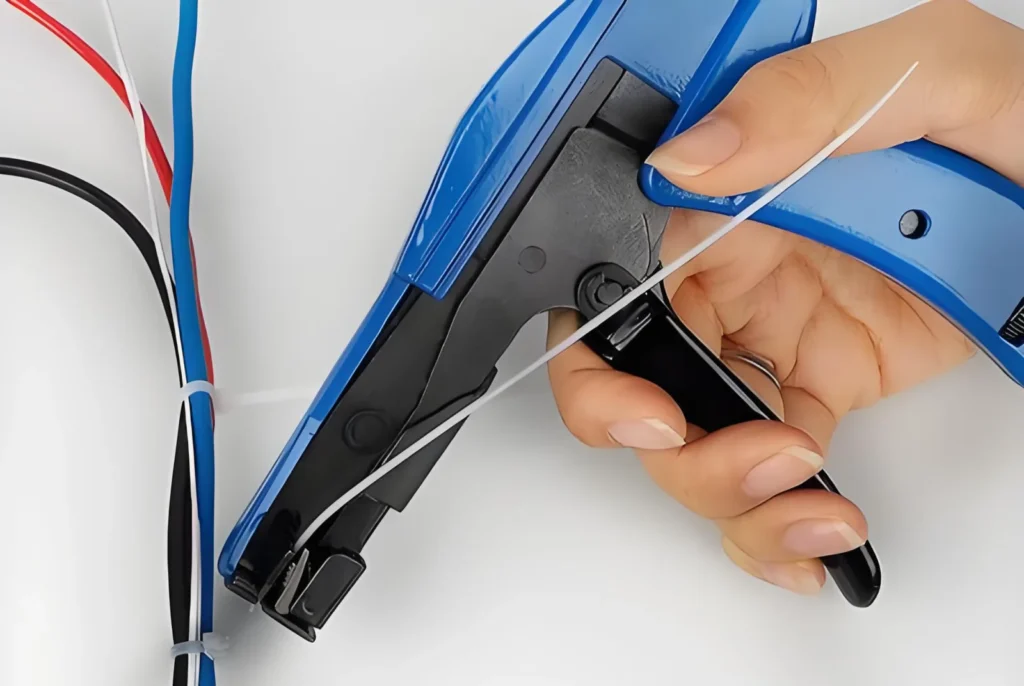
Align the tool: Slide the free nose or slot of the gun right up against the locking head of the zip tie.
Insert the tail: Insert the exposed tail of the tie into the side-loading slot or the front opening of the gun, depending on your specific tool design. Ensure the tool sits flush against the tie’s head.
Step 3: Tensioning and Securing the Tie
With the tool properly loaded, you can now apply the exact amount of force needed without damaging your cables.
Set your tension: If your cable wire tie gun has an adjustable tension dial, preset it to your desired level based on the thickness and sensitivity of the bundle.
Squeeze the trigger: Squeeze the trigger mechanism. The tool will automatically pull the tail, ratcheting the tie tight to your exact pre-set tension limit.
Step 4: Cutting and Inspection
The final step ensures safety and a clean appearance, eliminating sharp edges that can cause injury.
Flush cut: On automatic models, a final squeeze of the trigger activates the internal blade, cleanly cutting the excess tail perfectly flush with the head. For manual models, actuate the cutoff lever once the tie is tight.
Inspect the finish: Run your finger over the cut tie head. It should be completely smooth with no sharp, protruding plastic or metal left behind.
Applications and Common Use Cases
A reliable zip tie gun is a game-changer across multiple industries. Here is where we rely on these tools the most to get the job done efficiently and safely.
Electrical Wiring and Telecommunications
Managing massive bundles of sensitive data cables requires serious precision. Using a professional wire tie gun prevents over-tightening that could pinch or damage internal wires, keeping control panels perfectly organized.
Network Racks: cURL Too many subrequests by single Worker invocation. To configure this limit, refer to https://developers.cloudflare.com/workers/wrangler/configuration/#limits
cURL Too many subrequests by single Worker invocation. To configure this limit, refer to https://developers.cloudflare.com/workers/wrangler/configuration/#limits cURL Too many subrequests by single Worker invocation. To configure this limit, refer to https://developers.cloudflare.com/workers/wrangler/configuration/#limits cURL Too many subrequests by single Worker invocation. To configure this limit, refer to https://developers.cloudflare.com/workers/wrangler/configuration/#limits cURL Too many subrequests by single Worker invocation. To configure this limit, refer to https://developers.cloudflare.com/workers/wrangler/configuration/#limits
cURL Too many subrequests by single Worker invocation. To configure this limit, refer to https://developers.cloudflare.com/workers/wrangler/configuration/#limits cURL Too many subrequests by single Worker invocation. To configure this limit, refer to https://developers.cloudflare.com/workers/wrangler/configuration/#limits
cURL Too many subrequests by single Worker invocation. To configure this limit, refer to https://developers.cloudflare.com/workers/wrangler/configuration/#limits
cURL Too many subrequests by single Worker invocation. To configure this limit, refer to https://developers.cloudflare.com/workers/wrangler/configuration/#limits
cURL Too many subrequests by single Worker invocation. To configure this limit, refer to https://developers.cloudflare.com/workers/wrangler/configuration/#limits cURL Too many subrequests by single Worker invocation. To configure this limit, refer to https://developers.cloudflare.com/workers/wrangler/configuration/#limits
cURL Too many subrequests by single Worker invocation. To configure this limit, refer to https://developers.cloudflare.com/workers/wrangler/configuration/#limits cURL Too many subrequests by single Worker invocation. To configure this limit, refer to https://developers.cloudflare.com/workers/wrangler/configuration/#limits
cURL Too many subrequests by single Worker invocation. To configure this limit, refer to https://developers.cloudflare.com/workers/wrangler/configuration/#limits cURL Too many subrequests by single Worker invocation. To configure this limit, refer to https://developers.cloudflare.com/workers/wrangler/configuration/#limits
cURL Too many subrequests by single Worker invocation. To configure this limit, refer to https://developers.cloudflare.com/workers/wrangler/configuration/#limits
cURL Too many subrequests by single Worker invocation. To configure this limit, refer to https://developers.cloudflare.com/workers/wrangler/configuration/#limits
Infrastructure: cURL Too many subrequests by single Worker invocation. To configure this limit, refer to https://developers.cloudflare.com/workers/wrangler/configuration/#limits
cURL Too many subrequests by single Worker invocation. To configure this limit, refer to https://developers.cloudflare.com/workers/wrangler/configuration/#limits cURL Too many subrequests by single Worker invocation. To configure this limit, refer to https://developers.cloudflare.com/workers/wrangler/configuration/#limits
cURL Too many subrequests by single Worker invocation. To configure this limit, refer to https://developers.cloudflare.com/workers/wrangler/configuration/#limits cURL Too many subrequests by single Worker invocation. To configure this limit, refer to https://developers.cloudflare.com/workers/wrangler/configuration/#limits cURL Too many subrequests by single Worker invocation. To configure this limit, refer to https://developers.cloudflare.com/workers/wrangler/configuration/#limits cURL Too many subrequests by single Worker invocation. To configure this limit, refer to https://developers.cloudflare.com/workers/wrangler/configuration/#limits
cURL Too many subrequests by single Worker invocation. To configure this limit, refer to https://developers.cloudflare.com/workers/wrangler/configuration/#limits
cURL Too many subrequests by single Worker invocation. To configure this limit, refer to https://developers.cloudflare.com/workers/wrangler/configuration/#limits
cURL Too many subrequests by single Worker invocation. To configure this limit, refer to https://developers.cloudflare.com/workers/wrangler/configuration/#limits
cURL Too many subrequests by single Worker invocation. To configure this limit, refer to https://developers.cloudflare.com/workers/wrangler/configuration/#limits
cURL Too many subrequests by single Worker invocation. To configure this limit, refer to https://developers.cloudflare.com/workers/wrangler/configuration/#limits
cURL Too many subrequests by single Worker invocation. To configure this limit, refer to https://developers.cloudflare.com/workers/wrangler/configuration/#limits
cURL Too many subrequests by single Worker invocation. To configure this limit, refer to https://developers.cloudflare.com/workers/wrangler/configuration/#limits
cURL Too many subrequests by single Worker invocation. To configure this limit, refer to https://developers.cloudflare.com/workers/wrangler/configuration/#limits
cURL Too many subrequests by single Worker invocation. To configure this limit, refer to https://developers.cloudflare.com/workers/wrangler/configuration/#limits
cURL Too many subrequests by single Worker invocation. To configure this limit, refer to https://developers.cloudflare.com/workers/wrangler/configuration/#limits
cURL Too many subrequests by single Worker invocation. To configure this limit, refer to https://developers.cloudflare.com/workers/wrangler/configuration/#limits
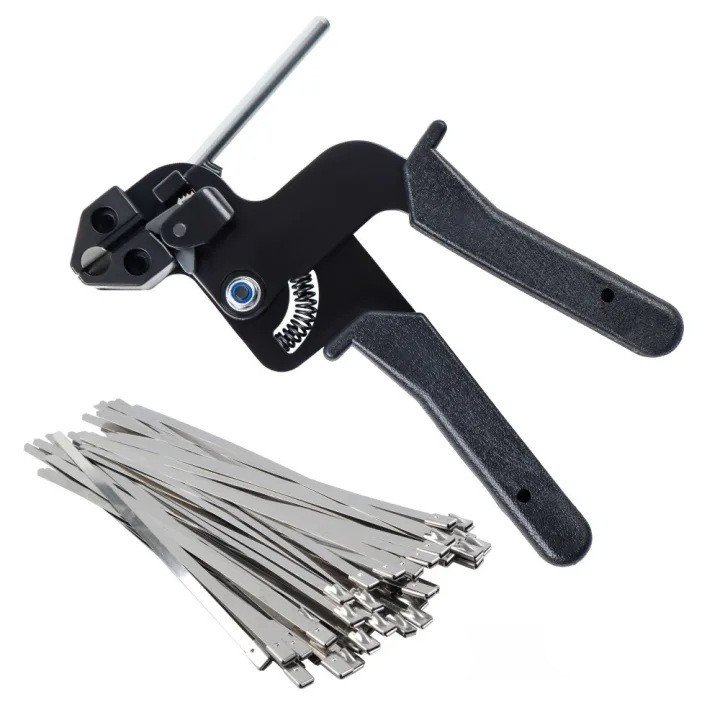
Pistola per fascette in acciaio inossidabile
cURL Too many subrequests by single Worker invocation. To configure this limit, refer to https://developers.cloudflare.com/workers/wrangler/configuration/#limits
cURL Too many subrequests by single Worker invocation. To configure this limit, refer to https://developers.cloudflare.com/workers/wrangler/configuration/#limits
cURL Too many subrequests by single Worker invocation. To configure this limit, refer to https://developers.cloudflare.com/workers/wrangler/configuration/#limits
cURL Too many subrequests by single Worker invocation. To configure this limit, refer to https://developers.cloudflare.com/workers/wrangler/configuration/#limits cURL Too many subrequests by single Worker invocation. To configure this limit, refer to https://developers.cloudflare.com/workers/wrangler/configuration/#limits
cURL Too many subrequests by single Worker invocation. To configure this limit, refer to https://developers.cloudflare.com/workers/wrangler/configuration/#limits cURL Too many subrequests by single Worker invocation. To configure this limit, refer to https://developers.cloudflare.com/workers/wrangler/configuration/#limits
cURL Too many subrequests by single Worker invocation. To configure this limit, refer to https://developers.cloudflare.com/workers/wrangler/configuration/#limits
Keeping your zip tie gun in top shape ensures clean cuts and saves your hands from unnecessary strain. Like any dependable wire tie gun, a little routine care goes a long way in preventing jams and extending the tool’s lifespan.
How to Replace the Cutting Blade
When your cable tie tool gun starts leaving jagged edges or requires extra force to slice through ties, it is time to swap out the blade.
Disconnect Power (if applicable): Ensure the tool is completely disengaged.
Locate the Blade Retainer: Use a small screwdriver or hex wrench to remove the retaining screw near the nosepiece.
Slide Out the Old Blade: Carefully remove the dull blade using needle-nose pliers.
Insert the Replacement: Slide the new, sharp blade into the slot, ensuring the cutting edge faces the correct direction.
Secure and Test: Tighten the retaining screw and test the zip tie gun on a few sample ties to verify a flush finish.
Cleaning and Daily Maintenance Checklist
A clean tie wrap gun rarely misfires. Incorporate these quick steps into your daily routine to keep your equipment operating smoothly:
Blow Out Debris: Use compressed air to clear plastic shavings and dust out of the tensioning mechanism.
Inspect the Nosepiece: Check for any hairline cracks or warping that could misalign the tie during cutting.
Lubricate Moving Parts: Apply a single drop of lightweight machine oil to the primary pivot points and springs once a week.
Wipe Down the Grip: Keep the handle free of oil and grease to maintain a secure, ergonomic hold.
Troubleshooting Tensioning and Jamming Issues
Problem
Likely Cause
Quick Fix
Tie slips and won’t tighten
Worn-out tension gripper or dirt buildup
Clean the gripping teeth with a wire brush; replace if worn smooth.
Gun jams mid-cycle
Debris or broken tie tails stuck in the nose
Use a pair of pliers to pull the jammed tail backward out of the mechanism.
Cut is not flush
Blunt blade or incorrect tension setting
Sharpen or replace the blade; adjust the tension knob to match the tie width.
OSHA and Electrical Safety Standards
Safety should always come first when managing heavy-duty bundles. When using a cable tie gun for electrical wiring, compliance with industry safety standards prevents costly workplace accidents.
Pro Tip: cURL Too many subrequests by single Worker invocation. To configure this limit, refer to https://developers.cloudflare.com/workers/wrangler/configuration/#limits
cURL Too many subrequests by single Worker invocation. To configure this limit, refer to https://developers.cloudflare.com/workers/wrangler/configuration/#limits cURL Too many subrequests by single Worker invocation. To configure this limit, refer to https://developers.cloudflare.com/workers/wrangler/configuration/#limits
cURL Too many subrequests by single Worker invocation. To configure this limit, refer to https://developers.cloudflare.com/workers/wrangler/configuration/#limits cURL Too many subrequests by single Worker invocation. To configure this limit, refer to https://developers.cloudflare.com/workers/wrangler/configuration/#limits fascette a zip più resistenti cURL Too many subrequests by single Worker invocation. To configure this limit, refer to https://developers.cloudflare.com/workers/wrangler/configuration/#limits
cURL Too many subrequests by single Worker invocation. To configure this limit, refer to https://developers.cloudflare.com/workers/wrangler/configuration/#limits cURL Too many subrequests by single Worker invocation. To configure this limit, refer to https://developers.cloudflare.com/workers/wrangler/configuration/#limits
Frequently Asked Questions (FAQ)
cURL Too many subrequests by single Worker invocation. To configure this limit, refer to https://developers.cloudflare.com/workers/wrangler/configuration/#limits
cURL Too many subrequests by single Worker invocation. To configure this limit, refer to https://developers.cloudflare.com/workers/wrangler/configuration/#limits
cURL Too many subrequests by single Worker invocation. To configure this limit, refer to https://developers.cloudflare.com/workers/wrangler/configuration/#limits
cURL Too many subrequests by single Worker invocation. To configure this limit, refer to https://developers.cloudflare.com/workers/wrangler/configuration/#limits cURL Too many subrequests by single Worker invocation. To configure this limit, refer to https://developers.cloudflare.com/workers/wrangler/configuration/#limits cURL Too many subrequests by single Worker invocation. To configure this limit, refer to https://developers.cloudflare.com/workers/wrangler/configuration/#limits cURL Too many subrequests by single Worker invocation. To configure this limit, refer to https://developers.cloudflare.com/workers/wrangler/configuration/#limits
cURL Too many subrequests by single Worker invocation. To configure this limit, refer to https://developers.cloudflare.com/workers/wrangler/configuration/#limits
cURL Too many subrequests by single Worker invocation. To configure this limit, refer to https://developers.cloudflare.com/workers/wrangler/configuration/#limits
cURL Too many subrequests by single Worker invocation. To configure this limit, refer to https://developers.cloudflare.com/workers/wrangler/configuration/#limits
cURL Too many subrequests by single Worker invocation. To configure this limit, refer to https://developers.cloudflare.com/workers/wrangler/configuration/#limits cURL Too many subrequests by single Worker invocation. To configure this limit, refer to https://developers.cloudflare.com/workers/wrangler/configuration/#limits
cURL Too many subrequests by single Worker invocation. To configure this limit, refer to https://developers.cloudflare.com/workers/wrangler/configuration/#limits
What Are Plastic Snow Chains and How Do They Work? Zip tie snow chains are lightweight, emergency traction aids engineered from high-tensile nylon polymers. Designed as a rapid-response alternative to heavy steel chains, these specialized cable ties wrap directly around the tire tread through the wheel rims, providing instant bite on slippery, snow-covered roads. Understanding […]
Comprensione delle fascette di plastica della polizia (Flex-Cuffs) Le moderne forze dell'ordine si affidano pesantemente a speciali manette in plastica a fascetta, comunemente note nel settore della sicurezza come flex-cuffs, come alternativa cruciale ai tradizionali mezzi di contenzione in metallo. Progettate specificamente per l'efficienza tattica e il rapido dispiegamento, questi mezzi di contenzione in nylon ad alta resistenza offrono vantaggi operativi essenziali rispetto alle tradizionali attrezzature in acciaio. Come le fascette di plastica […]
Utilizziamo i cookie per migliorare la tua esperienza di navigazione, offrire annunci o contenuti personalizzati e analizzare il nostro traffico. Cliccando su "Accetta tutto", acconsenti al nostro utilizzo dei cookie.
Cerchi fascette in nylon di alta qualità a un ottimo prezzo?
Ordina ora per provare prodotti di fascette convenienti che offrono praticità e protezione per il tuo lavoro e la tua vita.




 IT
IT  EN
EN  AR
AR  ES
ES  PT
PT  FR
FR  RU
RU  DE
DE  KO
KO  JA
JA