How to remove cable ties effectively is a valuable skill, as these small but mighty fasteners are incredibly strong and dependable.
They can handle heavy loads, endure tough weather conditions, and provide reliable performance when needed. At the same time, they are affordable and convenient, making them a staple in countless projects.
Whether you’re working through your last bag of ties or just starting out, learning these techniques will allow you to reuse or safely dispose of cable ties without hassle.
Cable Ties Basics
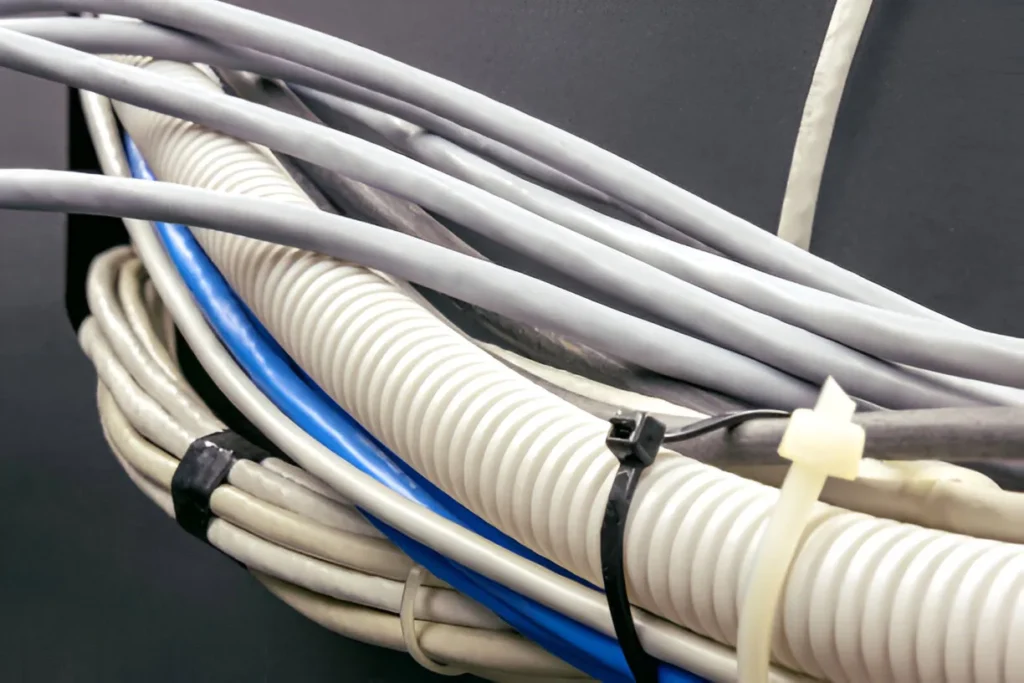
Cable ties are incredibly versatile and reliable fasteners that can be used in a wide range of applications. They are known for their durability and ability to securely hold objects in place. Here’s a closer look at what makes them so effective:
Material and Strength: General-purpose cable ties are often made from nylon 6.6, a material that provides excellent strength, versatility, and resilience. This material offers the right balance of rigidity and flexibility, allowing cable ties to loop and lock securely around cables and wires.
Locking Mechanism: Cable ties feature a self-locking mechanism, typically involving a ratchet-and-pawl style head and tail. This design ensures that once the tie is tightened, it cannot be loosened without cutting it, providing a secure hold that prevents slippage. The mechanism works by engaging the pawl with the strap serrations, allowing the tie to maintain its tensile strength.
How They Work: Cable ties, also known as zip ties, are designed to move only in one direction. Once the tail passes through the head, the pawls and teeth engage, securing the tie in place. This means that once tightened, the tie cannot be released without being cut. Despite this, their simplicity and effectiveness make them a staple in many applications.
Shocking Ways To Remove Cable Ties You Never Even Knew
Cable ties are incredibly versatile and handy tools that can be used in various projects and applications, from home decor and repairs to electronics and art. However, when you need to remove cable ties, it can be challenging.
Here are some surprising methods to remove cable ties without cutting it:
Method 1: Cut
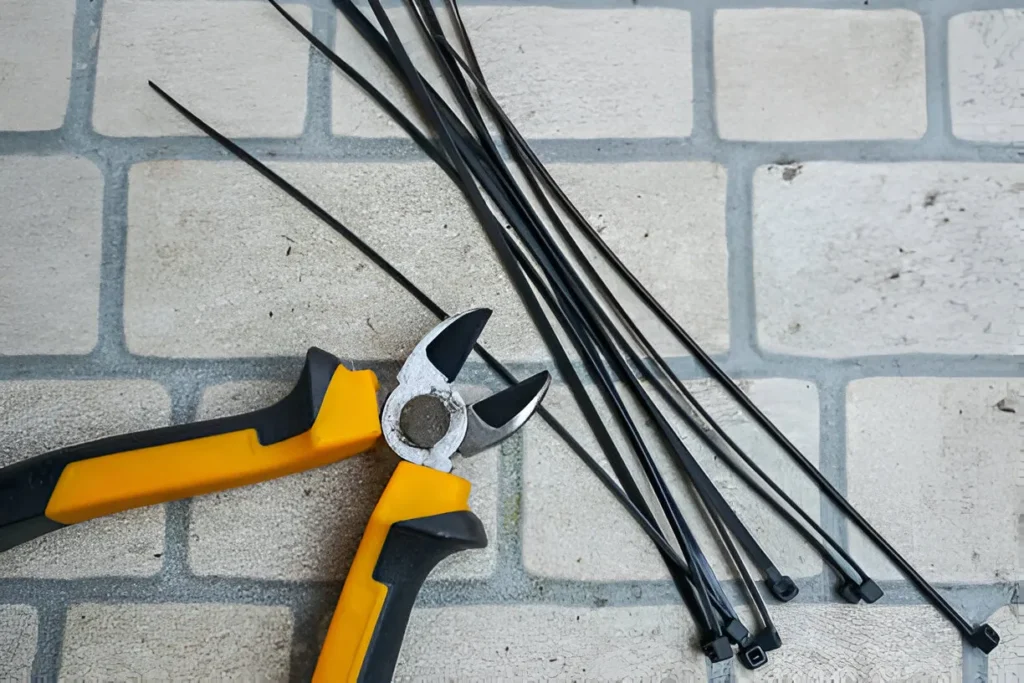
Cutting is the quickest and most common way to remove zip ties. This method is simple and effective, even in tight spaces or at awkward angles. However, it’s irreversible, meaning the tie will end up in the trash, making it the least eco-friendly option.
When to Cut:
End of Life: Cutting is best when a zip tie is no longer useful, showing signs like discoloration, brittleness, or looseness.
Sicurezza: If a tie is damaged or insecure, cutting it off is the safest choice.
How to Cut:
Use Sharp Tools: Use sharp scissors or a utility knife for a clean cut.
Dispose and Replace: Dispose of the old tie and install a new one to continue your project.
This method is ideal for when a zip tie has reached the end of its life cycle.
Method 2: Squeeze
Squeezing is a slower method than cutting but faster than separating, and it allows you to preserve and reuse your zip tie without generating waste. This technique is easy to learn and doesn’t require any sharp tools.
How to Squeeze:
Gather Tools: Use a pair of pliers—lineman or tongue & groove work well, but any type will do.
Position the PlierscURL Too many subrequests by single Worker invocation. To configure this limit, refer to https://developers.cloudflare.com/workers/wrangler/configuration/#limits
cURL Too many subrequests by single Worker invocation. To configure this limit, refer to https://developers.cloudflare.com/workers/wrangler/configuration/#limitscURL Too many subrequests by single Worker invocation. To configure this limit, refer to https://developers.cloudflare.com/workers/wrangler/configuration/#limits
cURL Too many subrequests by single Worker invocation. To configure this limit, refer to https://developers.cloudflare.com/workers/wrangler/configuration/#limits
cURL Too many subrequests by single Worker invocation. To configure this limit, refer to https://developers.cloudflare.com/workers/wrangler/configuration/#limitscURL Too many subrequests by single Worker invocation. To configure this limit, refer to https://developers.cloudflare.com/workers/wrangler/configuration/#limits
cURL Too many subrequests by single Worker invocation. To configure this limit, refer to https://developers.cloudflare.com/workers/wrangler/configuration/#limits
cURL Too many subrequests by single Worker invocation. To configure this limit, refer to https://developers.cloudflare.com/workers/wrangler/configuration/#limits
cURL Too many subrequests by single Worker invocation. To configure this limit, refer to https://developers.cloudflare.com/workers/wrangler/configuration/#limits
cURL Too many subrequests by single Worker invocation. To configure this limit, refer to https://developers.cloudflare.com/workers/wrangler/configuration/#limits
cURL Too many subrequests by single Worker invocation. To configure this limit, refer to https://developers.cloudflare.com/workers/wrangler/configuration/#limitscURL Too many subrequests by single Worker invocation. To configure this limit, refer to https://developers.cloudflare.com/workers/wrangler/configuration/#limits
cURL Too many subrequests by single Worker invocation. To configure this limit, refer to https://developers.cloudflare.com/workers/wrangler/configuration/#limitscURL Too many subrequests by single Worker invocation. To configure this limit, refer to https://developers.cloudflare.com/workers/wrangler/configuration/#limits
cURL Too many subrequests by single Worker invocation. To configure this limit, refer to https://developers.cloudflare.com/workers/wrangler/configuration/#limitscURL Too many subrequests by single Worker invocation. To configure this limit, refer to https://developers.cloudflare.com/workers/wrangler/configuration/#limits
cURL Too many subrequests by single Worker invocation. To configure this limit, refer to https://developers.cloudflare.com/workers/wrangler/configuration/#limits
cURL Too many subrequests by single Worker invocation. To configure this limit, refer to https://developers.cloudflare.com/workers/wrangler/configuration/#limits
cURL Too many subrequests by single Worker invocation. To configure this limit, refer to https://developers.cloudflare.com/workers/wrangler/configuration/#limits
cURL Too many subrequests by single Worker invocation. To configure this limit, refer to https://developers.cloudflare.com/workers/wrangler/configuration/#limits
cURL Too many subrequests by single Worker invocation. To configure this limit, refer to https://developers.cloudflare.com/workers/wrangler/configuration/#limits
Ti sei mai chiesto come vengono realizzati i fascetti stringicavo? I fascetti stringicavo, noti anche come fascette, sono strumenti essenziali per organizzare e fissare fili e cavi. Dalla selezione delle materie prime al confezionamento finale, il processo di produzione dei fascetti stringicavo coinvolge diversi passaggi intricati. In questo post del blog, esploreremo l'affascinante viaggio dietro la creazione […]
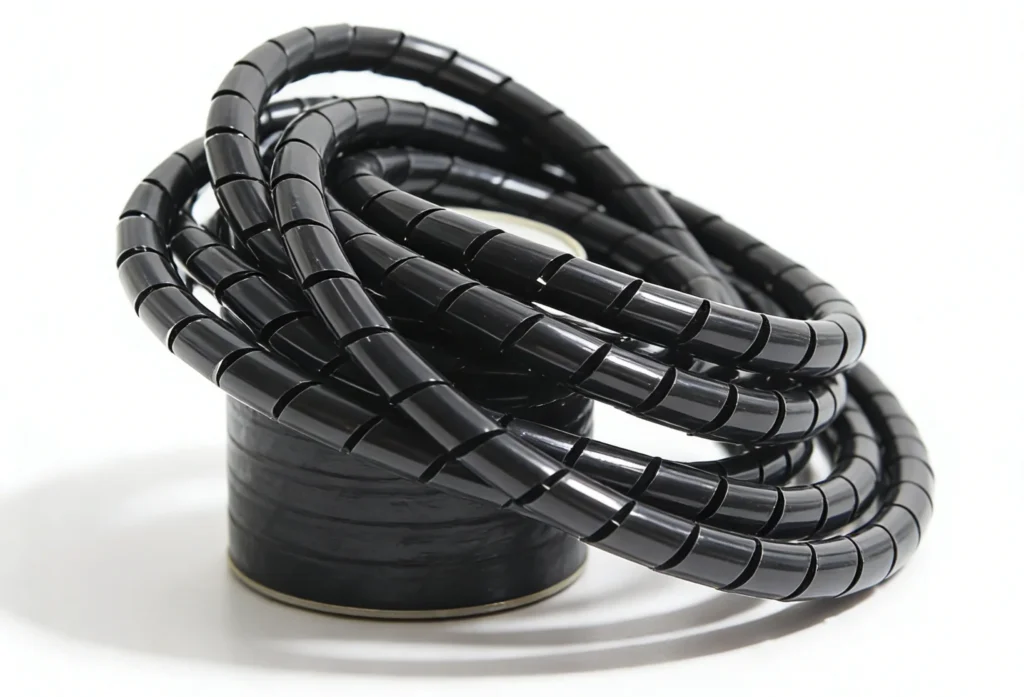
1. Introduction What is spiral wrap for cables? It is a new cable protection and organization solution that replaces traditional metal spring guards. Featuring a spiral structure design, it combines flexible protection, convenient installation, and reusability. It effectively extends cable service life and adapts to multi-scenario cable management needs, making it an ideal cable companion […]
Scegliere le migliori fascette per il tuo progetto può essere difficile, soprattutto con così tante opzioni disponibili. Ma non preoccuparti: ti guideremo nella scelta delle migliori fascette per vari usi, tra cui automotive, edilizia e progetti domestici. L'uso del tipo sbagliato di fascetta può portare a inefficienze, quindi è importante scegliere con saggezza. Qui [...]
Utilizziamo i cookie per migliorare la tua esperienza di navigazione, offrire annunci o contenuti personalizzati e analizzare il nostro traffico. Cliccando su "Accetta tutto", acconsenti al nostro utilizzo dei cookie.
Cerchi fascette in nylon di alta qualità a un ottimo prezzo?
Ordina ora per provare prodotti di fascette convenienti che offrono praticità e protezione per il tuo lavoro e la tua vita.




 IT
IT  EN
EN  AR
AR  ES
ES  PT
PT  FR
FR  RU
RU  DE
DE  KO
KO  JA
JA