



What is Plastic Corrugated Conduit?
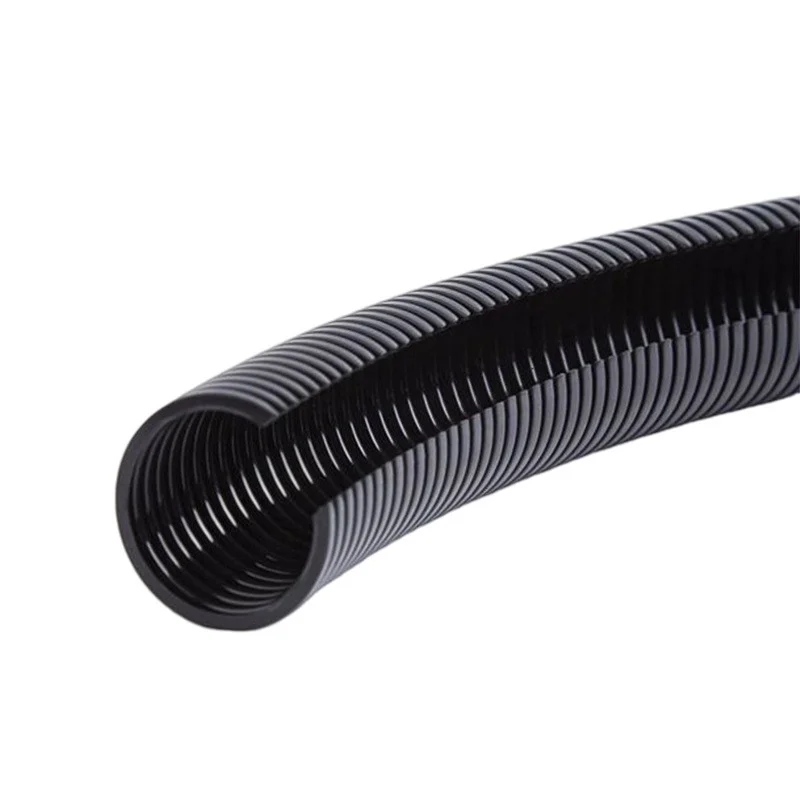
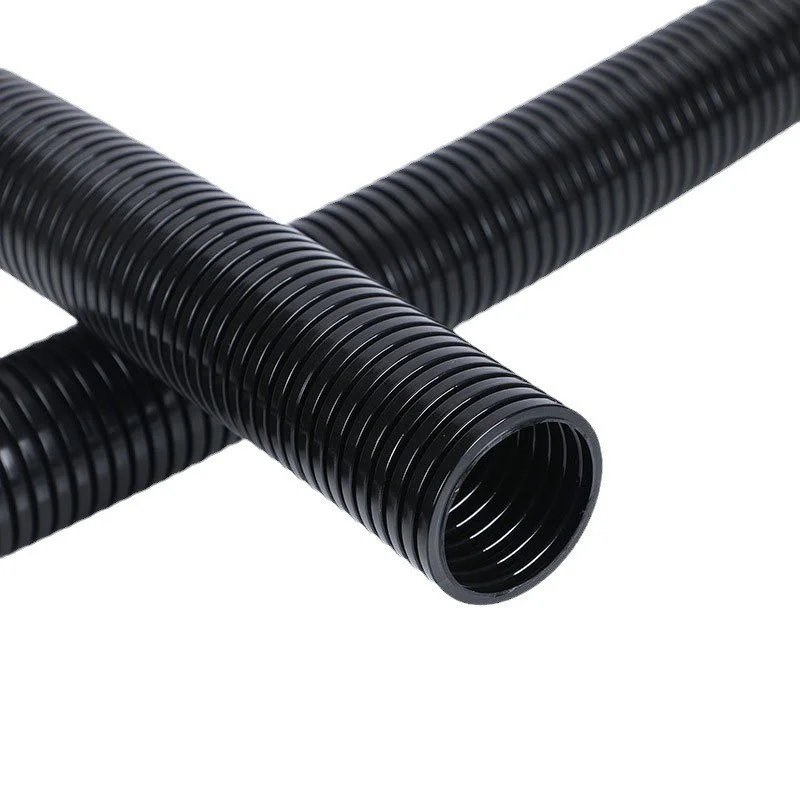
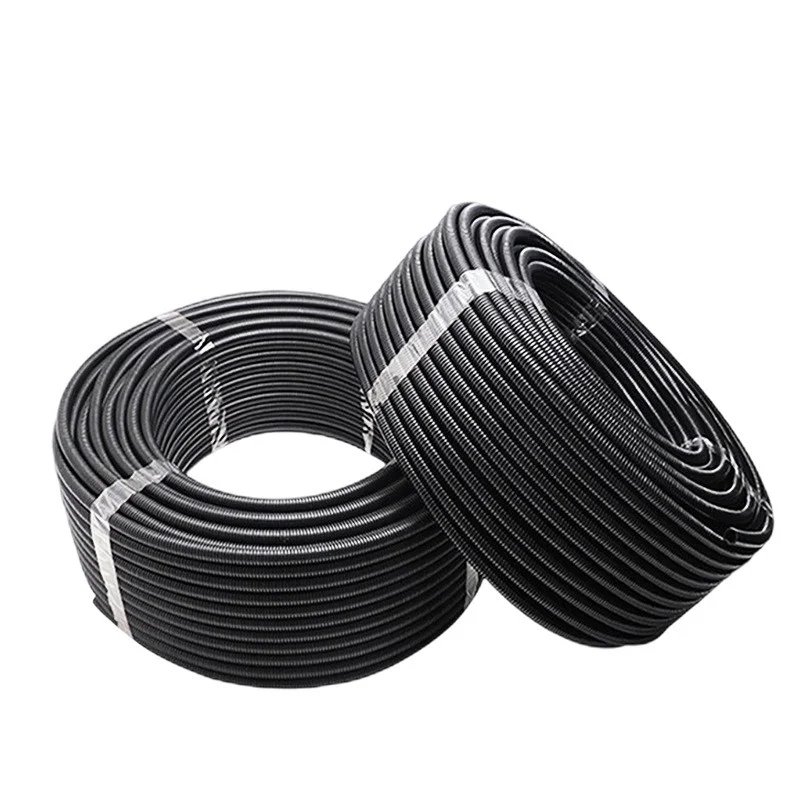
Plastic corrugated conduit is a specialized protective tubing used to house and safeguard electrical wiring and cabling systems. Characterized by its distinctive “peaks and valleys” profile, this corrugated electrical conduit is engineered to provide a high strength-to-weight ratio. Unlike rigid piping, the corrugated structure allows the conduit to bend around corners and navigate tight spaces without kinking or losing its internal diameter, ensuring a clear pathway for sensitive conductors.
Definition and Corrugated Design Principles
The fundamental principle behind conduit corrugated design is structural integrity combined with longitudinal flexibility. The annular rings—the ridges—provide hoop strength that resists external crushing forces and impacts. Meanwhile, the valleys between the ridges allow the material to compress on one side and expand on the other during bending. This unique geometry makes corrugated flexible conduit an essential component for dynamic applications where movement and vibration are constant.
Core Functions in Wire Protection and Management
A high-quality corrugated cable conduit serves several critical roles in modern electrical infrastructure:
- Mechanical Shielding: Protects wires from abrasion, sharp edges, and accidental impact.
- Environmental Barrier: Acts as a first line of defense against dust, moisture, and oil ingress.
- Cable Organization: Bundles multiple loose wires into a single, manageable run, simplifying maintenance and troubleshooting.
- Safety Enhancement: Prevents short circuits by isolating cables from conductive surfaces and providing flame-retardant properties in critical zones.
Key Material Properties: PA, PE, and PP
The performance of a plastic corrugated conduit is largely determined by its base polymer. We utilize three primary materials to meet diverse industrial demands:
| Material Type | Key Characteristics | Common Applications |
|---|---|---|
| PA (Nylon) | High thermal stability, excellent fatigue life, and self-extinguishing properties. | Robotics, automotive engines, and high-heat industrial machinery. |
| PE (Polyethylene) | Superior moisture resistance, high flexibility, and excellent UV stability. | Outdoor infrastructure, telecommunications, and underground ducting. |
| PP (Polypropylene) | Exceptional chemical resistance and high resistance to “stress cracking.” | Chemical processing plants and laboratory environments. |
Whether you require a 20mm corrugated conduit for light commercial work or a heavy-duty 50mm corrugated conduit for industrial power lines, selecting the right material ensures long-term reliability and compliance with international safety standards.
Primary Benefits of Flexible Corrugated Tubing
Choosing the right corrugated conduit is about more than just covering wires; it is about ensuring the long-term reliability of your electrical system. Our tubing is designed to handle the stress of industrial environments while making installation faster and more efficient.
Superior Flexibility and Bend Radius
The signature ribbed profile of our corrugated flexible conduit provides an exceptional strength-to-flexibility ratio. This design allows the tubing to navigate tight corners and complex geometries without kinking or reducing the internal cross-section. For installers working in cramped control panels or automotive engine bays, this high bend radius is essential. While we often recommend these conduits for full protection, for lighter cable bundling needs, some technicians also integrate spiral wrap cable in areas where frequent breakouts are required.
High Temperature and Chemical Corrosion Resistance
Industrial environments expose wiring to harsh conditions. Our nylon corrugated flexible conduit and PP variants are engineered to resist degradation from oils, solvents, and industrial chemicals.
| Material Feature | Performance Capability | Ideal Use Case |
|---|---|---|
| Thermal Stability | -40°C to +120°C (up to 150°C short-term) | Engine compartments & heavy machinery |
| Chemical Shield | Resistant to fuels, grease, and acids | Chemical plants & CNC workshops |
| Fire Safety | Self-extinguishing (UL94 V0/V2) | Public infrastructure & rail transit |
Durability for Outdoor and Environmental Protection
When projects move outdoors, the black corrugated conduit serves as a primary defense against environmental wear. We use high-grade UV stabilizers to ensure the plastic does not become brittle or crack under constant sunlight exposure.
- UV Resistance: Specifically formulated to prevent degradation in solar farms and telecommunication towers.
- Crush Resistance: High mechanical strength protects internal cables from accidental impact or foot traffic.
- Moisture Barrier: Prevents water ingress, protecting sensitive connections from corrosion and short circuits.
- Abrasion Shield: The tough exterior prevents wire insulation from fraying against sharp metal edges or vibrating components.
Common Types of Plastic Corrugated Conduit
Split vs. Non-Split Wire Loom Tubing
Choosing the right corrugated conduit often comes down to your installation method and the level of protection required. We offer two primary configurations to handle different workflow needs:
- Split Wire Loom: This version features a longitudinal cut along its entire length. It allows you to insert wires into the tubing without disconnecting the terminals. It is the go-to solution for retrofitting existing setups or performing quick maintenance in automotive and office environments.
- Non-Split Tubing: A solid, continuous tube that provides 360-degree protection. It offers superior resistance against dust, moisture, and abrasion. This is the standard choice for new installations where maximum environmental sealing is a priority.
Three Common Types of Materials Series: PA, PE and PP
The performance of a corrugated plastic conduit is defined by its base polymer. We focus on three core materials to meet various industrial and commercial demands:
- PA (Nylon): The high-performance choice. PA corrugated conduit is famous for its exceptional fatigue life, high impact resistance, and self-extinguishing properties. It is the industry standard for robotics and heavy machinery.
- PE (Polyethylene): The most cost-effective and flexible option. PE is highly resistant to chemicals and acids, making it perfect for basic wire routing. When securing these conduits in exposed areas, pairing them with weatherproof cable ties ensures the entire management system survives harsh conditions.
- PP (Polypropylene): A versatile middle ground. It offers better heat resistance than PE and maintains its structural integrity under moderate thermal stress, often used in household appliances and automotive wire harnesses.
For projects requiring specialized sealing at connection points, using heat shrink wrap sleeves alongside these conduits provides a professional, moisture-proof finish at the wire breakout sections.
Key Application Scenarios
Corrugated conduit is the go-to solution for diverse environments because it perfectly balances cable protection with extreme flexibility. Whether the job is indoors, underground, or on a moving machine, these conduits keep wiring systems functional and safe.
Industrial Automation and Robotics
In the world of automation, cables are constantly in motion. We use nylon corrugated flexible conduit in these setups because it can handle millions of flex cycles without cracking or losing its shape. It is essential for protecting sensitive data lines and power cables from oil, grease, and mechanical wear. To keep these complex wire bundles organized before they enter the conduit, we often secure them with high-quality blue zip ties to ensure nothing shifts during high-speed robotic movements.
Commercial and Residential Electrical Wiring
For standard building projects, 20mm corrugated conduit and 25mm corrugated conduit are the industry standards. They make routing wires through walls, ceilings, or under floors incredibly simple compared to rigid piping. This plastic corrugated conduit is lightweight and easy to pull through tight spaces, making it a favorite for HVAC controls, security systems, and general electrical distribution.
Outdoor Direct Burial and UV-Exposed Projects
When the job moves outside, the gear has to be tougher. Black corrugated conduit with built-in UV stabilizers is mandatory for solar installations or outdoor lighting to prevent the sun from making the plastic brittle over time. For underground runs, a heavy-duty corrugated conduit pipe provides the necessary crush resistance for direct burial. In areas where moisture is a concern at the connection points, applying a shrink heat tube over the conduit ends provides an extra layer of environmental sealing against the elements.
- Industrial: High flex life and chemical resistance.
- Construction: Fast installation and easy routing.
- Infrastructure: UV protection and high impact strength for outdoor use.
Essential Fittings and Accessories
A high-performance corrugated conduit system is only as reliable as the hardware holding it together. We provide a complete ecosystem of fittings designed to maintain the integrity of your wiring, ensuring every connection is secure, sealed, and professionally organized.
Flexible Conduit Connectors and Cable Glands
Connectors are the critical link between your nylon corrugated flexible conduit and the electrical enclosure or machinery. We offer high-quality nylon and metallic connectors that snap into place, providing an airtight seal.
- IP Ratings: Most of our connectors achieve IP66 or IP68 ratings, keeping out dust and high-pressure water.
- Thread Types: Available in Metric, PG, and NPT threads to match global equipment standards.
- Ease of Use: Quick-insert designs allow for tool-free assembly, significantly cutting down installation time on the factory floor.
Tubing Clamp Systems and Support Brackets
Properly securing your corrugated conduit pipe prevents sagging and mechanical fatigue over time. Our heavy-duty mounting clips and brackets are designed to grip the outer ribs of the conduit, preventing it from sliding even under heavy vibration. For complex routing where multiple lines run parallel, double loop cable ties offer a versatile way to bundle and secure conduits to structural supports without over-tightening and crushing the tubing.
- Material: UV-stabilized nylon or galvanized steel for long-term outdoor use.
- Stability: Rib-locking mechanisms ensure the conduit stays fixed in place.
Adapters, Tee Fittings, and End Caps
Complex wiring layouts require precise routing. We supply a full range of adapters and splitters to manage every turn in your project.
- Tee and Y-Fittings: Essential for splitting a single corrugated cable conduit run into multiple directions for sensors or motors.
- Size Converters: Easily transition between different corrugated conduit sizes, such as moving from a main 32mm line down to a 20mm or 16mm drop.
- End Caps: Protect unused conduit ends from debris and moisture during the construction phase or in modular setups.
By choosing the right accessories, you ensure your plastic corrugated conduit setup remains durable, compliant with safety standards, and easy to maintain.
Plastic vs. Metal Flexible Conduit: A Comparison
Choosing between plastic and metal involves balancing physical protection with ease of use. While metal has its place in high-impact zones, our corrugated conduit solutions offer distinct advantages in modern electrical installations, especially where chemical exposure or weight is a concern.
Weight and Installation Efficiency
Plastic corrugated flexible conduit is significantly lighter than its metal counterparts. This weight difference directly impacts your bottom line by reducing shipping costs and making overhead installations much faster. You don’t need heavy-duty cutting tools or specialized deburring equipment; a simple conduit cutter does the job in seconds. Unlike metal, plastic doesn’t require electrical grounding, which simplifies the wiring process and saves time on-site.
Corrosion Resistance vs. Mechanical Strength
In environments where moisture, salt, or chemicals are present, plastic outperforms metal every time. While metal conduits provide superior crush resistance against heavy physical impact, they are prone to rust and oxidation over time. Our corrugated plastic conduit is naturally immune to corrosion, ensuring a longer lifespan in harsh industrial settings. For finishing wire terminations after pulling them through the conduit, using a high-quality heat shrink tube provides an extra layer of insulation and environmental sealing.
Cost-Effectiveness for Various Environments
For the majority of commercial and residential projects, plastic is the most cost-effective choice. It offers the best balance of durability and price. Metal is typically reserved for areas with extreme mechanical risks or specific fire code requirements.
| Feature | Plastic Corrugated Conduit | Metal Flexible Conduit |
|---|---|---|
| Weight | Ultra-lightweight | Heavy |
| Corrosion | High Resistance | Susceptible to Rust |
| Installation | Fast & Easy | Labor Intensive |
| Flexibility | Excellent | Moderate |
| Conductivity | Non-conductive | Requires Grounding |
| Best Use | Automation, Robotics, Wet Areas | High-Impact Zones |
We focus on providing corrugated electrical conduit that meets rigorous safety standards while keeping your project costs manageable. Whether you are dealing with tight bends in a control cabinet or long runs in a warehouse, the flexibility and chemical stability of plastic make it the superior all-around performer.
Selection and Installation Guide
Choosing the right corrugated conduit ensures your wiring stays protected for years without maintenance headaches. I always recommend planning for both current capacity and future expansion to avoid costly re-pulls.
Choosing the Correct Trade Size and Length
Selecting the right diameter is the most critical step. We provide a wide variety of corrugated conduit sizes to match any project scale. For small electronics or automotive sensor wires, a 10mm corrugated conduit or 16mm corrugated conduit is usually sufficient.
For standard commercial and residential electrical work, 20mm corrugated conduit and 25mm corrugated conduit are the industry benchmarks. If you are managing heavy-duty power cables or large industrial bundles, we scale up to 32mm, 40mm, 50mm, and 80mm corrugated conduit.
- The 40% Rule: Never fill more than 40% of the conduit’s internal cross-sectional area with wires. This prevents overheating and makes pulling cables through bends much easier.
- Length Planning: Always buy 10% more than your measured run to account for bends, waste, and termination points.
Understanding Safety Certifications and Standards
When I source corrugated plastic conduit, I look for specific certifications that guarantee performance under pressure. Safety standards vary by region, but these are the non-negotiables:
- UL94-V0 Flammability: Ensures the conduit is self-extinguishing and won’t contribute to the spread of fire.
- IP Ratings: For wet or dusty environments, look for IP68-rated systems to ensure a completely liquid-tight seal.
- UV Resistance: Essential for any black corrugated conduit installed outdoors to prevent the plastic from becoming brittle and cracking under sun exposure.
Best Practices for Cutting and Joining Conduits
A clean installation starts with a clean cut. Ragged edges on a corrugated plastic cable protection conduit can snag or slice through wire insulation during the pulling process.
- Use the Right Tools: Use a dedicated conduit cutter or a sharp utility knife to cut along the “valley” of the corrugation. This ensures a square edge that seats perfectly into connectors.
- Deburring: Always check the internal edge after cutting. Smooth out any sharp plastic burrs before inserting cables.
- Secure Mounting: Once the conduit is in place, use high-quality cable clips to secure the run every 3 feet. This prevents sagging and maintains the integrity of the bend radius.
- Snap-on Fittings: Use compatible click-on or screw-on connectors to join sections. This maintains the continuous protection required for high-spec industrial environments.
 EN
EN  AR
AR  ES
ES  PT
PT  FR
FR  RU
RU  DE
DE  KO
KO  JA
JA  IT
IT  NL
NL  TR
TR