When industrial projects demand zero-failure fastening, standard nylon simply cannot compete. We engineer premium ss cable ties to deliver permanent, unyielding security for your most critical infrastructure worldwide.
What Are SS Cable Ties?
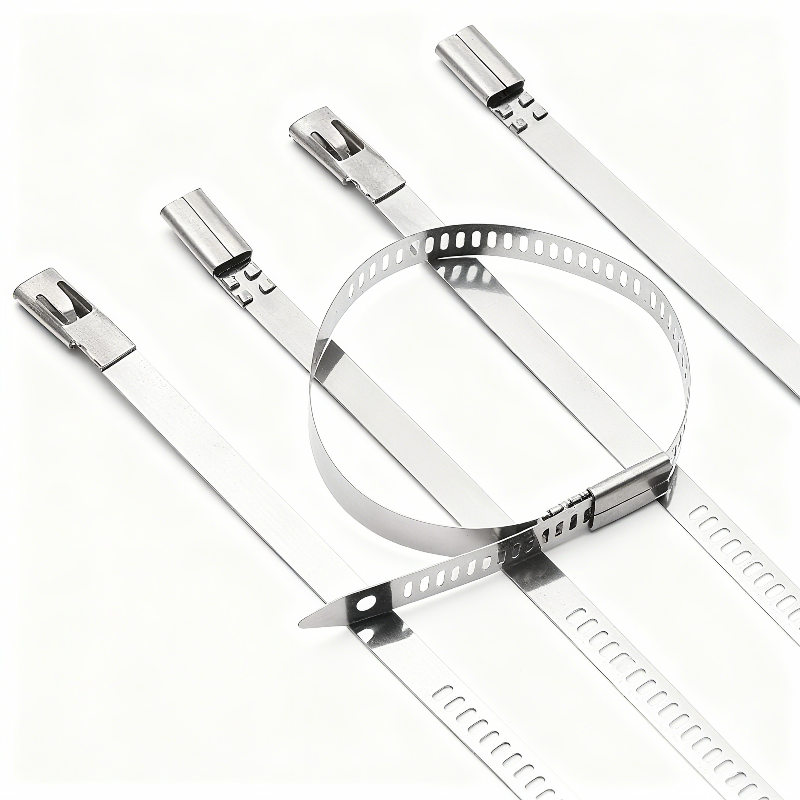
SS cable ties—widely recognized as stainless steel zip ties or metal cable ties—are heavy-duty fastening devices manufactured from premium steel alloys. Designed specifically for the rigorous demands of the global industrial market, these fasteners utilize advanced self-locking mechanisms to bundle wires, secure heavy hoses, and mount industrial components. Unlike traditional plastic options, a cable tie ss solution offers a permanent, tamper-proof hold that maintains strict structural integrity under severe mechanical stress.
Key Benefits for Harsh Environments
Our ss tie wraps and metal zip ties are engineered to survive and perform in environments that instantly degrade standard fasteners. Whether deployed in offshore marine platforms, chemical processing plants, or extreme outdoor solar facilities, they provide uncompromising reliability.
Core Advantages:
Absolute Durability: Highly resistant to deliberate cutting, severe abrasion, and heavy physical impact.
Chemical Immunity: Defends against corrosive acids, harsh alkaline solutions, and continuous saltwater exposure.
Fire & Safety: Non-flammable construction ensures critical wiring remains safely secured during extreme thermal events.
100% immune to sunlight weathering and degradation
Service Lifespan
Decades of permanent, zero-maintenance securing
Types of SS Cable Ties by Locking Mechanism
When you are securing heavy loads or working in tough environments, the way your ss cable tie locks is just as important as the metal it’s made from. We manufacture different locking mechanisms to handle a variety of tension and vibration requirements, making sure your metal zip ties never fail on the job.
Ball-Lock Stainless Steel Ties
The ball-lock mechanism is the industry standard for fast, permanent bundling. Inside the head of the tie sits a small metal ball bearing. As you pull the strap through, the ball rolls forward and wedges tightly against the band, locking it securely in place.
Self-Locking Design: Extremely fast and easy to slide into place by hand.
Permanent Hold: It is a one-way street; once it is tight, it stays tight.
Quick Installation: For high-volume jobs, installers typically use an ss cable tie gun to tighten and cut the strap flush in seconds.
Ladder Style Metal Ties
If you are dealing with irregular shapes or need a bit more flexibility, ladder-style metal cable ties are an excellent choice. The strap features a series of punched slots, resembling a tiny ladder, which the locking mechanism catches onto.
High Flexibility: Bends and contours easily around awkward bundles.
Slip-Resistant: The slotted design prevents the ss tie wire from sliding back, even under pressure.
Strap and Multi-Lok Ties
For extreme industrial applications where standard ss zip ties just won’t cut it, we recommend strap and multi-lok designs. These ties often pass through a heavy-duty buckle or utilize multiple locking points for maximum tensile strength.
High Vibration Resistance: Keeps heavy cables secure on shaking machinery or moving vehicles.
Adjustability: Depending on the exact locking style, some function as reusable stainless steel cable ties, letting you open the lock to add more cables or adjust the tension later.
Custom Fit: Perfect for applications where standard ss cable tie sizes fall short and you need a highly adaptable grip.
Uncoated vs. Coated SS Cable Ties
As a manufacturer, we see customers constantly weighing bare metal against coated options. Both styles get the job done, but picking the right ss cable tie comes down to your specific environment and exactly what you are strapping together.
When to Use Uncoated Ties
Uncoated metal zip ties are raw, tough, and built for brutal environments. If your main concern is pure strength or fire resistance, you need bare metal.
Extreme Heat: Bare steel handles temperatures that easily destroy standard plastics. While we provide reliable heat resistant cable ties in other materials, uncoated metal is the ultimate choice for exhaust wraps, engine bays, and heavy industrial ovens.
Raw Strength: Uncoated ss wire ties deliver maximum tensile strength and lock tight without any extra bulk.
General Industrial Use: Perfect for securing heavy outdoor loads where chemical exposure or dissimilar metal contact is not a risk factor.
Advantages of PVC Coated SS Cable Ties
Sometimes bare metal is just too aggressive for the job. That is exactly where our pvc coated ss cable ties step in to add a crucial layer of defense.
Stops Galvanic Corrosion: The coating acts as a physical insulator. It prevents the ss zip ties from reacting and rusting when strapped tightly against different types of metal pipes or beams.
Protects Delicate Wires: The soft, coated edges ensure the tie will not slice into sensitive cable jackets when pulled tight.
Weather & Chemical Defense: Epoxy and PVC barriers give these ss cable ties a significantly longer lifespan in harsh marine or highly corrosive chemical settings.
Enhanced Grip: The slight texture of the coating grips materials better, stopping loose bundles from sliding out of place.
Material Grades: Choosing the Right Alloy for SS Cable Ties
When selecting metal zip ties, the specific alloy dictates how long your hold will last. As an experienced ss cable tie manufacturer, we focus on the two most reliable grades to ensure your installations survive the exact conditions of your job site.
Standard 304 Stainless Steel
This is our most popular alloy for general-purpose heavy-duty fastening. It delivers excellent tensile strength and reliable, everyday corrosion resistance for standard environments.
Ideal Environments: Everyday construction, indoor manufacturing, automotive applications, and standard outdoor installations.
Temperature Defense: Easily withstands extreme heat and freezing cold. While 304 steel is excellent for thermal extremes, if your project strictly requires non-metal alternatives for temperature management, our high heat zip ties also provide dependable performance.
Cost-Effective: Offers the best overall balance between long-term durability and a competitive ss cable tie price.
Marine Grade 316 Stainless Steel
When standard protection isn’t enough, we step up to the 316 grade. We add molybdenum to this alloy, giving these ss wire ties superior, impenetrable resistance against severe, localized corrosion.
Ideal Environments: Saltwater marine setups, coastal solar farms, chemical processing plants, and offshore oil rigs.
Chemical Defense: Completely resists pitting and degradation from harsh chlorides, road salts, and aggressive industrial solvents.
Ultimate Reliability: Whether you are securing thick power lines or bundling ss tie wire underground, 316 grade guarantees a permanent, indestructible hold that simply will not fail under pressure.
Strength Ratings for Heavy Duty Applications
When you need an ss cable tie to hold under intense pressure, knowing its strength rating is non-negotiable. We design our stainless steel zip ties to handle everything from basic securing to extreme industrial loads, ensuring your installations stay safe and compliant globally.
Standard Duty SS Cable Ties
Standard duty metal cable ties are perfect for everyday industrial bundling. They offer excellent resistance to weathering and corrosion without being overkill for lighter jobs.
Best for: Securing smaller cables, hoses, and outdoor signage.
Profile: Typically narrower and highly flexible.
Performance: Provides a reliable hold for standard commercial and outdoor use where extreme tension isn’t a factor.
Heavy Duty and High-Tensile Options
When the job demands maximum holding power, you need heavy-duty ss zip ties. These wider, thicker ties boast massive tensile strength, making them ideal for mining, automotive, and shipbuilding sectors. If your project requires extreme flexibility combined with robust strength, integrating stainless steel ladder cable ties is a smart operational choice.
To ensure a permanent, secure lock on high-tensile applications, we always recommend using a dedicated ss cable tie gun to hit the exact tension required without over-tightening.
Strength Rating
Typical Tensile Strength
Primary Applications
Standard Duty
Up to 100 lbs (445 N)
Wire bundling, light pipe securing, solar panels
Heavy Duty
Up to 250+ lbs (1112+ N)
Heavy machinery, shipbuilding, offshore oil rigs
Common Applications and Selection Guide for SS Cable Ties
Finding the right solution for your project means looking closely at what your environment demands. As an experienced ss cable tie manufacturer, I see these fasteners used everywhere from heavy industry to specialized commercial setups.
Securing Wires in Extreme Conditions
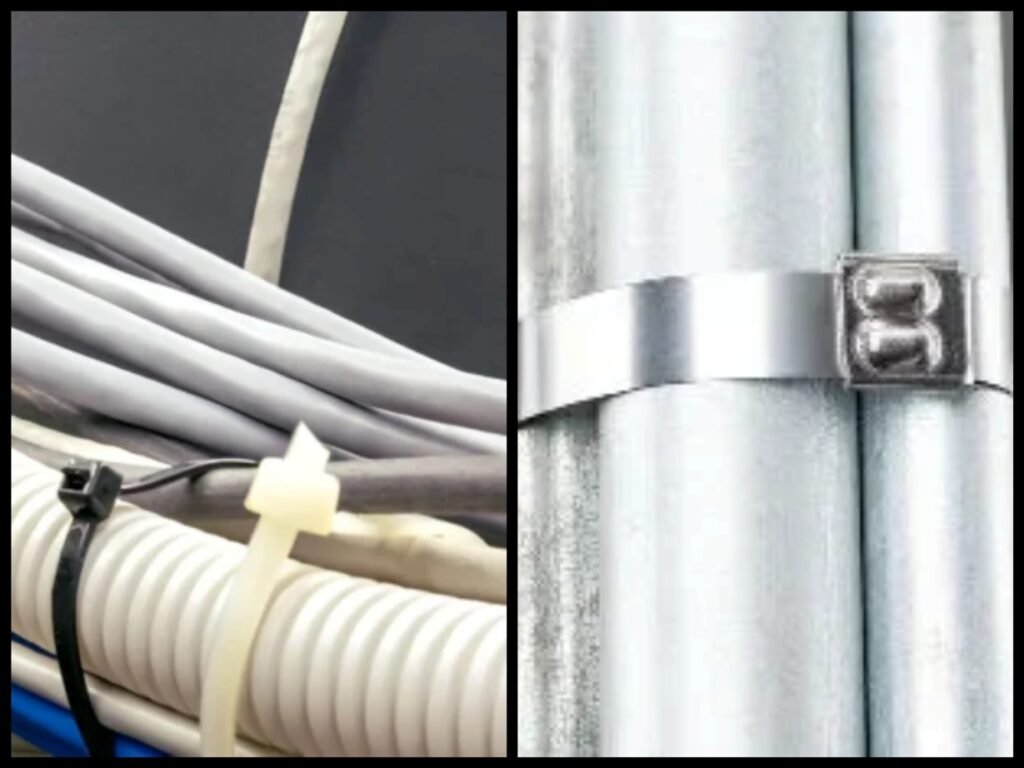
When plastic melts or snaps, metal takes over. We rely on metal cable ties when dealing with high heat, corrosive chemicals, or harsh UV exposure. They are the backbone of secure installations in solar farms, marine rigs, and automotive engine bays. While standard plastic car zip ties work great for basic interior wiring, engine exhaust wraps demand the extreme heat resistance of stainless steel zip ties.
To get the tightest and safest hold in these tough spots, professional installers typically use a dedicated ss cable tie gun. This tool tensions and cuts the ss tie wire cleanly, ensuring a secure lock without damaging the bundled cables or leaving sharp edges.
Matching Ties to Your Exact Specifications
You don’t want to overpay or under-spec for your project. Factoring in ss cable tie sizes, environmental demands, and the overall ss cable tie price is key to making a smart purchase. Whether you need standard ss tie wraps for basic outdoor bundling or pvc coated ss cable ties to protect fragile wire jackets, matching high-quality zip ties directly to your job saves both time and money.
Quick Selection Guide:
Application
Recommended Tie Type
Key Advantage
Marine & Offshore
316 Grade SS Wire Ties
Maximum saltwater rust resistance
Dissimilar Metals
PVC Coated SS Cable Ties
Prevents metal-on-metal galvanic corrosion
Heavy-Duty Bundling
High-Tensile Metal Zip Ties
Superior load-bearing strength
General Industrial
304 Grade Cable Tie SS
Cost-effective, long-lasting durability
Measure carefully: Always check your bundle diameters to select the correct ss cable tie sizes.
Protect your cables: Opt for coated ss zip ties if you are working with soft wire insulation.
Install correctly: Always use the proper tensioning tools to ensure a permanent, secure hold.
INTRODUCTION: Why Cable Tie Price Matter in 2025 Whether you’re a purchaser, project manager, or individual user, knowing the current cable tie price can help you save money and choose the right product. The price of cable ties is influenced by several factors, such as material, size, packaging requirements, and quantity purchased. In this article, we’ll take you […]
Introduction Zip ties (also known as cable ties, tie wraps, tie wire, zap straps) are one of the most common and practical bundling tools in modern life. But who invented zip ties? This article will take you through the complete story—from zip ties history, the invention process, patent application, to their lasting impact. What Are […]
How to untie a cable tie?Ever wondered if those seemingly permanent cable ties can be undone without cutting?Surprisingly, it’s possible to untie zip ties with the right technique. This method allows for reuse and adjustment, reducing waste and increasing flexibility.Learn the step-by-step process to safely and quick release cable ties, opening up new possibilities for […]
We use cookies to enhance your browsing experience, serve personalised ads or content, and analyse our traffic. By clicking "Accept All", you consent to our use of cookies.
Looking For High Quality Nylon Cable Ties At A Great Price?
Order now to experience cost-effective cable tie products that provide convenience and protection for your work and life.




 English
  Arabic
  Spanish