cURL Too many subrequests by single Worker invocation. To configure this limit, refer to https://developers.cloudflare.com/workers/wrangler/configuration/#limits
In modern domestic and industrial environments, the role of nylon cable ties cannot be underestimated. This seemingly simple tool is widely used in wire management, gardening, mechanical maintenance and even bundling of daily items due to its economical and practical use. However, when faced with the dazzling array of nylon fascetta per cavi choices on the market, consumers are often confused: which tie cable can not only meet their actual needs, but also ensure service life and cheap cable ties price.
The purpose of this article is to answer the above questions by exploring in detail the various types of nylon cable ties, their physical properties, and how to evaluate the cost-effectiveness of these products based on different usage environments and budgets. We’ll also provide some practical buying advice to help you make an informed choice among the many products available.
Nylon cable ties overview
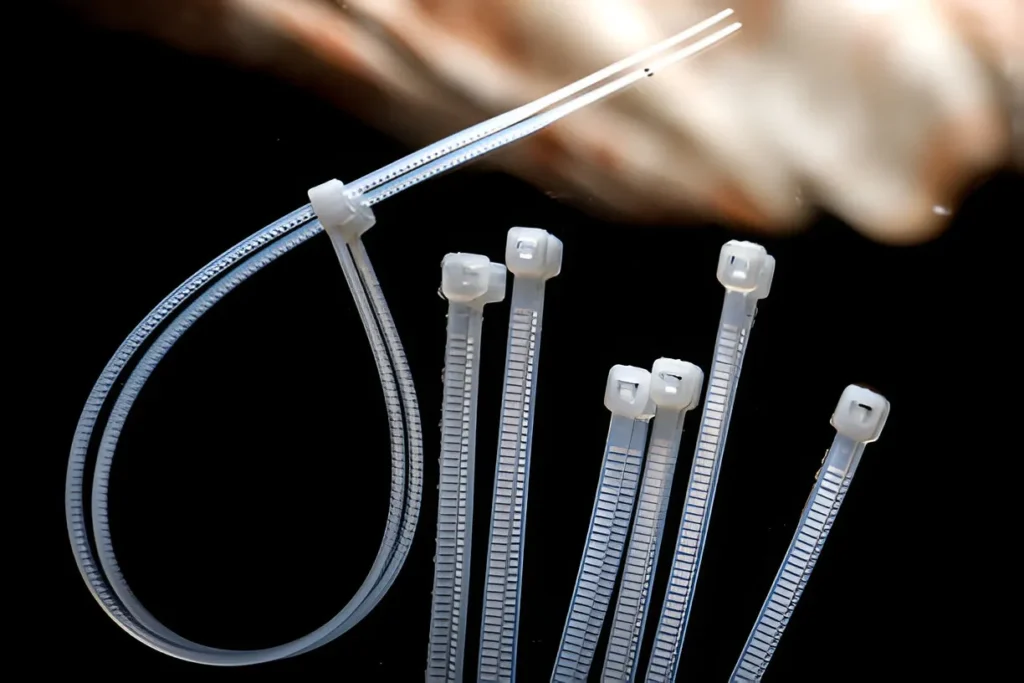
Nylon cable ties, this simple and versatile tying tool, play an indispensable role in many industries. Due to their durability and economical benefits, nylon zip ties have become the tool of choice for organizing and securing cables, wires, and more. The following is a detailed introduction to nylon zip ties:
Types of nylon ties
Nylon cable ties can be divided into various types based on their design and function:
Standard nylon cable ties: This is the most common type and is suitable for daily purposes, such as binding wires, securing light items, etc.
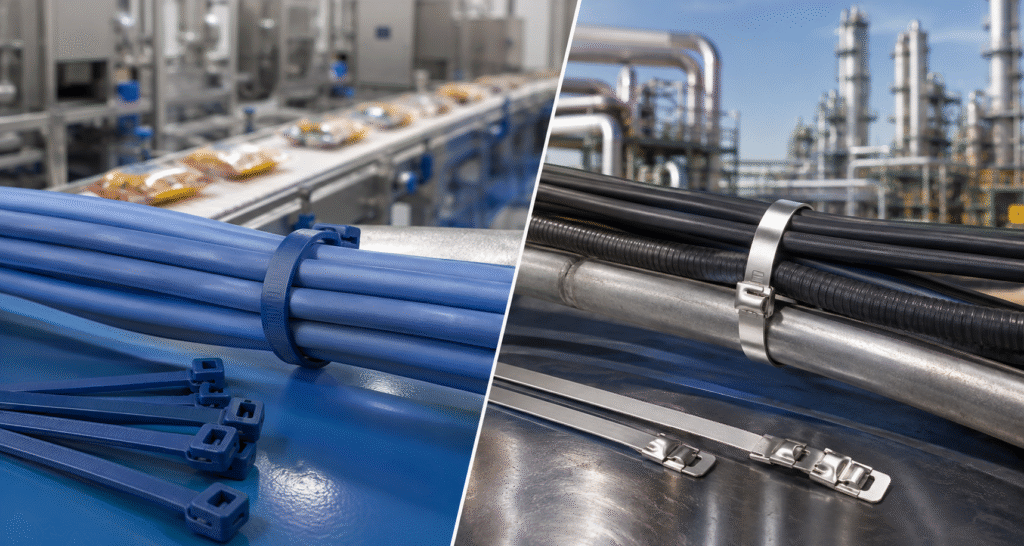
Heavy Duty Nylon Cable Ties: Designed for more powerful binding needs, such as securing heavy loads or for use in outdoor environments, with stronger pulling force and weather resistance.
Reusable nylon cable ties: Equipped with a release mechanism that allows multiple uses, suitable for applications that require frequent adjustments or position changes.
Uv resistant cable ties: Added anti-UV material, suitable for long-term outdoor use and able to resist damage caused by sun exposure.
Common specifications and features
The performance and suitability of nylon cable ties depends largely on its specifications, including:
Length vs. Width: The length of nylon ties typically varies from a few inches to several feet, and the width affects its load-bearing capacity and how tightly it can be tied.
Bearing capacity: Each type of nylon cable tie has its maximum load-bearing capacity, which directly determines the weight limit that it can safely tie.
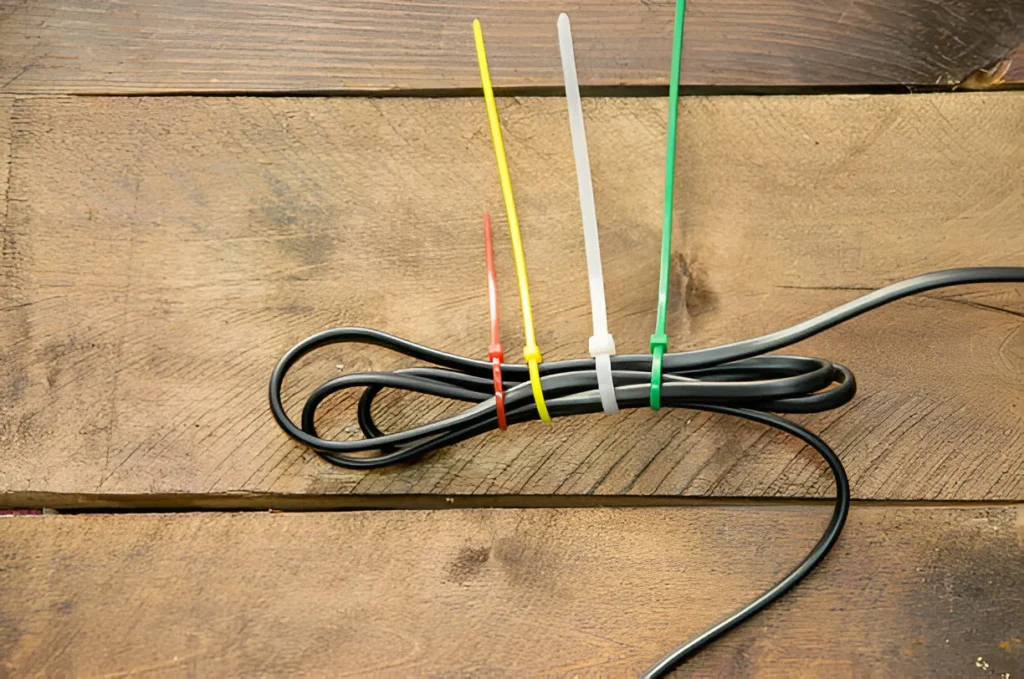
Color: Nylon cable ties are available in a variety of colors, and colors are often used to identify and classify cables for different uses or areas.
Use and storage
How to use: Proper use of self locking nylon cable zip ties involves selecting the appropriate size and type, wrapping tightly around the object to be tied, and then passing the tail through the locking mechanism of the head.
Storage conditions: Nylon cable ties should be stored in a dry, cool place away from high temperatures and direct sunlight to maintain their physical properties.
Evaluating the Durability of Nylon Cable Ties
The durability of nylon cable ties is key to its long-term effectiveness and reliability. When choosing nylon cable ties, understanding the following aspects will help users ensure they purchase a high-durability product that suits their needs.
Material quality
The durability of nylon cable ties depends first on the type of material they are made of. Nylon itself is a strong, abrasion-resistant and chemically stable polymer, but different manufacturers may use different nylon formulations.
Nylon 6 and nylon 6/6: cURL Too many subrequests by single Worker invocation. To configure this limit, refer to https://developers.cloudflare.com/workers/wrangler/configuration/#limits
cURL Too many subrequests by single Worker invocation. To configure this limit, refer to https://developers.cloudflare.com/workers/wrangler/configuration/#limits cURL Too many subrequests by single Worker invocation. To configure this limit, refer to https://developers.cloudflare.com/workers/wrangler/configuration/#limits
cURL Too many subrequests by single Worker invocation. To configure this limit, refer to https://developers.cloudflare.com/workers/wrangler/configuration/#limits
cURL Too many subrequests by single Worker invocation. To configure this limit, refer to https://developers.cloudflare.com/workers/wrangler/configuration/#limits
cURL Too many subrequests by single Worker invocation. To configure this limit, refer to https://developers.cloudflare.com/workers/wrangler/configuration/#limits cURL Too many subrequests by single Worker invocation. To configure this limit, refer to https://developers.cloudflare.com/workers/wrangler/configuration/#limits
cURL Too many subrequests by single Worker invocation. To configure this limit, refer to https://developers.cloudflare.com/workers/wrangler/configuration/#limits cURL Too many subrequests by single Worker invocation. To configure this limit, refer to https://developers.cloudflare.com/workers/wrangler/configuration/#limits
cURL Too many subrequests by single Worker invocation. To configure this limit, refer to https://developers.cloudflare.com/workers/wrangler/configuration/#limits
cURL Too many subrequests by single Worker invocation. To configure this limit, refer to https://developers.cloudflare.com/workers/wrangler/configuration/#limits
cURL Too many subrequests by single Worker invocation. To configure this limit, refer to https://developers.cloudflare.com/workers/wrangler/configuration/#limits cURL Too many subrequests by single Worker invocation. To configure this limit, refer to https://developers.cloudflare.com/workers/wrangler/configuration/#limits
cURL Too many subrequests by single Worker invocation. To configure this limit, refer to https://developers.cloudflare.com/workers/wrangler/configuration/#limits cURL Too many subrequests by single Worker invocation. To configure this limit, refer to https://developers.cloudflare.com/workers/wrangler/configuration/#limits
cURL Too many subrequests by single Worker invocation. To configure this limit, refer to https://developers.cloudflare.com/workers/wrangler/configuration/#limits
cURL Too many subrequests by single Worker invocation. To configure this limit, refer to https://developers.cloudflare.com/workers/wrangler/configuration/#limits
cURL Too many subrequests by single Worker invocation. To configure this limit, refer to https://developers.cloudflare.com/workers/wrangler/configuration/#limits
cURL Too many subrequests by single Worker invocation. To configure this limit, refer to https://developers.cloudflare.com/workers/wrangler/configuration/#limits
cURL Too many subrequests by single Worker invocation. To configure this limit, refer to https://developers.cloudflare.com/workers/wrangler/configuration/#limits cURL Too many subrequests by single Worker invocation. To configure this limit, refer to https://developers.cloudflare.com/workers/wrangler/configuration/#limits
cURL Too many subrequests by single Worker invocation. To configure this limit, refer to https://developers.cloudflare.com/workers/wrangler/configuration/#limits cURL Too many subrequests by single Worker invocation. To configure this limit, refer to https://developers.cloudflare.com/workers/wrangler/configuration/#limits
cURL Too many subrequests by single Worker invocation. To configure this limit, refer to https://developers.cloudflare.com/workers/wrangler/configuration/#limits cURL Too many subrequests by single Worker invocation. To configure this limit, refer to https://developers.cloudflare.com/workers/wrangler/configuration/#limits
cURL Too many subrequests by single Worker invocation. To configure this limit, refer to https://developers.cloudflare.com/workers/wrangler/configuration/#limits
cURL Too many subrequests by single Worker invocation. To configure this limit, refer to https://developers.cloudflare.com/workers/wrangler/configuration/#limits cURL Too many subrequests by single Worker invocation. To configure this limit, refer to https://developers.cloudflare.com/workers/wrangler/configuration/#limits
cURL Too many subrequests by single Worker invocation. To configure this limit, refer to https://developers.cloudflare.com/workers/wrangler/configuration/#limits cURL Too many subrequests by single Worker invocation. To configure this limit, refer to https://developers.cloudflare.com/workers/wrangler/configuration/#limits
cURL Too many subrequests by single Worker invocation. To configure this limit, refer to https://developers.cloudflare.com/workers/wrangler/configuration/#limits cURL Too many subrequests by single Worker invocation. To configure this limit, refer to https://developers.cloudflare.com/workers/wrangler/configuration/#limits
cURL Too many subrequests by single Worker invocation. To configure this limit, refer to https://developers.cloudflare.com/workers/wrangler/configuration/#limits
cURL Too many subrequests by single Worker invocation. To configure this limit, refer to https://developers.cloudflare.com/workers/wrangler/configuration/#limits cURL Too many subrequests by single Worker invocation. To configure this limit, refer to https://developers.cloudflare.com/workers/wrangler/configuration/#limits
cURL Too many subrequests by single Worker invocation. To configure this limit, refer to https://developers.cloudflare.com/workers/wrangler/configuration/#limits cURL Too many subrequests by single Worker invocation. To configure this limit, refer to https://developers.cloudflare.com/workers/wrangler/configuration/#limits cURL Too many subrequests by single Worker invocation. To configure this limit, refer to https://developers.cloudflare.com/workers/wrangler/configuration/#limits
cURL Too many subrequests by single Worker invocation. To configure this limit, refer to https://developers.cloudflare.com/workers/wrangler/configuration/#limits cURL Too many subrequests by single Worker invocation. To configure this limit, refer to https://developers.cloudflare.com/workers/wrangler/configuration/#limits
cURL Too many subrequests by single Worker invocation. To configure this limit, refer to https://developers.cloudflare.com/workers/wrangler/configuration/#limits
cURL Too many subrequests by single Worker invocation. To configure this limit, refer to https://developers.cloudflare.com/workers/wrangler/configuration/#limits
cURL Too many subrequests by single Worker invocation. To configure this limit, refer to https://developers.cloudflare.com/workers/wrangler/configuration/#limits cURL Too many subrequests by single Worker invocation. To configure this limit, refer to https://developers.cloudflare.com/workers/wrangler/configuration/#limits
cURL Too many subrequests by single Worker invocation. To configure this limit, refer to https://developers.cloudflare.com/workers/wrangler/configuration/#limits In these scenarios, you may want to consider heavy-duty or UV weather-resistant nylon ties, which are designed to withstand greater forces and harsh environmental conditions.
Electronics and Networking Projects: For this type of delicate work, smaller, more flexible nylon ties are recommended to ensure that cables to sensitive equipment can be managed safely without causing damage.
Things to note when purchasing
Certification standards: Check whether the product complies with international or national safety and quality certifications, such as UL certification or RoHS compliance. These certifications are important indicators of product safety and environmental protection.
Return and exchange policy: Confirm the return and exchange policy provided by the supplier. A good return and exchange policy can reduce purchasing risk, especially when buying in bulk.
Read the product description carefully: Read the product description carefully to ensure that the specifications of the nylon cable tie meet the specific needs, such as length, width, thickness, maximum load-bearing capacity and temperature range.
How to buy nylon cable ties safely online and in stores
Buy online: Use online platforms to access a wide selection of products and user reviews, but be sure to buy from reputable sellers or official websites to ensure product quality.
In-store purchases: When purchasing in-store, you can directly view and compare different brands and types of cable ties. Sometimes, professional advice from a store clerk can be very helpful.
Compare prices: Whether buying online or in-store, comparing wire tie price from different suppliers can help you find the best value for money. Keep an eye out to see if there are any deals or bulk purchase discounts.
Domande frequenti
1.How to choose the size and type of nylon cable ties?
When choosing nylon cable ties, you first need to determine the application scenario and purpose of the cable ties. Size selection should be based on the circumference of the item to be bundled; generally, the length of the tie should be slightly longer than the circumference of the item to be bundled to facilitate handling. The type selection is based on environmental conditions (such as whether it is used outdoors, whether it needs to be UV-resistant, etc.) and load requirements (heavy-duty, standard or reusable). For example, for outdoor projects, uv resistant cable tie are recommended, while in scenarios where locations are frequently changed, reusable cable ties are suitable.
2.What are the best practices for maintaining and storing nylon cable ties?
Nylon cable ties should be stored in a dry, dark environment to prevent material aging and performance degradation. Avoid storing cable ties in places exposed to high temperatures or direct sunlight. In addition, it is recommended to keep the cable ties in their original packaging until use to reduce damage from contact with contamination or friction.
3.Can nylon cable ties be used in extreme temperature conditions?
The temperature range of nylon cable ties is usually between -40°C and 85°C, but this can vary based on different cable tie types and the manufacturer’s material formulation. For extreme high or low temperature environments, specially designed cable ties should be selected, such as high-temperature and heat-resistant cable ties or low-temperature cable ties. These products can provide additional performance guarantees.
4.How to dispose of nylon cable ties after use to protect the environment?
When disposing of used nylon cable ties, you should first consider whether they can be recycled. Non-reusable nylon ties should be disposed of in accordance with local recycling procedures. It is not recommended to dispose of nylon cable ties with regular garbage because this material does not break down easily in the natural environment. Some areas may have dedicated plastic recycling facilities and these ties can be sent to the corresponding recycling points.
In conclusion
In this article, we explore in detail how to evaluate the durability and cost-effectiveness of nylon cable ties, providing you with a range of practical guidance and advice. By understanding the types and characteristics of nylon cable ties, and how to choose the right product for different application scenarios, you should now be able to make your choice with more confidence and ensure that the nylon cable ties you purchase will meet your needs and provide the best performance.
Summary of key points:
Materials and Design: Choose nylon ties with high-quality materials and well-designed designs, especially those with excellent durability and ability to withstand harsh environments.
Cost-effectiveness: Not only should you pay attention to nylon cable tie price, but you should also evaluate the long-term use value of nylon cable ties, especially in professional or high-frequency use environments.
Applicability: Select the appropriate type of nylon cable tie according to the use environment and purpose to ensure that its specifications and performance can meet specific needs.
Purchasing channels: Buy through reliable suppliers and use user reviews and product certifications to guide purchasing decisions.
Taking the above factors into consideration will help you make an informed decision when purchasing nylon cable ties, whether for home use or commercial applications. Remember, a good purchasing decision will not only meet your current needs, but also save maintenance and replacement costs and improve work efficiency in the future.
Understanding Metal Cable Ties vs Metal Detectable Cable Ties Industrial cable management demands specific solutions tailored to environmental threats and safety standards. At WANDU, we engineer specialized fastening hardware to help facility operators maintain strict compliance, operational safety, and wiring integrity across global markets. What Are Metal Cable Ties? Metal cable ties are heavy-duty fasteners […]
Cable ties sizes vary widely to meet diverse requirements. From compact ties designed for tight spaces to longer ones suitable for larger projects, wanducn.com provides an extensive range of options. These zip ties come in lengths from 4 inches to 60 inches and offer tensile strengths of up to 350 pounds, making them versatile tools […]
cURL Too many subrequests by single Worker invocation. To configure this limit, refer to https://developers.cloudflare.com/workers/wrangler/configuration/#limits
Utilizziamo i cookie per migliorare la tua esperienza di navigazione, offrire annunci o contenuti personalizzati e analizzare il nostro traffico. Cliccando su "Accetta tutto", acconsenti al nostro utilizzo dei cookie.
Cerchi fascette in nylon di alta qualità a un ottimo prezzo?
Ordina ora per provare prodotti di fascette convenienti che offrono praticità e protezione per il tuo lavoro e la tua vita.





 IT
IT  EN
EN  AR
AR  ES
ES  PT
PT  FR
FR  RU
RU  DE
DE  KO
KO  JA
JA