Why You Might Need an Alternative to a Heat Gun
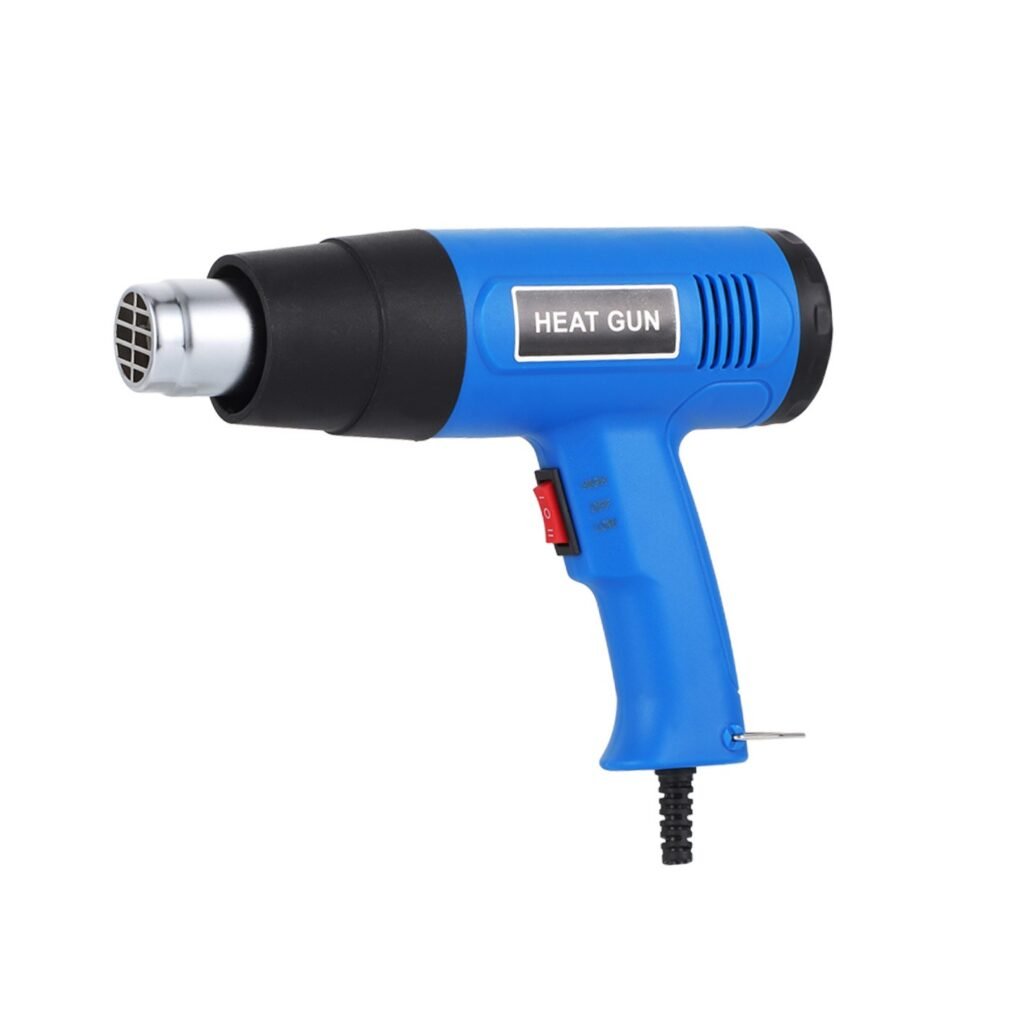
While an electric heat gun is the industry standard for activating heat shrink tubing, it is not always the most practical or accessible tool for every scenario. Resourcefulness is key in electrical maintenance, and understanding how to achieve a professional-grade seal with alternative heat sources ensures that your projects never stall due to a lack of specialized equipment.
Quick Fixes and DIY Home Projects
For the casual hobbyist or homeowner, investing in a dedicated heat gun for a one-off repair is often unnecessary. Many household tasks require only a small amount of heat shrink material to provide insulation or strain relief.
- Cost Savings: Avoid the expense of professional-grade tools for simple, low-frequency repairs.
- Space Efficiency: Eliminates the need to store bulky equipment for minor plastic heat shrink applications.
- Immediate Results: Use readily available household items to finish a project without waiting for a tool delivery.
Emergency On-the-Go Cable Repairs
Fieldwork and emergency situations often occur far from a reliable power source, making corded tools impossible to use. In these environments, the ability to apply cable heat shrink using portable heat sources is a critical skill.
- Remote Locations: Essential for automotive, marine, or outdoor repairs where electrical outlets are unavailable.
- Compact Solutions: Small, portable heat sources are easier to carry in a mobile toolkit or glove box.
- Rapid Response: Provides an instant fix for exposed wires, preventing short circuits and further equipment damage in real-time.
Top 4 Methods to Use Heat Shrink Tubing Without a Heat Gun
If you don’t have a professional heat gun in your toolbox, you can still achieve a tight, protective seal on your wires. I have found that several everyday tools work perfectly well for shrinking heat shrink material as long as you apply the heat evenly and stay patient during the process.
Method 1: Using a Hair Dryer for Gentle Heating
A standard hair dryer is the safest alternative for beginners. While it doesn’t reach the intense temperatures of a dedicated heat gun, it provides enough warmth for thin-walled plastic heat shrink used in basic electronics.
- Set to High: Use the highest heat and lowest airspeed settings available.
- Close Proximity: You will need to hold the nozzle very close to the tubing—usually within an inch.
- Patience is Key: It will take significantly longer than other methods, but it drastically reduces the risk of burning the wire insulation or the tubing itself.
Method 2: Using a Lighter or Matches
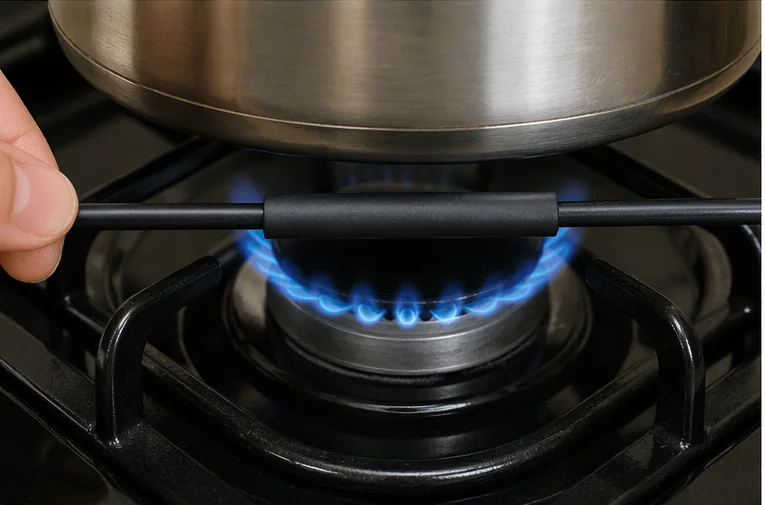
This is the most common “field repair” method. It works quickly for most heat shrink tubing sizes, but it requires a steady hand to avoid scorching the surface or leaving carbon soot behind.
- Use the Blue Flame: The yellow part of the flame produces soot; the blue base is cleaner and provides more consistent heat.
- cURL Too many subrequests by single Worker invocation. To configure this limit, refer to https://developers.cloudflare.com/workers/wrangler/configuration/#limits cURL Too many subrequests by single Worker invocation. To configure this limit, refer to https://developers.cloudflare.com/workers/wrangler/configuration/#limits
- cURL Too many subrequests by single Worker invocation. To configure this limit, refer to https://developers.cloudflare.com/workers/wrangler/configuration/#limits cURL Too many subrequests by single Worker invocation. To configure this limit, refer to https://developers.cloudflare.com/workers/wrangler/configuration/#limits
cURL Too many subrequests by single Worker invocation. To configure this limit, refer to https://developers.cloudflare.com/workers/wrangler/configuration/#limits
cURL Too many subrequests by single Worker invocation. To configure this limit, refer to https://developers.cloudflare.com/workers/wrangler/configuration/#limits
- cURL Too many subrequests by single Worker invocation. To configure this limit, refer to https://developers.cloudflare.com/workers/wrangler/configuration/#limits cURL Too many subrequests by single Worker invocation. To configure this limit, refer to https://developers.cloudflare.com/workers/wrangler/configuration/#limits cURL Too many subrequests by single Worker invocation. To configure this limit, refer to https://developers.cloudflare.com/workers/wrangler/configuration/#limits cURL Too many subrequests by single Worker invocation. To configure this limit, refer to https://developers.cloudflare.com/workers/wrangler/configuration/#limits
- cURL Too many subrequests by single Worker invocation. To configure this limit, refer to https://developers.cloudflare.com/workers/wrangler/configuration/#limits cURL Too many subrequests by single Worker invocation. To configure this limit, refer to https://developers.cloudflare.com/workers/wrangler/configuration/#limits
- Cable Management: cURL Too many subrequests by single Worker invocation. To configure this limit, refer to https://developers.cloudflare.com/workers/wrangler/configuration/#limits cURL Too many subrequests by single Worker invocation. To configure this limit, refer to https://developers.cloudflare.com/workers/wrangler/configuration/#limits cURL Too many subrequests by single Worker invocation. To configure this limit, refer to https://developers.cloudflare.com/workers/wrangler/configuration/#limits
cURL Too many subrequests by single Worker invocation. To configure this limit, refer to https://developers.cloudflare.com/workers/wrangler/configuration/#limits
cURL Too many subrequests by single Worker invocation. To configure this limit, refer to https://developers.cloudflare.com/workers/wrangler/configuration/#limits
- cURL Too many subrequests by single Worker invocation. To configure this limit, refer to https://developers.cloudflare.com/workers/wrangler/configuration/#limits cURL Too many subrequests by single Worker invocation. To configure this limit, refer to https://developers.cloudflare.com/workers/wrangler/configuration/#limits
- cURL Too many subrequests by single Worker invocation. To configure this limit, refer to https://developers.cloudflare.com/workers/wrangler/configuration/#limits cURL Too many subrequests by single Worker invocation. To configure this limit, refer to https://developers.cloudflare.com/workers/wrangler/configuration/#limits
- cURL Too many subrequests by single Worker invocation. To configure this limit, refer to https://developers.cloudflare.com/workers/wrangler/configuration/#limits cURL Too many subrequests by single Worker invocation. To configure this limit, refer to https://developers.cloudflare.com/workers/wrangler/configuration/#limits cURL Too many subrequests by single Worker invocation. To configure this limit, refer to https://developers.cloudflare.com/workers/wrangler/configuration/#limits cURL Too many subrequests by single Worker invocation. To configure this limit, refer to https://developers.cloudflare.com/workers/wrangler/configuration/#limits
cURL Too many subrequests by single Worker invocation. To configure this limit, refer to https://developers.cloudflare.com/workers/wrangler/configuration/#limits
cURL Too many subrequests by single Worker invocation. To configure this limit, refer to https://developers.cloudflare.com/workers/wrangler/configuration/#limits
cURL Too many subrequests by single Worker invocation. To configure this limit, refer to https://developers.cloudflare.com/workers/wrangler/configuration/#limits
cURL Too many subrequests by single Worker invocation. To configure this limit, refer to https://developers.cloudflare.com/workers/wrangler/configuration/#limits
cURL Too many subrequests by single Worker invocation. To configure this limit, refer to https://developers.cloudflare.com/workers/wrangler/configuration/#limits diversi tipi di fascette cURL Too many subrequests by single Worker invocation. To configure this limit, refer to https://developers.cloudflare.com/workers/wrangler/configuration/#limits
- cURL Too many subrequests by single Worker invocation. To configure this limit, refer to https://developers.cloudflare.com/workers/wrangler/configuration/#limits cURL Too many subrequests by single Worker invocation. To configure this limit, refer to https://developers.cloudflare.com/workers/wrangler/configuration/#limits
- cURL Too many subrequests by single Worker invocation. To configure this limit, refer to https://developers.cloudflare.com/workers/wrangler/configuration/#limits cURL Too many subrequests by single Worker invocation. To configure this limit, refer to https://developers.cloudflare.com/workers/wrangler/configuration/#limits
- cURL Too many subrequests by single Worker invocation. To configure this limit, refer to https://developers.cloudflare.com/workers/wrangler/configuration/#limits cURL Too many subrequests by single Worker invocation. To configure this limit, refer to https://developers.cloudflare.com/workers/wrangler/configuration/#limits
cURL Too many subrequests by single Worker invocation. To configure this limit, refer to https://developers.cloudflare.com/workers/wrangler/configuration/#limits
cURL Too many subrequests by single Worker invocation. To configure this limit, refer to https://developers.cloudflare.com/workers/wrangler/configuration/#limits
cURL Too many subrequests by single Worker invocation. To configure this limit, refer to https://developers.cloudflare.com/workers/wrangler/configuration/#limits
cURL Too many subrequests by single Worker invocation. To configure this limit, refer to https://developers.cloudflare.com/workers/wrangler/configuration/#limits
- cURL Too many subrequests by single Worker invocation. To configure this limit, refer to https://developers.cloudflare.com/workers/wrangler/configuration/#limits cURL Too many subrequests by single Worker invocation. To configure this limit, refer to https://developers.cloudflare.com/workers/wrangler/configuration/#limits cURL Too many subrequests by single Worker invocation. To configure this limit, refer to https://developers.cloudflare.com/workers/wrangler/configuration/#limits cURL Too many subrequests by single Worker invocation. To configure this limit, refer to https://developers.cloudflare.com/workers/wrangler/configuration/#limits
- Choose your material: Standard polyolefin is the most common heat shrink material for everyday repairs.
- Color code your work: Keep your wiring organized by using black heat shrink for standard connections, or utilize white heat shrink and green heat shrink to easily identify specific circuits and ground wires later.
Cutting and Positioning the Tubing Properly
A sloppy cut will ruin your cable heat shrink before you even apply heat. Jagged edges create stress concentrations that cause the tubing to split open as it contracts.
- Make clean cuts: Always use sharp scissors or a razor blade to ensure the ends of the tubing are perfectly smooth.
- Account for shrinkage: Tubing loses a small amount of length (longitudinal shrinkage) when heated. Cut the piece slightly longer than the exposed wire area.
- Overlap the insulation: Center the tubing over the repair. Make sure it overlaps the original wire jacket on both sides by at least a quarter of an inch to guarantee a secure, protective seal.
Techniques for Even Heating and Shrinking
When using heat shrink tubing without an electric heat gun, you must control the heat application carefully to avoid scorching the wire.
- Start from the center: Always apply heat to the middle of the tubing first, then slowly work your way out to the edges. This technique forces trapped air out and prevents bubbling.
- Keep it moving: Never hold your alternative heat source stationary. Continuously rotate the wire or move the heat source back and forth to distribute the heat evenly.
- Monitor the heat shrink temperature: Apply just enough heat to make the heat wrap for wires contract. If you see smoke or the tubing starts to discolor, pull the heat away immediately.
Crucial Safety Precautions for Heat Shrinking
Ensuring Proper Work Space Ventilation
Safety is my top priority whenever I am working with heat shrink material. When you learn how to use heat shrink tubing without a heat gun, you are often forced to use higher-intensity heat sources like lighters or butane torches. These sources can cause the tubing to off-gas or produce light smoke if the material gets too hot.
- Fresh Air Flow: Always work near an open window or in a garage with the door open to dissipate fumes.
- Avoid Direct Inhalation: Never lean directly over the wire while applying heat to avoid breathing in chemical vapors.
- Fire-Safe Zone: Clear your workspace of flammable liquids, paper, or debris before starting.
Protecting Surrounding Wires from Heat Damage
One of the biggest risks of using an open flame is damaging the insulation on adjacent wires. Unlike a precision tool, a lighter spreads heat in a wide radius, which can easily melt nearby plastic. I recommend using a temporary heat shield, such as a piece of folded aluminum foil, to mask off sensitive components.
For those managing complex bundles, using a guaina a spirale in plastica per cavi is an excellent way to keep surrounding wires organized and shielded from accidental contact with your heat source. Closely monitoring the heat shrink temperature is vital; if the tubing begins to smoke or turn black, you are too close. Move the heat source back immediately to prevent compromising the integrity of the heat shrink tubing or the wire insulation beneath it.
Domande frequenti (FAQ)
Can I Use Electrical Tape Instead of Heat Shrink Tubing?
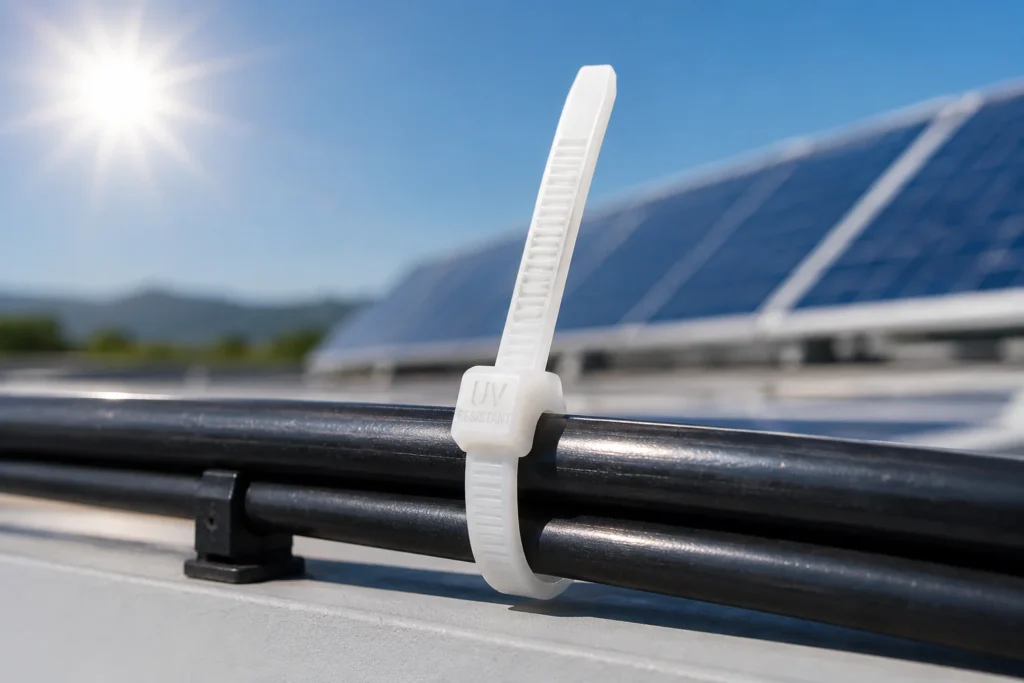
While electrical tape works for a quick fix, it is not a permanent replacement for heat shrink tubing. Tape adhesive tends to dry out, unravel, or become gummy over time, especially when exposed to heat or moisture. Heat shrink provides a much tighter, more durable mechanical seal that protects the wire from environmental factors. For organizing larger bundles where tubing isn’t practical, I suggest using plastic zip ties to maintain a clean and secure setup.
What Temperature is Required to Shrink the Tubing?
cURL Too many subrequests by single Worker invocation. To configure this limit, refer to https://developers.cloudflare.com/workers/wrangler/configuration/#limits
cURL Too many subrequests by single Worker invocation. To configure this limit, refer to https://developers.cloudflare.com/workers/wrangler/configuration/#limits
cURL Too many subrequests by single Worker invocation. To configure this limit, refer to https://developers.cloudflare.com/workers/wrangler/configuration/#limits



 IT
IT  EN
EN  AR
AR  ES
ES  PT
PT  FR
FR  RU
RU  DE
DE  KO
KO  JA
JA