Whether you are securing wires in a server room or organizing cables at home, the plastic zip tie is an essential tool. Made predominantly from durable nylon, these fasteners offer incredible tensile strength and reliability. Understanding how these self locking zip ties function is the first step to mastering how to manipulate, remove, or even bypass them without causing damage to the secured items.
How the Locking Mechanism Works
The genius of self locking cable ties lies in their simple yet highly effective ratchet-and-pawl design. When you examine a standard zip tie, you will notice two main components:
The Strap: Covered with evenly spaced, angled teeth (or ridges) along one side.
The Head: Contains a small, flexible plastic tab called the pawl.
As you insert the tapered end of the strap into the head, the pawl rides over the angled teeth. Because of the angle, the strap can easily glide forward. However, the moment you try to pull it backward, the pawl drops into the groove between the teeth, locking the strap firmly in place. This one-way friction mechanism is exactly what makes a self-locking plastic zip tie so secure.
Differences Between Single-Use and Reusable Ties
Not all nylon plastic cable ties are created equal. Depending on your project requirements, you may encounter both traditional single-use designs and purpose-built reusable variants. Understanding the structural differences is crucial when attempting a safe removal.
Caratteristica
Standard Single-Use Zip Ties
Reusable Zip Ties
Locking Tab
Concealed and flush within the head
Extended, visible trigger tab
Release Method
Requires a shim or removal tool
Simply press the external trigger
Primary Use
Permanent bundling, security seals
Temporary holds, frequent modifications
Costo
Highly economical in bulk
Slightly higher upfront cost
Standard plastic ties for cables are engineered to stay closed forever, requiring specific techniques to disengage the internal locking tab. Conversely, reusable tie wraps feature an integrated release mechanism—usually a small lever on the head—that allows you to easily depress the pawl and slide the strap freely in either direction.
Tools Needed to Undo a Zip Tie Without Cutting
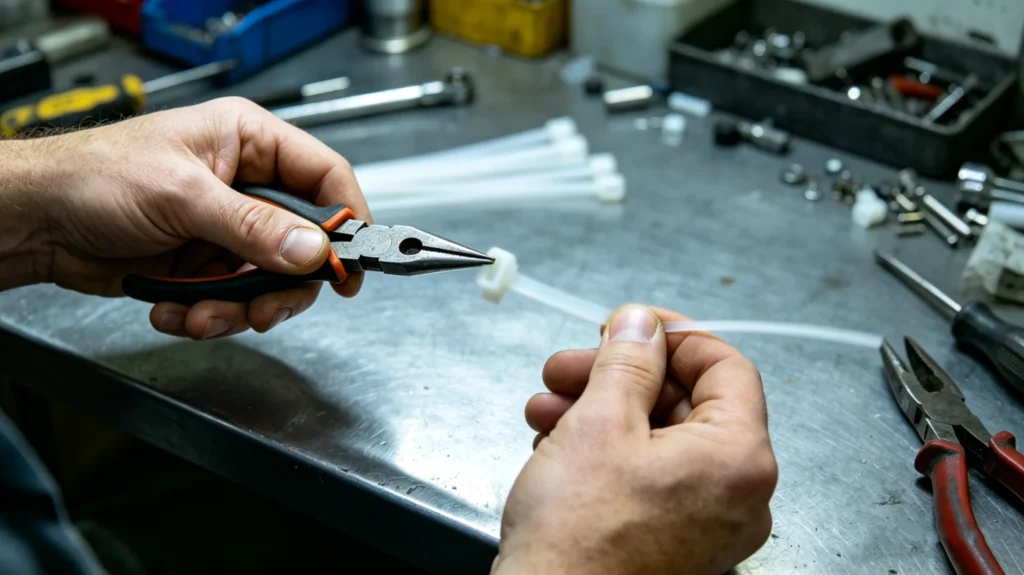
When you need to remove a zip tie but want to save it for later, cutting isn’t your only option. You do not necessarily need a specialized zip tie removal tool. By understanding the locking mechanism of self locking cable ties, I can show you how to open them using common household items. The goal is to press down the small locking pawl inside the head so the strap can slide back out.
Using a Safety Pin or Needle
For small to medium ties, a safety pin or a thick sewing needle works perfectly. These items are thin enough to fit into the tight space of the locking head.
Slide the pin between the ribbed strap and the locking tab.
Press down firmly to disengage the teeth.
cURL Too many subrequests by single Worker invocation. To configure this limit, refer to https://developers.cloudflare.com/workers/wrangler/configuration/#limits cURL Too many subrequests by single Worker invocation. To configure this limit, refer to https://developers.cloudflare.com/workers/wrangler/configuration/#limits
cURL Too many subrequests by single Worker invocation. To configure this limit, refer to https://developers.cloudflare.com/workers/wrangler/configuration/#limits
cURL Too many subrequests by single Worker invocation. To configure this limit, refer to https://developers.cloudflare.com/workers/wrangler/configuration/#limits plastic zip tiescURL Too many subrequests by single Worker invocation. To configure this limit, refer to https://developers.cloudflare.com/workers/wrangler/configuration/#limits
cURL Too many subrequests by single Worker invocation. To configure this limit, refer to https://developers.cloudflare.com/workers/wrangler/configuration/#limits
cURL Too many subrequests by single Worker invocation. To configure this limit, refer to https://developers.cloudflare.com/workers/wrangler/configuration/#limits
cURL Too many subrequests by single Worker invocation. To configure this limit, refer to https://developers.cloudflare.com/workers/wrangler/configuration/#limits cURL Too many subrequests by single Worker invocation. To configure this limit, refer to https://developers.cloudflare.com/workers/wrangler/configuration/#limits
cURL Too many subrequests by single Worker invocation. To configure this limit, refer to https://developers.cloudflare.com/workers/wrangler/configuration/#limits cURL Too many subrequests by single Worker invocation. To configure this limit, refer to https://developers.cloudflare.com/workers/wrangler/configuration/#limits
cURL Too many subrequests by single Worker invocation. To configure this limit, refer to https://developers.cloudflare.com/workers/wrangler/configuration/#limits cURL Too many subrequests by single Worker invocation. To configure this limit, refer to https://developers.cloudflare.com/workers/wrangler/configuration/#limits
cURL Too many subrequests by single Worker invocation. To configure this limit, refer to https://developers.cloudflare.com/workers/wrangler/configuration/#limits
cURL Too many subrequests by single Worker invocation. To configure this limit, refer to https://developers.cloudflare.com/workers/wrangler/configuration/#limits
cURL Too many subrequests by single Worker invocation. To configure this limit, refer to https://developers.cloudflare.com/workers/wrangler/configuration/#limits
cURL Too many subrequests by single Worker invocation. To configure this limit, refer to https://developers.cloudflare.com/workers/wrangler/configuration/#limits
cURL Too many subrequests by single Worker invocation. To configure this limit, refer to https://developers.cloudflare.com/workers/wrangler/configuration/#limits fascette stringicavo in plastica cURL Too many subrequests by single Worker invocation. To configure this limit, refer to https://developers.cloudflare.com/workers/wrangler/configuration/#limits
cURL Too many subrequests by single Worker invocation. To configure this limit, refer to https://developers.cloudflare.com/workers/wrangler/configuration/#limits
cURL Too many subrequests by single Worker invocation. To configure this limit, refer to https://developers.cloudflare.com/workers/wrangler/configuration/#limits
cURL Too many subrequests by single Worker invocation. To configure this limit, refer to https://developers.cloudflare.com/workers/wrangler/configuration/#limits cURL Too many subrequests by single Worker invocation. To configure this limit, refer to https://developers.cloudflare.com/workers/wrangler/configuration/#limits
cURL Too many subrequests by single Worker invocation. To configure this limit, refer to https://developers.cloudflare.com/workers/wrangler/configuration/#limits cURL Too many subrequests by single Worker invocation. To configure this limit, refer to https://developers.cloudflare.com/workers/wrangler/configuration/#limits
cURL Too many subrequests by single Worker invocation. To configure this limit, refer to https://developers.cloudflare.com/workers/wrangler/configuration/#limits
cURL Too many subrequests by single Worker invocation. To configure this limit, refer to https://developers.cloudflare.com/workers/wrangler/configuration/#limits
cURL Too many subrequests by single Worker invocation. To configure this limit, refer to https://developers.cloudflare.com/workers/wrangler/configuration/#limits cURL Too many subrequests by single Worker invocation. To configure this limit, refer to https://developers.cloudflare.com/workers/wrangler/configuration/#limits
cURL Too many subrequests by single Worker invocation. To configure this limit, refer to https://developers.cloudflare.com/workers/wrangler/configuration/#limits cURL Too many subrequests by single Worker invocation. To configure this limit, refer to https://developers.cloudflare.com/workers/wrangler/configuration/#limits
cURL Too many subrequests by single Worker invocation. To configure this limit, refer to https://developers.cloudflare.com/workers/wrangler/configuration/#limits cURL Too many subrequests by single Worker invocation. To configure this limit, refer to https://developers.cloudflare.com/workers/wrangler/configuration/#limits
cURL Too many subrequests by single Worker invocation. To configure this limit, refer to https://developers.cloudflare.com/workers/wrangler/configuration/#limits
cURL Too many subrequests by single Worker invocation. To configure this limit, refer to https://developers.cloudflare.com/workers/wrangler/configuration/#limits
cURL Too many subrequests by single Worker invocation. To configure this limit, refer to https://developers.cloudflare.com/workers/wrangler/configuration/#limits
cURL Too many subrequests by single Worker invocation. To configure this limit, refer to https://developers.cloudflare.com/workers/wrangler/configuration/#limits
cURL Too many subrequests by single Worker invocation. To configure this limit, refer to https://developers.cloudflare.com/workers/wrangler/configuration/#limits
cURL Too many subrequests by single Worker invocation. To configure this limit, refer to https://developers.cloudflare.com/workers/wrangler/configuration/#limits
cURL Too many subrequests by single Worker invocation. To configure this limit, refer to https://developers.cloudflare.com/workers/wrangler/configuration/#limits
cURL Too many subrequests by single Worker invocation. To configure this limit, refer to https://developers.cloudflare.com/workers/wrangler/configuration/#limits manette con fascette.
cURL Too many subrequests by single Worker invocation. To configure this limit, refer to https://developers.cloudflare.com/workers/wrangler/configuration/#limits
cURL Too many subrequests by single Worker invocation. To configure this limit, refer to https://developers.cloudflare.com/workers/wrangler/configuration/#limits
cURL Too many subrequests by single Worker invocation. To configure this limit, refer to https://developers.cloudflare.com/workers/wrangler/configuration/#limits
cURL Too many subrequests by single Worker invocation. To configure this limit, refer to https://developers.cloudflare.com/workers/wrangler/configuration/#limits
Wiggle and pull: Use your teeth to pull one side while twisting your hand out of the loop.
Shimming the Zip Tie Lock
If you cannot use brute force or slip out, you can shim the lock to remove the zip tie.
Find a shim: Look for anything thin and rigid—a Bobby pin, the tip of a shoelace, or a stiff piece of plastic.
Insert into the lock: Slide the shim right between the toothed strap and the locking tab.
Disengage: Press down to flatten the tab, releasing the teeth, and pull the strap out.
Reusing Zip Ties and Alternatives
Is It Safe to Reuse Standard Zip Ties?
Once you successfully figure out how to break a selflocking plastic zip tie or remove cable ties without cutting them, you might be tempted to use them again. Technically, you can reuse them, but I always recommend doing so with caution.
Bending the internal locking pawl backwards puts stress on the plastic mechanism. Every time you manipulate that tiny tab, you weaken its holding strength.
Lightweight tasks: If you are just bundling loose wires on your desk, reusing a standard tie is usually fine.
Heavy-duty or critical loads: Never reuse a standard zip tie for heavy items, automotive repairs, or securing structural elements.
Outdoor use: If your application is outdoors, a weakened reused tie will fail even faster under the sun. In these cases, it is much safer to grab fresh weather-resistant cable ties instead of risking a broken bundle.
Choosing Purpose-Built Reusable Cable Ties
If you find yourself constantly needing to undo and adjust your bundles, standard single-use ties are simply the wrong tool for the job. Instead, you should switch to purpose-built reusable wire ties.
These removable zip ties are manufactured with an extended trigger mechanism. You just press the tab with your thumb, and the strap slides right out—no needles or screwdrivers required.
Temporary setups: Reusable tie wraps are perfect for temporary event setups, IT server rooms, and constantly changing workspaces.
Plant care: They are highly popular in agriculture. For example, using green cable ties for gardening allows you to loosen the strap as your plants grow without strangling the stems.
Eco-friendly and cost-effective: Removable tie wraps might cost a few cents more upfront, but they drastically reduce plastic waste and save you money in the long run since you never have to cut them off and throw them away.
Ti sei mai chiesto come semplificare il sistema di cablaggio del tuo veicolo? Le fascette per auto offrono una soluzione efficiente per ottimizzare il cablaggio automobilistico e il fissaggio dei componenti. Questi elementi di fissaggio versatili offrono resistenza, durata e facilità d'uso, rendendoli ideali per organizzare e fissare componenti elettrici nei veicoli. In questo post, esploreremo tecniche pratiche per sfruttare le fascette in nylon per [...]
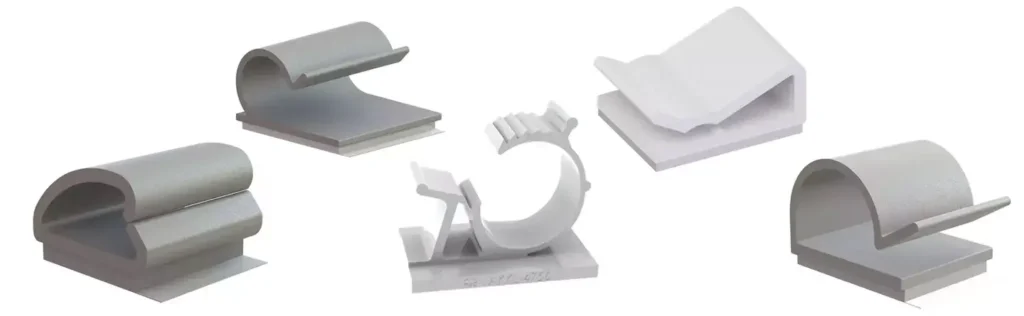
Cosa sono le clip adesive per cavi? Le clip adesive per cavi sono piccoli e pratici dispositivi progettati per mantenere i tuoi cavi e fili organizzati e fuori dalla vista, senza il fastidio di forare o lottare con le viti. Ogni clip è dotata di un retro autoadesivo che aderisce saldamente a superfici lisce come plastica, vetro, metallo o pareti verniciate. Ciò significa che [...]
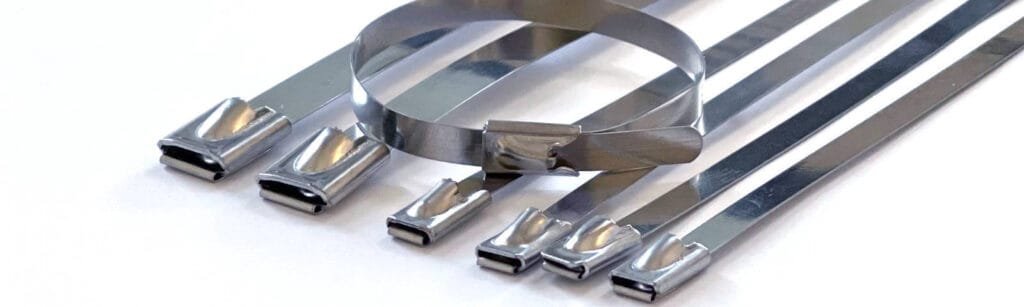
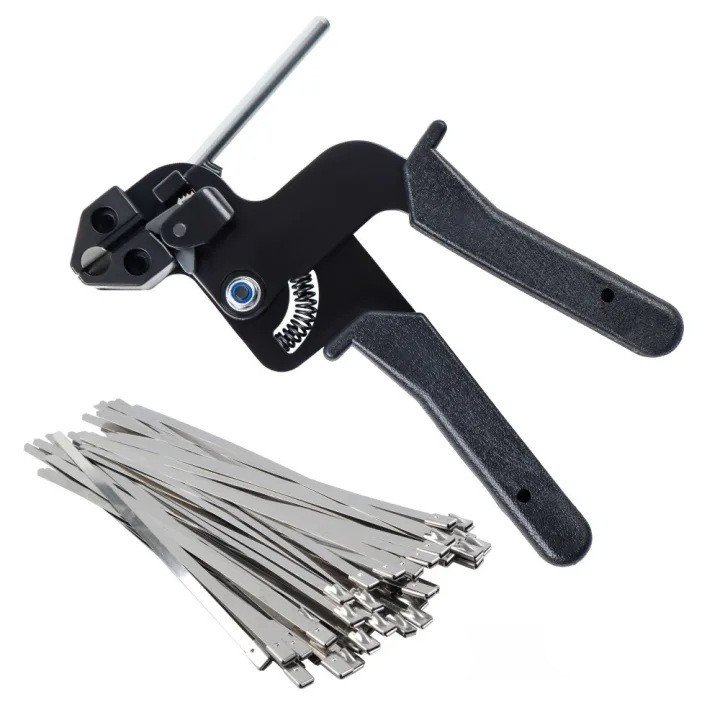
I due tipi più comuni sono le fascette in nylon e quelle in metallo. Quando si tratta di fissare cavi, fili e tubi in ambienti industriali, commerciali o domestici, le fascette svolgono un ruolo fondamentale. Le fascette in nylon sono popolari perché sono economiche, resistenti e versatili. Tuttavia, in determinate situazioni, le fascette in metallo offrono chiari vantaggi. L'acciaio inossidabile [...]
Utilizziamo i cookie per migliorare la tua esperienza di navigazione, offrire annunci o contenuti personalizzati e analizzare il nostro traffico. Cliccando su "Accetta tutto", acconsenti al nostro utilizzo dei cookie.
Cerchi fascette in nylon di alta qualità a un ottimo prezzo?
Ordina ora per provare prodotti di fascette convenienti che offrono praticità e protezione per il tuo lavoro e la tua vita.



 IT
IT  EN
EN  AR
AR  ES
ES  PT
PT  FR
FR  RU
RU  DE
DE  KO
KO  JA
JA