cURL Too many subrequests by single Worker invocation. To configure this limit, refer to https://developers.cloudflare.com/workers/wrangler/configuration/#limits
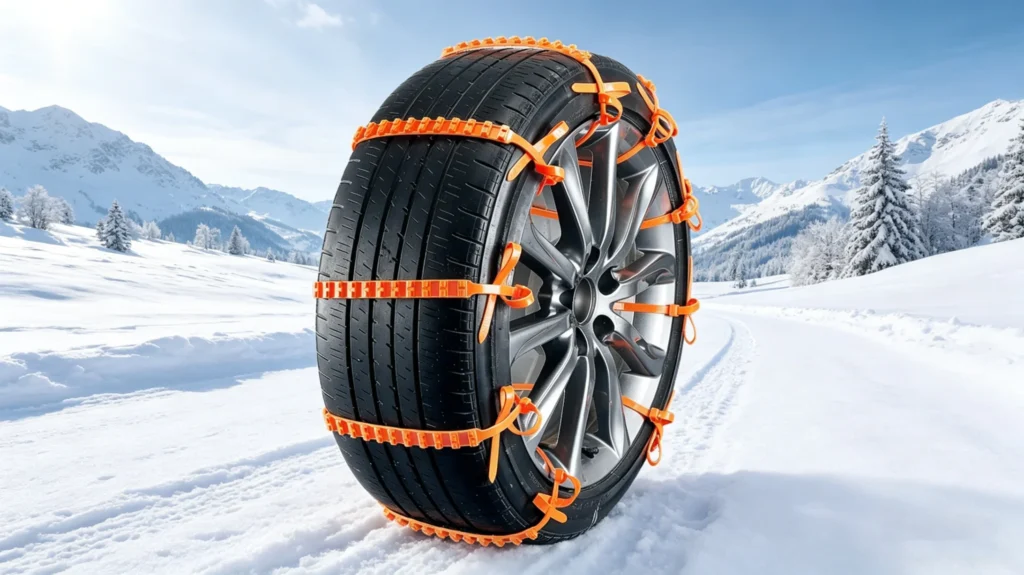
Plastic zip ties for snow chains are temporary, emergency traction devices designed to help vehicles regain grip in slippery conditions. Unlike traditional wraps, these snow tire zip ties consist of individual, heavy-duty plastic straps featuring integrated cleats or anti-skid studs. They are designed to be fed through the wheel rim and cinched tightly around the tire tread, creating a series of raised points that bite into snow, mud, or sand.
How They Differ from Traditional Metal Chains
The fundamental difference between zip ties as snow chains and traditional steel chains is their weight and ease of use. Metal chains are heavy, cumbersome, and often require the vehicle to be driven forward or backward during installation. In contrast, plastic traction ties are lightweight and can be installed while the vehicle is completely stationary or even stuck.
Caratteristica
Plastic Zip Ties
Traditional Metal Chains
Materiale
Industrial-grade Nylon / TPU
Hardened Steel Alloy
cURL Too many subrequests by single Worker invocation. To configure this limit, refer to https://developers.cloudflare.com/workers/wrangler/configuration/#limits
Minimal (Portable)
Heavy (Requires storage space)
Installation Time
2–5 minutes
15–30 minutes
Vehicle Movement
Not required for install
Usually required to seat chains
cURL Too many subrequests by single Worker invocation. To configure this limit, refer to https://developers.cloudflare.com/workers/wrangler/configuration/#limits
Often single-use/disposable
High (Multi-season)
Common Materials and Strength Ratings
High-performance cable tie snow chains are typically manufactured from Nylon 66 or Thermoplastic Polyurethane (TPU). These materials are specifically engineered to maintain structural integrity in extreme environments.
Cold Resistance: Quality ties are rated to remain flexible and functional in temperatures as low as -35°C (-31°F) to prevent snapping.
cURL Too many subrequests by single Worker invocation. To configure this limit, refer to https://developers.cloudflare.com/workers/wrangler/configuration/#limits Industrial-grade versions feature high-tensile locking mechanisms to ensure the tie does not fly off under the high torque of a spinning wheel.
Tread Design: The outer surface features aggressive “teeth” or friction blocks designed to maximize surface area contact with the ground.
Do Plastic Zip Tie Snow Chains Actually Work?
Effectiveness in Light Snow vs. Deep Ice
I have found that zip ties for snow chains perform best in specific, short-term scenarios. In fresh, light snow, these ties act as temporary cleats, providing the extra bite needed to move forward. However, their performance on hard-packed deep ice is significantly lower. Plastic lacks the “bite” of hardened steel, and these snow chain cable ties can slide across frozen surfaces rather than digging in. They are a traction aid for soft surfaces rather than a solution for severe icy conditions.
Performance for Getting a Vehicle Unstuck
This is where snow tire zip ties really earn their keep. If your vehicle is spinning in a driveway or a parking spot, these ties provide the immediate friction required to regain momentum. They are emergency recovery tools designed for quick deployment. Because they can be looped through the rim while the vehicle is already immobile, they offer a massive advantage over traditional chains that usually require the car to be moved during installation. Understanding come usare fascette stringicavo as a recovery tool is a practical skill for any driver facing unexpected winter weather.
Durability and Expected Lifespan on Dry Pavement
Durability is the primary trade-off when using zip ties as snow chains. These are strictly emergency, single-use items.
Dry Pavement: cURL Too many subrequests by single Worker invocation. To configure this limit, refer to https://developers.cloudflare.com/workers/wrangler/configuration/#limits
cURL Too many subrequests by single Worker invocation. To configure this limit, refer to https://developers.cloudflare.com/workers/wrangler/configuration/#limits cURL Too many subrequests by single Worker invocation. To configure this limit, refer to https://developers.cloudflare.com/workers/wrangler/configuration/#limits
Cold Resistance: cURL Too many subrequests by single Worker invocation. To configure this limit, refer to https://developers.cloudflare.com/workers/wrangler/configuration/#limits
cURL Too many subrequests by single Worker invocation. To configure this limit, refer to https://developers.cloudflare.com/workers/wrangler/configuration/#limits
cURL Too many subrequests by single Worker invocation. To configure this limit, refer to https://developers.cloudflare.com/workers/wrangler/configuration/#limits
cURL Too many subrequests by single Worker invocation. To configure this limit, refer to https://developers.cloudflare.com/workers/wrangler/configuration/#limits
cURL Too many subrequests by single Worker invocation. To configure this limit, refer to https://developers.cloudflare.com/workers/wrangler/configuration/#limits
cURL Too many subrequests by single Worker invocation. To configure this limit, refer to https://developers.cloudflare.com/workers/wrangler/configuration/#limits cURL Too many subrequests by single Worker invocation. To configure this limit, refer to https://developers.cloudflare.com/workers/wrangler/configuration/#limits
cURL Too many subrequests by single Worker invocation. To configure this limit, refer to https://developers.cloudflare.com/workers/wrangler/configuration/#limits cURL Too many subrequests by single Worker invocation. To configure this limit, refer to https://developers.cloudflare.com/workers/wrangler/configuration/#limits
cURL Too many subrequests by single Worker invocation. To configure this limit, refer to https://developers.cloudflare.com/workers/wrangler/configuration/#limits cURL Too many subrequests by single Worker invocation. To configure this limit, refer to https://developers.cloudflare.com/workers/wrangler/configuration/#limits
cURL Too many subrequests by single Worker invocation. To configure this limit, refer to https://developers.cloudflare.com/workers/wrangler/configuration/#limits
cURL Too many subrequests by single Worker invocation. To configure this limit, refer to https://developers.cloudflare.com/workers/wrangler/configuration/#limits
cURL Too many subrequests by single Worker invocation. To configure this limit, refer to https://developers.cloudflare.com/workers/wrangler/configuration/#limits
cURL Too many subrequests by single Worker invocation. To configure this limit, refer to https://developers.cloudflare.com/workers/wrangler/configuration/#limits
Traditional Metal Chains
cURL Too many subrequests by single Worker invocation. To configure this limit, refer to https://developers.cloudflare.com/workers/wrangler/configuration/#limits
cURL Too many subrequests by single Worker invocation. To configure this limit, refer to https://developers.cloudflare.com/workers/wrangler/configuration/#limits
cURL Too many subrequests by single Worker invocation. To configure this limit, refer to https://developers.cloudflare.com/workers/wrangler/configuration/#limits
cURL Too many subrequests by single Worker invocation. To configure this limit, refer to https://developers.cloudflare.com/workers/wrangler/configuration/#limits
cURL Too many subrequests by single Worker invocation. To configure this limit, refer to https://developers.cloudflare.com/workers/wrangler/configuration/#limits
cURL Too many subrequests by single Worker invocation. To configure this limit, refer to https://developers.cloudflare.com/workers/wrangler/configuration/#limits
Storage
cURL Too many subrequests by single Worker invocation. To configure this limit, refer to https://developers.cloudflare.com/workers/wrangler/configuration/#limits
cURL Too many subrequests by single Worker invocation. To configure this limit, refer to https://developers.cloudflare.com/workers/wrangler/configuration/#limits
cURL Too many subrequests by single Worker invocation. To configure this limit, refer to https://developers.cloudflare.com/workers/wrangler/configuration/#limits
None
cURL Too many subrequests by single Worker invocation. To configure this limit, refer to https://developers.cloudflare.com/workers/wrangler/configuration/#limits
cURL Too many subrequests by single Worker invocation. To configure this limit, refer to https://developers.cloudflare.com/workers/wrangler/configuration/#limits
cURL Too many subrequests by single Worker invocation. To configure this limit, refer to https://developers.cloudflare.com/workers/wrangler/configuration/#limits
cURL Too many subrequests by single Worker invocation. To configure this limit, refer to https://developers.cloudflare.com/workers/wrangler/configuration/#limits
cURL Too many subrequests by single Worker invocation. To configure this limit, refer to https://developers.cloudflare.com/workers/wrangler/configuration/#limits
cURL Too many subrequests by single Worker invocation. To configure this limit, refer to https://developers.cloudflare.com/workers/wrangler/configuration/#limits
cURL Too many subrequests by single Worker invocation. To configure this limit, refer to https://developers.cloudflare.com/workers/wrangler/configuration/#limits
cURL Too many subrequests by single Worker invocation. To configure this limit, refer to https://developers.cloudflare.com/workers/wrangler/configuration/#limits
cURL Too many subrequests by single Worker invocation. To configure this limit, refer to https://developers.cloudflare.com/workers/wrangler/configuration/#limits
cURL Too many subrequests by single Worker invocation. To configure this limit, refer to https://developers.cloudflare.com/workers/wrangler/configuration/#limits
cURL Too many subrequests by single Worker invocation. To configure this limit, refer to https://developers.cloudflare.com/workers/wrangler/configuration/#limits cURL Too many subrequests by single Worker invocation. To configure this limit, refer to https://developers.cloudflare.com/workers/wrangler/configuration/#limits
cURL Too many subrequests by single Worker invocation. To configure this limit, refer to https://developers.cloudflare.com/workers/wrangler/configuration/#limits cURL Too many subrequests by single Worker invocation. To configure this limit, refer to https://developers.cloudflare.com/workers/wrangler/configuration/#limits
cURL Too many subrequests by single Worker invocation. To configure this limit, refer to https://developers.cloudflare.com/workers/wrangler/configuration/#limits cURL Too many subrequests by single Worker invocation. To configure this limit, refer to https://developers.cloudflare.com/workers/wrangler/configuration/#limits
Plastic simply lacks the “bite” required for truly dangerous road conditions. While cable ties for snow chains might offer a slight boost in soft slush, they are largely ineffective on hard-packed black ice. Steel chains are engineered to cut into frozen surfaces to provide a mechanical lock, whereas plastic ties tend to glide over the ice. This often results in a false sense of security, which can be dangerous when attempting to navigate steep grades or sharp turns in freezing weather.
How to Install and Use Zip Tie Snow Chains Correctly
If you are wondering do plastic zip tie snow chains work, the answer often depends on your installation technique. These are emergency traction aids, and they only perform if they are secured tightly and spaced correctly across the tire tread.
Step-by-Step Installation Process
Thread the Rim: Pass the strap through the openings in your wheel rim. Ensure the strap doesn’t interfere with the brake calipers or internal sensors.
Orient the Cleats: The “teeth” or ridges must face the ground to dig into the snow.
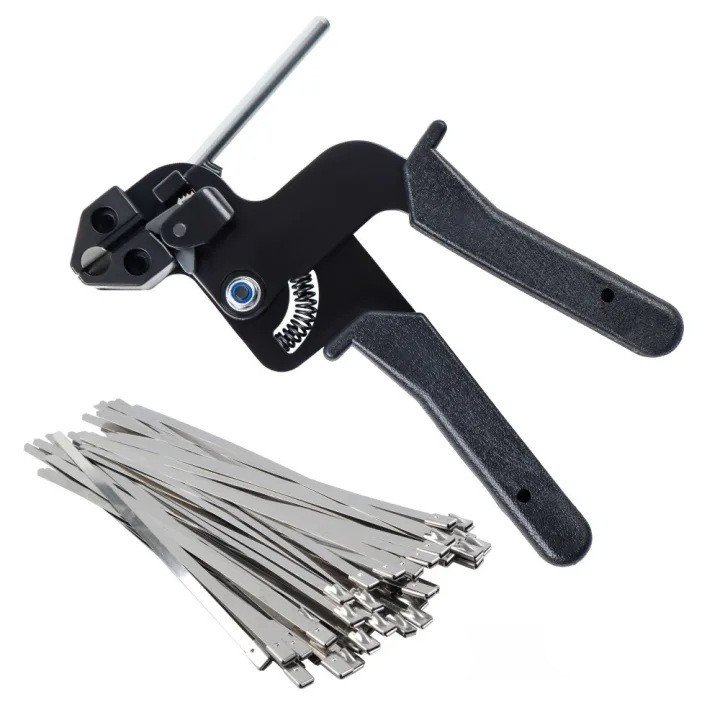
Tighten and Lock: Pull the strap until it is flush against the tire. I recommend using fascette stringicavo industriali resistenti to ensure the locking mechanism doesn’t fail under the weight of the vehicle.
Cut the Tails: Always trim the excess plastic. Long tails can whip around and damage your wheel well liners or brake lines.
Proper Spacing and Tensioning for Maximum Grip
To get the best performance out of snow zip ties for tires, you cannot be stingy. I suggest installing at least 8 to 12 ties per drive wheel. Space them evenly to maintain tire balance and ensure constant contact with the slippery surface. If the ties are loose, they will shift during acceleration, which can snap the plastic or cause the tire to lose grip entirely. Using high-quality black cable ties can also help as they are often more UV-resistant and durable in freezing temperatures.
Driving Precautions and Speed Limitations
Utilizzando zip ties for snow chains requires a change in driving behavior. These are not meant for highway speeds or long-distance travel.
Keep it Slow: Do not exceed 20 mph (32 km/h). Excessive speed creates heat that softens the plastic, leading to immediate failure.
Avoid Dry Roads: If you hit a patch of dry pavement, the friction will grind the plastic cleats down in seconds.
Gentle Acceleration: Avoid spinning your tires. High torque is the number one reason snow chain cable ties snap.
One-Time Use: Treat these as disposable. Once you reach a cleared road, snip them off and discard them; they are rarely durable enough for a second round.
Legal and Regulatory Considerations
Compliance with Regional Snow Chain Laws
Before relying on snow tire zip ties, you must understand the specific regulations governing the roads you travel. In many jurisdictions, especially in mountainous regions like the Sierra Nevada or the Alps, “Chain Control” levels are strictly enforced. Most transportation departments require traction devices to meet SAE Class S requirements for vehicles with low wheel-well clearance. While many ask, do plastic zip tie snow chains work for legal compliance, the answer is often no. Most plastic variants are not officially recognized as “tire chains” or “cables” in high-risk zones, meaning you could face heavy fines or be turned back at checkpoints.
Law Enforcement Perspectives and Safety Inspections
Highway patrol and local law enforcement prioritize road safety and the prevention of traffic blockages. Officers typically look for recognized, heavy-duty equipment that is unlikely to fail and leave a vehicle stranded.
cURL Too many subrequests by single Worker invocation. To configure this limit, refer to https://developers.cloudflare.com/workers/wrangler/configuration/#limits cURL Too many subrequests by single Worker invocation. To configure this limit, refer to https://developers.cloudflare.com/workers/wrangler/configuration/#limits
cURL Too many subrequests by single Worker invocation. To configure this limit, refer to https://developers.cloudflare.com/workers/wrangler/configuration/#limits cURL Too many subrequests by single Worker invocation. To configure this limit, refer to https://developers.cloudflare.com/workers/wrangler/configuration/#limits
cURL Too many subrequests by single Worker invocation. To configure this limit, refer to https://developers.cloudflare.com/workers/wrangler/configuration/#limits cURL Too many subrequests by single Worker invocation. To configure this limit, refer to https://developers.cloudflare.com/workers/wrangler/configuration/#limits
cURL Too many subrequests by single Worker invocation. To configure this limit, refer to https://developers.cloudflare.com/workers/wrangler/configuration/#limits
cURL Too many subrequests by single Worker invocation. To configure this limit, refer to https://developers.cloudflare.com/workers/wrangler/configuration/#limits fascette stringicavo industriali cURL Too many subrequests by single Worker invocation. To configure this limit, refer to https://developers.cloudflare.com/workers/wrangler/configuration/#limits
cURL Too many subrequests by single Worker invocation. To configure this limit, refer to https://developers.cloudflare.com/workers/wrangler/configuration/#limits cURL Too many subrequests by single Worker invocation. To configure this limit, refer to https://developers.cloudflare.com/workers/wrangler/configuration/#limits
cURL Too many subrequests by single Worker invocation. To configure this limit, refer to https://developers.cloudflare.com/workers/wrangler/configuration/#limits cURL Too many subrequests by single Worker invocation. To configure this limit, refer to https://developers.cloudflare.com/workers/wrangler/configuration/#limits
cURL Too many subrequests by single Worker invocation. To configure this limit, refer to https://developers.cloudflare.com/workers/wrangler/configuration/#limits cURL Too many subrequests by single Worker invocation. To configure this limit, refer to https://developers.cloudflare.com/workers/wrangler/configuration/#limits
cURL Too many subrequests by single Worker invocation. To configure this limit, refer to https://developers.cloudflare.com/workers/wrangler/configuration/#limits
cURL Too many subrequests by single Worker invocation. To configure this limit, refer to https://developers.cloudflare.com/workers/wrangler/configuration/#limits
cURL Too many subrequests by single Worker invocation. To configure this limit, refer to https://developers.cloudflare.com/workers/wrangler/configuration/#limits
Caratteristica
cURL Too many subrequests by single Worker invocation. To configure this limit, refer to https://developers.cloudflare.com/workers/wrangler/configuration/#limits
cURL Too many subrequests by single Worker invocation. To configure this limit, refer to https://developers.cloudflare.com/workers/wrangler/configuration/#limits
cURL Too many subrequests by single Worker invocation. To configure this limit, refer to https://developers.cloudflare.com/workers/wrangler/configuration/#limits
cURL Too many subrequests by single Worker invocation. To configure this limit, refer to https://developers.cloudflare.com/workers/wrangler/configuration/#limits
cURL Too many subrequests by single Worker invocation. To configure this limit, refer to https://developers.cloudflare.com/workers/wrangler/configuration/#limits
cURL Too many subrequests by single Worker invocation. To configure this limit, refer to https://developers.cloudflare.com/workers/wrangler/configuration/#limits
cURL Too many subrequests by single Worker invocation. To configure this limit, refer to https://developers.cloudflare.com/workers/wrangler/configuration/#limits
cURL Too many subrequests by single Worker invocation. To configure this limit, refer to https://developers.cloudflare.com/workers/wrangler/configuration/#limits
cURL Too many subrequests by single Worker invocation. To configure this limit, refer to https://developers.cloudflare.com/workers/wrangler/configuration/#limits
cURL Too many subrequests by single Worker invocation. To configure this limit, refer to https://developers.cloudflare.com/workers/wrangler/configuration/#limits
Durabilità
cURL Too many subrequests by single Worker invocation. To configure this limit, refer to https://developers.cloudflare.com/workers/wrangler/configuration/#limits
cURL Too many subrequests by single Worker invocation. To configure this limit, refer to https://developers.cloudflare.com/workers/wrangler/configuration/#limits
cURL Too many subrequests by single Worker invocation. To configure this limit, refer to https://developers.cloudflare.com/workers/wrangler/configuration/#limits
cURL Too many subrequests by single Worker invocation. To configure this limit, refer to https://developers.cloudflare.com/workers/wrangler/configuration/#limits
cURL Too many subrequests by single Worker invocation. To configure this limit, refer to https://developers.cloudflare.com/workers/wrangler/configuration/#limits
cURL Too many subrequests by single Worker invocation. To configure this limit, refer to https://developers.cloudflare.com/workers/wrangler/configuration/#limits
cURL Too many subrequests by single Worker invocation. To configure this limit, refer to https://developers.cloudflare.com/workers/wrangler/configuration/#limits
cURL Too many subrequests by single Worker invocation. To configure this limit, refer to https://developers.cloudflare.com/workers/wrangler/configuration/#limits
cURL Too many subrequests by single Worker invocation. To configure this limit, refer to https://developers.cloudflare.com/workers/wrangler/configuration/#limits
cURL Too many subrequests by single Worker invocation. To configure this limit, refer to https://developers.cloudflare.com/workers/wrangler/configuration/#limits
cURL Too many subrequests by single Worker invocation. To configure this limit, refer to https://developers.cloudflare.com/workers/wrangler/configuration/#limits
cURL Too many subrequests by single Worker invocation. To configure this limit, refer to https://developers.cloudflare.com/workers/wrangler/configuration/#limits
cURL Too many subrequests by single Worker invocation. To configure this limit, refer to https://developers.cloudflare.com/workers/wrangler/configuration/#limits resistenza del filo per legare cURL Too many subrequests by single Worker invocation. To configure this limit, refer to https://developers.cloudflare.com/workers/wrangler/configuration/#limits
cURL Too many subrequests by single Worker invocation. To configure this limit, refer to https://developers.cloudflare.com/workers/wrangler/configuration/#limits
cURL Too many subrequests by single Worker invocation. To configure this limit, refer to https://developers.cloudflare.com/workers/wrangler/configuration/#limits
cURL Too many subrequests by single Worker invocation. To configure this limit, refer to https://developers.cloudflare.com/workers/wrangler/configuration/#limits
If you don’t want to attach anything to your wheels at all, traction mats are the way to go. Unlike zip ties on tires for snow, which require you to reach behind the wheel and potentially get covered in slush, mats are simply placed under the tire.
Choose Zip Ties: If you need to drive a short distance (under 1/4 mile) through deep snow to reach a clear road.
Choose Mats: If your tires are spinning in a localized hole and you just need a flat surface to grip.
Choose Wandu quality solutions: For reliable fastening and automotive-grade plastics that won’t snap the moment the temperature drops.
Verdict: Are They Worth It for Your Vehicle?
I’ve looked at the data and tested the limits: the answer to “do plastic zip tie snow chains work” is a conditional yes. They are not a substitute for heavy-duty gear, but they serve a very specific purpose in a driver’s emergency kit.
Best Emergency Use Scenarios
These snow tire zip ties are best kept for “last resort” moments. They excel in specific, low-stress situations where you just need a little extra bite to get moving.
Getting Unstuck: Perfect for when you’re trapped in a snowy parking spot or a flat driveway.
Short Transitions: Moving the vehicle from an unplowed side street to a cleared main road.
If your daily commute involves mountain passes or high-speed highways, zip ties for snow chains are not the right choice. You should skip these if:
High-Speed Driving: They are designed for speeds under 15-20 mph; anything faster will likely cause them to snap.
Heavy Vehicles: Large trucks and full-sized SUVs generate too much torque, which often shears the plastic teeth off the ties.
Long Distances: These are disposable items. If you have miles of snow ahead of you, you need steel.
of Cost vs. Performance
When evaluating snow zip ties for tires, you have to weigh the convenience against the limitations.
Costo: Extremely budget-friendly compared to $100+ metal sets.
cURL Too many subrequests by single Worker invocation. To configure this limit, refer to https://developers.cloudflare.com/workers/wrangler/configuration/#limits Takes minutes with no heavy lifting or moving the car required.
Durability: Very low. Expect to cut them off and throw them away after a single use.
Traction: Sufficient for slush and soft snow, but poor on thick black ice.
In my professional opinion, zip ties on tires for snow are an essential “insurance policy” for city drivers. They offer a cheap, effective way to avoid a tow truck bill during a surprise flurry, even if they aren’t built for a cross-country winter trek.
cURL Too many subrequests by single Worker invocation. To configure this limit, refer to https://developers.cloudflare.com/workers/wrangler/configuration/#limits
L'umidità influisce in modo significativo sulle fascette in nylon. Questo articolo esplora la natura del nylon 6.6, le sue proprietà igroscopiche e come l'umidità influisce sulle prestazioni delle fascette in nylon. La natura del nylon 6.6 Il nylon 6.6 è un polimero sintetico ad alte prestazioni ottenuto dalla polimerizzazione di esametilendiammina e acido adipico. Ha eccellente resistenza meccanica, resistenza al calore e stabilità dimensionale […]
This article thoroughly explains “zip ties strength: how much weight can they hold”—covering rated tensile strength, key influencing factors, material and size selection. It also provides selection guidelines and practical considerations, including comparison tables and FAQs, to help you quickly choose the right cable tie and ensure safe use. Definition and Data of Loop Tensile […]
Utilizziamo i cookie per migliorare la tua esperienza di navigazione, offrire annunci o contenuti personalizzati e analizzare il nostro traffico. Cliccando su "Accetta tutto", acconsenti al nostro utilizzo dei cookie.
Cerchi fascette in nylon di alta qualità a un ottimo prezzo?
Ordina ora per provare prodotti di fascette convenienti che offrono praticità e protezione per il tuo lavoro e la tua vita.





 IT
IT  EN
EN  AR
AR  ES
ES  PT
PT  FR
FR  RU
RU  DE
DE  KO
KO  JA
JA