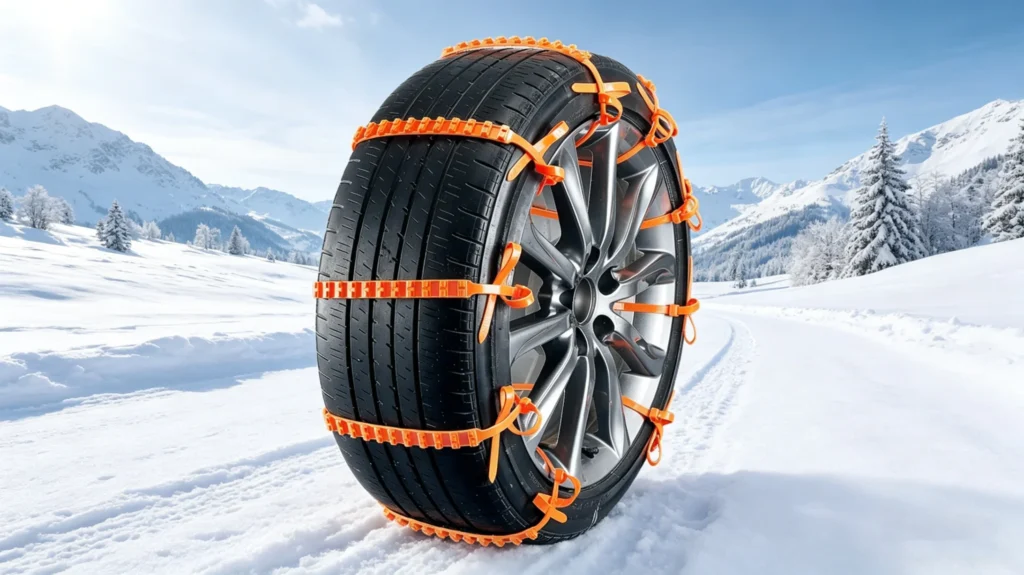
Plastic zip ties for snow chains are temporary, emergency traction devices designed to help vehicles regain grip in slippery conditions. Unlike traditional wraps, these snow tire zip ties consist of individual, heavy-duty plastic straps featuring integrated cleats or anti-skid studs. They are designed to be fed through the wheel rim and cinched tightly around the tire tread, creating a series of raised points that bite into snow, mud, or sand.
How They Differ from Traditional Metal Chains
The fundamental difference between zip ties as snow chains and traditional steel chains is their weight and ease of use. Metal chains are heavy, cumbersome, and often require the vehicle to be driven forward or backward during installation. In contrast, plastic traction ties are lightweight and can be installed while the vehicle is completely stationary or even stuck.
Feature
Plastic Zip Ties
Traditional Metal Chains
Material
Industrial-grade Nylon / TPU
Hardened Steel Alloy
Weight
Minimal (Portable)
Heavy (Requires storage space)
Installation Time
2–5 minutes
15–30 minutes
Vehicle Movement
Not required for install
Usually required to seat chains
Reusability
Often single-use/disposable
High (Multi-season)
Common Materials and Strength Ratings
High-performance cable tie snow chains are typically manufactured from Nylon 66 or Thermoplastic Polyurethane (TPU). These materials are specifically engineered to maintain structural integrity in extreme environments.
Cold Resistance: Quality ties are rated to remain flexible and functional in temperatures as low as -35°C (-31°F) to prevent snapping.
Tensile Strength: Industrial-grade versions feature high-tensile locking mechanisms to ensure the tie does not fly off under the high torque of a spinning wheel.
Tread Design: The outer surface features aggressive “teeth” or friction blocks designed to maximize surface area contact with the ground.
Do Plastic Zip Tie Snow Chains Actually Work?
Effectiveness in Light Snow vs. Deep Ice
I have found that zip ties for snow chains perform best in specific, short-term scenarios. In fresh, light snow, these ties act as temporary cleats, providing the extra bite needed to move forward. However, their performance on hard-packed deep ice is significantly lower. Plastic lacks the “bite” of hardened steel, and these snow chain cable ties can slide across frozen surfaces rather than digging in. They are a traction aid for soft surfaces rather than a solution for severe icy conditions.
Performance for Getting a Vehicle Unstuck
This is where snow tire zip ties really earn their keep. If your vehicle is spinning in a driveway or a parking spot, these ties provide the immediate friction required to regain momentum. They are emergency recovery tools designed for quick deployment. Because they can be looped through the rim while the vehicle is already immobile, they offer a massive advantage over traditional chains that usually require the car to be moved during installation. Understanding how to use zip ties as a recovery tool is a practical skill for any driver facing unexpected winter weather.
Durability and Expected Lifespan on Dry Pavement
Durability is the primary trade-off when using zip ties as snow chains. These are strictly emergency, single-use items.
Dry Pavement: Contact with clear asphalt will grind the plastic down or snap the ties within a very short distance.
Wheel Torque: High-torque starts or aggressive acceleration puts immense stress on the locking mechanism, often causing the ties to pop off.
Cold Resistance: While standard plastic can become brittle, high-quality industrial ties are designed to maintain flexibility in freezing temperatures, though they still cannot match the lifespan of steel alternatives.
Advantages of Using Zip Tie Snow Traction Cleats
I’ve found that the biggest draw for zip ties for snow chains is their sheer convenience. When you’re stuck in a surprise flurry, you don’t want to be wrestling with 40-pound metal links. These cleats offer a “get out of jail free” card for minor traction issues without the headache of traditional gear.
Ease of Installation and Quick Deployment
The main reason people ask, “do plastic zip tie snow chains work?” is usually because they want to avoid the jack. You can install these in minutes.
No Jacking Required: You don’t need to lift the car or move it forward/backward to wrap the tire.
Simple Feed-and-Pull: Just thread the snow tire zip ties through the rim openings and pull tight.
Fast Removal: When you reach clear pavement, just snip them off with a pair of pliers.
Portability and Space-Saving Benefits
Unlike bulky chain bags that take up half your trunk,zip ties for snow chains are incredibly compact. I keep a pack in the glove box or the side door pocket. They are lightweight and don’t rattle around while you drive, making them the ultimate emergency backup for commuters.
Compatibility with Different Wheel and Tire Sizes
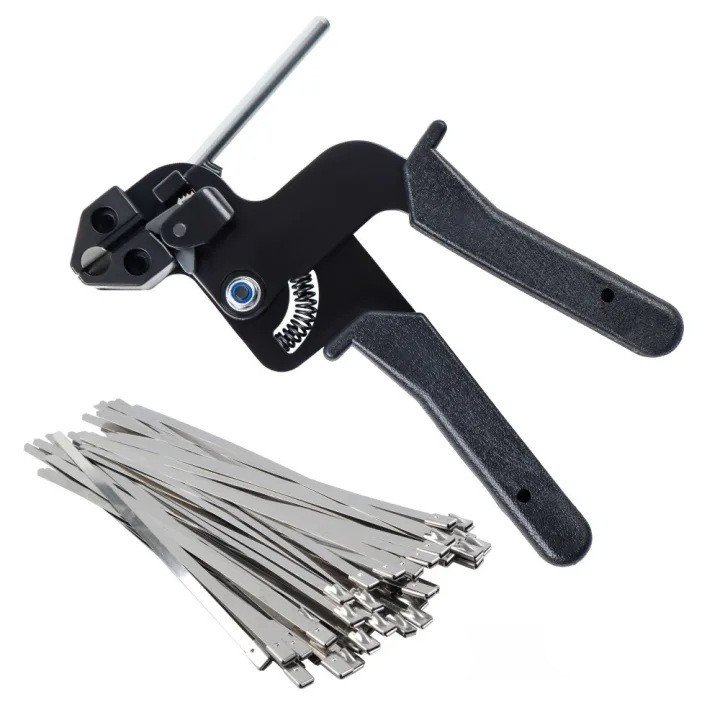
One of the best things about snow zip ties for tires is their universal nature. Since they function like heavy-duty fasteners, they fit almost any rim style. While they are designed for temporary traction, for those needing more permanent or heavy-duty fastening solutions in other automotive areas, durable stainless steel cable ties are often the go-to for high-heat environments.
Feature
Zip Tie Snow Cleats
Traditional Metal Chains
Install Time
2-5 Minutes
15-30 Minutes
Weight
Under 2 lbs
20-50 lbs
Storage
Glove Box / Small Bag
Large Trunk Bin
Tool Requirement
None
Often requires a jack/tensioner
Rim Protection
High (Plastic won’t scratch)
Low (Metal can scuff alloys)
These cable tie snow chains are designed to work with modern alloy wheels where clearance is tight. If your car has limited space between the tire and the wheel well, these low-profile ties are often the only option that won’t tear up your brake lines.
Critical Disadvantages and Safety Risks
Risk of Snapping Under High Torque
The biggest weakness of zip ties for snow chains is their structural limit under stress. In extreme cold, nylon and plastic materials become significantly more brittle. When a driver applies heavy throttle to get out of a deep rut, the sudden torque frequently causes the ties to snap instantly. Unlike metal, plastic cannot withstand the sheer force of a heavy vehicle’s weight combined with the aggressive friction of a spinning tire against a hard surface.
Potential Damage to Wheels, Rims, and Brake Lines
Safety is a major concern when these temporary solutions fail. When a snow zip tie breaks at speed, the remaining plastic strip can whip around the wheel well with surprising force. This poses a direct threat to several critical components:
Brake Lines: Sharp plastic edges can sever or nick hydraulic lines, leading to fluid loss.
ABS Sensors: Flying fragments can damage delicate electronic sensors located directly behind the wheel hub.
Alloy Rims: The constant shifting and vibration of the ties can chafe and scratch the finish of expensive wheels.
While high-quality reusable zip ties are excellent for securing gear or organizing cables in the garage, using plastic fasteners as primary traction devices carries inherent risks to your vehicle’s mechanical integrity.
Limited Traction Compared to Steel Chains
Plastic simply lacks the “bite” required for truly dangerous road conditions. While cable ties for snow chains might offer a slight boost in soft slush, they are largely ineffective on hard-packed black ice. Steel chains are engineered to cut into frozen surfaces to provide a mechanical lock, whereas plastic ties tend to glide over the ice. This often results in a false sense of security, which can be dangerous when attempting to navigate steep grades or sharp turns in freezing weather.
How to Install and Use Zip Tie Snow Chains Correctly
If you are wondering do plastic zip tie snow chains work, the answer often depends on your installation technique. These are emergency traction aids, and they only perform if they are secured tightly and spaced correctly across the tire tread.
Step-by-Step Installation Process
Thread the Rim: Pass the strap through the openings in your wheel rim. Ensure the strap doesn’t interfere with the brake calipers or internal sensors.
Orient the Cleats: The “teeth” or ridges must face the ground to dig into the snow.
Tighten and Lock: Pull the strap until it is flush against the tire. I recommend using industrial strength zip ties to ensure the locking mechanism doesn’t fail under the weight of the vehicle.
Cut the Tails: Always trim the excess plastic. Long tails can whip around and damage your wheel well liners or brake lines.
Proper Spacing and Tensioning for Maximum Grip
To get the best performance out of snow zip ties for tires, you cannot be stingy. I suggest installing at least 8 to 12 ties per drive wheel. Space them evenly to maintain tire balance and ensure constant contact with the slippery surface. If the ties are loose, they will shift during acceleration, which can snap the plastic or cause the tire to lose grip entirely. Using high-quality black cable ties can also help as they are often more UV-resistant and durable in freezing temperatures.
Driving Precautions and Speed Limitations
Using zip ties for snow chains requires a change in driving behavior. These are not meant for highway speeds or long-distance travel.
Keep it Slow: Do not exceed 20 mph (32 km/h). Excessive speed creates heat that softens the plastic, leading to immediate failure.
Avoid Dry Roads: If you hit a patch of dry pavement, the friction will grind the plastic cleats down in seconds.
Gentle Acceleration: Avoid spinning your tires. High torque is the number one reason snow chain cable ties snap.
One-Time Use: Treat these as disposable. Once you reach a cleared road, snip them off and discard them; they are rarely durable enough for a second round.
Legal and Regulatory Considerations
Compliance with Regional Snow Chain Laws
Before relying on snow tire zip ties, you must understand the specific regulations governing the roads you travel. In many jurisdictions, especially in mountainous regions like the Sierra Nevada or the Alps, “Chain Control” levels are strictly enforced. Most transportation departments require traction devices to meet SAE Class S requirements for vehicles with low wheel-well clearance. While many ask, do plastic zip tie snow chains work for legal compliance, the answer is often no. Most plastic variants are not officially recognized as “tire chains” or “cables” in high-risk zones, meaning you could face heavy fines or be turned back at checkpoints.
Law Enforcement Perspectives and Safety Inspections
Highway patrol and local law enforcement prioritize road safety and the prevention of traffic blockages. Officers typically look for recognized, heavy-duty equipment that is unlikely to fail and leave a vehicle stranded.
Safety Checks: During active snow events, officers may inspect your tires for approved traction devices.
Liability: If a zip tie snaps and your vehicle causes an accident or blocks a lane, you may be held liable for failing to use approved equipment.
Emergency Status: Many officers view zip ties as “emergency recovery tools” rather than “continuous travel devices.”
Approved Traction Devices vs. DIY Solutions
There is a significant legal gap between professional-grade traction systems and DIY or plastic alternatives. While high-quality industrial cable ties are engineered for extreme tensile strength in construction and manufacturing, they are rarely certified for automotive road use in winter conditions.
Steel Chains: The gold standard for legal compliance in all “Chains Required” zones.
Snow Cables: A widely accepted alternative that meets most regulatory standards.
Zip Ties for Snow: Often marketed as traction aids, these are best kept for private driveways or unplowed side roads where official chain laws do not apply.
Using cable tie snow chains on public highways during a declared snow emergency is a risk. Always carry a set of traditional metal chains to ensure you remain compliant with local laws and avoid being stranded by a legal technicality.
Comparison: Zip Ties vs. Traditional Traction Alternatives
When you’re stuck in a driveway, you might wonder, do plastic zip tie snow chains work as effectively as the heavy-duty gear? I’ve compared these options side-by-side to show you exactly where each one shines.
Steel chains are the gold standard for deep-winter reliability. However, they are heavy, cold to handle, and can damage your wheel wells if they snap. While tire snow zip ties offer a quick fix for a stuck car, they lack the sheer biting power of steel. Understanding tie wire strength is crucial before you trust a plastic fastener with your vehicle’s safety; plastic will almost always fail on bare asphalt, whereas steel can handle it for short stretches.
Zip Ties vs. Snow Cables and Socks
Snow socks are made of high-grip fabric and provide a much smoother ride than snow zip ties for tires. Cables are a middle ground—more durable than plastic but easier to fit than full chains. If you are driving on a plowed road with patches of ice, socks or cables are superior. I recommend zip ties only when you need immediate, aggressive “cleats” to climb out of a snowbank or a slick parking spot.
When to Choose Professional Emergency Traction Mats
If you don’t want to attach anything to your wheels at all, traction mats are the way to go. Unlike zip ties on tires for snow, which require you to reach behind the wheel and potentially get covered in slush, mats are simply placed under the tire.
Choose Zip Ties: If you need to drive a short distance (under 1/4 mile) through deep snow to reach a clear road.
Choose Mats: If your tires are spinning in a localized hole and you just need a flat surface to grip.
Choose Wandu quality solutions: For reliable fastening and automotive-grade plastics that won’t snap the moment the temperature drops.
Verdict: Are They Worth It for Your Vehicle?
I’ve looked at the data and tested the limits: the answer to “do plastic zip tie snow chains work” is a conditional yes. They are not a substitute for heavy-duty gear, but they serve a very specific purpose in a driver’s emergency kit.
Best Emergency Use Scenarios
These snow tire zip ties are best kept for “last resort” moments. They excel in specific, low-stress situations where you just need a little extra bite to get moving.
Getting Unstuck: Perfect for when you’re trapped in a snowy parking spot or a flat driveway.
Short Transitions: Moving the vehicle from an unplowed side street to a cleared main road.
Lightweight Storage: Since they take up almost no space, they are ideal for small cars with limited trunk room. To ensure your emergency kit stays reliable, I recommend using uv-resistant tie wraps which maintain their integrity even when stored in fluctuating temperatures for long periods.
Who Should Avoid Zip Tie Snow Chains
If your daily commute involves mountain passes or high-speed highways, zip ties for snow chains are not the right choice. You should skip these if:
High-Speed Driving: They are designed for speeds under 15-20 mph; anything faster will likely cause them to snap.
Heavy Vehicles: Large trucks and full-sized SUVs generate too much torque, which often shears the plastic teeth off the ties.
Long Distances: These are disposable items. If you have miles of snow ahead of you, you need steel.
of Cost vs. Performance
When evaluating snow zip ties for tires, you have to weigh the convenience against the limitations.
Cost: Extremely budget-friendly compared to $100+ metal sets.
Installation: Takes minutes with no heavy lifting or moving the car required.
Durability: Very low. Expect to cut them off and throw them away after a single use.
Traction: Sufficient for slush and soft snow, but poor on thick black ice.
In my professional opinion, zip ties on tires for snow are an essential “insurance policy” for city drivers. They offer a cheap, effective way to avoid a tow truck bill during a surprise flurry, even if they aren’t built for a cross-country winter trek.
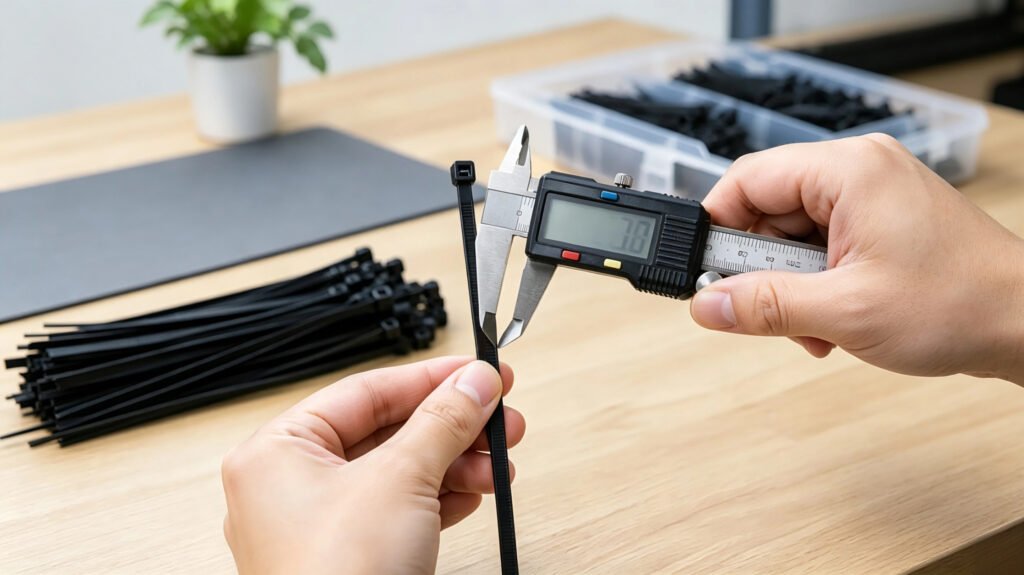
Standard Zip Tie Thickness and Dimensions Zip tie thickness is a critical dimensional spec that determines the structural integrity, flexibility, and loop tensile strength of a fastener. Across standard manufacturing profiles, the cross-sectional thickness of a zip tie is engineered in direct proportion to its width and intended mechanical load, ensuring optimal performance under various […]
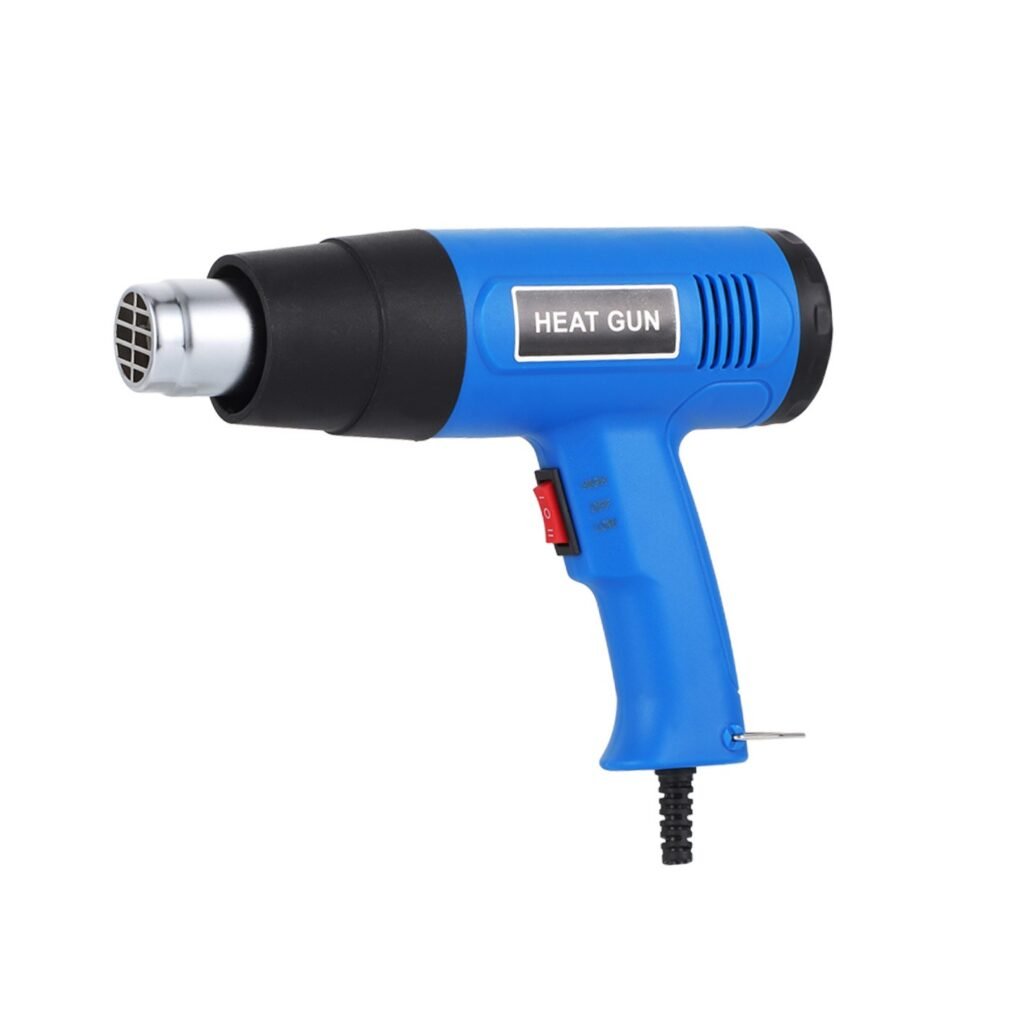
Why You Might Need an Alternative to a Heat Gun While an electric heat gun is the industry standard for activating heat shrink tubing, it is not always the most practical or accessible tool for every scenario. Resourcefulness is key in electrical maintenance, and understanding how to achieve a professional-grade seal with alternative heat sources […]
Ever wondered how to use a heat gun without scorching your project or creating a safety hazard? From stripping stubborn paint and bending PVC to applying vinyl wraps, a heat gun is easily one of the most versatile power tools you can own. Mastering it comes down to choosing the right temperature settings, utilizing proper […]
We use cookies to enhance your browsing experience, serve personalised ads or content, and analyse our traffic. By clicking "Accept All", you consent to our use of cookies.
Looking For High Quality Nylon Cable Ties At A Great Price?
Order now to experience cost-effective cable tie products that provide convenience and protection for your work and life.



 EN
EN  AR
AR  ES
ES  PT
PT  FR
FR  RU
RU  DE
DE  KO
KO  JA
JA  IT
IT