If you’ve ever bundled wires or fastened things together, you’ve likely used a cable ties and zip tie. But are they actually different?
In most cases, “zip tie” and “cable tie” mean the same thing and can be used for the same tasks. The main difference is in the name, which often depends on where you are or what industry you’re in. Below, we’ll look at what makes them similar, any small differences, and when to use each one.
Understanding cable ties and zip ties
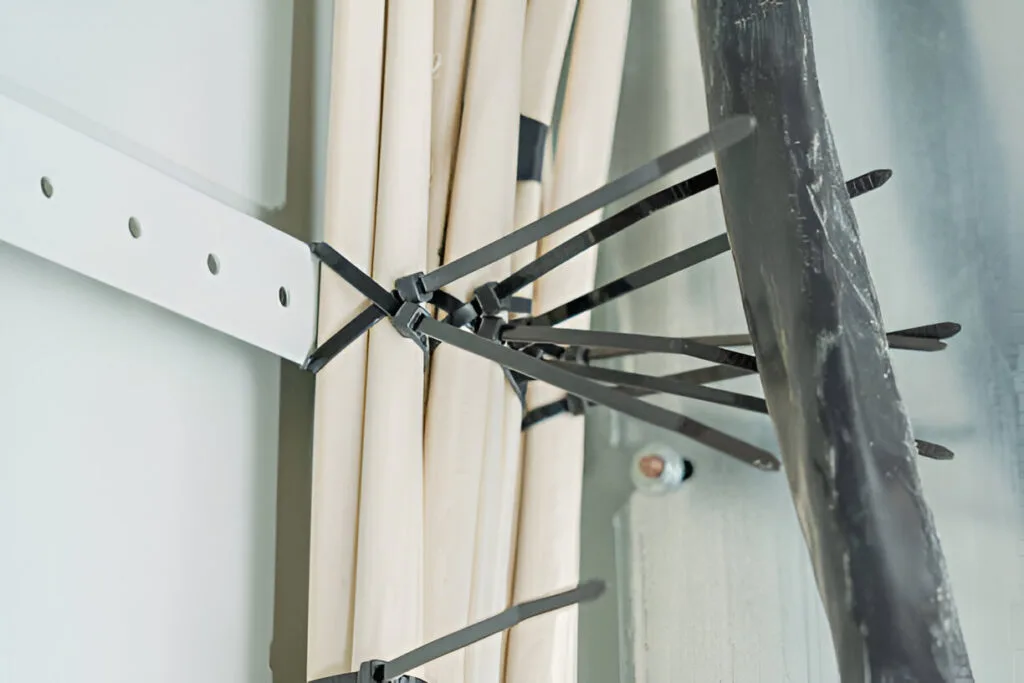
Cable ties and zip ties are designed to do the same basic job: they hold items together by wrapping a strap-usually made of plastic or metal-around them and locking it securely. Nylon versions use a ratchet system that keeps the tie tight until it is intentionally cut.
The main distinction between cable ties and zip ties is in the name. Which term is used often depends on the industry or the region, especially whether you are in the US or elsewhere.
Are cable ties and zip ties the same?
In general, cable ties and zip ties refer to the same item. “Zip tie” is the term most often used in the United States, where the first zip tie, called the Ty-Rap, was invented and patented. In the United Kingdom, people usually call them “cable ties.”
Types of cable ties and their materials
Cable ties come in several types and are made from different materials, which affect how strong, flexible, and long-lasting they are. Here are some common options:
Nylon cable ties are the most popular. They are used for everyday tasks like bundling wires, organizing cables, or quick fixes.
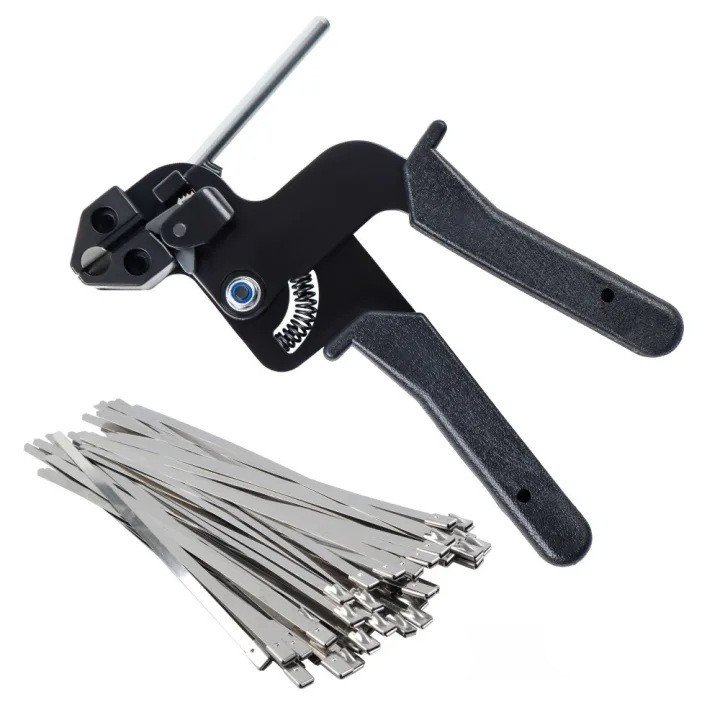
Stainless steel ties are chosen for tough conditions where heat, chemicals, or sunlight could damage nylon. These are often used in factories or on boats.
Releasable ties can be opened and reused thanks to a special release feature, so they don’t need to be cut to remove.
Heavy-duty cable ties are built to hold bigger or heavier items together.
Coloured cable ties help with sorting, labeling, or simply for looks.
cURL Too many subrequests by single Worker invocation. To configure this limit, refer to https://developers.cloudflare.com/workers/wrangler/configuration/#limits
How nylon cable ties work
Nylon cable ties use a simple but clever design. They have a flexible strip with small teeth along one side. At one end, there is a small open case that holds a locking piece called a pawl.
To use a cable tie, you insert the pointed end through the head and pull. The teeth catch on the pawl, creating a ratchet effect. This means the tie tightens easily but won’t loosen unless a lot of force is used. The loop can only get smaller, not larger. Some cable ties are releasable, with a tab you can press to unlock the tie and use it again.
Stainless steel cable ties work a bit differently. They use a roller ball inside the head. As you pull the tie tight, the ball locks it in place, creating a secure, non-releasable hold. There are also coated stainless steel options, such as epoxy-resin or nylon coatings. These are recommended when the tie might touch galvanized steel, to prevent unwanted reactions.
Other names for cable ties and zip ties
“Zip tie” probably gets its name from the sound it makes when being pulled tight, while “cable tie” highlights its use for bundling cables. These handy fasteners are also known by many other names, such as hose tie, tie wrap, wire tie, panduit, zap-straps, mouse belt, rat belt, wire wrap, and zipper tie.
Choosing the right cable tie for the job
The key to picking the right cable tie isn’t about what it’s called, but about choosing the right material, size, and strength for your needs. Here are some tips:
1. Introduzione: Perché preoccuparsi della resistenza al calore delle fascette? Le fascette per alte temperature, note anche come fascette per cavi ad alta temperatura, sono strumenti di reggiatura comunemente utilizzati in ambienti industriali e esterni ad alta temperatura. In ambienti di lavoro ad alta temperatura come i vani motore delle automobili e i pannelli solari esterni, le fascette standard in nylon tendono ad ammorbidirsi, rompersi o [...]
Definizione di fascette personalizzate stampate Le fascette personalizzate stampate sono soluzioni di fissaggio specializzate progettate per fare più che semplicemente legare oggetti insieme. Servono come strumento altamente efficace per l'identificazione, la sicurezza e la visibilità del marchio. Integrando loghi personalizzati, numeri sequenziali o testo specifico direttamente sulla fascetta, le aziende trasformano un semplice fissaggio in [...]
L'umidità influisce in modo significativo sulle fascette in nylon. Questo articolo esplora la natura del nylon 6.6, le sue proprietà igroscopiche e come l'umidità influisce sulle prestazioni delle fascette in nylon. La natura del nylon 6.6 Il nylon 6.6 è un polimero sintetico ad alte prestazioni ottenuto dalla polimerizzazione di esametilendiammina e acido adipico. Ha eccellente resistenza meccanica, resistenza al calore e stabilità dimensionale […]
Utilizziamo i cookie per migliorare la tua esperienza di navigazione, offrire annunci o contenuti personalizzati e analizzare il nostro traffico. Cliccando su "Accetta tutto", acconsenti al nostro utilizzo dei cookie.
Cerchi fascette in nylon di alta qualità a un ottimo prezzo?
Ordina ora per provare prodotti di fascette convenienti che offrono praticità e protezione per il tuo lavoro e la tua vita.



 IT
IT  EN
EN  AR
AR  ES
ES  PT
PT  FR
FR  RU
RU  DE
DE  KO
KO  JA
JA