Whether you are dealing with a survival emergency, removing makeshift restraints, or simply trying to avoid a dangerous injury, knowing the proper escape technique is a critical skill.
As the manufacturing experts at WANDU, we engineer heavy-duty nylon cable ties for maximum tensile strength. Because we build them, we know exactly how the internal zip tie locking mechanism works—and exactly how to defeat it.
In this guide, you’re going to learn exactly how to get out of these restraints, step by step.
From the safest way to cut zip ties safely using the right tools, to emergency tactics like the zip tie shim method and the shoelace friction saw, it’s all here.
Let’s dive right in.
Understanding the Mechanics of a Zip Tie
Ever wondered why getting out of zip tie handcuffs feels nearly impossible once they are cinched down tight? If you need to know how to safely remove zip tie handcuffs, you first have to understand exactly what you are up against. I always tell people that knowing the hardware is half the battle.
Let’s break down the anatomy of a standard zip tie locking mechanism:
The Gear Rack: The long, flexible tail of the tie is lined with a series of tiny, angled teeth.
The Locking Pawl: Inside the small square head sits a ratchet-like plastic tab called the pawl. As the strap feeds through, this pawl bites firmly into the gear rack, allowing movement in only one direction. It locks the band down tight.
So, why are these restraints so incredibly difficult to break? It comes down to cable tie tensile strength.
High-Grade Materials: Modern heavy-duty nylon cable ties are engineered to withstand extreme stress and heavy loads.
Inflexible Bind: The high tensile strength means that simply pulling your arms apart usually won’t snap the plastic. Instead, applying brute force without the proper technique just causes the unyielding band to dig dangerously deep into the skin.
To beat a zip tie handcuff, you must outsmart the locking pawl or bypass the tensile strength entirely.
How to Safely Remove Zip Tie Handcuffs: Using the Right Tools
When I need to show someone how to safely remove zip tie handcuffs, I always emphasize using the correct tools first. The absolute safest method is cutting the restraint with gear specifically designed for the job.
Choose the Right Tool
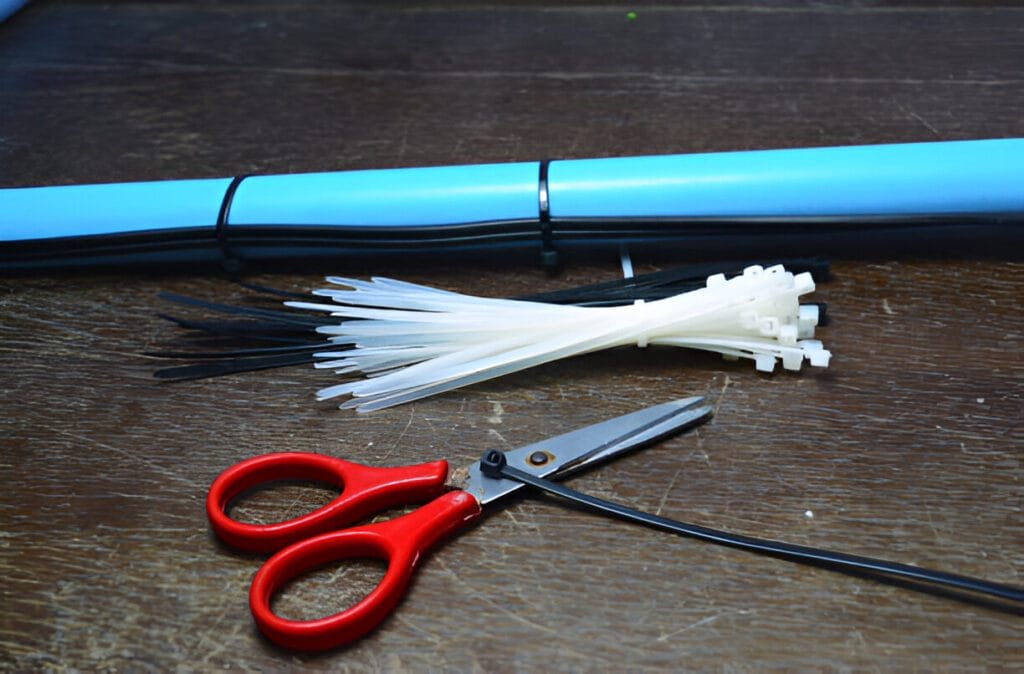
To cut zip ties safely, you must avoid tools that can pierce or slice the skin. I strongly recommend relying on specialized hardware that handles tough plastics safely.
Recommended Tool
Why It Is The Safest Choice
Trauma Shears / EMT Scissors
Features a blunt, rounded tip that glides against the skin safely while easily slicing through heavy-duty materials.
Flush-Cut Wire Nippers
Offers a perfectly flat cutting edge that snips right at the lock without awkward, dangerous angles.
Correct Positioning and Making the Cut
cURL Too many subrequests by single Worker invocation. To configure this limit, refer to https://developers.cloudflare.com/workers/wrangler/configuration/#limits
cURL Too many subrequests by single Worker invocation. To configure this limit, refer to https://developers.cloudflare.com/workers/wrangler/configuration/#limits cURL Too many subrequests by single Worker invocation. To configure this limit, refer to https://developers.cloudflare.com/workers/wrangler/configuration/#limits
cURL Too many subrequests by single Worker invocation. To configure this limit, refer to https://developers.cloudflare.com/workers/wrangler/configuration/#limits cURL Too many subrequests by single Worker invocation. To configure this limit, refer to https://developers.cloudflare.com/workers/wrangler/configuration/#limits
cURL Too many subrequests by single Worker invocation. To configure this limit, refer to https://developers.cloudflare.com/workers/wrangler/configuration/#limits cURL Too many subrequests by single Worker invocation. To configure this limit, refer to https://developers.cloudflare.com/workers/wrangler/configuration/#limits
cURL Too many subrequests by single Worker invocation. To configure this limit, refer to https://developers.cloudflare.com/workers/wrangler/configuration/#limits
cURL Too many subrequests by single Worker invocation. To configure this limit, refer to https://developers.cloudflare.com/workers/wrangler/configuration/#limits
cURL Too many subrequests by single Worker invocation. To configure this limit, refer to https://developers.cloudflare.com/workers/wrangler/configuration/#limits
cURL Too many subrequests by single Worker invocation. To configure this limit, refer to https://developers.cloudflare.com/workers/wrangler/configuration/#limits
cURL Too many subrequests by single Worker invocation. To configure this limit, refer to https://developers.cloudflare.com/workers/wrangler/configuration/#limits
cURL Too many subrequests by single Worker invocation. To configure this limit, refer to https://developers.cloudflare.com/workers/wrangler/configuration/#limits cURL Too many subrequests by single Worker invocation. To configure this limit, refer to https://developers.cloudflare.com/workers/wrangler/configuration/#limits
cURL Too many subrequests by single Worker invocation. To configure this limit, refer to https://developers.cloudflare.com/workers/wrangler/configuration/#limits cURL Too many subrequests by single Worker invocation. To configure this limit, refer to https://developers.cloudflare.com/workers/wrangler/configuration/#limits
cURL Too many subrequests by single Worker invocation. To configure this limit, refer to https://developers.cloudflare.com/workers/wrangler/configuration/#limits cURL Too many subrequests by single Worker invocation. To configure this limit, refer to https://developers.cloudflare.com/workers/wrangler/configuration/#limits
cURL Too many subrequests by single Worker invocation. To configure this limit, refer to https://developers.cloudflare.com/workers/wrangler/configuration/#limits cURL Too many subrequests by single Worker invocation. To configure this limit, refer to https://developers.cloudflare.com/workers/wrangler/configuration/#limits
cURL Too many subrequests by single Worker invocation. To configure this limit, refer to https://developers.cloudflare.com/workers/wrangler/configuration/#limits
cURL Too many subrequests by single Worker invocation. To configure this limit, refer to https://developers.cloudflare.com/workers/wrangler/configuration/#limits
cURL Too many subrequests by single Worker invocation. To configure this limit, refer to https://developers.cloudflare.com/workers/wrangler/configuration/#limits cURL Too many subrequests by single Worker invocation. To configure this limit, refer to https://developers.cloudflare.com/workers/wrangler/configuration/#limits
cURL Too many subrequests by single Worker invocation. To configure this limit, refer to https://developers.cloudflare.com/workers/wrangler/configuration/#limits cURL Too many subrequests by single Worker invocation. To configure this limit, refer to https://developers.cloudflare.com/workers/wrangler/configuration/#limits
cURL Too many subrequests by single Worker invocation. To configure this limit, refer to https://developers.cloudflare.com/workers/wrangler/configuration/#limits cURL Too many subrequests by single Worker invocation. To configure this limit, refer to https://developers.cloudflare.com/workers/wrangler/configuration/#limits
cURL Too many subrequests by single Worker invocation. To configure this limit, refer to https://developers.cloudflare.com/workers/wrangler/configuration/#limits cURL Too many subrequests by single Worker invocation. To configure this limit, refer to https://developers.cloudflare.com/workers/wrangler/configuration/#limits
cURL Too many subrequests by single Worker invocation. To configure this limit, refer to https://developers.cloudflare.com/workers/wrangler/configuration/#limits
cURL Too many subrequests by single Worker invocation. To configure this limit, refer to https://developers.cloudflare.com/workers/wrangler/configuration/#limits manette con fascette.
cURL Too many subrequests by single Worker invocation. To configure this limit, refer to https://developers.cloudflare.com/workers/wrangler/configuration/#limits cURL Too many subrequests by single Worker invocation. To configure this limit, refer to https://developers.cloudflare.com/workers/wrangler/configuration/#limits
cURL Too many subrequests by single Worker invocation. To configure this limit, refer to https://developers.cloudflare.com/workers/wrangler/configuration/#limits cURL Too many subrequests by single Worker invocation. To configure this limit, refer to https://developers.cloudflare.com/workers/wrangler/configuration/#limits
cURL Too many subrequests by single Worker invocation. To configure this limit, refer to https://developers.cloudflare.com/workers/wrangler/configuration/#limits cURL Too many subrequests by single Worker invocation. To configure this limit, refer to https://developers.cloudflare.com/workers/wrangler/configuration/#limits
cURL Too many subrequests by single Worker invocation. To configure this limit, refer to https://developers.cloudflare.com/workers/wrangler/configuration/#limits
cURL Too many subrequests by single Worker invocation. To configure this limit, refer to https://developers.cloudflare.com/workers/wrangler/configuration/#limits
cURL Too many subrequests by single Worker invocation. To configure this limit, refer to https://developers.cloudflare.com/workers/wrangler/configuration/#limits
cURL Too many subrequests by single Worker invocation. To configure this limit, refer to https://developers.cloudflare.com/workers/wrangler/configuration/#limits
Caratteristica
Standard Hardware Zip Tie
Police Flex-Cuffs (Restraints)
Materiale
Standard Nylon 6/6
Heavy-duty, UV-stabilized Nylon or Polymer blends
Resistenza alla Trazione
50 lbs – 175 lbs (approx.)
300 lbs – 500+ lbs
Locking Head
Single pawl, plastic mechanism
Reinforced, often double-locking
Width
Narrow (usually under 0.3 inches)
Wide (0.5 inches or more) to prevent cutting skin
Design
Single loop
Double loop (separate loop for each wrist)
Standard hardware zip ties are generally brittle. If you apply enough sudden force (like the brute force breakout method), the plastic locking pawl inside the head will often shatter, or the band itself will snap.
Police flex-cuffs are designed to resist exactly that kind of force. They use a much thicker band and a reinforced locking head that is incredibly difficult to shim or break. The material is often softer and more pliable than standard nylon, which makes it harder to snap through impact because it stretches rather than shatters. Attempting to “snap” these heavy-duty restraints can result in serious injury to your wrists before the plastic gives way. For these, cutting tools like trauma shears are usually the only safe option.
At WANDU, while we specialize in industrial solutions like coloured cable ties for organization, we understand the physics behind high-tensile plastics. Knowing the difference between a simple wire organizer and a high-security restraint is the first step in assessing how to remove it safely.
The Serious Dangers of Zip Ties as Restraints
Using standard hardware zip tie handcuffs is incredibly dangerous. Unlike purpose-built police zip tie handcuffs, everyday zip ties lack safety margins and flexibility. When people use regular cable ties as handcuffs, the physical risks escalate immediately.
Here is exactly what happens when standard cable ties are used as makeshift restraints:
Loss of Blood Circulation: The rigid locking mechanism only moves in one direction—tighter. Any panic or struggling causes the handcuff zip ties to constrict further, rapidly cutting off vital blood flow to the hands and fingers.
Permanent Nerve Damage: Critical nerves sit just under the skin of the wrists. The immense, unyielding pressure from improvised tie wrap handcuffs can crush these nerves in a matter of minutes, leading to permanent numbness or loss of motor function.
Severe Friction Burns: Standard nylon ties have hard, sharp edges. Struggling against zip ties as handcuffs causes the plastic to bite deeply into the skin, resulting in severe lacerations and painful friction burns.
We manufacture our high-tensile ties for securing industrial cables and heavy loads, never for restraining people. Understanding their intended mechanical strength—and learning come riutilizzare fascette stringicavo safely for standard bundling tasks—highlights exactly why this rigid plastic should never be wrapped around human wrists. The medical consequences of using improvised cable tie handcuffs are severe and immediate.
WANDU’s Quality Cable Management Solutions
While knowing how to safely remove zip tie handcuffs is crucial for emergency preparedness, our primary mission at WANDU is providing secure, industrial-grade fastening solutions. We manufacture products designed to hold structural wiring and industrial components under extreme conditions, not for use as improvised human restraints.
Our manufacturing process focuses on maximizing cable tie tensile strength and environmental durability for our global partners.
cURL Too many subrequests by single Worker invocation. To configure this limit, refer to https://developers.cloudflare.com/workers/wrangler/configuration/#limits
cURL Too many subrequests by single Worker invocation. To configure this limit, refer to https://developers.cloudflare.com/workers/wrangler/configuration/#limits
cURL Too many subrequests by single Worker invocation. To configure this limit, refer to https://developers.cloudflare.com/workers/wrangler/configuration/#limits cURL Too many subrequests by single Worker invocation. To configure this limit, refer to https://developers.cloudflare.com/workers/wrangler/configuration/#limits
cURL Too many subrequests by single Worker invocation. To configure this limit, refer to https://developers.cloudflare.com/workers/wrangler/configuration/#limits cURL Too many subrequests by single Worker invocation. To configure this limit, refer to https://developers.cloudflare.com/workers/wrangler/configuration/#limits
cURL Too many subrequests by single Worker invocation. To configure this limit, refer to https://developers.cloudflare.com/workers/wrangler/configuration/#limits cURL Too many subrequests by single Worker invocation. To configure this limit, refer to https://developers.cloudflare.com/workers/wrangler/configuration/#limits
cURL Too many subrequests by single Worker invocation. To configure this limit, refer to https://developers.cloudflare.com/workers/wrangler/configuration/#limits
cURL Too many subrequests by single Worker invocation. To configure this limit, refer to https://developers.cloudflare.com/workers/wrangler/configuration/#limits
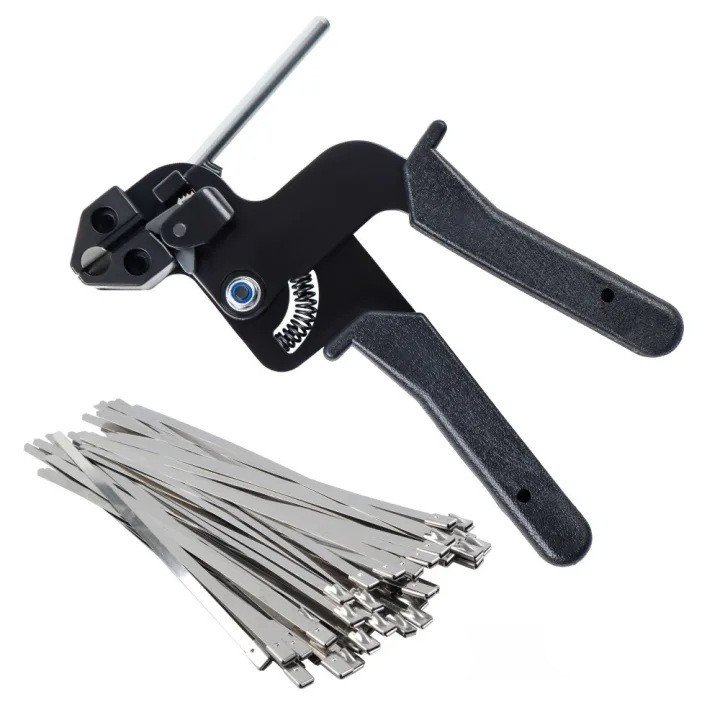
cURL Too many subrequests by single Worker invocation. To configure this limit, refer to https://developers.cloudflare.com/workers/wrangler/configuration/#limits cURL Too many subrequests by single Worker invocation. To configure this limit, refer to https://developers.cloudflare.com/workers/wrangler/configuration/#limits fascette in acciaio inox rivestite cURL Too many subrequests by single Worker invocation. To configure this limit, refer to https://developers.cloudflare.com/workers/wrangler/configuration/#limits
cURL Too many subrequests by single Worker invocation. To configure this limit, refer to https://developers.cloudflare.com/workers/wrangler/configuration/#limits cURL Too many subrequests by single Worker invocation. To configure this limit, refer to https://developers.cloudflare.com/workers/wrangler/configuration/#limits
cURL Too many subrequests by single Worker invocation. To configure this limit, refer to https://developers.cloudflare.com/workers/wrangler/configuration/#limits
cURL Too many subrequests by single Worker invocation. To configure this limit, refer to https://developers.cloudflare.com/workers/wrangler/configuration/#limits
cURL Too many subrequests by single Worker invocation. To configure this limit, refer to https://developers.cloudflare.com/workers/wrangler/configuration/#limits
cURL Too many subrequests by single Worker invocation. To configure this limit, refer to https://developers.cloudflare.com/workers/wrangler/configuration/#limits cURL Too many subrequests by single Worker invocation. To configure this limit, refer to https://developers.cloudflare.com/workers/wrangler/configuration/#limits
cURL Too many subrequests by single Worker invocation. To configure this limit, refer to https://developers.cloudflare.com/workers/wrangler/configuration/#limits cURL Too many subrequests by single Worker invocation. To configure this limit, refer to https://developers.cloudflare.com/workers/wrangler/configuration/#limits
cURL Too many subrequests by single Worker invocation. To configure this limit, refer to https://developers.cloudflare.com/workers/wrangler/configuration/#limits
cURL Too many subrequests by single Worker invocation. To configure this limit, refer to https://developers.cloudflare.com/workers/wrangler/configuration/#limits cURL Too many subrequests by single Worker invocation. To configure this limit, refer to https://developers.cloudflare.com/workers/wrangler/configuration/#limits
cURL Too many subrequests by single Worker invocation. To configure this limit, refer to https://developers.cloudflare.com/workers/wrangler/configuration/#limits cURL Too many subrequests by single Worker invocation. To configure this limit, refer to https://developers.cloudflare.com/workers/wrangler/configuration/#limits cURL Too many subrequests by single Worker invocation. To configure this limit, refer to https://developers.cloudflare.com/workers/wrangler/configuration/#limits cURL Too many subrequests by single Worker invocation. To configure this limit, refer to https://developers.cloudflare.com/workers/wrangler/configuration/#limits
cURL Too many subrequests by single Worker invocation. To configure this limit, refer to https://developers.cloudflare.com/workers/wrangler/configuration/#limits
cURL Too many subrequests by single Worker invocation. To configure this limit, refer to https://developers.cloudflare.com/workers/wrangler/configuration/#limits cURL Too many subrequests by single Worker invocation. To configure this limit, refer to https://developers.cloudflare.com/workers/wrangler/configuration/#limits
cURL Too many subrequests by single Worker invocation. To configure this limit, refer to https://developers.cloudflare.com/workers/wrangler/configuration/#limits cURL Too many subrequests by single Worker invocation. To configure this limit, refer to https://developers.cloudflare.com/workers/wrangler/configuration/#limits
In modern domestic and industrial environments, the role of nylon cable ties cannot be underestimated. This seemingly simple tool is widely used in wire management, gardening, mechanical maintenance and even bundling of daily items due to its economical and practical use. However, when faced with the dazzling array of nylon cable tie choices on the […]
This article thoroughly explains “zip ties strength: how much weight can they hold”—covering rated tensile strength, key influencing factors, material and size selection. It also provides selection guidelines and practical considerations, including comparison tables and FAQs, to help you quickly choose the right cable tie and ensure safe use. Definition and Data of Loop Tensile […]
Most people only associate nylon cable ties with industrial wiring jobs. But these affordable, tough, flexible little accessories act as an all-in-one DIY helper for everyday home life. Simple to operate and sturdy enough for dozens of tasks, cable ties resolve common storage, repair, wiring and daily living headaches around the house. If you’re looking […]
Utilizziamo i cookie per migliorare la tua esperienza di navigazione, offrire annunci o contenuti personalizzati e analizzare il nostro traffico. Cliccando su "Accetta tutto", acconsenti al nostro utilizzo dei cookie.
Cerchi fascette in nylon di alta qualità a un ottimo prezzo?
Ordina ora per provare prodotti di fascette convenienti che offrono praticità e protezione per il tuo lavoro e la tua vita.




 IT
IT  EN
EN  AR
AR  ES
ES  PT
PT  FR
FR  RU
RU  DE
DE  KO
KO  JA
JA