cURL Too many subrequests by single Worker invocation. To configure this limit, refer to https://developers.cloudflare.com/workers/wrangler/configuration/#limits
Cable holder clip are a practical solution for securing cables and wires to surfaces like walls, furniture, or skirting boards. They are commonly used in both residential and professional settings, wherever cables are exposed outside of enclosures.
These clips serve as a cable management tool, attaching cables to fixed points. By using them effectively, you achieve two main benefits: they enhance the appearance of your space by keeping wires organized, and they reduce safety risks by preventing electrical hazards and tripping accidents.
Additionally, larger cable clips can also be used to secure heavier items like conduit or tubing.
How to use cable holder clip
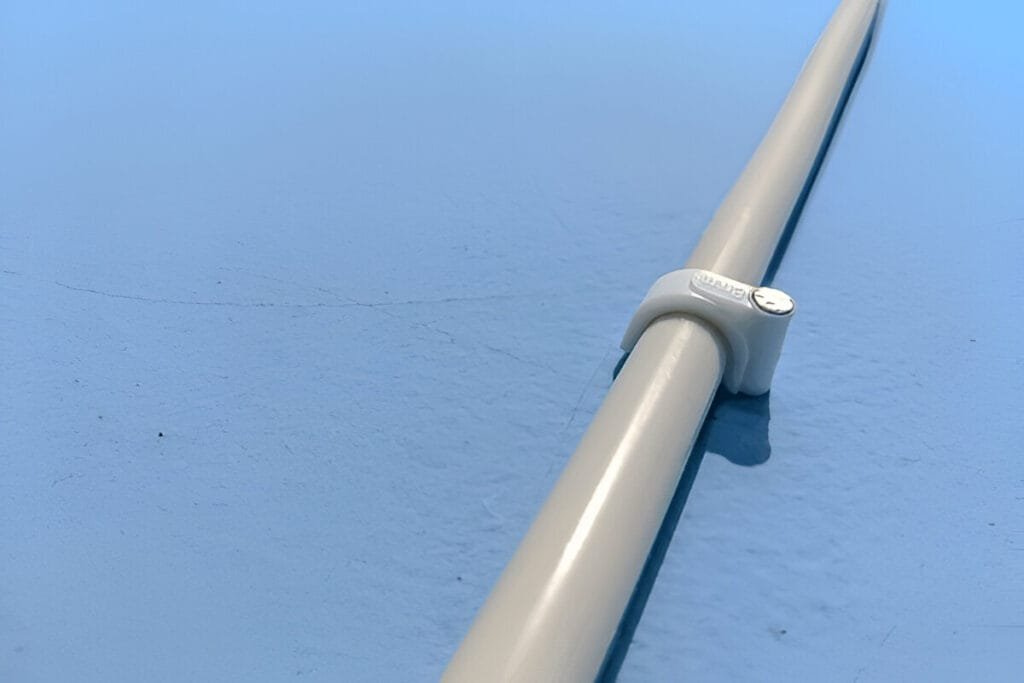
Cable holder clip are available in various styles, but they all share a similar function: holding cables securely in a cradle or hook. The method for attaching these clips to surfaces differs depending on the clip type. Some clips have a hole for nails or screws, suitable for surfaces that allow drilling or hammering. Alternatively, adhesive cable clips offer an easy, nail-free solution. You simply remove the protective backing and press the clip onto the surface to hold cables firmly.
When installing cable wire nail clips, always pay attention to flammability ratings and safety standards. Selecting clips that meet proper safety approvals ensures your wiring installation is both safe and compliant.
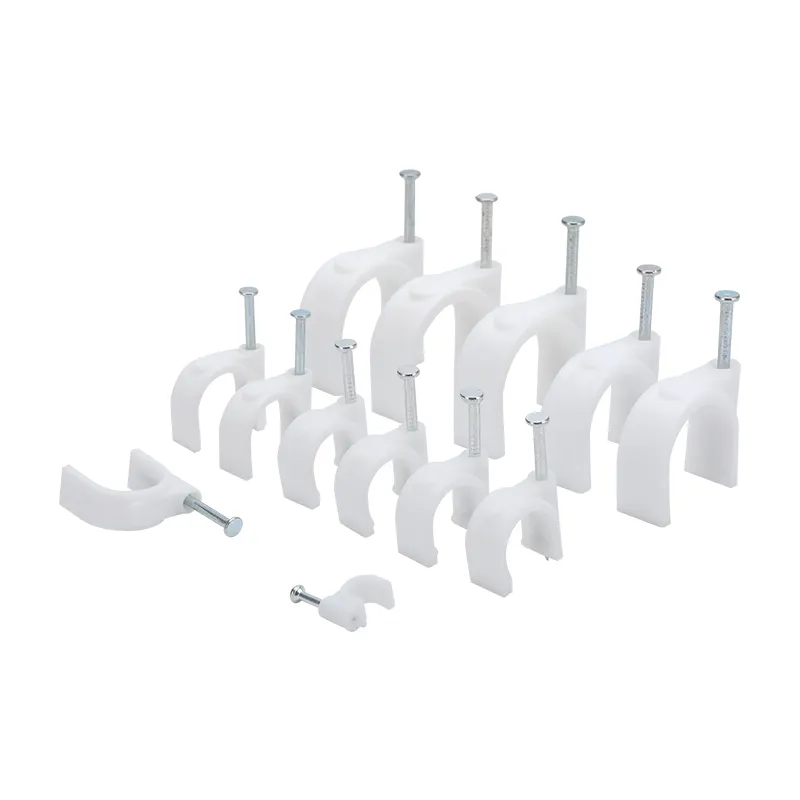
Overall, using cable clips with nail is straightforward and one of the simplest DIY tasks. Typically, cable clips consist of two main components:
A cradle, hook, or loop designed to neatly hold cables.
A fastener such as a nail, pin, or screw used to attach the clip securely.
There are also specialized versions like girder cable wire nail clips. These attach directly onto metal beams or girders without drilling or damaging surfaces, allowing cables to hang safely from ceilings or other overhead structures.
What’s the difference between a cable clamp and cable clip?
Cable clamps and cable clips with nail serve distinct purposes, although they can sometimes overlap in function. Cable clamps primarily guide the path of wires and cables, helping to define their route. On the other hand, cable clips, often referred to as cable or wire mounting clips, are used to secure cables or wires directly to a surface. While some cable clamps can also perform the role of cable clips, their primary function is different.
Categorie Clip per Cavi
Types of Cable Holder Clip
Self-Adhesive Cable Clips
Cable clips are simple to install, eliminating the need for nails or pins. By peeling off the backing layer, the adhesive surface is exposed, allowing quick attachment to any surface. These clips come in various designs with different adhesive strengths tailored to hold specific wire gauges securely.
Cable Nail Clips
Also known as wall clips, cable nail clips feature a built-in nail or pin for fastening. They are widely used in professional and DIY projects, such as organizing ethernet or TV cables and wiring for external lighting. Available in round or rectangular shapes and various sizes and materials, their versatility makes them highly popular.
Screw in Cable Clips
Screw cable clips are durable and designed to secure heavier wires and tubing. Cable clips with screws are often used for PMA conduits in machinery setups, building cabling, and conduit runs in industries like food and beverage where high-pressure washdowns occur. Cable clips screw provide enhanced strain relief by locking nuts or bushes, ensuring proper conduit termination at panels.
Flat Cable Clips
Flat cable clips are ideal for securing ribbon or flat wires flush against walls or fixtures. They offer a neat and reliable solution for ethernet cables and other wiring in homes, offices, and industrial settings. These clips are available in both nail-down and self-adhesive options.
Round Cable Clips
Round cable clips are widely used in residential and workplace settings worldwide. The nail-in type is the most common, but round clips can also be found in screw-down or self-adhesive configurations to suit different applications and environments.
Coaxial Cable Clips
Coaxial cable clips are commonly used for home entertainment systems, stereo wiring, telephone cables, and internet connections. Their design allows easy removal and repositioning of wires when needed. Popular versions include rounded push-pin or nail-in styles, typically available in black or white plastic.
Saddle Cable Clips
Saddle cable clips provide secure mounting while keeping wires slightly elevated from the surface they’re attached to. This reduces strain and wear by maintaining a natural contour for the wires. Made from molded plastics or metals, these clips often feature snap-in bases and locking tops for easy addition or removal of wires.
P Cable Clips
P cable clips are recognizable by their closed shape resembling the letter “P.” They are used to securely hold cables, pipes, hoses, or conduits by wrapping around them and fastening with screws. Available in various sizes and materials, they can accommodate different bundle diameters and environmental conditions.
Metal Cable Clips
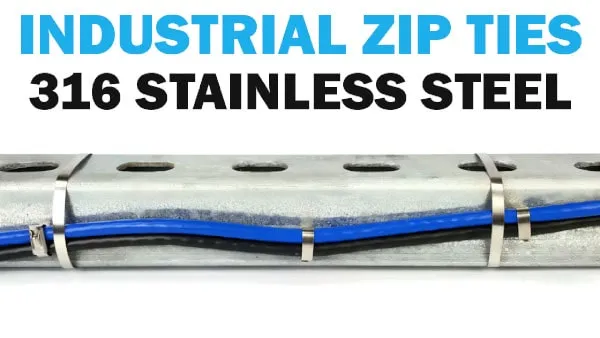
Metal cable clips are suited for industrial or manufacturing environments due to their resistance to chemicals and harsh conditions. They are often used in building escape routes that require fire resistance or outdoor areas exposed to UV light. Common materials include steel, stainless steel, and brass.
Metal cable clips vs. plastic cable clips
When it comes to managing electrical wiring, both metal and plastic cable clips have their advantages and disadvantages.
Metal Cable Clips
Metal clips are available in various materials, including stainless steel, steel, aluminum, and copper. Steel clips are often zinc-plated to enhance corrosion resistance, while stainless steel and aluminum are naturally resistant. Some metal clips, like P-clips, feature a rubber lining, providing excellent electrical insulation and vibration absorption.
However, certain metal combinations should be avoided. For example, copper or brass clips should not come into contact with galvanized steel, as this can cause rapid corrosion. In such cases, plastic clips are a better option.
cURL Too many subrequests by single Worker invocation. To configure this limit, refer to https://developers.cloudflare.com/workers/wrangler/configuration/#limits
cURL Too many subrequests by single Worker invocation. To configure this limit, refer to https://developers.cloudflare.com/workers/wrangler/configuration/#limits nyloncURL Too many subrequests by single Worker invocation. To configure this limit, refer to https://developers.cloudflare.com/workers/wrangler/configuration/#limits
cURL Too many subrequests by single Worker invocation. To configure this limit, refer to https://developers.cloudflare.com/workers/wrangler/configuration/#limits
cURL Too many subrequests by single Worker invocation. To configure this limit, refer to https://developers.cloudflare.com/workers/wrangler/configuration/#limits
cURL Too many subrequests by single Worker invocation. To configure this limit, refer to https://developers.cloudflare.com/workers/wrangler/configuration/#limits
cURL Too many subrequests by single Worker invocation. To configure this limit, refer to https://developers.cloudflare.com/workers/wrangler/configuration/#limits
cURL Too many subrequests by single Worker invocation. To configure this limit, refer to https://developers.cloudflare.com/workers/wrangler/configuration/#limits
cURL Too many subrequests by single Worker invocation. To configure this limit, refer to https://developers.cloudflare.com/workers/wrangler/configuration/#limits
cURL Too many subrequests by single Worker invocation. To configure this limit, refer to https://developers.cloudflare.com/workers/wrangler/configuration/#limits
cURL Too many subrequests by single Worker invocation. To configure this limit, refer to https://developers.cloudflare.com/workers/wrangler/configuration/#limits
cURL Too many subrequests by single Worker invocation. To configure this limit, refer to https://developers.cloudflare.com/workers/wrangler/configuration/#limits
cURL Too many subrequests by single Worker invocation. To configure this limit, refer to https://developers.cloudflare.com/workers/wrangler/configuration/#limits
cURL Too many subrequests by single Worker invocation. To configure this limit, refer to https://developers.cloudflare.com/workers/wrangler/configuration/#limits
cURL Too many subrequests by single Worker invocation. To configure this limit, refer to https://developers.cloudflare.com/workers/wrangler/configuration/#limits
cURL Too many subrequests by single Worker invocation. To configure this limit, refer to https://developers.cloudflare.com/workers/wrangler/configuration/#limits cURL Too many subrequests by single Worker invocation. To configure this limit, refer to https://developers.cloudflare.com/workers/wrangler/configuration/#limits, cURL Too many subrequests by single Worker invocation. To configure this limit, refer to https://developers.cloudflare.com/workers/wrangler/configuration/#limits, cURL Too many subrequests by single Worker invocation. To configure this limit, refer to https://developers.cloudflare.com/workers/wrangler/configuration/#limitscURL Too many subrequests by single Worker invocation. To configure this limit, refer to https://developers.cloudflare.com/workers/wrangler/configuration/#limits cURL Too many subrequests by single Worker invocation. To configure this limit, refer to https://developers.cloudflare.com/workers/wrangler/configuration/#limitscURL Too many subrequests by single Worker invocation. To configure this limit, refer to https://developers.cloudflare.com/workers/wrangler/configuration/#limits
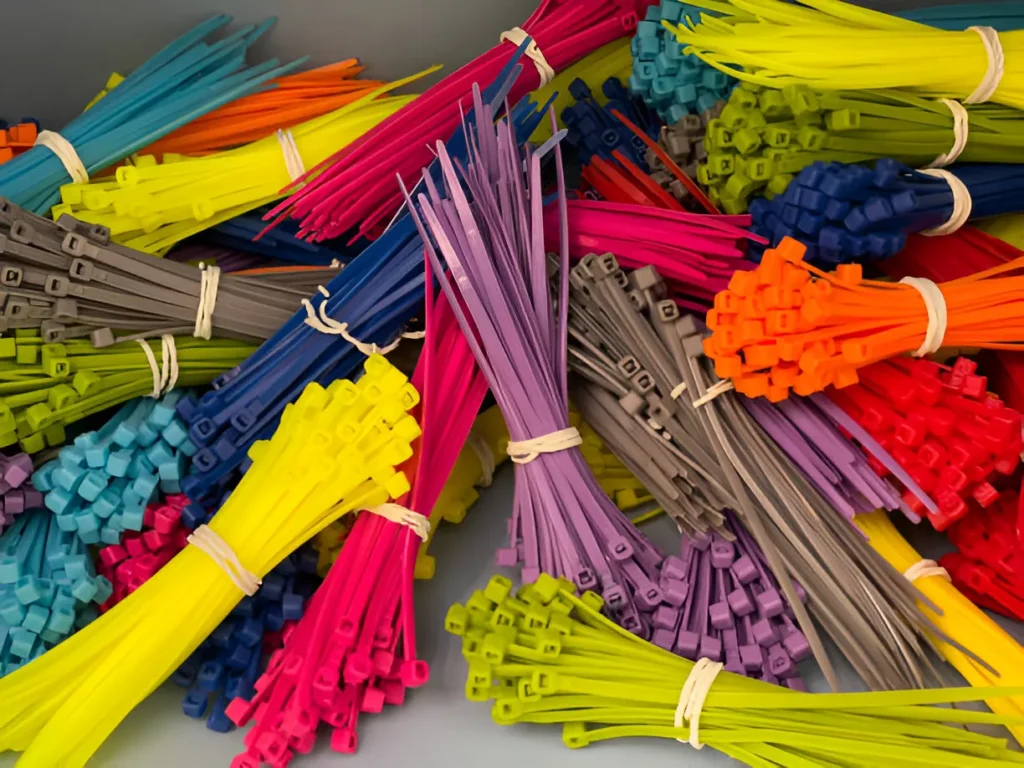
come usare i fascetti stringicavo? Possono sembrare semplici, ma sono strumenti incredibilmente utili nella vita di tutti i giorni e nel lavoro professionale. Sia che tu abbia bisogno di raggruppare cavi, fissare imballaggi o persino organizzare attrezzi in garage, i fascetti stringicavo sono veloci, affidabili e facili da usare. In questo articolo, spiegheremo come usare i fascetti stringicavo, le loro […]
Le fascette stringicavo, chiamate anche fascette per cavi, sono disponibili in una vasta gamma di forme, dimensioni e resistenze per adattarsi a vari compiti. Tuttavia, per lavori che richiedono maggiore durata, le fascette stringicavo per impieghi gravosi sono la soluzione ideale. Con così tante opzioni sul mercato, può essere difficile determinare quale sia la più adatta per il tuo […]
cURL Too many subrequests by single Worker invocation. To configure this limit, refer to https://developers.cloudflare.com/workers/wrangler/configuration/#limits
Utilizziamo i cookie per migliorare la tua esperienza di navigazione, offrire annunci o contenuti personalizzati e analizzare il nostro traffico. Cliccando su "Accetta tutto", acconsenti al nostro utilizzo dei cookie.
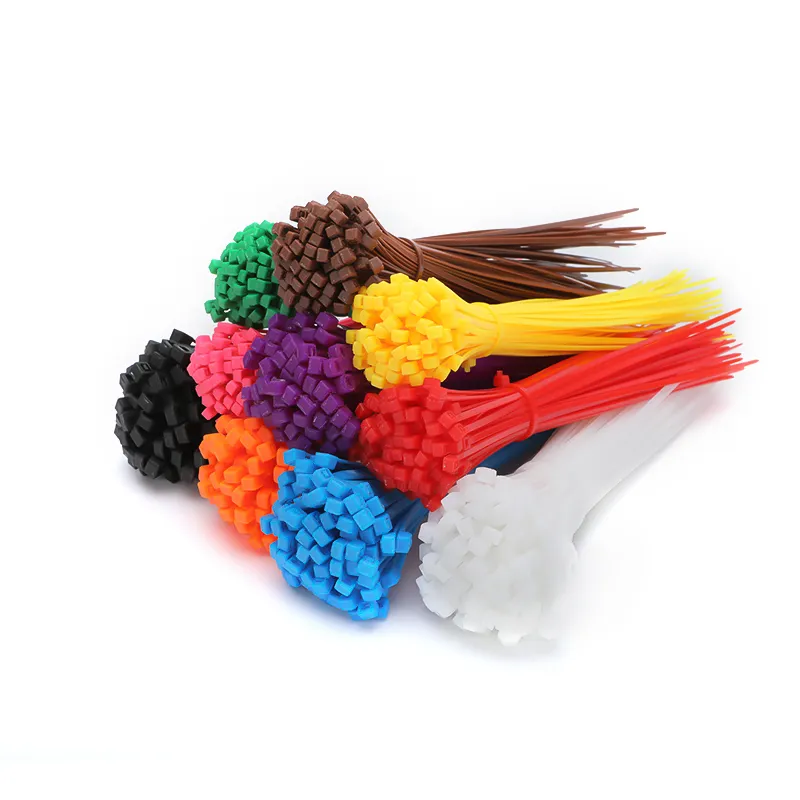
Cerchi fascette in nylon di alta qualità a un ottimo prezzo?
Ordina ora per provare prodotti di fascette convenienti che offrono praticità e protezione per il tuo lavoro e la tua vita.



 IT
IT  EN
EN  AR
AR  ES
ES  PT
PT  FR
FR  RU
RU  DE
DE  KO
KO  JA
JA