If you’ve ever bundled wires or fastened things together, you’ve likely used a cable ties and zip tie. But are they actually different?
In most cases, “zip tie” and “cable tie” mean the same thing and can be used for the same tasks. The main difference is in the name, which often depends on where you are or what industry you’re in. Below, we’ll look at what makes them similar, any small differences, and when to use each one.
Understanding cable ties and zip ties
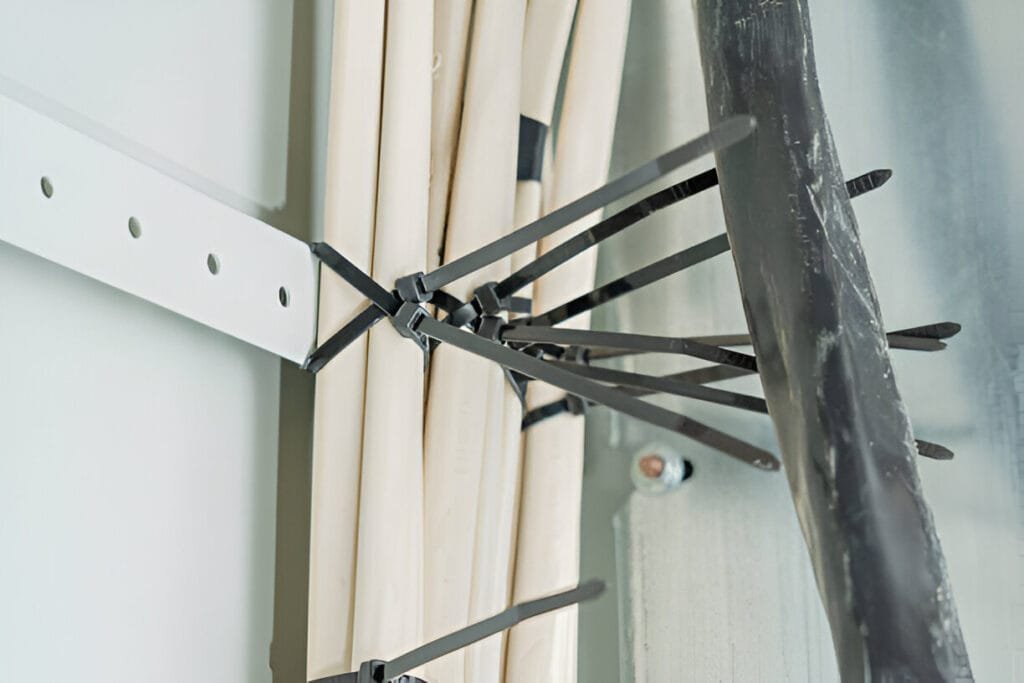
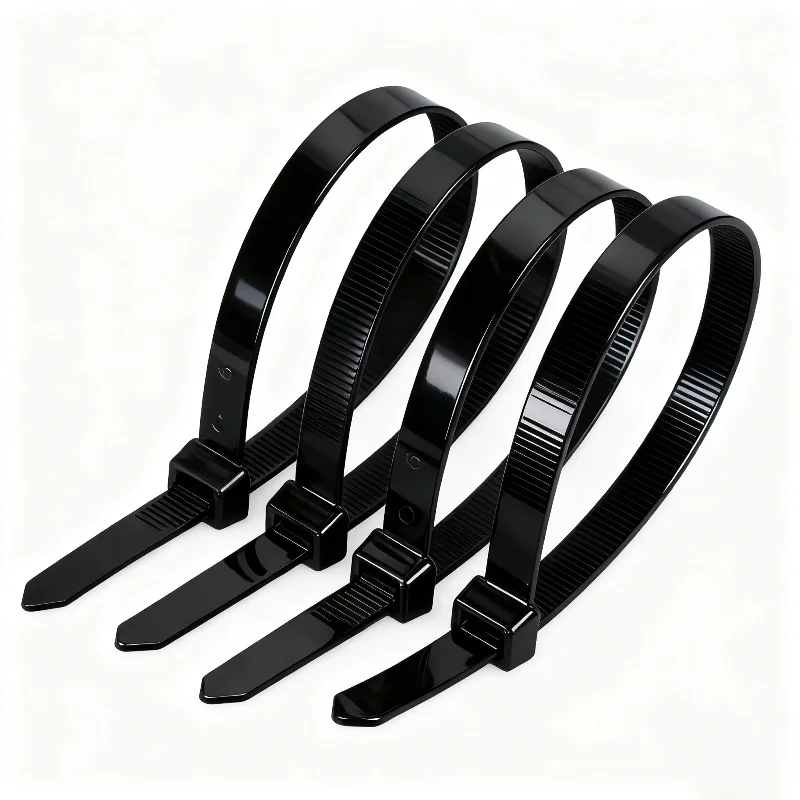
Cable ties and zip ties are designed to do the same basic job: they hold items together by wrapping a strap-usually made of plastic or metal-around them and locking it securely. Nylon versions use a ratchet system that keeps the tie tight until it is intentionally cut.
The main distinction between cable ties and zip ties is in the name. Which term is used often depends on the industry or the region, especially whether you are in the US or elsewhere.
Are cable ties and zip ties the same?
In general, cable ties and zip ties refer to the same item. “Zip tie” is the term most often used in the United States, where the first zip tie, called the Ty-Rap, was invented and patented. In the United Kingdom, people usually call them “cable ties.”
Types of cable ties and their materials
Cable ties come in several types and are made from different materials, which affect how strong, flexible, and long-lasting they are. Here are some common options:
Nylon cable ties are the most popular. They are used for everyday tasks like bundling wires, organizing cables, or quick fixes.
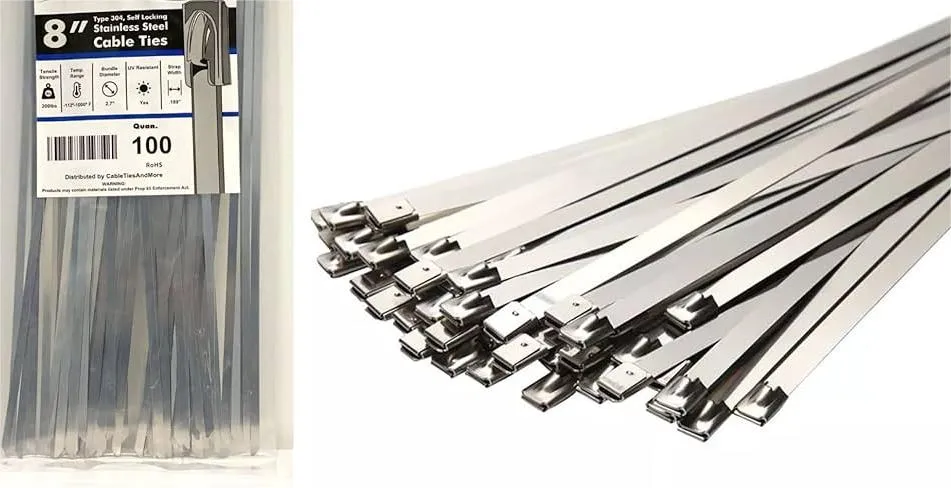
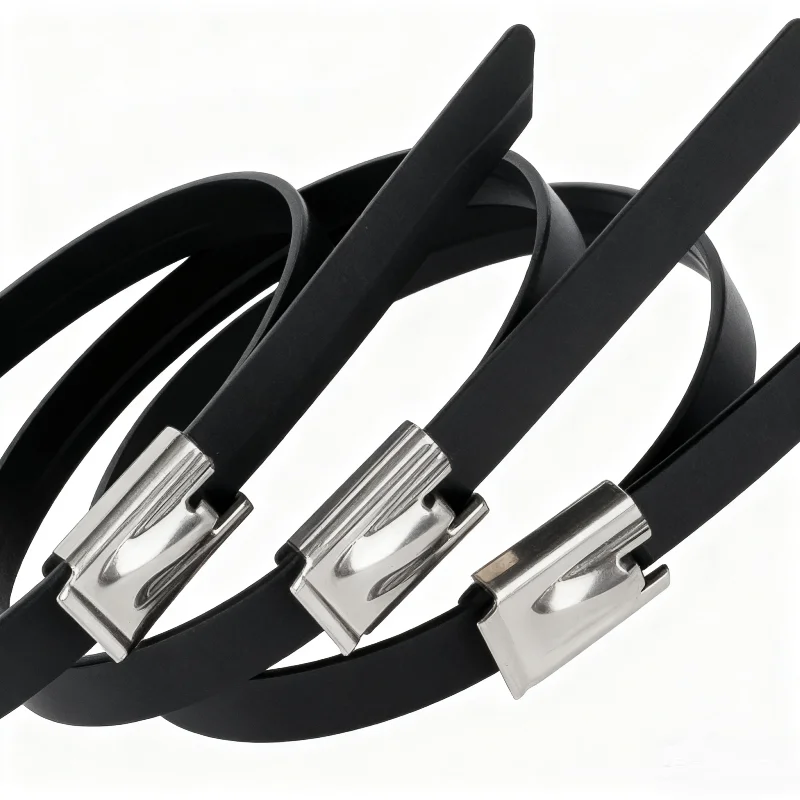
Stainless steel ties are chosen for tough conditions where heat, chemicals, or sunlight could damage nylon. These are often used in factories or on boats.
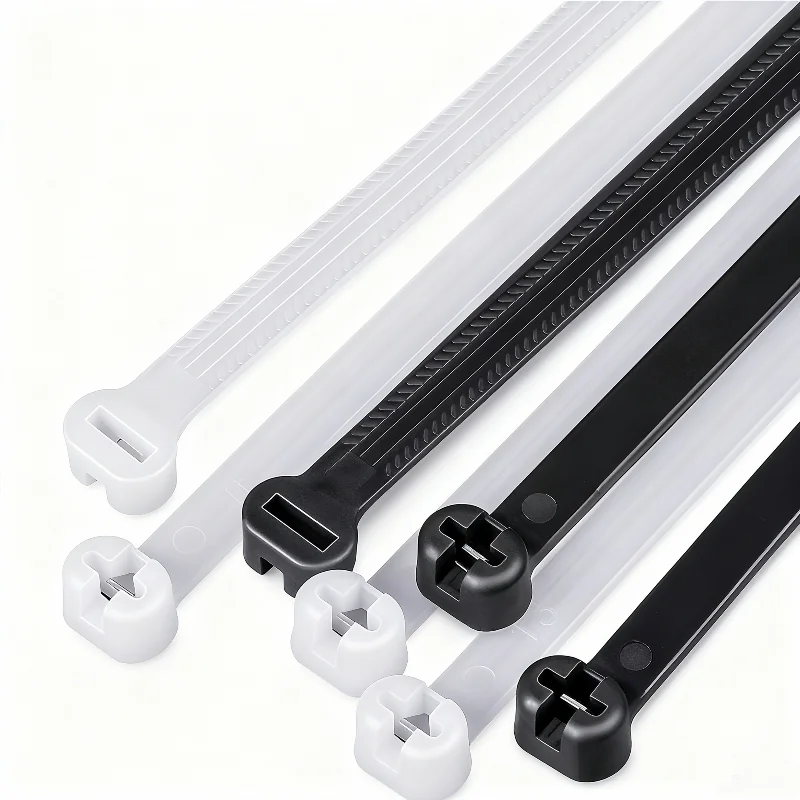
Releasable ties can be opened and reused thanks to a special release feature, so they don’t need to be cut to remove.
Heavy-duty cable ties are built to hold bigger or heavier items together.
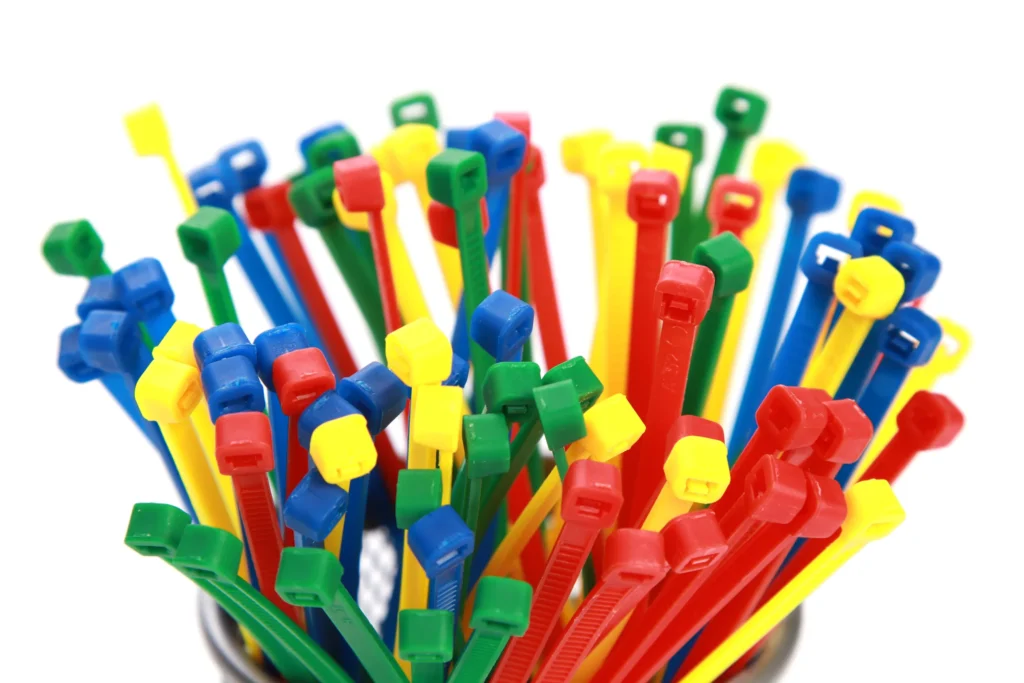
Coloured cable ties help with sorting, labeling, or simply for looks.
Colorful nylon Cable Ties
How nylon cable ties work
Nylon cable ties use a simple but clever design. They have a flexible strip with small teeth along one side. At one end, there is a small open case that holds a locking piece called a pawl.
To use a cable tie, you insert the pointed end through the head and pull. The teeth catch on the pawl, creating a ratchet effect. This means the tie tightens easily but won’t loosen unless a lot of force is used. The loop can only get smaller, not larger. Some cable ties are releasable, with a tab you can press to unlock the tie and use it again.
Stainless steel cable ties work a bit differently. They use a roller ball inside the head. As you pull the tie tight, the ball locks it in place, creating a secure, non-releasable hold. There are also coated stainless steel options, such as epoxy-resin or nylon coatings. These are recommended when the tie might touch galvanized steel, to prevent unwanted reactions.
Other names for cable ties and zip ties
“Zip tie” probably gets its name from the sound it makes when being pulled tight, while “cable tie” highlights its use for bundling cables. These handy fasteners are also known by many other names, such as hose tie, tie wrap, wire tie, panduit, zap-straps, mouse belt, rat belt, wire wrap, and zipper tie.
Choosing the right cable tie for the job
The key to picking the right cable tie isn’t about what it’s called, but about choosing the right material, size, and strength for your needs. Here are some tips:
Metal cable ties are the strongest cable ties on the market offering unparalleled strength. But what are they made from and who uses them? What is a metal cable tie? A metal cable tie is a fastening device used to bundle and secure cables, wires, or other objects. cable ties metal are typically made from […]
Colored cable ties have transcended their initial bundling purpose in industrial settings, evolving into a systematic visual management tool. They serve as safety warnings, quality tracking aids, and process organization tools. Their standardized color-coding system enhances operational efficiency, reduces errors, ensures safety, and meets industry standards. This article will delve into the comprehensive value of […]
Moisture significantly impacts nylon wire ties. This article explores the nature of nylon 6.6, its hygroscopic properties, and how humidity affects nylon tie wire performance. The Nature of Nylon 6.6 Nylon 6.6 is a high-performance synthetic polymer made from the polymerization of hexamethylenediamine and adipic acid. It has excellent mechanical strength, heat resistance and dimensional […]
We use cookies to enhance your browsing experience, serve personalised ads or content, and analyse our traffic. By clicking "Accept All", you consent to our use of cookies.
Looking For High Quality Nylon Cable Ties At A Great Price?
Order now to experience cost-effective cable tie products that provide convenience and protection for your work and life.