Installing markers on control panel wiring follows one sequence: print the full legend set from the schematic before cutting any wire, slide the sleeve on before crimping the terminal, align every marker along the straight run, then verify end to end before the duct covers go on. Reverse any of those steps and you either lose the sleeve or lose an afternoon. That sequence is what how to install cable markers really comes down to.
WANDU manufactures the marking tubes, interlocking markers and label cable ties used in these builds, and the failures that come back to us are almost never about legibility. They are about sequence, sizing and documentation drift. This guide covers the methods that hold up under IEC 60204-1 and NFPA 79 review, the materials that survive a machine tool enclosure, and the sizing rules that keep a sleeve exactly where you put it.
Whether you are prepping a fresh build or labeling a difficult retrofit, the steps are the same.
Why Control Panel Wiring Fails Without Consistent Marking
Industrial control panels house hundreds of dense terminations inside tight enclosures. When technicians do not know how to install cable markers systematically, even clean wire routing turns into a maintenance liability. Missing, loose, or misaligned markers break the link between your electrical schematic and physical conductors, creating blind spots that invite catastrophic errors during commissioning and routine service.
Implementing durable control panel cable markers is not just an aesthetic choice. It is the primary safeguard ensuring every terminal, relay, and I/O point connects exactly as engineered.
The Three Wiring Errors Markers Prevent
Clear wire identification acts as a frontline defense during panel assembly and maintenance:
Crossed Terminations: Connecting high-voltage feeds directly into low-voltage digital I/O channels, which instantly destroys sensitive PLC cards.
Reversed Polarity: Swapping DC positive and negative supply lines, triggering blown fuses, sensor failure, or erratic drive behavior.
Floating or Missing Commons: Terminating signal returns into ungrounded or floating terminal blocks, introducing ghost voltages and intermittent bus communication faults.
What Rework Costs After the Panel Is Closed
Once wire ducts are snapped shut and the panel is powered, tracking down an unmarked line becomes a massive drain on project margins:
Hours Lost to Point-to-Point Ringing: Tracing an unlabeled wire with a multimeter takes many times longer than reading an indexed sleeve.
Blown Components: A single misrouted 480V conductor can destroy thousands of dollars worth of automation hardware upon first energization.
Field Commissioning Delays: Unlabeled cabinets miss critical plant acceptance tests (FAT/SAT), directly triggering liquidated damages and unplanned engineering travel.
Where IEC 60204-1 and NFPA 79 Put the Identification Requirement
Both international and North American cable identification standards mandate unambiguous conductor labeling to protect personnel and ensure equipment reliability:
IEC 60204-1 (Safety of Machinery — Electrical Equipment of Machines): Requires every conductor to be identifiable at its terminations in a way that matches the technical documentation. The identification must stay durable, legible and resistant to the conditions the machine operates in.
NFPA 79 (Electrical Standard for Industrial Machinery): Requires control circuits and power wiring to carry clear alphanumeric or color-coded identification that matches the panel schematics at every splice and termination point.
Keeping the identification aligned with these standards is what prevents an inspection finding from turning into a shop-floor retrofit.
Cable Marker Types and Where Each One Fits
Choosing the right cable marker for control panel wiring depends on your assembly workflow and the environment.
cURL Too many subrequests by single Worker invocation. To configure this limit, refer to https://developers.cloudflare.com/workers/wrangler/configuration/#limits
cURL Too many subrequests by single Worker invocation. To configure this limit, refer to https://developers.cloudflare.com/workers/wrangler/configuration/#limits
cURL Too many subrequests by single Worker invocation. To configure this limit, refer to https://developers.cloudflare.com/workers/wrangler/configuration/#limits
cURL Too many subrequests by single Worker invocation. To configure this limit, refer to https://developers.cloudflare.com/workers/wrangler/configuration/#limits
cURL Too many subrequests by single Worker invocation. To configure this limit, refer to https://developers.cloudflare.com/workers/wrangler/configuration/#limits
cURL Too many subrequests by single Worker invocation. To configure this limit, refer to https://developers.cloudflare.com/workers/wrangler/configuration/#limits
cURL Too many subrequests by single Worker invocation. To configure this limit, refer to https://developers.cloudflare.com/workers/wrangler/configuration/#limits
cURL Too many subrequests by single Worker invocation. To configure this limit, refer to https://developers.cloudflare.com/workers/wrangler/configuration/#limits
cURL Too many subrequests by single Worker invocation. To configure this limit, refer to https://developers.cloudflare.com/workers/wrangler/configuration/#limits
Etiketli kablo bağları cURL Too many subrequests by single Worker invocation. To configure this limit, refer to https://developers.cloudflare.com/workers/wrangler/configuration/#limits
cURL Too many subrequests by single Worker invocation. To configure this limit, refer to https://developers.cloudflare.com/workers/wrangler/configuration/#limits
cURL Too many subrequests by single Worker invocation. To configure this limit, refer to https://developers.cloudflare.com/workers/wrangler/configuration/#limits
cURL Too many subrequests by single Worker invocation. To configure this limit, refer to https://developers.cloudflare.com/workers/wrangler/configuration/#limits
cURL Too many subrequests by single Worker invocation. To configure this limit, refer to https://developers.cloudflare.com/workers/wrangler/configuration/#limits
cURL Too many subrequests by single Worker invocation. To configure this limit, refer to https://developers.cloudflare.com/workers/wrangler/configuration/#limits
En İyi Kullanım Alanı
cURL Too many subrequests by single Worker invocation. To configure this limit, refer to https://developers.cloudflare.com/workers/wrangler/configuration/#limits
Dayanıklılık
cURL Too many subrequests by single Worker invocation. To configure this limit, refer to https://developers.cloudflare.com/workers/wrangler/configuration/#limits
cURL Too many subrequests by single Worker invocation. To configure this limit, refer to https://developers.cloudflare.com/workers/wrangler/configuration/#limits
Düşük
Yüksek
cURL Too many subrequests by single Worker invocation. To configure this limit, refer to https://developers.cloudflare.com/workers/wrangler/configuration/#limits
cURL Too many subrequests by single Worker invocation. To configure this limit, refer to https://developers.cloudflare.com/workers/wrangler/configuration/#limits
Orta
Orta
cURL Too many subrequests by single Worker invocation. To configure this limit, refer to https://developers.cloudflare.com/workers/wrangler/configuration/#limits
cURL Too many subrequests by single Worker invocation. To configure this limit, refer to https://developers.cloudflare.com/workers/wrangler/configuration/#limits
Yüksek
Yüksek
cURL Too many subrequests by single Worker invocation. To configure this limit, refer to https://developers.cloudflare.com/workers/wrangler/configuration/#limits
cURL Too many subrequests by single Worker invocation. To configure this limit, refer to https://developers.cloudflare.com/workers/wrangler/configuration/#limits
Orta
Yüksek
cURL Too many subrequests by single Worker invocation. To configure this limit, refer to https://developers.cloudflare.com/workers/wrangler/configuration/#limits
cURL Too many subrequests by single Worker invocation. To configure this limit, refer to https://developers.cloudflare.com/workers/wrangler/configuration/#limits
cURL Too many subrequests by single Worker invocation. To configure this limit, refer to https://developers.cloudflare.com/workers/wrangler/configuration/#limits
cURL Too many subrequests by single Worker invocation. To configure this limit, refer to https://developers.cloudflare.com/workers/wrangler/configuration/#limits
cURL Too many subrequests by single Worker invocation. To configure this limit, refer to https://developers.cloudflare.com/workers/wrangler/configuration/#limits
cURL Too many subrequests by single Worker invocation. To configure this limit, refer to https://developers.cloudflare.com/workers/wrangler/configuration/#limits cURL Too many subrequests by single Worker invocation. To configure this limit, refer to https://developers.cloudflare.com/workers/wrangler/configuration/#limits
cURL Too many subrequests by single Worker invocation. To configure this limit, refer to https://developers.cloudflare.com/workers/wrangler/configuration/#limits cURL Too many subrequests by single Worker invocation. To configure this limit, refer to https://developers.cloudflare.com/workers/wrangler/configuration/#limits
cURL Too many subrequests by single Worker invocation. To configure this limit, refer to https://developers.cloudflare.com/workers/wrangler/configuration/#limits cURL Too many subrequests by single Worker invocation. To configure this limit, refer to https://developers.cloudflare.com/workers/wrangler/configuration/#limits
cURL Too many subrequests by single Worker invocation. To configure this limit, refer to https://developers.cloudflare.com/workers/wrangler/configuration/#limits
cURL Too many subrequests by single Worker invocation. To configure this limit, refer to https://developers.cloudflare.com/workers/wrangler/configuration/#limits
Conductor Size (mm²)
Standard AWG Equivalent
Typical Wire OD Range (mm)
Recommended Marker Inner Diameter (ID)
0.5 mm²
20 AWG
1.8 – 2.2 mm
2.0 – 2.5 mm
0.75 mm²
18 AWG
2.2 – 2.6 mm
2.5 – 3.0 mm
1.0 mm²
17 AWG
2.4 – 2.8 mm
2.8 – 3.2 mm
1.5 mm²
16 AWG
2.8 – 3.2 mm
3.0 – 3.5 mm
2.5 mm²
14 AWG
3.3 – 3.8 mm
3.6 – 4.0 mm
4.0 mm²
12 AWG
4.0 – 4.6 mm
4.2 – 4.8 mm
6.0 mm²
10 AWG
4.6 – 5.4 mm
5.0 – 5.6 mm
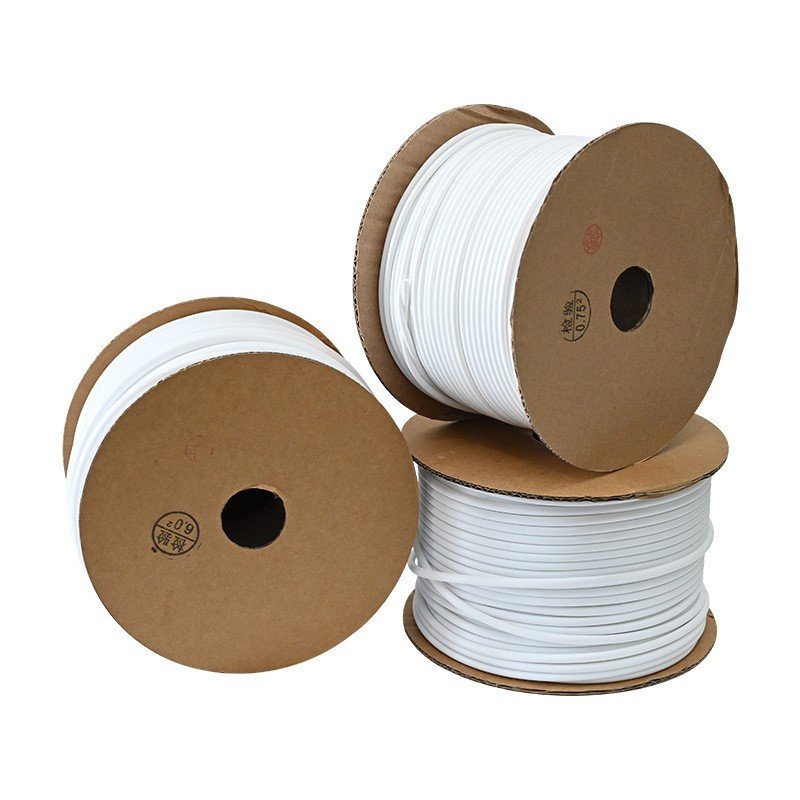
WANDU supplies these tubes in four ID bands — 0.5–1.5 mm, 2.0–3.5 mm, 4.0–6.0 mm and 7.0–10.0 mm — and the product page lists the wire range each band covers. Use the table above to estimate the ID you need, then pick the band that contains it.
Wall Thickness, Bend Radius and Terminal Block Clearance
Physical clearance dictates whether an installed marker stays legible or turns into an assembly bottleneck:
Terminal block pitch: cURL Too many subrequests by single Worker invocation. To configure this limit, refer to https://developers.cloudflare.com/workers/wrangler/configuration/#limits
cURL Too many subrequests by single Worker invocation. To configure this limit, refer to https://developers.cloudflare.com/workers/wrangler/configuration/#limits cURL Too many subrequests by single Worker invocation. To configure this limit, refer to https://developers.cloudflare.com/workers/wrangler/configuration/#limits
cURL Too many subrequests by single Worker invocation. To configure this limit, refer to https://developers.cloudflare.com/workers/wrangler/configuration/#limits cURL Too many subrequests by single Worker invocation. To configure this limit, refer to https://developers.cloudflare.com/workers/wrangler/configuration/#limits
cURL Too many subrequests by single Worker invocation. To configure this limit, refer to https://developers.cloudflare.com/workers/wrangler/configuration/#limits
cURL Too many subrequests by single Worker invocation. To configure this limit, refer to https://developers.cloudflare.com/workers/wrangler/configuration/#limits
cURL Too many subrequests by single Worker invocation. To configure this limit, refer to https://developers.cloudflare.com/workers/wrangler/configuration/#limits
cURL Too many subrequests by single Worker invocation. To configure this limit, refer to https://developers.cloudflare.com/workers/wrangler/configuration/#limits
cURL Too many subrequests by single Worker invocation. To configure this limit, refer to https://developers.cloudflare.com/workers/wrangler/configuration/#limits
cURL Too many subrequests by single Worker invocation. To configure this limit, refer to https://developers.cloudflare.com/workers/wrangler/configuration/#limits
Üstün Tutma Gücü: cURL Too many subrequests by single Worker invocation. To configure this limit, refer to https://developers.cloudflare.com/workers/wrangler/configuration/#limits
Koruma: cURL Too many subrequests by single Worker invocation. To configure this limit, refer to https://developers.cloudflare.com/workers/wrangler/configuration/#limits
cURL Too many subrequests by single Worker invocation. To configure this limit, refer to https://developers.cloudflare.com/workers/wrangler/configuration/#limits cURL Too many subrequests by single Worker invocation. To configure this limit, refer to https://developers.cloudflare.com/workers/wrangler/configuration/#limits
cURL Too many subrequests by single Worker invocation. To configure this limit, refer to https://developers.cloudflare.com/workers/wrangler/configuration/#limits
cURL Too many subrequests by single Worker invocation. To configure this limit, refer to https://developers.cloudflare.com/workers/wrangler/configuration/#limits
cURL Too many subrequests by single Worker invocation. To configure this limit, refer to https://developers.cloudflare.com/workers/wrangler/configuration/#limits
cURL Too many subrequests by single Worker invocation. To configure this limit, refer to https://developers.cloudflare.com/workers/wrangler/configuration/#limits
cURL Too many subrequests by single Worker invocation. To configure this limit, refer to https://developers.cloudflare.com/workers/wrangler/configuration/#limits
cURL Too many subrequests by single Worker invocation. To configure this limit, refer to https://developers.cloudflare.com/workers/wrangler/configuration/#limits cURL Too many subrequests by single Worker invocation. To configure this limit, refer to https://developers.cloudflare.com/workers/wrangler/configuration/#limits
cURL Too many subrequests by single Worker invocation. To configure this limit, refer to https://developers.cloudflare.com/workers/wrangler/configuration/#limits cURL Too many subrequests by single Worker invocation. To configure this limit, refer to https://developers.cloudflare.com/workers/wrangler/configuration/#limits
cURL Too many subrequests by single Worker invocation. To configure this limit, refer to https://developers.cloudflare.com/workers/wrangler/configuration/#limits cURL Too many subrequests by single Worker invocation. To configure this limit, refer to https://developers.cloudflare.com/workers/wrangler/configuration/#limits
cURL Too many subrequests by single Worker invocation. To configure this limit, refer to https://developers.cloudflare.com/workers/wrangler/configuration/#limits
cURL Too many subrequests by single Worker invocation. To configure this limit, refer to https://developers.cloudflare.com/workers/wrangler/configuration/#limits
cURL Too many subrequests by single Worker invocation. To configure this limit, refer to https://developers.cloudflare.com/workers/wrangler/configuration/#limits
cURL Too many subrequests by single Worker invocation. To configure this limit, refer to https://developers.cloudflare.com/workers/wrangler/configuration/#limits
cURL Too many subrequests by single Worker invocation. To configure this limit, refer to https://developers.cloudflare.com/workers/wrangler/configuration/#limits
cURL Too many subrequests by single Worker invocation. To configure this limit, refer to https://developers.cloudflare.com/workers/wrangler/configuration/#limits
cURL Too many subrequests by single Worker invocation. To configure this limit, refer to https://developers.cloudflare.com/workers/wrangler/configuration/#limits
cURL Too many subrequests by single Worker invocation. To configure this limit, refer to https://developers.cloudflare.com/workers/wrangler/configuration/#limits
cURL Too many subrequests by single Worker invocation. To configure this limit, refer to https://developers.cloudflare.com/workers/wrangler/configuration/#limits
cURL Too many subrequests by single Worker invocation. To configure this limit, refer to https://developers.cloudflare.com/workers/wrangler/configuration/#limits
cURL Too many subrequests by single Worker invocation. To configure this limit, refer to https://developers.cloudflare.com/workers/wrangler/configuration/#limits
cURL Too many subrequests by single Worker invocation. To configure this limit, refer to https://developers.cloudflare.com/workers/wrangler/configuration/#limits
cURL Too many subrequests by single Worker invocation. To configure this limit, refer to https://developers.cloudflare.com/workers/wrangler/configuration/#limits
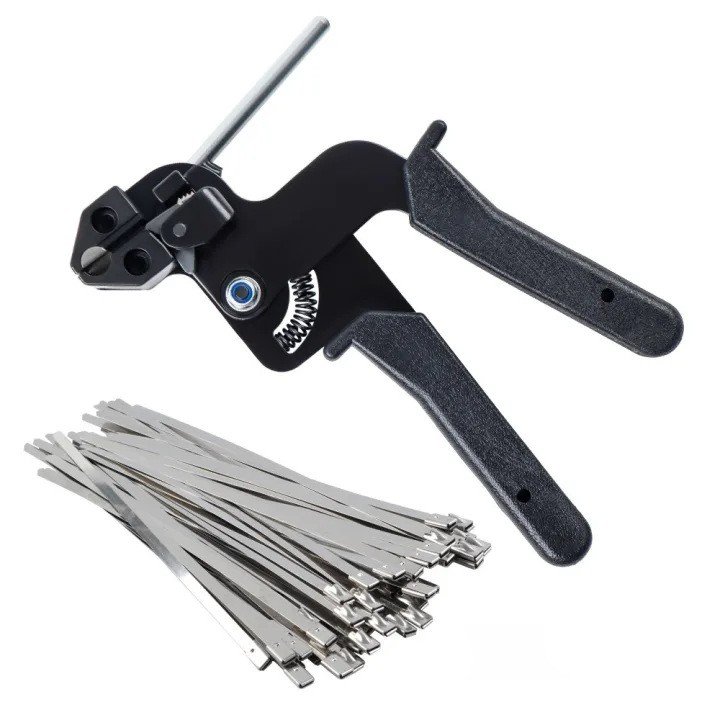
Rotate all markers to face outward toward the technician. When bundling multiple labeled conductors into wire harness runs, avoid cinching fasteners directly over the sleeves. When organizing bundle tails, understanding naylon ve metal kablo bağı arasındaki farkın ne olduğunu bilmek helps ensure you choose a secure fastener that holds the harness in place without pinching or deforming the marking tubes underneath.
Step 5: Verify Against the Schematic Before Closure
Before snapping wire duct covers shut, perform a visual cross-check against the point-to-point schematic.
Check that both ends of the same conductor carry matching wire numbers.
Confirm that no sleeve was accidentally caught in a spring clamp or screw terminal clamp.
Verify that every tag remains legible without needing to twist the wire bundle.
Catching an inverted digit or a swapped phase marker at this stage takes seconds; troubleshooting it after the panel leaves the shop floor takes hours.
Numbering, Color Coding and Documentation
Clear panel wiring depends as much on the documentation structure as it does on marker durability. When we look at failed troubleshooting calls, the issue usually traces back to a mismatch between what the schematic shows and what sits on the terminal strip. Knowing how to install cable markers correctly means establishing a clear panel wire numbering standard before printing a single sleeve.
Reference Designation vs Wire Number
A common mistake in panel shops is mixing up component reference designations with wire numbers.
Reference Designations (Device IDs): Identify the physical component or terminal location (such as =A1+P1-Q1:1 or CR10-A1). These tell you which device the wire lands on.
Wire Numbers (Potential/Net IDs): Identify the electrical node itself. Every wire sharing the same uninterrupted electrical connection carries the exact same wire number, regardless of where it travels in the panel trunking.
When installing wire sleeves, point-to-point marking usually combines both: displaying the local wire number prominently, with the destination device ID printed in a smaller secondary line below it.
US and EU Color Codes Side by Side
Regional cable identification standards dictate basic conductor jacket colors, which directly affects marker contrast and sleeve selection. Understanding these baselines ensures markers stand out clearly against the conductor insulation.
Circuit Function
NFPA 79 / UL 508A (US)
IEC 60445 / 60204-1 (International)
AC Three-Phase Power
Black (L1, L2, L3)
Brown (L1), Black (L2), Grey (L3)
AC Control Circuit
Red (Line), White (Neutral)
Red (Line), Light Blue (Neutral)
DC Control Circuit
Mavi
Mavi
Protective Earth (Ground)
Green or Green with Yellow Stripe
Green-and-Yellow
Neutral is white in a US panel and light blue in an IEC panel — that single difference catches more mis-wired imports than any other. Control, interlock and DC common conventions vary between plant standards, so confirm against the project electrical specification before printing.
Beyond the conductors themselves, many facilities also match their bundle ties to these circuits by following cable tie color coding standards and site conventions, ensuring immediate visual confirmation across every trunk and drop.
Keeping Markers in Step with Schematic Revisions
Schematic revisions during the testing phase cause immediate marker drift if not managed strictly. When engineering updates a net from Rev 1 to Rev 2:
Flag the old wire tag on the drawings immediately.
Cut off the obsolete marker; never write over an existing print with an indelible pen.
Print a new sleeve matching the new drawing sheet and coordinate.
cURL Too many subrequests by single Worker invocation. To configure this limit, refer to https://developers.cloudflare.com/workers/wrangler/configuration/#limits
cURL Too many subrequests by single Worker invocation. To configure this limit, refer to https://developers.cloudflare.com/workers/wrangler/configuration/#limits
cURL Too many subrequests by single Worker invocation. To configure this limit, refer to https://developers.cloudflare.com/workers/wrangler/configuration/#limits
cURL Too many subrequests by single Worker invocation. To configure this limit, refer to https://developers.cloudflare.com/workers/wrangler/configuration/#limits
cURL Too many subrequests by single Worker invocation. To configure this limit, refer to https://developers.cloudflare.com/workers/wrangler/configuration/#limits
cURL Too many subrequests by single Worker invocation. To configure this limit, refer to https://developers.cloudflare.com/workers/wrangler/configuration/#limits
cURL Too many subrequests by single Worker invocation. To configure this limit, refer to https://developers.cloudflare.com/workers/wrangler/configuration/#limits
Sıkça Sorulan Sorular
What size cable marker do I need for 1.5 mm² wire?
cURL Too many subrequests by single Worker invocation. To configure this limit, refer to https://developers.cloudflare.com/workers/wrangler/configuration/#limits
Should markers go on before or after terminating wires?
For slide-on wire markers, you must install the sleeve before crimping the terminal onto the wire. If you are working on an existing panel or have already terminated your wires, choose snap-on or clip-on cable markers designed for post-termination installation.
What is the best marker type for retrofit panel work?
cURL Too many subrequests by single Worker invocation. To configure this limit, refer to https://developers.cloudflare.com/workers/wrangler/configuration/#limits
How do you label high-density or small-diameter wiring?
In high-density panels, use slim, low-profile markers or heat-shrink wire markers. Heat-shrink options provide a compact fit that does not add bulk to the wiring, while high-quality printable tubes allow for clear, legible numbering even on very small diameters.
Can PVC marking tubes be printed with custom legends?
cURL Too many subrequests by single Worker invocation. To configure this limit, refer to https://developers.cloudflare.com/workers/wrangler/configuration/#limits
Wandu Hakkında — Zhejiang Wandu Plastic Co., Ltd. has produced nylon cable ties in Yueqing, Zhejiang, China since 2011. Our ISO 9001 certified factory runs 10 high-speed injection moulding machines and 8 professional cable tie test benches, covering nylon cable ties, stainless steel cable ties, cable clips, cable glands and spiral wrap. Products are CE and RoHS compliant and ship to buyers in 50+ countries. Every technical question below is answered by our own engineering team.
Kablo bağları, diğer adıyla zip bağları, bilgisayar kablolarını düzenlemekten endüstriyel ekipmanları güvence altına almaya kadar çeşitli uygulamalarda kullanılan çok yönlü bağlantı elemanlarıdır. Kablo bağı performansının önemli bir yönü, ısıya dayanıklılıklarıdır. Bu makale, kablo bağı erime noktalarını etkileyen faktörleri inceler ve farklı […] için doğru bağların nasıl seçileceğine dair bilgiler sunar.
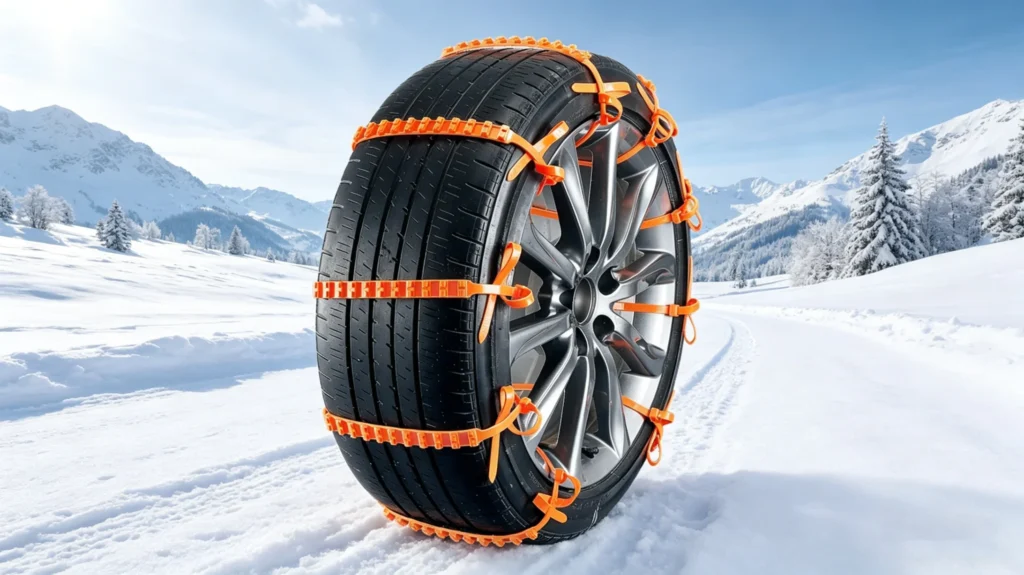
Plastik Zip Bağlı Kış Zincirleri Nedir? Tanım ve Temel Tasarım Özellikleri Plastik zip bağlar, kaygan koşullarda araçların tutuşunu yeniden kazanmasına yardımcı olmak için tasarlanmış geçici, acil çekiş cihazlarıdır. Geleneksel sarmalardan farklı olarak, bu kar zinciri zip bağlar, entegre çıtçıtlar veya kaymaz çiviler içeren ağır hizmet tipi plastik kayışlardan oluşur. Tasarlanmıştır […]
Gezinti deneyiminizi geliştirmek, kişiselleştirilmiş reklamlar veya içerik göstermek ve trafiğimizi analiz etmek için çerezleri kullanıyoruz. "Tümünü Kabul Et"ye tıklayarak, çerezleri kullanımımıza onay vermiş olursunuz.
Yüksek Kaliteli Naylon Kablo Bağlantılarını Uygun Fiyata mı Arıyorsunuz?
İşte şimdi sipariş verin, işiniz ve hayatınız için kolaylık ve koruma sağlayan maliyet etkin kablo bağlama ürünlerini deneyimleyin.



 TR
 EN
 AR
 ES
 PT
 FR
 RU
 DE
 KO
 JA
 IT
 NL